Blog

Your blog category

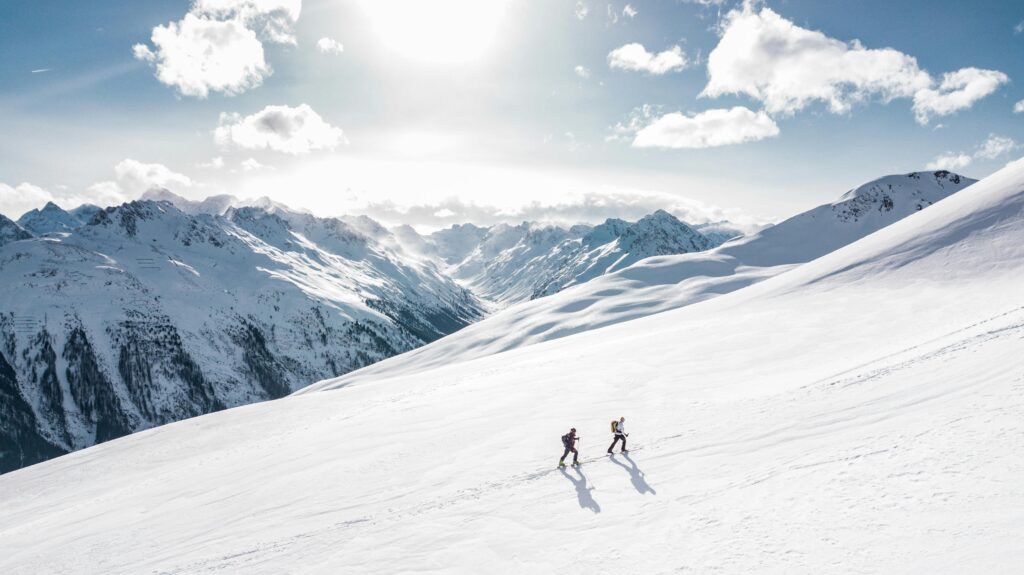
Sunshine Peak Skiing Slope in Gulmarg

Skiing Destinations in India Ranked 2026: Gulmarg, Auli, Kufri & More

If you want a clear answer, Gulmarg leads skiing in India, followed by Auli, then Manali–Solang, while smaller spots like Kufri and Narkanda are better for quick snow fun rather than full skiing trips. That is the honest ranking most travellers end up agreeing with after one or two winters in the Himalayas. Now let’s break down the skiing destinations in India ranked (2026) in a practical way, like you are actually planning your trip and not just reading a list. When people search for skiing in India, they usually imagine one thing, clean white snow, long slopes, and a safe place to learn. But the reality is very different across destinations. Some places are proper ski resorts. Some are just snow hills where skiing is possible for a short time. So instead of hype, let’s look at what actually works on ground. Quick comparison of skiing destinations in India ranked Here is a simple snapshot before we go deeper: Destination Best For Difficulty Season Real Ski Experience Gulmarg Advanced + all levels Easy to Hard Dec–Mar Best in India Auli Beginners Easy Jan–Mar Very good Manali (Solang) Tourists + beginners Easy Dec–Feb Moderate Kufri Short experience Very easy Jan–Feb Basic Narkanda Beginners Easy Jan–Mar Good Dayara Bugyal Scenic skiing Easy Jan–Mar Raw experience Munsiyari Offbeat skiing Medium Jan–Feb Limited setup Patnitop Small slopes Easy Jan–Feb Basic Mundali Hidden gem Easy Jan–Feb Developing This table already tells you something important. Only Gulmarg and Auli feel like proper ski destinations. The rest are experience-based or beginner zones. 1. Gulmarg: The strongest skiing destination in India Gulmarg Skiing is not just popular, it is the backbone of skiing in India. If you go in peak winter, you will see thick powder snow, long slopes, and skiers from around the world. In fact, the famous snow quality in Gulmarg and powder depth is one of the biggest reasons advanced skiers return year after year. The Gondola ride itself takes you into high-altitude skiing zones that feel almost unreal. This is why Gulmarg sits at the top of all skiing destinations in India ranked lists. What makes it special is not just snow, but scale.If you want real skiing, not just trying snow, this is where you go. Highest ski slopes in India Deep powder snow in Jan–Feb Gondola access to Apharwat peak Professional ski training schools Costs are higher here, but experience is unmatched. Typical expenses: Ski rental: ₹500–₹1000/day Instructor: ₹800–₹1500/session Gondola: ~₹900 to ₹1500 per phase If you are planning a trip, read the complete details on: Gulmarg skiing price breakdown before booking. 2. Auli: India’s most organised ski learning zone Auli feels calmer and more structured compared to Gulmarg. The slopes are designed for learners. You don’t feel lost here. Everything is planned, from ropeways to training areas. That is why beginners love it.  If you are confused between these two famous destinations, this detailed comparison of Gulmarg vs Auli skiing explains the strengths of both. Best ski learning setup in India Wide gentle slopes Ropeway access from Joshimath Stable ski training programs Cost overview: Ski course: ₹5000–₹15000 (multi-day) Gear rental: ₹300–₹700/day Ropeway: ~₹1000+ (seasonal pricing) In the skiing destinations in India ranked, Auli is the safest starting point. 3. Manali and Solang: Easy but crowded skiing experience Manali and nearby Solang Valley are where most Indian tourists first try skiing. It is convenient. Roads are easy. Rentals are everywhere. But snow quality is not always stable. So think of it as: Skiing + tourist vibe + adventure sports mix Good for first-time trial Easy accessibility Mixed snow conditions Heavy tourist crowd Costs: Ski tryout: ₹300–₹800 Instructor: ₹500–₹1200 This is not a serious ski destination, but it is great for a short winter experience. 4. Kufri: Quick snow skiing near Shimla Kufri is more like a snow playground than a ski resort. You go there when you are already in Shimla and want to experience snow sports quickly. Very short slopes Easy beginner skiing High tourist flow Snow depends on season It is fun, but not technical skiing. Still, it remains part of most skiing destinations in India ranked lists because of accessibility. 5. Narkanda: Quiet and underrated skiing spot Narkanda is often skipped, but it is actually better than Kufri for skiing practice. It has longer slopes and fewer crowds. Better snow consistency than Kufri Beginner friendly terrain Less commercialised Peaceful environment If you want a calm learning experience without chaos, this is a smart pick. 6. Dayara Bugyal: Raw alpine skiing feel Dayara Bugyal is not a ski resort. It is an alpine meadow that turns into a skiing zone in winter. It feels raw, natural, and untouched. Open snow fields No commercial ski setup Requires trekking access Best for adventure lovers This is not for structured lessons. It is for experience seekers. 7. Munsiyari: Offbeat skiing with limited setup Munsiyari offers skiing but in a very basic form. You will not find luxury infrastructure here. Small ski slopes Limited instructors Remote location Very quiet environment Good for people who want offbeat winter travel. 8. Patnitop: Small but accessible snow slopes Patnitop is a simple skiing spot in Jammu region. It is easy to reach and good for beginners. Short ski runs Family-friendly snow area Limited ski infrastructure Affordable experience 9. Mundali: Hidden skiing spot in Uttarakhand Mundali is still developing but slowly gaining attention. Untouched snow slopes Very low crowd Basic ski facilities Good for exploration This is not mainstream yet, but it is growing. How to actually choose your ski destination Instead of chasing rankings, think like this: First time skiing → Auli or Manali Serious skiing → Gulmarg Budget snow trip → Kufri or Narkanda Offbeat travel → Munsiyari or Mundali Scenic raw experience → Dayara Bugyal That simple choice saves you from disappointment. If you are new to the sport, this guide on how to learn skiing in Gulmarg can help you understand the learning process and what to expect during your first few

Skiing Destinations in India Ranked 2026: Gulmarg, Auli, Kufri & More Read More »

Skiing In Gulmarg

Kashmir Ski Tours 2026: What’s Included in a Typical Package

If you are searching for kashmir ski tours packages, you are probably not just curious. You are already thinking about booking a snow trip in Kashmir. So let’s make this simple. A ski package in Kashmir is a complete travel plan that covers your stay, skiing, gear, training, and local support in one bundle. Most travellers go to Gulmarg because it is India’s main ski hub. Now let’s break down exactly what you get, what it costs, and how a real trip actually looks. Before booking, you can check the detailed seasonal pattern here: Gulmarg skiing season guide. What a Kashmir ski tour package really includes Most kashmir ski tours packages are designed for beginners and first-time snow travellers. You don’t need to plan every detail. A typical package includes: Hotel stay in Gulmarg or nearby town Daily ski training sessions Ski equipment (boots, boards, poles) Local transport for ski days Breakfast and dinner in most cases Instructor support during skiing If you book through a kashmir ski tour operator, everything is arranged before you even reach Kashmir. You just land in Srinagar and move towards the snow. For most travellers, Gulmarg becomes the base because of its strong ski infrastructure and easy slope access.  Learn here about the main ski zones here: Gulmarg ski area guide. Real sample ski packages (2026 estimate) Let’s talk like real travel operators do. These are common market ranges you will actually see. 1. Budget Ski Package (3 Days / 2 Nights) Price: ₹18,000 – ₹32,000 per person Stay: Guesthouse or 2-star hotel Skiing: Basic training (2–3 hours/day) Equipment: Included Ideal for: First-time learners 2. Standard Ski Package (5 Days / 4 Nights) Price: ₹35,000 – ₹65,000 per person Stay: 3-star hotel in Gulmarg Skiing: Daily structured training Gondola access: Partial or Phase 1 Ideal for: Beginners who want full experience For a better understanding of slope access in these packages, see: Gulmarg Phase 1 vs Phase 2 guide. 3. Premium Ski Package (6 Days / 5 Nights) Price: ₹70,000 – ₹1,10,000+ per person Stay: Premium ski hotels Skiing: Advanced training + longer slopes Gondola: Phase 1 + Phase 2 included Ideal for: Serious ski learners or repeat travellers These are not fixed prices, but they reflect real kashmir ski tours packages available in peak season. Day-by-day ski tour experience (what actually happens) Most people don’t understand the daily flow. So here is a simple breakdown. Day 1: Arrival in Kashmir You land at Srinagar Airport. A cab takes you to Gulmarg. Hotel check-in happens. You meet your ski guide. Day 2: First snow training You get ski boots and gear. First lessons start on flat snow. Balance practice is the main focus. Day 3: Slope practice You move to beginner slopes like Kongdori. Small slides, small falls, and a lot of learning. Day 4: Gondola and higher slopes If included, you take the famous Gulmarg Gondola. Snow gets deeper and views open up. Day 5: Free skiing or improvement day You repeat practice or try longer slopes depending on skill. This is how most kashmir ski tours packages are structured in real life. To understand how gondola levels change skiing experience, read: Gulmarg Phase 2 skiing guide. What is included vs what is NOT included This is where many travellers get confused. Included: Hotel stay Ski gear Instructor fees Local transfers Basic meals Not included: Flights or train tickets Personal expenses Travel insurance Extra gondola phases sometimes Extra ski hours beyond package A good kashmir ski tour operator always explains this before booking. If they don’t, that is a red flag. For better travel planning to the region, you can also check: how to reach Gulmarg for skiing Snowboarding option in Kashmir ski packages Many modern kashmir ski tours packages now include snowboarding too. Snowboarding is usually offered as: Add-on training session Separate beginner course Combined ski + snowboard package It is becoming popular among younger travellers, especially in Gulmarg slopes. If you are curious about snow conditions before choosing, read this guide for: snow quality in Gulmarg guide. Why Gulmarg dominates ski tourism Most ski packages are based in Gulmarg because of its strong infrastructure. Gulmarg offers: Long ski season Better snow quality Gondola access to high slopes Professional ski schools That is why almost every kashmir ski tour operator builds packages around it. For a bigger India-level comparison, you can also see: best places to ski in India 2026. Who should book a ski tour package These packages are perfect if: You are a first-time skier You want everything arranged You are travelling in a group or family You don’t want planning stress They are not ideal if: You want luxury-only travel You want full independent skiing You are an expert skier planning off-piste only For beginners skiing, read: is Gulmarg good for beginners. Conclusion A ski tour in Kashmir is not just a holiday plan. It is your first real meeting with snow in a structured way. You don’t just buy a package. You buy time, safety, learning, and experience bundled together. And once you stand on that white slope in Gulmarg, everything else feels very small for a moment. So the real question is not what is included in kashmir ski tours packages. FAQs What is the average cost of ski packages in Kashmir? Most packages range between ₹18,000 to ₹1,10,000 depending on duration and hotel type. Are ski lessons included in the package? Yes, basic ski training is included in almost all packages. Is gondola ride included? Sometimes yes, sometimes no. Phase 1 is often included, Phase 2 is usually extra. Can beginners join these ski tours? Yes, most kashmir ski tours packages are designed for beginners. Is snowboarding available? Yes, many operators now include snowboarding options or add-ons. How many days are enough for skiing in Kashmir? 5 to 6 days is ideal for a complete beginner experience.

Kashmir Ski Tours 2026: What’s Included in a Typical Package Read More »

Skiing In Gulmarg

Gulmarg vs Narkanda skiing: Two Very Different Ski Experiences in India

If you are confused between Gulmarg and Narkanda for skiing, here is the simple truth. Gulmarg skiing is big, deep, and professional. Narkanda is small, simple, and great for learning. Both are good, but they are made for very different types of travellers. Let’s break it down step by step so you can decide without confusion. Before going deep, here is the direct answer most people need. Choose Gulmarg if you want deep snow, long slopes, and a real ski resort feel. Choose Narkanda if you are a beginner and want a low-pressure learning trip. Now let’s understand why. Location, height, and snow conditions Gulmarg sits at around 2,650 meters, and it gets heavy snowfall every winter. Some years, snowfall goes above 10–12 feet in the upper slopes. This is why it feels like a proper ski destination. Narkanda is slightly lower at around 2,708 meters, but it gets lighter and more controlled snow. It is enough for learning, but not always for deep powder skiing. Simple breakdown: Gulmarg has long and deep snow season (Dec to March) Narkanda has shorter and more weather-dependent snow Gulmarg snow is powder-heavy and soft Narkanda snow is thinner but easier for beginners For deeper understanding of how snowfall behaves across months, you can check Gulmarg skiing season guide. So in narkanda skiing vs gulmarg himachal comparison, Gulmarg wins on snow quality, but Narkanda wins on learning control. Main ski areas you will actually use This is where many blogs miss details, but it matters a lot. In Gulmarg, skiing mostly happens in: Kongdori slopes (beginner to intermediate zone) Apharwat Peak (advanced skiing, reached by gondola) The famous Gulmarg Gondola system To understand how different these zones feel, you can read Gulmarg Phase 1 vs Phase 2 skiing. In Narkanda, skiing happens mainly at: Dhumri ski slopes, managed by Himachal Tourism Small training zones near the forest ridge Gulmarg feels wide and open. Narkanda feels compact and close. This is a major point in gulmarg vs narkanda skiing, because slope size changes your entire experience. Learning experience and ski courses If you are learning skiing, both places offer training, but the depth is different. In Gulmarg, the Indian Institute of Skiing and Mountaineering (IISM) runs proper 10–14 day ski courses. These are structured and used by many serious learners. You can read more about it here: Indian Institute of Skiing and Mountaineering. In Narkanda, the Himachal Pradesh Tourism Development Corporation (HPTDC) runs shorter skiing courses during winter. These are more basic but still useful for beginners. Simple view: Gulmarg = structured professional ski training Narkanda = short beginner ski lessons So in narkanda skiing vs gulmarg himachal comparison, Gulmarg is better for serious learning, while Narkanda is better for first-time exposure. Cost, tickets, and budget reality Let’s talk about money because this is where most decisions change. Gulmarg is expensive. A ski trip here includes: Gondola Phase 1 ticket: approx ₹900–₹1,000 Phase 2 ticket: approx ₹1,200–₹1,500 Ski package: ₹15,000–₹40,000 depending on duration Hotels: ₹3,000 to ₹12,000 per night in peak season For full breakdown, see Gulmarg skiing price 2026. Narkanda is much cheaper: Ski lessons: ₹500–₹1,500 per day Equipment rental: ₹300–₹800 Hotels: ₹1,000–₹3,000 per night So in gulmarg vs narkanda skiing, budget travellers usually choose Narkanda without thinking twice. How to reach both places Travel is another big factor people search for. To reach Gulmarg: Fly to Srinagar Airport (about 50 km away) Then drive 1.5–2 hours to Gulmarg For detailed travel planning, check How to reach Gulmarg for skiing. To reach Narkanda: Reach Shimla first (road, rail, or flight via Jubbarhatti) Then drive about 60–65 km on the Hindustan Tibet Road Narkanda is easier for short trips. Gulmarg needs more planning but gives a bigger reward. Crowd, vibe, and overall feel Gulmarg feels like a global ski village. You will see international travellers, instructors, and heavy ski activity everywhere. It feels active and busy. Narkanda feels quiet. You may ski with just a few people around. It feels more personal and less rushed. Quick comparison: Gulmarg = busy, global, energetic Narkanda = calm, local, peaceful Gulmarg = premium ski tourism Narkanda = learning-focused tourism This is where personal preference matters most in gulmarg vs narkanda skiing. Best time to visit for skiing Timing is very important. Gulmarg best season: late December to early March Peak snow: January and February Gulmarg has more reliable snow. Narkanda depends more on yearly weather patterns. Where each destination fits best Let’s make it very simple. First-time skier with no experience → Narkanda Adventure seeker or intermediate skier → Gulmarg Budget traveller → Narkanda Bucket-list ski experience → Gulmarg Short weekend trip → Narkanda Full snow holiday → Gulmarg For a wider India comparison, you can also explore Best places to ski in India 2026. Conclusion Skiing is not just about snow. It is about how you feel when you fall, stand, and try again. Gulmarg will challenge you with scale and power. Narkanda will support you with simplicity and space to learn slowly. So the real question is not just gulmarg vs narkanda skiing. It is this: Do you want your first ski memory to feel like a wild mountain adventure, or a calm learning story in the Himalayas?

Gulmarg vs Narkanda skiing: Two Very Different Ski Experiences in India Read More »

Skiing In Gulmarg

Gulmarg vs Solang Valley Skiing: Snow, Slope & Cost Compared

If you are trying to choose between Gulmarg and Solang Valley for skiing, here is the simple answer. Gulmarg is better for serious skiing, deeper snow, and longer runs. Solang Valley is better for beginners, short trips, and smaller budgets. If you are new to Gulmarg Skiing, knowing these differences can help you make the right choice. Both places are popular in winter. Both offer snow, mountain views, and skiing. But the experience feels very different once you reach the slopes. The best choice depends on your budget, skill level, and what kind of trip you want. Gulmarg vs Solang Valley Skiing: Quick Comparison Before we look at the details, here is a quick comparison. Feature Gulmarg Solang Valley State Jammu & Kashmir Himachal Pradesh Maximum Ski Elevation 3,980 m Around 3,200 m Best For Intermediate and advanced skiers Beginners and families Ski Season December to March December to March Longest Ski Runs Up to 4 km Around 2 km Main Lift Gulmarg Gondola Poma Ski Lift Snow Reliability Excellent Good Budget Higher Lower Learning Skiing Good Very Good Overall Experience World-class Recreational If skiing is the main reason for your trip, Gulmarg is usually the better option. If you want to enjoy snow and learn the basics, Solang Valley can be a great choice. Why Gulmarg Is Famous for Skiing When people talk about the best skiing spots in India, Gulmarg is often at the top of the list. The main reason is the terrain. Gulmarg has long ski runs, wide slopes, and large areas for off-piste skiing. Skiers from India and other countries visit every winter because the skiing here feels bigger and more exciting. Another big attraction is the Gulmarg Gondola. It is one of the highest cable cars in Asia. It takes visitors up to Apharwat Peak at about 3,980 metres. If you plan to ride the Gondola,check: Gondola ticket prices and phases before your trip. The Gondola has two sections: Phase 1: Gulmarg to Kongdori (around ₹740) Phase 2: Kongdori to Apharwat Peak (around ₹1,250) Both phases together: around ₹1,800 The mountain views from the top are beautiful. On a clear day, you can see snow-covered peaks in every direction. Snow Quality: Which Place Gets Better Snow? Snow quality can make a big difference when you ski. Both Gulmarg and Solang Valley get snowfall during winter. But Gulmarg usually gets more snow and deeper snow cover. This helps create better skiing conditions for a longer time. Many skiers love Gulmarg because of its soft powder snow. This type of snow feels smooth under your skis and is often more enjoyable to ride on.  Know more about the: Snow quality in Gulmarg. Solang Valley also gets good snowfall. In some winters, the snow conditions can be excellent. The main difference is that Solang has fewer slopes and less skiing terrain. For a first ski lesson, both places work well. For a longer ski holiday, Gulmarg gives you more choices. Slope Variety and Ski Terrain This is one of the biggest differences in the gulmarg vs solang valley skiing debate. Gulmarg has slopes for different skill levels. Beginners can learn on easier sections. Intermediate skiers have plenty of space to improve. Advanced skiers can enjoy steeper and longer runs. Some ski runs in Gulmarg can stretch close to 4 kilometres, depending on snow conditions. Solang Valley has shorter slopes. The ski area is easier to understand and less intimidating. Many first-time skiers feel more relaxed here. If you want to improve your skiing year after year, Gulmarg gives you more opportunities. Cost Comparison: Gulmarg vs Solang Valley Skiing Cost matters for most travellers. In general, Solang Valley is the cheaper option. A beginner can often try skiing in Solang Valley for a few hundred rupees to around ₹1,500, depending on the package and lesson. In Gulmarg, skiing usually costs more because of lift tickets, equipment rentals, instructors, and travel expenses. If you want a detailed estimate, check this guide to Gulmarg skiing price and cost breakdown. Typical daily costs in Gulmarg may include: Ski gear rental: ₹800 to ₹1,500 Beginner lessons: ₹1,000 to ₹3,000+ Local ski guide: ₹1,000 to ₹2,500 Gondola ticket: Extra cost Flights to Srinagar can also increase your budget. Even with the higher cost, many skiers feel Gulmarg offers better value because the skiing experience is much larger. Which Place Is Better for Beginners? Many people think Gulmarg is only for expert skiers. That is not true. There are beginner-friendly slopes where first-time skiers can learn safely. Several ski schools and instructors work in Gulmarg during the winter season. Many visitors are surprised to learn that Gulmarg is good for beginners when they start on the right slopes. Even so, Solang Valley is often easier for complete beginners. The slopes are shorter. The atmosphere feels more relaxed. You can learn the basics without feeling nervous. Choose Solang Valley if: You have never skied before You want a short ski trip You are travelling with children You have a smaller budget Choose Gulmarg if: You want to ski for several days You want to improve your skills You enjoy adventure activities You may continue skiing in the future Best Time to Visit for Skiing The timing of your trip is important. For Gulmarg, January and February are usually the best months for skiing. Snowfall is often at its highest during this time. The slopes also tend to have the most reliable snow cover. In Solang Valley, the ski season usually runs from December to March. January and February are also the busiest months there. If skiing is your main goal, always check recent snow conditions before you travel. Mountain weather can change quickly. Travel and Accessibility Getting to the slopes is another thing to think about. To reach Gulmarg, most people first fly to Srinagar.  Read this guide on: how to reach Gulmarg for skiing can help. From Srinagar Airport, Gulmarg is about 50 kilometres away. The drive usually takes around 1.5 to 2

Gulmarg vs Solang Valley Skiing: Snow, Slope & Cost Compared Read More »

Where to Stay in Gulmarg for Skiing?

Gulmarg Nearest Airport & Railway Station: Skier’s Transfer Guide

The Gulmarg nearest airport is Srinagar Airport (SXR), about 58 km away. If you are coming by train, the answer is a bit more complex. Srinagar Railway Station is the closest major station inside Kashmir, while Jammu Tawi is the main railway station used by travellers coming from the rest of India. If you are planning a ski trip to Gulmarg, your journey does not end when your flight lands. The last part of the trip matters just as much. A smooth transfer can save time, money, and a lot of stress, especially when you are carrying ski gear in winter. Many first-time visitors spend hours choosing hotels and flights. Then they land in Srinagar and start wondering how to reach Gulmarg for skiing. Let us make that part easy. Gulmarg Nearest Airport at a Glance For most travellers, flying is the fastest and easiest way to reach Gulmarg. Transport Hub Distance to Gulmarg Travel Time Best For Srinagar Airport (SXR) 58 km 1.5 to 2.5 hours Most visitors Srinagar Railway Station 52 km 1.5 to 2 hours Travellers already in Kashmir Jammu Tawi Railway Station 290 km 7 to 9 hours Travellers arriving by train from other states Most skiers choose Srinagar Airport because it saves a full day of travel. This is especially true during the Gulmarg skiing season, when road conditions and arrival timing can affect your first day on the slopes. Gulmarg Nearest Airport: Srinagar Airport (SXR) The nearest airport to Gulmarg is Srinagar Airport, also known by its airport code SXR. The airport has regular flights from major Indian cities such as Delhi, Mumbai, Bangalore, Hyderabad, Chandigarh, and Jammu. Airlines operating on these routes often include IndiGo, Air India, Akasa Air, and SpiceJet, depending on the season. After landing, you only need one road journey to reach Gulmarg. That is why almost every ski traveller chooses this route. How Far is Srinagar Airport from Gulmarg? The distance between Srinagar Airport and Gulmarg is around 58 km. You may see some websites mention 56 km, 58 km, or 60 km. Do not worry about the difference. Distances vary slightly because different maps measure from different points. In normal weather, the drive takes about 1.5 to 2.5 hours. The route goes through Srinagar, Magam, Tangmarg, and then climbs into Gulmarg. As you get closer, the scenery changes fast. Pine forests appear beside the road. Snow-covered slopes start coming into view. For many visitors, this is when the holiday truly begins. Srinagar Airport to Gulmarg Taxi Ski Transfer Guide A taxi is the easiest way to travel from the airport to Gulmarg. You can book one in advance or use the prepaid taxi counter at the airport. For first-time visitors, prepaid taxis are often the safest choice because the fare is fixed and you receive a receipt. Approximate taxi fares are: Vehicle Type Approximate Fare Sedan ₹2,500–₹3,500 SUV/Innova ₹4,000–₹6,000 Tempo Traveller ₹6,000–₹9,000 Shared Taxi ₹150–₹300 per person Prices can rise during heavy snowfall, Christmas week, New Year, and peak ski season. If you are budgeting for your trip, it also helps to understand the full Gulmarg skiing price before booking transport and accommodation. Which Taxi is Best for Skiers? This is where many travellers make a mistake. A standard sedan works well if you are carrying normal luggage. It may not be ideal if you have long ski bags, snowboards, and several pieces of winter equipment. For skiers, an SUV is often the better option. If your group has four or more people with ski gear, a Tempo Traveller usually offers the most comfort. We have seen groups save a few hundred rupees on transport and then struggle to fit all their equipment inside the vehicle. It is better to book a slightly larger vehicle from the start. Gulmarg Nearest Railway Station: What Travellers Should Know This question creates a lot of confusion online. The answer depends on where you are starting your journey. Srinagar Railway Station Srinagar Railway Station, also called Nowgam Railway Station, is around 52 km from Gulmarg. It is one of the closest major railway stations to Gulmarg. However, it mainly serves the Kashmir Valley rail network. If you are already travelling within Kashmir, this station can be very useful. Jammu Tawi Railway Station For travellers coming from Delhi, Mumbai, Chennai, Bangalore, Kolkata, or other parts of India, Jammu Tawi is usually the most practical railway station. It is about 290 km from Gulmarg and has much better long-distance train connections. Most visitors who choose rail travel arrive at Jammu Tawi and then continue by road towards Srinagar and Gulmarg. Sopore Railway Station Sopore Railway Station is physically closer to Gulmarg than Srinagar. However, it has limited value for most tourists because of connectivity and transport options. For this reason, travellers usually focus on Srinagar or Jammu Tawi instead. What Happens at Tangmarg During Winter? Tangmarg is the last major town before Gulmarg. In normal weather, your taxi will take you directly to your hotel. During heavy snowfall, local authorities may restrict vehicle movement beyond Tangmarg. When this happens, travellers may need to switch to local snow vehicles for the final stretch. This does not happen every day. Still, it is wise to keep some extra travel time in your plan during January and February. If snow is falling heavily, ask your hotel or driver about the latest road conditions before starting the journey. Should You Carry Ski Gear or Rent It? Many first-time visitors ask this question. If you already own high-quality ski equipment and plan to ski for several days, carrying your gear makes sense. If you are a beginner, using a ski rental in Gulmarg service is often easier and more affordable. This helps you avoid airline baggage fees and reduces the amount of luggage during the transfer. Many visitors combine equipment hire with a professional ski school in Gulmarg to speed up their learning. If this is your first ski holiday, our guide on how to learn skiing in

Gulmarg Nearest Airport & Railway Station: Skier’s Transfer Guide Read More »

Skiing in Gulmarg in December

Gulmarg Trip Cost for Skiing (2026): Budget, Mid-Range & Luxury Options

A Gulmarg trip cost for skiing can range from ₹25,000 to ₹1.5 lakh or more per person, depending on how you travel, where you stay, and how many days you ski. If you are planning your first skiing trip to Gulmarg, the cost can feel confusing. One website says ₹20,000 is enough. Another says you need more than ₹1 lakh. The truth lies somewhere in the middle. Before planning your trip, it helps to explore resources on Skiing in Gulmarg to understand realistic costs and expectations. We have seen travellers arrive with a small budget and still enjoy skiing. We have also met skiers who spent more on one powder day than others spent on their whole trip. The good news is that Gulmarg works for almost every budget. The key is knowing where your money goes before you book anything. Gulmarg Skiing Total Cost Budget at a Glance For most travellers, a 5-day trip looks something like this: Travel Style Expected Cost Per Person Budget ₹25,000 – ₹40,000 Mid-Range ₹45,000 – ₹80,000 Luxury ₹90,000 – ₹1.5 lakh+ These figures include travel, stay, ski gear, lessons, food, and local transport. What Makes Up the Gulmarg Trip Cost for Skiing? Many people think hotels are the biggest expense. In reality, skiing costs come from several places. Your total budget usually includes: Flights or travel to Srinagar Taxi from Srinagar to Gulmarg Hotel or guesthouse stay Ski rental Lessons from a ski school in Gulmarg Gondola tickets Food and snacks Winter clothing and accessories Once you understand these costs, planning becomes much easier. Gulmarg Gondola Cost (2026) The Gulmarg Gondola is one of the highest cable cars in the world. Most skiers use it every day. The ticket cost can change, so always check the latest Gondola ride Gulmarg price before booking. If you are travelling during peak season, it is wise to understand the Gulmarg Gondola online booking process and secure tickets early. As a rough guide, recent prices have been around: Gondola Section Approximate Cost Phase 1 ₹900 – ₹1,000 Phase 2 ₹1,500 – ₹1,600 Combined Ticket ₹2,400 – ₹2,600 The gondola alone can add several thousand rupees to your trip budget if you ski for multiple days. Which Gondola Phase Should You Choose? This is something many first-time visitors do not know. Phase 1 is best for beginners. The slopes are gentler and easier to learn on. Most ski schools also teach in this area. If you are confused about which ticket to buy, this comparison of Gulmarg Phase 1 vs Phase 2 explains the differences clearly. Phase 2 is meant for experienced skiers. The terrain is steeper, the snow is deeper, and the weather can change quickly. Many advanced skiers spend their time around Apharwat Peak Phase 2 skiing, which offers some of the most exciting terrain in Gulmarg. If you are trying skiing for the first time, there is usually no need to spend extra money on Phase 2. Budget Gulmarg Skiing Trip Cost (₹25,000 to ₹40,000) A budget trip works well for students, solo travellers, and anyone who wants to try skiing without spending too much. You can stay in a guesthouse, share taxis, and rent equipment locally. The experience is still enjoyable because the mountain remains the same. Choosing a reliable ski rental provider can also help keep your budget under control. A typical budget may look like this: Travel: ₹8,000 – ₹15,000 Stay: ₹1,000 – ₹2,000 per night Ski gear: ₹700 – ₹1,500 per day Lessons: ₹2,000 – ₹3,500 per day Food and transport: ₹500 – ₹1,000 per day Many first-time skiers choose this option because it keeps costs under control. If you are completely new to the sport, this guide on how to learn skiing in Gulmarg can help you understand what your first few days on snow may look like. Mid-Range Gulmarg Trip Cost for Skiing (₹45,000 to ₹80,000) This is the most popular choice among Indian travellers. You get a comfortable hotel, good equipment, private transport, and better ski instruction. Everything feels smoother and more relaxed. Many travellers at this level book lessons through a recognised ski school in Gulmarg or hire a private skiing instructor in Gulmarg for faster progress. A mid-range budget often includes: Return travel: ₹10,000 – ₹20,000 Hotel: ₹3,000 – ₹8,000 per night Quality ski gear: ₹1,500 – ₹3,000 per day Instructor: ₹3,000 – ₹6,000 per day Gondola rides and meals For many travellers, this offers the best balance between comfort and cost. Luxury Gulmarg Skiing Cost (₹90,000 to ₹1.5 Lakh+) Luxury travellers usually stay in premium resorts and hire experienced ski guides. Some also add heli skiing in Gulmarg to their trip for access to untouched powder snow and remote mountain terrain. The biggest benefit is convenience. You spend less time arranging things and more time enjoying the snow. Luxury packages may include: Premium accommodation Private airport transfers Top-quality equipment Personal ski guides Fine dining experiences Even at this price, Gulmarg is often cheaper than famous ski resorts in Europe. Travellers considering premium adventures can compare costs through this guide on Gulmarg heli skiing price 2026. Sample 5-Day Gulmarg Skiing Itinerary With Cost A simple itinerary helps you understand where your money goes. Day 1: Arrival in Gulmarg Travel from Srinagar, check into your hotel, and explore the snow-covered town. Estimated cost: ₹2,000 – ₹5,000 Day 2: Ski Lessons and Practice Rent equipment and take your first lesson on beginner slopes. Estimated cost: ₹4,000 – ₹8,000 Day 3: Full Ski Day Spend the day improving your skills and enjoying longer runs. Estimated cost: ₹4,000 – ₹8,000 Day 4: Gondola and Advanced Runs Explore higher areas if your skill level allows. Estimated cost: ₹5,000 – ₹10,000 Day 5: Departure Pack up and travel back to Srinagar. Estimated cost: ₹1,500 – ₹3,000 Other Winter Activities and Their Costs Not everyone spends every day skiing. Many visitors also enjoy other snow activities. If you are still deciding where to spend your winter holiday, this comparison of Gulmarg vs

Gulmarg Trip Cost for Skiing (2026): Budget, Mid-Range & Luxury Options Read More »

Skiing in Gulmarg in December

Ski Pants & Jacket for Gulmarg: What Works at -10°C?

If you are skiing in Gulmarg at -10°C, wear waterproof ski pants & jackets for Gulmarg with warm layers underneath. This is the best way to stay warm, dry, and comfortable in snow and strong mountain winds. Many first-time visitors worry about how cold Gulmarg really gets. Some pack heavy winter jackets from home. Others think a few sweaters will do the job. The truth is that skiing creates a different kind of cold. You spend hours in snow, face icy winds, and often move between warm and very cold areas on the mountain. We have seen visitors feel perfectly comfortable near their hotel but start shivering after reaching the Gondola’s higher sections. If you are planning your first Gulmarg Skiing trip, choosing the right clothing is just as important as choosing the right ski equipment. Quick Answer: What Should You Wear for Skiing in Gulmarg? Many first-time visitors worry about the cold. The good news is that you do not need the most expensive ski gear. You simply need the right gear. A good ski outfit for Gulmarg includes: Thermal base layer Fleece or warm mid-layer Waterproof ski jacket Waterproof ski pants Ski gloves Helmet Ski goggles Warm socks Neck gaiter or buff When these items work together, you stay warm even when the weather drops below -10°C. Why Normal Winter Clothes Do Not Work in Gulmarg Many people arrive with a thick winter jacket from Delhi, Mumbai, or Bengaluru. It feels warm in the city, so they assume it will work on the slopes too. The problem is that skiing creates a different kind of cold. Snow lands on your clothes. Wind blows through gaps. You sweat while moving. Then you stop and cool down quickly. A normal winter jacket may feel warm for a short walk. It often fails after a few hours in snow. This is why a proper ski pants jacket Gulmarg cold weather setup is worth the investment. It keeps you warm and dry at the same time. Before packing, it is also worth checking the Gulmarg skiing season because clothing needs can vary between December, January, February, and March. How Cold Does Gulmarg Really Get? Most visitors see the weather forecast and think they know what to expect. The reality is often different. The Gulmarg base area usually sees winter temperatures between -5°C and -10°C. Early mornings and evenings can feel colder. Higher up the mountain, conditions become much harsher. Gulmarg Temperature by Area Area Approximate Winter Temperature Gulmarg Base -5°C to -10°C Phase 1 Gondola -8°C to -12°C Phase 2 / Apharwat -10°C to -15°C or lower with wind chill At Phase 2, strong winds can make the cold feel much worse than the temperature shown on your phone. That is why clothing that works near your hotel may not be enough at the top of the mountain. If you are heading higher up the mountain, our guides on Gulmarg Phase 1 vs Phase 2, Gulmarg Phase 2 Guide, and Gulmarg Phase 2 Height will help you understand the conditions better. What Kind of Ski Jacket Works Best? A ski jacket has one main job. It must keep snow and wind outside while letting body heat stay inside. Look for these features: Waterproof fabric Windproof outer layer Adjustable hood Snow skirt Zipped pockets Breathable material For beginners and casual skiers, a waterproof rating of 10,000 mm is usually enough. If you plan to ski during heavy snowfall or spend time near Apharwat Peak, a rating closer to 20,000 mm offers better protection. Many experienced skiers prefer a shell jacket with layers underneath. This gives more flexibility when the weather changes. Weather and snowfall can vary significantly depending on the snow quality in Gulmarg and recent storms. Choosing the Right Ski Pants Your legs spend a lot of time in contact with snow. You may sit down, fall while learning, or kneel to adjust equipment. That is why waterproof ski pants matter just as much as your jacket. Good waterproof ski pants jacket Gulmarg combinations should keep snow out while allowing easy movement. Look for: Waterproof outer fabric Light insulation Adjustable waist Snow gaiters Reinforced ankle area Regular track pants and jeans are poor choices. Once they get wet, they become cold and uncomfortable very quickly. This becomes even more important if you are learning on beginner-friendly slopes such as Kangdoori Phase 1 skiing, where falls are a normal part of the learning process. The Best Layering System for Gulmarg Many people think one thick jacket is enough. In reality, layers work much better. Each layer has a specific job. Base Layer This layer sits against your skin. It should move sweat away from your body. Choose: Merino wool thermals Synthetic thermal wear Avoid cotton. Mid Layer This layer traps heat. Good choices include: Fleece jackets Lightweight down jackets Synthetic insulated jackets Outer Layer This is your ski jacket and ski pants. It protects you from snow, wind, and moisture. Good layering becomes even more important because of Gulmarg’s high altitude and rapidly changing mountain weather. Why Cotton Is a Bad Idea in Snow This point deserves special attention. Cotton absorbs moisture and stays wet for a long time. When cotton gets wet, it loses much of its ability to keep you warm. Imagine sweating during a ski lesson. Your cotton thermal absorbs that sweat. Then you stop moving and cold air hits your body. You start feeling cold very quickly. Synthetic fabrics and wool continue to provide warmth even when slightly damp. That is why experienced skiers avoid cotton base layers. Can You Rent Ski Clothing in Gulmarg? Yes, you can rent most ski clothing and equipment in Gulmarg. For many first-time visitors, renting makes perfect sense. Typical rental costs may look like this: Item Approximate Daily Rental Cost Ski suit (jacket and pants) ₹500–₹800 Skis ₹600–₹1,500 Ski boots ₹300–₹700 Poles ₹200–₹300 Helmet ₹200–₹500 Prices change based on season and equipment quality. One important detail is often missed. Most rental shops

Ski Pants & Jacket for Gulmarg: What Works at -10°C? Read More »

Skiing in Gulmarg Area

Avalanche Safety in Gulmarg: Transceiver, Probe & Shovel Guide

Avalanche safety in Gulmarg skiing starts with carrying a transceiver, probe, and shovel whenever you ski outside marked ski slopes or enter backcountry areas. Gulmarg Skiing is one of the most popular winter adventures in India. Every year, people travel here to enjoy deep snow, beautiful mountain views, and exciting ski runs. Many visitors also try off-piste skiing in Gulmarg because it offers fresh powder and fewer crowds. The snow is a big reason why people love Gulmarg. If you want to understand what makes it special, read more about Gulmarg’s snow conditions. The same snow that creates great skiing can also create avalanche danger. Many first-time visitors spend a lot of time choosing jackets, gloves, skis, and goggles. Some also check gondola ride booking options and compare the Gulmarg skiing price breakdown.  Very few spend enough time learning about avalanche safety. That can be a serious mistake. If you plan to ski away from the main resort area, safety gear is just as important as skiing skills. Why Avalanche Safety Matters in Gulmarg Gulmarg receives heavy snowfall throughout the Gulmarg skiing season. Some storms bring fresh snow for several days. Strong winds then move that snow across different slopes. An avalanche happens when a layer of snow breaks loose and slides downhill. Sometimes it happens naturally. Sometimes a skier or snowboarder triggers it. The deep powder snow that makes Gulmarg famous can also create weak snow layers. That is why skiers must pay attention to mountain conditions every day. This does not mean every slope is dangerous. Thousands of people ski safely in Gulmarg every winter. It simply means that good decisions matter. Safe Ski Areas and Backcountry Areas Many visitors do not realise how quickly they can leave the main ski area. The slopes near the resort are checked and managed for safety. Places like the Kangdoori area are popular with beginners and people who are learning to ski. Once you move beyond these areas, things change. Large parts of Gulmarg’s backcountry are wild mountain areas. Avalanche control is limited in many of these places. A few turns away from a popular ski route can take you into serious mountain terrain. Areas around Apharwat Peak, Mary’s Shoulder, Monkey Hill, and Sunshine Peak need much more care and awareness. If you are unfamiliar with these zones, it helps to study the Gulmarg ski area map and slopes before heading out. This is why local guides strongly suggest carrying avalanche safety gear whenever you leave managed slopes. What Is an Avalanche Transceiver? A transceiver is a small electronic device that you wear under your jacket. While skiing, it sends out a signal. If someone gets buried in an avalanche, other skiers switch their devices into search mode. The signal helps rescuers find the buried person much faster. Modern transceivers are light and easy to carry. But buying one is not enough. You must learn how to use it correctly. Many people learn these skills at a ski school in Gulmarg. Others take courses at the Indian Institute of Skiing and Mountaineering before skiing in advanced areas. People who are completely new to skiing should first learn how to learn skiing in Gulmarg and understand the basics before exploring advanced terrain. Check Snow Updates Before You Ski One common mistake is thinking that mountain conditions stay the same every day. Fresh snowfall, strong winds, and warmer weather can all increase avalanche danger. Before skiing outside the resort area, always check snow and avalanche updates. Even expert skiers do this every morning. This becomes especially important during January, February, and March when snowfall is usually at its highest. People planning a trip should also check the best time to visit Gulmarg for skiing. What Is an Avalanche Probe? A probe is a long folding pole that fits inside a backpack. After the transceiver guides rescuers to the right area, the probe helps find the exact location of the buried skier. Without a probe, people may waste valuable time digging in the wrong place. A few centimetres can make a big difference during a rescue. Think of the probe as a tool that confirms where a person is under the snow. It helps rescuers work faster and more accurately. Most guides carry probes whenever they ski in backcountry terrain. If you plan to explore areas like Apharwat Peak or try off-piste skiing in Gulmarg, a probe should always be part of your safety kit. Why a Shovel Is So Important Many beginners focus only on the transceiver. That is a mistake. Finding a buried skier is only the first step. Getting them out of the snow is often much harder. Avalanche snow becomes very hard after it settles. It can feel almost like ice. Digging with bare hands takes too much time and energy. A strong avalanche shovel helps rescuers move snow much faster. That extra speed can make a huge difference during an emergency. This is why experienced skiers always carry a shovel along with a transceiver and probe. The three tools work together. Removing one weakens the whole rescue system. The Three Tools Must Work Together Some people buy a transceiver and think they are ready. Others carry a shovel but leave the probe behind. That is not how avalanche safety works. Every skier entering backcountry terrain should carry: Avalanche transceiver Avalanche probe Avalanche shovel The transceiver helps you find the signal. The probe helps you find the exact spot. The shovel helps you dig quickly. Local guides often say that carrying only one or two of these tools is like driving a car with missing tyres. You may have part of what you need, but not the complete system. The February 2024 Avalanche Incident Avalanches are not just something people read about online. They are a real part of mountain life. In February 2024, an avalanche near the Apharwat area trapped several foreign skiers. Rescue teams and helicopters were called to help. Sadly, one skier lost his life. The

Avalanche Safety in Gulmarg: Transceiver, Probe & Shovel Guide Read More »

Gulmarg Gondola

Best Time for Gondola Ride in Gulmarg: Weather, Crowd, Snow & Monthly Guide

The best time for a gondola ride in Gulmarg is January and February for snow, April to June for pleasant weather, and September to October for fewer crowds and clear mountain views. The Gulmarg Gondola is one of the most famous attractions in Kashmir.  For many travellers, it is the main reason to visit Gulmarg. The ride takes you high above forests, meadows, and snowy slopes. As you move higher, the views become bigger and more beautiful. If you are planning a winter holiday, our guide to Gulmarg Skiing can help you understand what makes this destination so popular. Many people ask us the same question before planning their trip. Should they visit in winter for snow? Is summer better for sightseeing? When are the crowds smaller? The answer depends on what kind of trip you want. Why Timing Matters for the Gulmarg Gondola The gondola looks different in every season. In January, you can see thick snow across the mountains. Skiers often glide down the slopes below the gondola. Visit in May and green meadows begin to replace the snow. By October, the weather feels cool and the crowds are much smaller. Weather also affects your ride. A clear day gives you amazing mountain views. A cloudy day can hide many of the peaks. That is why understanding the best time to visit Gulmarg helps you plan a better trip. Gulmarg Gondola at a Glance The Gulmarg Gondola is one of the highest cable car rides in the world. It is managed by the Jammu & Kashmir Cable Car Corporation (JKCC). The ride has two phases: Phase 1: Gulmarg to Kongdoori Phase 2: Kongdoori to Apharwat Peak If you are not sure which section to choose, read our comparison of Gulmarg Phase 1 vs Phase 2 before booking your tickets. Phase 1 is suitable for most visitors. Phase 2 takes you much higher and gives you bigger mountain views. You can also learn more about the Gulmarg Phase 2 height and how it affects visitors. Most people spend between two and four hours enjoying the ride and nearby viewpoints. Best Time for Gondola Ride Gulmarg for Snow If snow is your main goal, visit between January and February. These months usually get the most snowfall. The slopes, trees, rooftops, and mountains are covered in white. The whole area feels like a winter postcard. This is also the peak of the Gulmarg skiing season. Skiers from India and around the world come here during this time. Gulmarg is famous for its powder snow, and many visitors compare the snow quality in Gulmarg with some of the world’s best ski destinations. If you are planning a winter trip, the detailed guides for January and February can help you choose the right dates. During January and February, you can expect: Deep snow Beautiful winter views Peak skiing season Larger crowds Possible weather delays Best Time for Clear Views and Pleasant Weather Not everyone wants freezing temperatures. Many families prefer visiting between April and June. The weather is pleasant, roads are easier to travel on, and weather-related delays are less common. Many travellers are surprised by how beautiful the Gulmarg Gondola in Summer can be. The lower slopes turn green while snow remains on the higher mountains. This creates some of the most beautiful views of the year. Best Time to Avoid Crowds Crowds can affect your trip more than many people expect. Long queues often form during: Christmas holidays New Year holidays January weekends Summer vacations Long weekends If you prefer a quieter trip, consider visiting during: Early April Late May September Early October These months often offer shorter queues and a more relaxed atmosphere. If tickets are sold out during peak periods, learning about Gulmarg Gondola Tatkal Tickets may help. Month-by-Month Guide for the Gulmarg Gondola Month Snow Crowd Level Views   January Excellent High Very Good   February Excellent High Excellent   March Good Moderate Good   April Moderate Moderate Excellent   May Limited Moderate Excellent   June Limited High Excellent   July Very Little Moderate Good   August Very Little Moderate Good   September Minimal Low Excellent   October Minimal Low Excellent   November Light snow at higher areas Low Good   December Increasing snow Moderate Variable   Visitors planning a winter holiday may also find our guides for December and March useful. Morning vs Afternoon: When to Ride Gondola Gulmarg Morning is usually the best time for the gondola ride. The weather is often clearer, mountain views are better, and queues are shorter. Clouds tend to build up later in the day. Morning rides usually give you: Better views Better photographs Shorter queues More time to explore For most travellers, arriving early is one of the easiest ways to improve the experience. Phase 1 vs Phase 2: Which One Should You Choose? If you are travelling with children or have limited time, Phase 1 may be enough. The views are beautiful, and the altitude is easier for most visitors. During winter, many beginners enjoy Kangdoori Phase 1 skiing around this area. If the weather is good, Phase 2 is usually worth visiting. The higher slopes near Apharwat Peak Phase 2 skiing offer some of the most impressive mountain views in Gulmarg. Most visitors feel that Phase 2 is worth the extra time. Weather Closures and What to Expect Weather can affect gondola operations at any time of the year. Strong winds, heavy snowfall, and poor visibility may lead to temporary closures. This happens more often during winter. It is also useful to understand situations when the Gulmarg skiing season is called off because of weather conditions. If you are visiting during peak winter, keeping an extra day in your itinerary is always a good idea. Altitude and Safety Tips Phase 2 reaches almost 4,000 metres above sea level. Some visitors may feel mild symptoms caused by the altitude, including: Headache Breathlessness Tiredness Mild dizziness You can read more about Gulmarg’s altitude before your trip. Move slowly, stay

Best Time for Gondola Ride in Gulmarg: Weather, Crowd, Snow & Monthly Guide Read More »

Skiing In Gulmarg

Ski Goggles for Gulmarg: What to Look for at High Altitude

If you are skiing in Gulmarg, choose ski goggles for Gulmarg with 100% UV protection, anti-fog lenses, and a lens tint that works in changing mountain weather. At Gulmarg’s high altitude, good goggles are not just an accessory. They help protect your eyes and improve your safety on the slopes. Many people spend a lot of time choosing ski jackets, gloves, and warm clothes. Then they buy the cheapest goggles they can find. We have seen this happen many times. By midday, their eyes start watering from the wind. Bright sunlight reflects from the snow. Their goggles fog up every few minutes. What should have been a fun ski day becomes frustrating. Gulmarg sits high in the Himalayas. The weather can change very quickly. A clear blue morning may turn cloudy before lunch. Some days bring bright sunshine. Other days bring snowfall and flat light. Your eyes need protection in all these conditions. That is why choosing the right ski goggles matters. In this guide, we will explain what features to look for, what beginners should buy, and how to choose goggles that actually work in Gulmarg Skiing. Why Ski Goggles Matter at High Altitude Many first-time visitors think goggles are mainly for comfort. The truth is that they are an important safety item. Gulmarg village sits at around 2,650 metres above sea level. Higher parts of the ski area rise above 4,000 metres. As you climb higher, the air becomes thinner. Less atmosphere means more UV rays reach your eyes. If you want to understand how elevation affects skiing conditions, read our guide on Gulmarg altitude. Experts often estimate that UV exposure increases by about 10% for every 1,000 metres of elevation gain. Snow makes the situation even stronger because it reflects sunlight back towards your face. This becomes especially noticeable around Apharwat Peak Phase 2 skiing areas where sunlight and snow glare can be intense. This is why the best ski goggles Gulmarg altitude conditions require should always provide full UV protection. Without it, your eyes work much harder than they should. Snow Blindness Is Real Most people know what a sunburn feels like. Fewer people know about snow blindness. Snow blindness happens when strong UV rays damage the surface of your eyes. It can cause pain, redness, watering, and blurry vision. The condition is usually temporary, but it can make the rest of your ski trip very uncomfortable. The risk becomes higher when you spend several hours on bright snow without proper eye protection. This is common during the peak Gulmarg skiing season when fresh snow and sunny skies often arrive together. A good pair of goggles helps prevent this problem. That is one reason experienced skiers rarely step onto the slopes without them. What Is the Most Important Feature? If you remember only one thing from this guide, remember this. Always choose goggles with 100% UV protection. Many beginners focus on lens colour first. They compare dark lenses, mirrored lenses, and bright colours. Those things matter, but UV protection matters much more. The colour of a lens does not automatically tell you how much UV protection it offers. Always check the product details before buying. For goggles skiing Gulmarg UV protection altitude conditions, this feature should never be ignored. Understanding VLT in Simple Words When shopping for ski goggles, you may see the term VLT. VLT stands for Visible Light Transmission. It simply means how much light passes through the lens. A low VLT lens blocks more light. It works best on bright sunny days. A high VLT lens lets in more light. It works better when the weather is cloudy or snowy. You do not need to memorise numbers. Just remember one simple rule. Bright weather needs darker lenses. Cloudy weather needs lighter lenses. Best Lens Options for Gulmarg Different weather conditions need different lenses. The table below gives a simple guide. Lens Type VLT Range Best Use in Gulmarg Dark Grey or Mirrored 10-20% Bright sunny days at Phase 2 Rose or Copper 25-40% Mixed weather conditions Yellow or Amber 50-70% Cloudy days and snowfall Clear Lens 70-90% Very low light conditions For most visitors, rose or copper lenses are the safest choice. They work well in different weather conditions and offer good all-round performance. This is especially useful because the snow quality in Gulmarg can change quickly after fresh snowfall. Why Anti-Fog Lenses Matter Imagine standing in a Gondola queue after walking uphill. Your body is warm. The air outside is cold. Without anti-fog protection, your lenses may fog up within minutes. Foggy goggles make skiing harder. They reduce visibility and force you to stop repeatedly to clear the lens. This often happens while waiting for the Gondola ride Gulmarg booking lines or travelling between skiing zones. Look for goggles with: Double-pane lenses Anti-fog coating Ventilation openings Breathable face foam These features help keep your vision clear throughout the day. Many skiers only realise how important anti-fog technology is after using a poor-quality pair. Spherical vs Cylindrical Lenses When shopping for goggles, you may notice two different lens shapes. Cylindrical Lenses These lenses are flatter. They usually cost less and work well for beginners. Spherical Lenses These lenses curve more naturally around your face. They often provide better side vision and reduce glare. For most first-time visitors, either type will work. If your budget allows, spherical lenses generally offer a better experience in changing mountain conditions. This can be helpful if you are still learning and exploring slopes marked on the Gulmarg ski area map and slopes guide. What If You Wear Glasses? Many Indian travellers wear prescription glasses. If that sounds like you, look for OTG goggles. OTG stands for “Over The Glasses.” These goggles are designed with extra space inside the frame. They fit comfortably over most prescription glasses. Trying to squeeze regular goggles over spectacles can become uncomfortable after a few hours. OTG goggles solve this problem and make skiing much more enjoyable. Can You Use Sunglasses Instead? This

Ski Goggles for Gulmarg: What to Look for at High Altitude Read More »