Blog

Your blog category

Skiing in Gulmarg in January

Places to Visit in Gulmarg in Winter: Top Snow Attractions & Scenic Spots

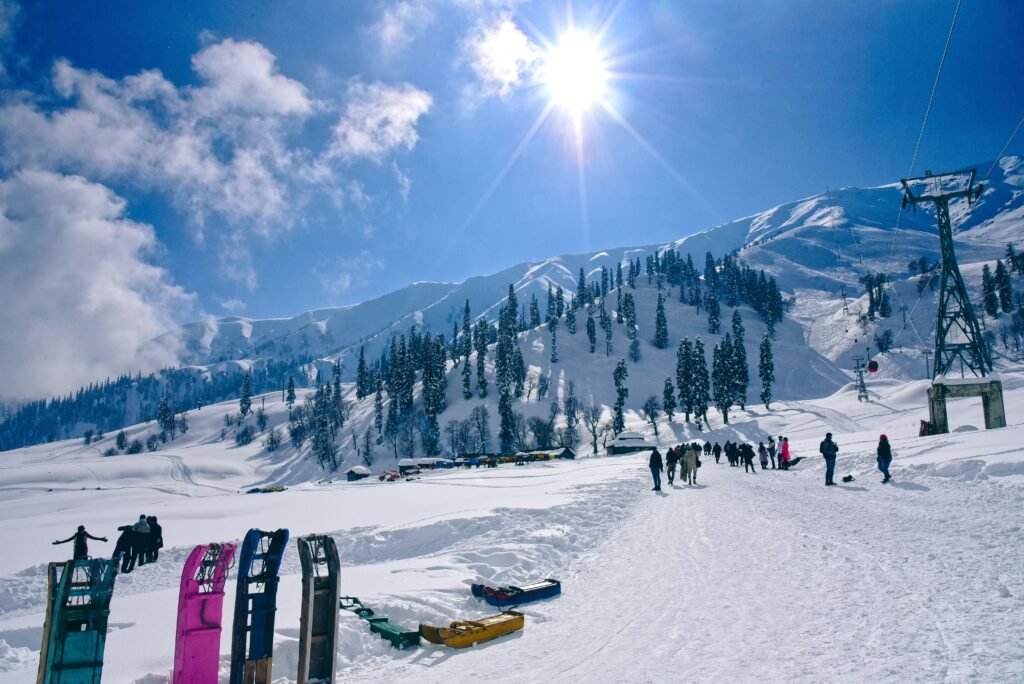
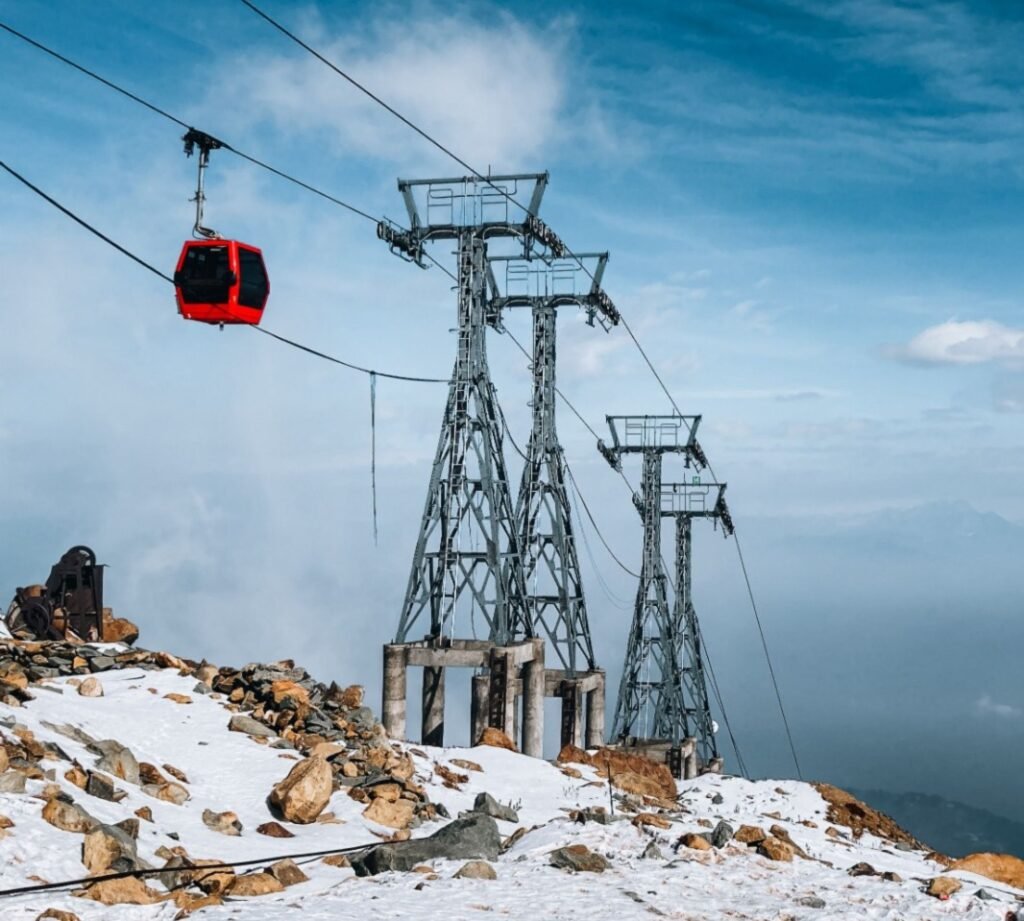
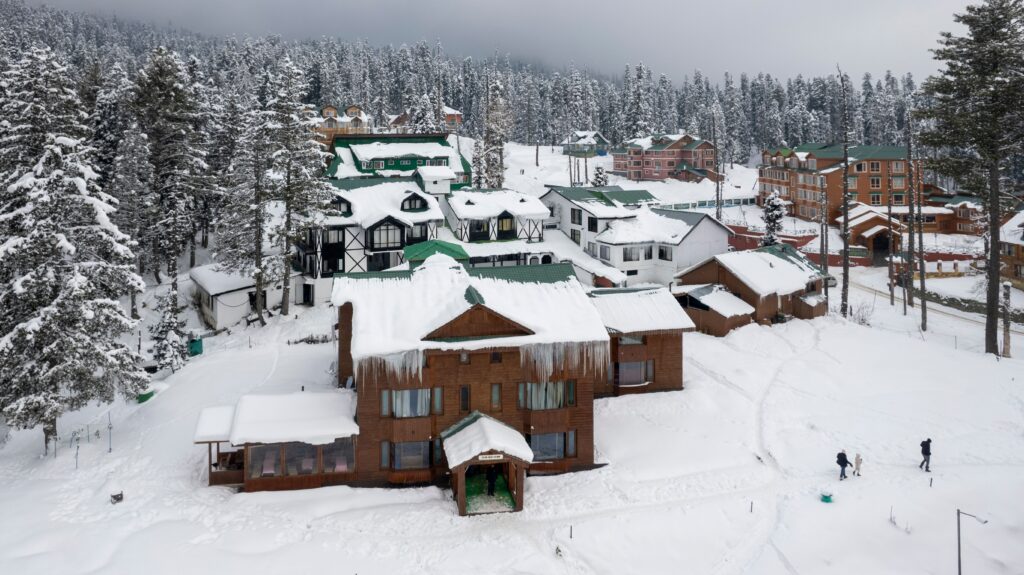
The best places to visit in Gulmarg in winter include the Gulmarg Gondola, Apharwat Peak, Khilanmarg, St. Mary’s Church, Maharani Temple, Gulmarg Golf Course and Strawberry Valley. Together, these places offer snow-covered landscapes, exciting winter activities and some of the most beautiful mountain views in India.  Read our complete guide to: Places to Visit in Gulmarg for more attractions around the hill station. When winter arrives, Gulmarg changes completely. Green meadows disappear under a thick white blanket of snow. Pine trees wear fresh snow, rooftops sparkle in the morning light and almost every corner looks like a postcard. Whether you love adventure or simply want to enjoy peaceful mountain views, Gulmarg has something for everyone. We have visited Gulmarg in different seasons, but winter always feels special. The silence after fresh snowfall, the sound of snow crunching under your boots and a warm cup of Kahwa after a cold day outside create memories that stay with you long after the trip ends. Why Visit Gulmarg in Winter? Winter usually lasts from December to March, with January and February bringing the heaviest snowfall. This is also the busiest season because travellers from across India and abroad come to enjoy skiing, snowboarding and the famous Gondola ride. If you are planning your holiday around snowfall, our guide to the Gulmarg skiing season explains when the snow arrives and when the season is at its best. The weather stays cold throughout the day. Temperatures often remain below freezing, especially during the night. If you carry warm clothes and waterproof shoes, exploring Gulmarg becomes comfortable and enjoyable. Many people visit only for skiing, but there is much more to see. Even if you never step onto a pair of skis, you can enjoy snowy forests, frozen landscapes, scenic viewpoints and peaceful walks. Best Places to Visit in Gulmarg in Winter 1. Gulmarg Gondola and Apharwat Peak The Gulmarg Gondola is the biggest attraction in winter. It is one of the highest cable cars in the world and takes you high into the snow-covered mountains. The first phase reaches Kongdoori, where many visitors enjoy snow activities and beginner-friendly skiing areas. The second phase climbs towards Apharwat Peak, nearly 4,200 metres above sea level. During winter, everything around you turns white. Snow-covered mountains stretch as far as you can see. If snowfall starts while you are at the top, the experience becomes even more magical. Watching soft snowflakes fall around you is something photographs can never fully capture. Before your visit, it is a good idea to read about the Gulmarg Gondola online booking process and understand the difference between Phase 1 vs Phase 2 so you can choose the right ticket. Quick Information Distance from Gulmarg Market: Starts within the town Time Needed: 2 to 4 hours Best Time to Visit: Morning for better visibility Entry Fee: Gondola tickets are charged separately for each phase. 2. Apharwat Peak Apharwat Peak is one of the most beautiful places in Gulmarg during winter. Thick snow covers the entire mountain, creating a landscape that looks untouched. This is also where many experienced skiers begin their runs. Even if you are not skiing, simply standing here and looking across the Pir Panjal range is worth the journey. On clear days, the views seem endless. Weather changes quickly at this altitude. Always check the conditions before travelling to the second Gondola phase. Quick Information Distance from Gulmarg: Accessible by Gondola Time Needed: 1 to 2 hours Best Time to Visit: Clear winter mornings Entry Fee: Included with Phase 2 Gondola ticket 3. Khilanmarg Khilanmarg looks very different in winter. The green meadow disappears beneath deep snow, creating a wide open playground for snow lovers. Many visitors come here for short snow walks, sledging and photography. If you enjoy peaceful places away from the busiest crowds, Khilanmarg is a lovely choice. The mountain views become even more impressive after fresh snowfall. Reaching Khilanmarg may involve walking through snow or taking a pony ride, depending on weather conditions. Quick Information Distance from Gulmarg: Around 6 km Time Needed: 2 to 3 hours Entry Fee: Free Best Time to Visit: Morning or early afternoon 4. Gulmarg Golf Course The Golf Course becomes completely different during winter. Instead of green grass, you will find a huge open field covered with soft snow. Families often come here to build snowmen, enjoy snowball fights and let children play freely. It is also one of the easiest places in Gulmarg to enjoy the snow without travelling to higher altitudes. If you visit after fresh snowfall, the scenery feels calm and almost untouched. Quick Information Distance from Gulmarg Market: Around 1 km Time Needed: 1 hour Entry Fee: Free for visitors exploring the area Best Time to Visit: Morning 5. St. Mary’s Church Covered in snow, St. Mary’s Church becomes one of the most photographed places in Gulmarg. The old stone building, colourful windows and snow-covered pine trees create a picture-perfect winter scene. The church is small, but its peaceful surroundings make it worth visiting. Many travellers stop here while walking through the town, especially during the morning when the area is quiet. Spend a few extra minutes outside and enjoy the calm atmosphere before moving to your next stop. Quick Information Distance from Gulmarg Market: Around 700 metres Time Needed: 30 to 45 minutes Entry Fee: Free Best Time to Visit: Morning 6. Maharani Temple The Maharani Temple stands on a small hill overlooking Gulmarg. During winter, the red roof stands out beautifully against the white snow, making it easy to spot from many parts of the town. The short climb to the temple is worth the effort. From the top, you get wide views of snow-covered forests, hotels and mountain slopes. Visit early in the day when the weather is usually clearer and the paths are less crowded. Quick Information Distance from Gulmarg Market: Around 500 metres Time Needed: 30 to 45 minutes Entry Fee: Free Best Time to Visit: Morning 7. Strawberry Valley Most

Places to Visit in Gulmarg in Winter: Top Snow Attractions & Scenic Spots Read More »

Apharwat (Phase 2) Skiing Slope in Gulmarg

Places to Visit in Gulmarg in Summer: Top Attractions & Scenic Spots

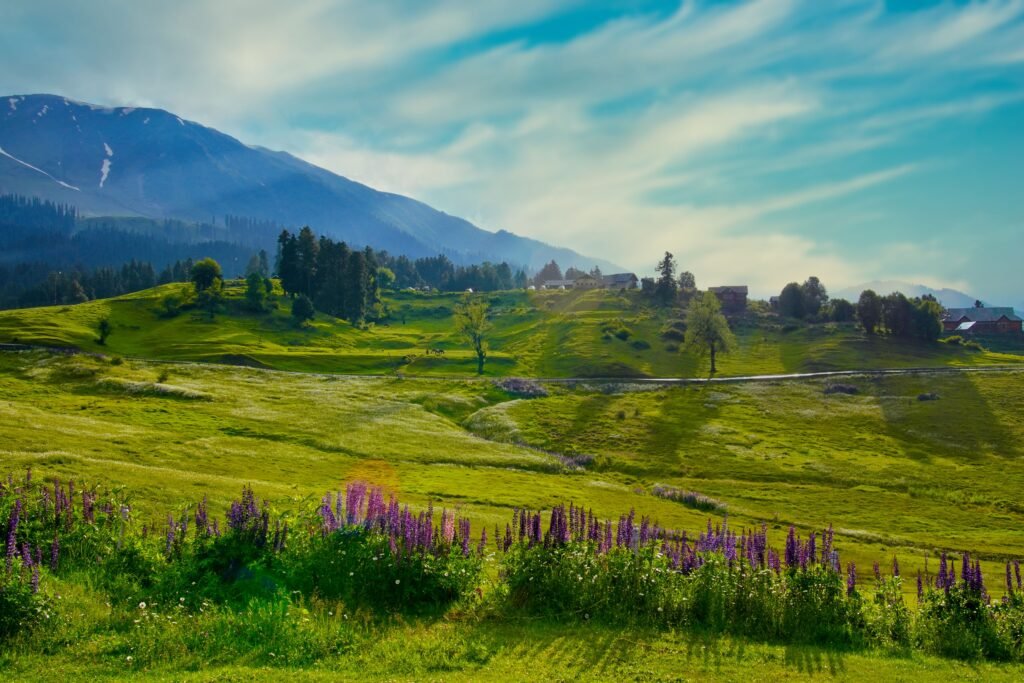
The best places to visit in Gulmarg in summer include the Gulmarg Gondola, Apharwat Peak, Khilanmarg, Alpather Lake, Strawberry Valley, Maharani Temple, St. Mary’s Church and Gulmarg Golf Course. Together, these attractions offer everything from snow-covered mountain views and flower-filled meadows to peaceful forests and easy walks, making Gulmarg one of India’s most rewarding summer destinations.  If you’re planning a longer holiday, read our guide to places to visit in Gulmarg for more attractions around the hill station. Most people know Gulmarg as India’s skiing capital, but summer completely changes its personality. As the snow melts, the slopes turn into green meadows dotted with colourful lupines, daisies and buttercups. Pine forests become pleasant walking trails, mountain streams run full after the snowmelt and the cool weather makes sightseeing enjoyable throughout the day. If you ask us, summer is when Gulmarg feels most relaxed. You don’t need to rush from one attraction to another. Instead, you can spend time soaking in the scenery, enjoying a cup of Kashmiri Kahwa and letting the mountains slow you down.  Before planning your trip, it’s worth reading our complete guide to Gulmarg in summer to understand what to expect during the season. Why Visit Gulmarg in Summer? Summer, which usually runs from May to September, is the most comfortable season for sightseeing. However, mid-May to early July is often considered the sweetest spot. The meadows are at their greenest, wildflowers bloom across the valleys and patches of snow still remain on the higher reaches of Apharwat Peak. Day temperatures generally stay between 13°C and 25°C, making it ideal for families, honeymooners and senior travellers. Roads remain open, most attractions are easily accessible and long daylight hours give you enough time to explore without feeling hurried. Unlike winter, you won’t spend your trip worrying about road closures or heavy snowfall. Instead, you can focus on enjoying nature, taking short hikes and discovering why Gulmarg is beautiful beyond the ski season. Best Places to Visit in Gulmarg in Summer 1. Gulmarg Gondola and Apharwat Peak The Gulmarg Gondola is the biggest highlight of any summer trip and easily ranks among the best places to visit in Gulmarg in summer. It is also one of the highest cable cars in the world, taking visitors from Gulmarg to the slopes of Apharwat Peak, which rises to nearly 4,200 metres above sea level. The first phase passes over rolling green meadows where horses graze peacefully and colourful flowers brighten the landscape. The second phase climbs towards Apharwat Peak, where snow often remains well into June and sometimes even July. Standing at the top while looking across the Pir Panjal range is an experience that stays with you long after the holiday ends. If the weather is clear, spend some time simply enjoying the mountain views instead of rushing back down. We have often found that the quiet moments at the top become the most memorable part of the day. Before your visit, must know about the Gulmarg Gondola in summer and Phase 1 vs Phase 2 of the Gondola to decide which ride suits your itinerary. Quick Information Distance from Gulmarg town: Starts within the main town Time Required: 2 to 4 hours Best Time to Visit: Early morning for clearer views.  Entry Fee: Gondola tickets are charged separately for each phase. Prices are revised from time to time, so follow the official Gondola online booking process before your trip. 2. Alpather Lake Alpather Lake is a beautiful high-altitude lake located at the foot of Apharwat Peak, around 13 kilometres from Gulmarg. Many visitors first ride the Gondola towards Apharwat and then continue towards the lake, depending on weather conditions and the accessibility of the trail. Even during summer, you may still see floating pieces of ice near the edges of the lake. The contrast between the blue water, rocky mountains and lingering snow creates one of the most dramatic landscapes around Gulmarg. The walk towards the lake requires some effort, but the peaceful surroundings make it worthwhile. There are no shops or cafés here, only fresh mountain air and complete silence broken by the occasional sound of the wind. Quick Information Distance from Gulmarg: Around 13 km Time Required: 3 to 5 hours Best Time to Visit: Late morning on a clear day Entry Fee: Free How to Reach: Via Gondola towards Apharwat Peak, followed by a trek or pony ride, depending on conditions. 3. Khilanmarg If someone asks us which viewpoint captures the beauty of Gulmarg in summer, Khilanmarg would be high on the list. This wide meadow opens up to spectacular views of snow-covered Himalayan peaks, while the grasslands below burst into colour with blooming lupines, daisies and buttercups. The route itself is part of the experience. You can either trek through the scenic trail or hire a pony if you prefer a relaxed journey. Along the way, you’ll pass small streams, open grasslands and grazing horses that make the landscape feel almost untouched. Many visitors spend only a few minutes here before heading back. We recommend slowing down. Sit on the grass, enjoy the cool breeze and take in the scenery without checking the time every few minutes. Quick Information Distance from Gulmarg: Around 6 km Time Required: 2 to 3 hours Best Time to Visit: Morning or late afternoon Entry Fee: Free Pony Charges: Prices vary depending on the season and negotiation. 4. Gulmarg Golf Course Even if golf isn’t your sport, this place deserves a place on your itinerary. Set at an altitude of about 2,650 metres, the Gulmarg Golf Course is among the highest green golf courses in the world. Tall pine trees surround the course, while the backdrop of distant mountains makes even a simple walk feel special. During summer, the lawns remain lush and beautifully maintained, attracting photographers as much as golfers. If you enjoy peaceful mornings, arrive early when the light is soft and the crowds are still small. Quick Information Distance from Gulmarg Market: Around 1 km Time

Places to Visit in Gulmarg in Summer: Top Attractions & Scenic Spots Read More »

Skiing In Gulmarg

Places to Visit in Gulmarg in 1 Day: The Perfect One-Day Itinerary

If you have only one day in Gulmarg, start early, prioritise the main attractions, and follow a well-planned route to experience the best of this beautiful hill station without feeling rushed. Gulmarg may look like a small mountain town on the map, but every corner offers a different experience.  One moment you’re gliding above pine forests in the Gondola, and the next you’re standing beside a quiet church surrounded by towering deodar trees. That’s why a little planning makes all the difference. Instead of trying to tick off every attraction, focus on the places that truly define Gulmarg. The good news is that Gulmarg is only about 50 km from Srinagar, and the drive usually takes 1.5 to 2 hours, depending on traffic and weather. That makes it one of the most popular day trips in Kashmir. If you’re travelling from Srinagar to Gulmarg transport options are easily available in Srinagar. If you leave Srinagar by 6:30 or 7:00 AM, you’ll have enough time to enjoy the highlights and still return before nightfall. One-Day Gulmarg Itinerary at a Glance Before diving into each attraction, here’s a quick overview of how your day can unfold. Time Place Time Needed 8:00 AM Arrive in Gulmarg and have breakfast 30-45 mins 9:00 AM Gulmarg Gondola to Phase 1 and, if possible, Phase 2 (Apharwat Peak) 3-3.5 hours 12:30 PM Lunch near the main market 45-60 mins 2:00 PM St. Mary’s Church 20 mins 2:30 PM Maharani Temple 20-30 mins 3:15 PM Golf Course and Gulmarg Meadows 1 hour 4:30 PM Optional pony ride or visit towards Khilanmarg 45-60 mins 6:00 PM Sunset and drive back to Srinagar   This itinerary works throughout the year. During winter, keep extra time for Gondola queues and snow activities. In summer, you’ll have more flexibility for walks through the meadows and nearby viewpoints.  Read our guide to the: best things to do in Gulmarg. Begin Your Day with the Gulmarg Gondola No list of Places to Visit in Gulmarg in 1 Day is complete without the Gulmarg Gondola. It is one of the highest cable cars in the world and easily the biggest attraction in the region. If you reach early, you’ll enjoy shorter queues, clearer mountain views, and a more relaxed start to your day.  You can also check the best time for a Gondola ride in Gulmarg before planning your visit. The ride begins above dense pine forests before opening up to sweeping views of the Pir Panjal range. Every few minutes the landscape changes, making the journey just as memorable as the destination itself.  At the time of writing, Gondola tickets generally cost around ₹900 per adult for Phase 1 and ₹1,250 per adult for Phase 2. Prices can change, so it’s always worth checking the latest rates on the official booking portal before your trip. Phase 1 or Phase 2: Which One Should You Choose? If time allows, visit both. Phase 1 takes you to Kongdoori, where you’ll find cafés, snow activities during winter, and spectacular mountain views. For many families and first-time visitors, this phase alone offers a complete Gulmarg experience. If you’re unsure which option suits your itinerary better, read our comparison of Gulmarg Phase 1 vs Phase 2. From Kongdoori, the second cable car climbs to Apharwat Peak, which sits at an altitude of nearly 4,000 metres. The scenery becomes more dramatic, with snow often remaining well into late spring. On clear days, the views stretch across the surrounding Himalayan ranges and leave little doubt about why this ride is considered the highlight of Gulmarg. Because of the higher altitude, walk slowly after getting off at Phase 2. Most visitors feel perfectly fine, but some may notice mild breathlessness. Drink enough water, avoid running uphill, and wear an extra layer because temperatures are usually much lower than in Gulmarg town. Heavy snowfall or strong winds can occasionally affect Gondola operations during winter. If that happens, don’t worry. Gulmarg still offers enough attractions to fill your day. Breakfast Before the Adventure Many travellers arrive directly from Srinagar, so breakfast often becomes the first stop. A hot meal is especially welcome in Gulmarg’s cool weather, even during summer. A cup of Kashmiri Kahwa paired with fresh local bread or a stuffed paratha is a simple but satisfying way to begin the day. Most cafés near the Gondola also serve sandwiches, omelettes and North Indian breakfast options. Keep your meal light if you’re taking the Gondola immediately afterwards. A lighter breakfast feels more comfortable when travelling to higher altitudes. Relax Over Lunch Before Exploring the Heritage Side of Gulmarg By the time you return from Apharwat Peak, you’ll probably have spent three to four hours outdoors. This is the right time to slow the pace and enjoy a proper meal instead of rushing to the next attraction. Restaurants near the market serve everything from Kashmiri Wazwan dishes to simple vegetarian thalis, rajma chawal, and North Indian curries. Budget travellers can comfortably eat for ₹300 to ₹500 per person, while larger restaurants naturally cost a little more. A relaxed lunch also gives your legs a break before you begin exploring Gulmarg’s quieter landmarks. Read here about the: best restaurants in Gulmarg for every budget. Visit St. Mary’s Church Your afternoon starts with one of Gulmarg’s most peaceful attractions. Built during the British era, St. Mary’s Church is a charming stone church surrounded by pine trees and neatly kept lawns. Unlike the busy Gondola area, this part of Gulmarg feels calm and unhurried. Spend fifteen or twenty minutes here, admire the old architecture, and take a short walk around the grounds. It isn’t a place where you’ll spend half the day, but it adds a different dimension to your itinerary and offers some lovely photographs. Continue to the Maharani Temple Just a short walk from the church stands the Maharani Temple, dedicated to Lord Shiva. Sitting on a small hill, the temple overlooks the town and offers wide views of the surrounding meadows and

Places to Visit in Gulmarg in 1 Day: The Perfect One-Day Itinerary Read More »

Monkey Hill Skiing Slope in Gulmarg

Best Time to Visit Gulmarg: Complete Seasonal Guide

If you are trying to figure out the best time to visit kashmir gulmarg, the honest answer is simple — it depends on whether you want snow, greenery, or calm mountain views. Gulmarg does not have one “perfect month”, it has four very different versions of itself across the year. Some months feel like walking inside a snow globe. Others feel like a green meadow opening up under blue skies. Once you understand this shift, your decision becomes easy and practical. Let’s break it down properly so you can choose the right time without confusion. Best Time to Visit Kashmir Gulmarg (Quick Answer First) The gulmarg best time to visit depends on your travel goal: For snow and skiing: December to February For green meadows and sightseeing: April to June For fewer crowds and clear views: September to November For budget travel: July to early September If you want the most complete experience, most travellers consider January and February the peak winter magic window, while May and June are the most comfortable for families. Gulmarg Weather by Season (With Real Temperature Range) This is where most travel guides go wrong — they avoid numbers. But temperature matters the most when planning your trip. Here’s a simple breakdown of kashmir valley best time to visit gulmarg based on actual seasonal weather patterns: Winter (December to February) Temperature: -4°C to 7°CHeavy snowfall in peak weeksRoads and rooftops fully covered in snow This is the real Gulmarg that people imagine. Snow walls, frozen pine trees, and ski tracks everywhere. Winter is also the heart of skiing culture here. Most travellers come specifically for snow sports, especially during peak ski flow when conditions are at their best.  Read this detailed guide on: Gulmarg Skiing Season helps you plan exact dates. Snow quality also changes through the season. January and February usually offer the best powder days, which directly impacts skiing experience explained in snow quality in Gulmarg. If you are a beginner, this is where most people get nervous. But Gulmarg actually has structured learning zones and instructors.  Spring (March to April) Temperature: 2°C to 15°CSnow starts meltingMix of white snow + green patches This is a transition phase. Mornings are cold, afternoons become softer. You still get snow in higher zones, but lower areas start turning green. Summer (May to June) Temperature: 11°C to 25°CGreen meadows fully openClear skies and stable weather This is the easiest and most comfortable travel season. This is also when most families explore viewpoints and relaxed sightseeing. If you are planning a gondola ride, timing matters a lot because weather visibility changes experience completely. The Gondola itself is one of the biggest attractions in Gulmarg, and booking it properly saves a lot of last-minute stress: Gulmarg Gondola booking guide. If you are wondering about different levels, Phase 1 and Phase 2 feel completely different in scenery and altitude.  Here’s a simple breakdown: Gulmarg Gondola Phase 1 vs Phase 2. Monsoon & Early Autumn (July to September) Temperature: 10°C to 20°CLight rain, misty viewsLess crowd, lower prices Not the most scenic season, but peaceful. Autumn (October to November) Temperature: 3°C to 14°CGolden brown landscapesCrisp air and clear visibility A hidden favourite for photographers. Month-Wise Breakdown: When Should You Actually Go? Instead of guessing seasons, this helps you plan better. December: Snow starts, early winter feel January: Peak snowfall, skiing season February: Best snow quality + stable weather March: Snow begins melting, fewer crowds April: Fresh greenery starts appearing May: Best mix of weather and scenery June: Peak tourist comfort season July: Light rain, quiet travel August: Cloudy but budget-friendly September: Clear skies return October: Golden autumn colours November: Cold returns, fewer tourists If someone asks directly for the best time to visit kashmir gulmarg, January–February and May–June are the strongest answers. What Winter in Gulmarg Actually Feels Like Winter in Gulmarg is not just cold — it is immersive. You step outside and everything turns silent under snow. Even walking feels like part of an adventure. This is also when skiing dominates the region, especially around Apharwat Peak and upper slopes. If you want to understand ski zones better, must know about the Gulmarg ski area map and slopes. Different zones offer different difficulty levels. Beginners usually start on easier slopes before moving higher. That’s why many travellers also check whether Gulmarg is suitable for first-timers. Even the skiing system is structured around progression — Phase 1 for learning, Phase 2 for advanced terrain via Apharwat side routes. Summer and Spring: The Comfortable Side of Gulmarg From April onwards, Gulmarg opens up like a completely different place. The snow melts, and green grass takes over.This is when families, honeymoon couples, and casual travellers prefer visiting. You can easily explore places like Khilanmarg Meadows, Maharani Temple, and the Gulmarg Golf Course. Weather stays stable, and you do not feel rushed or restricted. If winter is excitement, summer is comfort. That is why many consider this period the safest best time to visit kashmir gulmarg for first-time visitors. Autumn: The Most Underrated Season Autumn in Gulmarg feels slow and peaceful. Trees turn golden, and the sky becomes sharp and clear. There is a strange silence in the air during this season. Fewer tourists come, so you get more space and time to explore without rush. If you enjoy photography or quiet travel, this might secretly be your favourite kashmir valley best time to visit gulmarg window. Places Around Gulmarg You Should Not Miss Most competitors win rankings because they connect nearby experiences. Gulmarg is not just a destination, it is part of a larger Kashmir journey. When you plan your trip, also consider Srinagar, Pahalgam, and Sonamarg for a complete Kashmir experience. Conclusion Gulmarg does not give you one experience. It gives you four completely different landscapes in a single year. So instead of asking only about the best time to visit kashmir gulmarg, the better question is — do you want to walk on snow, grass, silence, or golden

Best Time to Visit Gulmarg: Complete Seasonal Guide Read More »

Skiing in Gulmarg in January

Gulmarg Snowfall Season 2025-26: When It Starts, How Deep It Gets

Gulmarg snowfall season usually starts in late November or December, gets deepest in February, and stays on the higher slopes until March or even April. If you are planning a trip to Gulmarg, this is the first thing you need to know. Not every winter month feels the same. The snow changes. The weather changes. Even the mood of the town changes. Many people think snow is snow. That is not how Gulmarg works. A trip in December can feel very different from a trip in February. One month may bring fresh snowfall every few days. Another may give you bright sunshine and easier travel. That is why picking the right month matters. It can shape your whole trip. Why Does Gulmarg Get So Much Snow? Gulmarg is not just another hill station. It sits high in the Pir Panjal mountains of Kashmir. The town itself is around 2,650 metres above sea level. The ski slopes climb much higher. Cold air stays around for most of winter. When winter storms reach Kashmir, the mountains help turn that moisture into snow. Storm after storm adds more snow to the mountain. This is one reason skiers from around the world come here. In a normal winter, Gulmarg receives around 12 to 14 metres of snowfall across the season. Some years get even more. If you visit in peak winter, you may see snow piled higher than cars. For many first-time visitors, that is hard to believe until they see it with their own eyes. The combination of altitude and weather patterns is one reason why many people consider Gulmarg among the best places to ski in India. When Does Snowfall Start in Gulmarg? Snow usually starts arriving between late November and mid-December. Some winters start early. A few snowfalls may arrive before December begins. Other winters take a little longer. That is normal in the mountains. The first snowfall changes everything. Green meadows disappear. Pine trees turn white. The whole town starts looking like a scene from a film. Visitors planning an early winter trip should also read about Gulmarg in November because snow conditions during that period can vary from year to year. But there is something many visitors do not realise. The first snowfall does not always mean the best skiing. The mountain needs time to build a deep snow base. That process continues through December and often into January. The wider Gulmarg skiing season normally becomes more reliable after the New Year. Snowfall in Gulmarg Skiing Season: Month-by-Month Guide Month Snow Conditions Best For December Early snow build-up Snow lovers, sightseeing January Deep and reliable snow Most skiers February Deepest snow of winter Powder skiing March Good snow higher up Beginners and families April Snow mainly at altitude Spring visitors The table gives a quick overview. Now let us look at each month in more detail. December: Winter Knocks on the Door December is the start of winter in Gulmarg. Fresh snow becomes more common. The town looks beautiful. Crowds are usually smaller than later in the season. Many families enjoy December because they can see snow without the busiest holiday rush. Hotels may also cost less than peak winter rates. The only catch is snow depth. Some years bring plenty of snow early. Other years take more time. If skiing is your main goal, January is often a safer choice. You can learn more about typical December snow conditions in Gulmarg before finalising your dates. Chillai-Kalan: Kashmir’s Deep Winter Ask a local about winter and you will hear the words “Chillai-Kalan.” This is the coldest 40-day period in Kashmir. It starts on 21 December and ends on 29 January. During this time, winter shows its full strength. Snowfall is often heavier. Nights become colder. Snow stays on the ground longer. For Gulmarg, this period helps build the deep snow that skiers wait for each year. January: The Mountain Turns White January is when Gulmarg begins to look like the photos you see online. Snowbanks grow beside roads. Roofs stay covered for days. Trees carry thick layers of snow. The second half of January is often a sweet spot. Snow is usually deep enough for great skiing. Yet the crowds are often smaller than February. Many experienced visitors quietly prefer this time of year.  February: The Deepest Snow If your dream is deep snow, February is hard to beat. By now, the mountain has collected snow for weeks. Fresh storms still arrive. Cold temperatures help keep the snow in good shape. This is usually when snow depth reaches its highest level. Skiers love February for this reason. The famous snow quality in Gulmarg is often at its best during this month. There is one trade-off. It is also the busiest month of winter. Hotels fill faster. Ski lessons get booked earlier. Prices can be higher too. How Deep Does the Snow Get? This is the question most travellers ask. In Gulmarg town, snow can often reach one to three metres during a good winter. Some snowbanks become even higher after roads are cleared. Higher up the mountain, the numbers increase. Near Apharwat Peak Phase 2 skiing terrain, snow depths of two to five metres are common during peak season. In some spots, strong winds can create even deeper drifts. That is why upper slopes often stay snowy long after lower areas begin warming up. The higher Gulmarg ski altitude plays a huge role in preserving snow quality. Is Heavy Snowfall Always Good? Most visitors love fresh snow. It is the reason they come. But heavy snowfall can sometimes slow things down. Roads from Srinagar may take longer to clear. Visibility can drop during storms. Gondola operations may pause if weather becomes severe. This does not happen every day. Still, it is wise to keep some flexibility in your travel plans. Before travelling, many visitors check the latest information about Srinagar to Gulmarg road conditions during winter. A spare day in your itinerary can save a lot of stress.

Gulmarg Snowfall Season 2025-26: When It Starts, How Deep It Gets Read More »

Monkey Hill Skiing Slope in Gulmarg

Best Time to Visit Gulmarg for Skiing (2026 Guide): Month-by-Month Breakdown

The best time to visit Gulmarg for skiing is from late January to late February, when snow cover is most reliable, powder conditions are usually at their best, and most ski terrain is accessible. That said, the best month for you may not be the best month for someone else. A beginner taking ski lessons has very different priorities from an experienced skier looking for fresh powder near Apharwat. Some travellers want the deepest snow possible. Others simply want a fun winter holiday with good weather and fewer crowds. The right choice depends on what matters most to you. Before booking flights and hotels, it helps to understand how the overall Gulmarg skiing season changes through the winter months. Why Choosing the Right Month Matters Many first-time visitors assume that if there is snow in Gulmarg, skiing will be great throughout winter. In reality, snow conditions can change a lot between December and March. Gulmarg sits at about 2,650 metres, while the upper ski terrain near Apharwat rises to nearly 4,000 metres. This high altitude helps preserve snow, but the amount of snowfall and the quality of skiing still vary from month to month.  A trip planned two weeks later can sometimes offer a completely different experience. That is why timing is often the most important decision you make. If you want a deeper understanding of how powder develops through the season, read snow quality in Gulmarg and how it compares with other ski destinations. Best Time to Ski Gulmarg: Quick Comparison Month Snow Quality Crowds Cost Best For December Unpredictable Low Lower Flexible travellers January Good to excellent Medium Moderate Most skiers February Excellent High Highest Powder seekers March Good Medium Moderate Beginners April Variable Low Lower Spring skiing If you are unsure, aim for the period between 20 January and 25 February. That window delivers the best balance of snow quality and reliability in most years. December: Worth the Risk? December marks the start of the ski season, but it can be unpredictable. Some years receive heavy snowfall early. Other years take longer to build a solid base. Because Gulmarg depends on natural snow, conditions during December are never guaranteed. The biggest advantage is value. Hotels often charge less than peak-season rates, and the slopes feel quieter. If your dates are flexible, December can work well. If skiing is the main reason for your trip, most people are better off waiting until January. January: The Season Settles In January is when Gulmarg begins to deliver the skiing experience most visitors expect. By the middle of the month, snow coverage is usually much stronger. The mountain develops a deeper base, and more terrain becomes skiable. Fresh snowfall is common, especially during the second half of the month. Many regular visitors quietly prefer late January over February. Snow conditions are often excellent, yet crowds are slightly smaller. Cold temperatures can feel intense, especially if you are arriving from cities like Mumbai, Chennai, or Bengaluru. The upside is that colder weather helps keep the powder light and dry. February: The Peak of the Season For many skiers, February is the best time to visit Gulmarg for skiing. By now, snow has been building for weeks. The mountain usually has its deepest snowpack of the season. This is the month when Gulmarg skiing earns its reputation as one of Asia’s best powder destinations. Advanced skiers especially love February. Off-piste skiing in Gulmarg becomes far more rewarding during this period because fresh snowfall often refreshes the mountain throughout the month. There is a trade-off, though. February is also the busiest period. You should expect: Higher hotel prices More visitors Greater demand for ski rentals Earlier booking requirements Most people feel the snow quality makes these compromises worthwhile. March: A Smart Choice for Beginners March deserves far more attention than it gets. Many travellers assume skiing is over once February ends. That is rarely the case. Good snow often remains on higher slopes throughout much of March. The weather becomes friendlier. Days are longer and temperatures are more comfortable. This makes a noticeable difference when you spend several hours learning basic ski skills. A beginner who falls twenty times in March usually has a better day than a beginner who falls twenty times in freezing January conditions.  Read the complete guide on: how to learn skiing in Gulmarg  Understanding the Gulmarg Gondola The Gondola plays a huge role in your skiing experience. When people talk about skiing in Gulmarg, they are usually referring to terrain accessed through the Gondola system. If this is your first visit, it is must to check the Gulmarg Gondola online booking before finalising your plans. Understanding the two phases helps you choose the right time to visit. Phase 1 Phase 1 connects Gulmarg to Kongdoori. This section is suitable for: Beginners Intermediate skiers Ski lessons Short practice runs Even when weather is poor, Phase 1 often operates more regularly than higher lifts. Many first-time visitors spend most of their time around Kangdoori Phase 1 skiing terrain before progressing further up the mountain. Phase 2 Phase 2 climbs towards Apharwat Peak at nearly 4,000 metres. This is where many advanced skiers spend their time. Snow remains colder here, and powder conditions often last longer than on lower slopes. Those planning to ski higher terrain should understand what Apharwat Peak Phase 2 skiing involves before heading up. Heavy snowfall or strong winds can occasionally affect operations. For that reason, spending several days in Gulmarg is usually better than planning a rushed two-day visit. Which Month Should You Choose? The easiest way to decide is to match your goals with the month. Choose February if deep powder is your top priority. Choose late January if you want a balance of good snow and slightly smaller crowds. Choose March if you are learning to ski and prefer milder weather. Choose December only if you are comfortable with changing snow conditions. Most visitors fall into the second category. They want reliable snow without

Best Time to Visit Gulmarg for Skiing (2026 Guide): Month-by-Month Breakdown Read More »

Apharwat (Phase 2) Skiing Slope in Gulmarg

Gulmarg Phase 2 Temperature by Month: Skier’s Weather Guide

If you are planning to ski in Gulmarg, expect Gulmarg Phase 2 temperature to range from around 5°C in summer to below -20°C during winter storms, with the coldest months being January and February. Most first-time visitors focus on snowfall, but temperature matters just as much. It affects snow quality, visibility, lift operations, clothing choices, and even how long you can comfortably stay outdoors. A perfect powder day can feel magical. The wrong clothing on a windy day at Phase 2 can make even experienced skiers rush back down. This guide explains what temperatures you can expect each month at Gulmarg Phase 2 and how those conditions affect skiing.  If you are still deciding when to visit, our guide to the Gulmarg skiing season explains how conditions change throughout winter. Understanding Gulmarg Phase 2 Weather Phase 2 refers to the upper section of the Gondola that reaches close to Apharwat Ridge at about 3,950 metres. The weather here is very different from Gulmarg town. If you are new to the mountain, it helps to understand the difference between Gulmarg Phase 1 vs Phase 2 before planning your ski days. Many travellers check the temperature in Gulmarg village and assume conditions will be similar at the top. That is rarely the case. The higher altitude makes Phase 2 much colder, windier, and more exposed. On some winter mornings, you may leave your hotel in pleasant weather and arrive at Phase 2 facing strong winds, blowing snow, and temperatures that feel far below the official reading. That is why understanding the Apharwat temperature monthly Gulmarg Phase 2 skiing conditions is important before packing or booking your trip. The effect becomes easier to understand once you know the actual Gulmarg ski altitude and how rapidly weather changes with elevation. Gulmarg Phase 2 Temperature by Month December December marks the start of the main winter season. Early snowfall usually begins building the base needed for skiing. Temperatures at Phase 2 generally range between -5°C and -15°C. Fresh snow becomes more frequent during the second half of the month. You will often find soft powder after storms. Weather can still be unpredictable because winter is just settling in. Travellers planning an early-season visit should also check the latest updates on the Gulmarg snowfall season before booking. January January is usually the coldest month on Apharwat. Temperatures often stay between -10°C and -20°C, though storm systems can push the perceived temperature much lower because of wind chill. This is when Gulmarg delivers some of its best powder skiing. Snow remains dry and light because temperatures stay well below freezing. snow quality in Gulmarg is thick as compare its powder favourably with famous international resorts. Many experienced skiers consider January the sweetest spot for deep powder days. February February remains very cold but often brings more stable weather windows. Typical temperatures range from -8°C to -18°C. Snowfall remains frequent. Powder quality stays excellent. Visibility often improves between storms, making it one of the most popular months for advanced skiers and snowboarders. If someone asks us for one month that balances snow quality and ski access, February usually gets our vote. You can also read our complete guide to Gulmarg in February to understand what conditions look like throughout the month. March March starts the transition towards spring. Temperatures generally range between -5°C and -12°C. The snowpack is usually deep by this stage. Longer daylight hours make skiing more comfortable. Fresh powder still arrives, though warmer afternoons can slightly change snow texture on sunny slopes. Many visitors enjoy March because it feels less harsh than January while still offering strong skiing conditions. Those considering a late-season trip should explore our guide to Gulmarg in March for a more detailed breakdown. April April surprises many first-time visitors. While spring has arrived in much of India, Phase 2 can still remain snowy and cold. Temperatures commonly range from -2°C to -8°C. Morning skiing often delivers firm snow. As the day warms, some slopes become softer and easier to ski. This creates enjoyable conditions for intermediate skiers. May The ski season usually winds down during May. Temperatures often range between 0°C and 5°C. Snow coverage begins shrinking quickly. Some higher sections may still hold snow, but skiing opportunities become limited. Most visitors during this period come for sightseeing rather than skiing. June to August Summer takes over the mountain. Temperatures generally stay between 2°C and 10°C. Snow remains only in isolated patches near the highest ridges. Green meadows dominate lower elevations while the upper mountain feels cool and pleasant. This period attracts trekkers, photographers, and tourists rather than skiers. If you are visiting outside winter, you may enjoy reading about the famous Gulmarg Gondola in summer and what the mountain looks like without snow. September September brings crisp mountain weather. Temperatures usually range between 0°C and 8°C. The landscape remains largely snow-free. Nights become noticeably colder as winter slowly approaches. You can often enjoy some of the clearest mountain views during this period. October October signals the beginning of colder conditions. Temperatures commonly range from -2°C to 6°C. Occasional early snowfalls may appear on higher slopes, though they rarely create skiable terrain. The mountain starts preparing for winter once again. November November acts as the bridge between autumn and winter. Temperatures generally range between -4°C and 3°C. Snowfall becomes more frequent toward the end of the month. Skiers begin closely watching forecasts as the new season approaches. Some years see impressive early snow. Other years require patience until December. How Temperature Affects Skiing Conditions Many people think more snow automatically means better skiing. The reality is more nuanced. Temperature directly shapes the snow surface you ski on. Very cold temperatures create light, dry powder that many advanced skiers dream about. Slightly warmer temperatures create softer snow that can feel easier for beginners. When temperatures rise above freezing for long periods, snow becomes heavier and wetter. The best skiing conditions often happen when temperatures remain comfortably below freezing without severe storms

Gulmarg Phase 2 Temperature by Month: Skier’s Weather Guide Read More »

Skiing In Gulmarg

Best Ski Helmet for Gulmarg: Safety, Fit & Where to Rent

The best ski helmet for Gulmarg is one that fits well, feels comfortable all day, and meets proper safety standards. If you are skiing in Gulmarg skiing conditions, a helmet is one piece of gear you should never skip. Many first-time visitors spend a lot of money on jackets, gloves, and ski lessons. Then they rent the first helmet they see without checking the fit. That is not a good idea. A helmet protects your head when you fall, and almost everyone falls while learning. The good news is that you do not need to spend thousands of rupees on a fancy helmet. A simple, well-fitting helmet can do its job very well. Why a Ski Helmet Matters in Gulmarg Gulmarg is famous for deep snow, long ski runs, and big mountain terrain. While the soft powder helps cushion some falls, it does not remove the risk of injury. Most ski accidents happen at slow speeds. A beginner may lose balance while getting off a lift. Another skier may fall while turning. Even a simple backward fall can result in a hard hit to the head. We have seen new skiers laugh after a fall because their helmet absorbed the impact. Without that protection, the same fall could have ended their holiday. That is why many instructors strongly recommend helmets for all skiers, no matter their skill level. Read here the complete guide on how to ski for the first time, which helps you understand basic safety before you hit the slopes. What Makes the Best Ski Helmet Gulmarg Visitors Should Use? The best helmet is not always the most expensive one. A helmet should sit low on your forehead and stay in place when you move your head. It should feel snug but not painful. If it moves around easily, it is probably too big. Look for these features: Good fit without pressure points Adjustable size dial Warm inner padding Air vents for comfort Strong chin strap Safety-certified design Your goggles should also fit neatly against the helmet. Large gaps can let cold air enter and  make skiing less comfortable. For better eye protection in snow and wind, many skiers also use proper gear like ski goggles for Gulmarg, especially during heavy snowfall days. Fit Matters More Than Brand Many visitors ask if they should buy a famous international brand. In our experience, fit matters much more. Think about buying shoes. A costly shoe that does not fit properly will still hurt your feet. Helmets work the same way. Before renting or buying, wear the helmet for a few minutes. Turn your head from side to side. Bend forward slightly. The helmet should stay in place without sliding around. A comfortable helmet is more likely to stay on your head all day. Should You Rent or Buy a Helmet? This is one of the most common questions people ask before visiting Gulmarg. If this is your first ski trip, renting usually makes sense. You save money and avoid carrying bulky gear while travelling. Buying becomes a better option if you ski regularly. A simple rule works well: First ski trip: Rent One trip every few years: Rent Skiing every winter: Buy Planning many ski holidays: Buy Many skiers start with rentals and later purchase their own equipment once they know they enjoy the sport.  Read this complete detailed guide on Gulmarg skiing season when it opens, closes & peaks can help you choose the right time. Where Can You Rent a Gulmarg Ski Helmet? Finding a helmet in Gulmarg is usually easy during the ski season. Many rental shops near the Gondola area offer helmets, skis, boots, and goggles. Several ski schools also provide helmets as part of beginner lesson packages. Popular providers often mentioned by visitors include Gulmarg Snow Experts, SkiGulmarg, and other rental shops located near the Gondola base area. Before accepting a rental helmet, always inspect it carefully. Check for: Cracks in the outer shell Broken buckles Loose straps Missing padding Signs of heavy damage A good shop will happily let you inspect the equipment before renting. If you want to understand how rental setups work in detail, you can also explore this guide on ski rental in Gulmarg. What Does Helmet Rental Cost in Gulmarg? Helmet rental is usually one of the cheaper parts of a ski holiday. Prices change from season to season, but most visitors can expect: Helmet only: ₹200 to ₹500 per day Helmet and goggles together: ₹300 to ₹700 per day Full ski equipment package: Often ₹700 to ₹1,500+ per day Peak holiday dates can sometimes push prices higher. It is always worth asking whether the helmet is included in a package before paying. A package deal often costs less than renting each item separately. For a full breakdown of overall expenses, this guide on Gulmarg skiing price 2026 full cost breakdown gives a clearer idea of total trip budgeting. Helmet Skiing Gulmarg Safety Tips A helmet helps protect your head, but only when worn properly. Many people make simple mistakes that reduce its effectiveness. Avoid these common errors: Wearing a loose helmet Leaving the chin strap open Using a damaged helmet Renting the wrong size Wearing a cycling helmet for skiing If something feels uncomfortable on your first run, stop and adjust it. A few minutes of adjustment can make a big difference. Also remember that proper clothing matters. A good helmet works best with proper winter wear like this guide on what to wear for skiing in Gulmarg. Important Safety Gear for Phase 2 and Off-Piste Skiing Many visitors think a helmet is the only safety gear they need. That is true for most beginner slopes. However, advanced skiing near Apharwat and off-piste terrain is different. In higher areas linked with Gulmarg Phase 2 skiing, experienced skiers and guides often carry: Avalanche transceiver Probe Shovel These tools help during avalanche emergencies. A helmet remains important, but it cannot replace avalanche safety equipment. If you plan to explore higher

Best Ski Helmet for Gulmarg: Safety, Fit & Where to Rent Read More »

Skiing In Gulmarg

Gulmarg Ski Altitude: What It Really Feels Like From 2,650m to Nearly 4,000m

The Gulmarg ski altitude starts at about 2,650 metres (8,694 feet) in Gulmarg town and goes up to almost 4,000 metres (13,000+ feet) near Apharwat Peak. Most people can ski here without any problem, but they do feel the thinner air, especially at higher points on the mountain. If you are planning your first ski trip to Gulmarg skiing, you may be wondering if the altitude will affect you. The honest answer is yes, but usually in a small and manageable way. You may get tired faster, breathe a little harder, or feel a mild headache on your first day. The good news is that most people adjust quickly. Once your body gets used to the height, skiing becomes much more comfortable. Gulmarg Ski Altitude Explained Simply One thing confuses many visitors. They often see different altitude numbers online and wonder which one is correct. The truth is that Gulmarg skiing happens at different heights. You start in Gulmarg town, then move higher on the Gondola, and many skiers go even higher towards Apharwat. Here are the main skiing elevations: Gulmarg Town: Around 2,650m (8,694 ft) Kongdoori, Gondola Phase 1: Around 3,050m (10,006 ft) Apharwat Area, Gondola Phase 2: Around 3,950m to 4,000m+ (12,960 to 13,500+ ft) This is why two skiers can have very different experiences in Gulmarg. One may spend the day near the town. Another may ski close to 4,000 metres.  Compare Gulmarg Phase 1 vs Phase 2 that explains the differences in detail. What Does the Altitude Feel Like? Most people notice the altitude when they start moving around. You may walk uphill with your ski boots and feel out of breath. You may carry your skis for a few minutes and feel more tired than usual. Even simple tasks can take a little more effort. This happens because there is less oxygen in the air. Don’t worry if this happens to you. It happens to many visitors, even those who are fit and active. Your body simply needs some time to adjust. During our visits to Gulmarg, we have often seen people arrive full of energy. They want to ski as soon as they reach the resort. By evening, they feel tired and decide to rest. The next day, they usually feel much better. That is how altitude works for most people. Why the Gondola Makes a Big Difference The famous Gulmarg Gondola is one reason why skiing here feels special. Before travelling, it is worth learning about the official Gondola booking process so you can avoid last-minute surprises. It is not just a ride to the slopes. It takes you high into the mountains where the air becomes thinner. Gondola Phase 1: Gulmarg to Kongdoori Phase 1 takes you from Gulmarg town to Kongdoori at around 3,050 metres. The ride takes about 8 to 10 minutes. Many beginners and intermediate skiers spend time here. In fact, Kangdoori Phase 1 skiing is where many first-time visitors learn the basics and build confidence. At this height, some visitors notice: Faster breathing Dry lips Mild tiredness Slight headaches Most people still feel comfortable and enjoy their day. Gondola Phase 2: Kongdoori to Apharwat Phase 2 takes you much higher. It climbs to nearly 4,000 metres near Apharwat Peak. This is where many of Gulmarg’s famous powder runs begin. The views are amazing. On a clear day, the mountains seem to stretch forever. Much of the advanced terrain around Apharwat Peak skiing sits at these higher elevations. You will also notice the altitude more here. Walking through deep snow can leave you short of breath. Even standing and adjusting your skis may take a little extra effort. This is normal because the air contains less oxygen. Gulmarg Height Feet Skiing Acclimatization Many people hear the word acclimatization and think it sounds complicated. It is actually very simple. Acclimatization means giving your body time to get used to the altitude. The biggest mistake visitors make is trying to do too much on the first day. They arrive in Gulmarg and rush straight to the slopes. A better plan is to take it easy. You can: Rest after arriving Drink plenty of water Eat regular meals Avoid too much alcohol Get a good night’s sleep Your body will thank you for it the next day. Can You Get Altitude Sickness in Gulmarg? Yes, but most cases are mild. Altitude sickness is often called AMS, which stands for Acute Mountain Sickness. It can happen when you go to a high place too quickly. Common signs include: Headache Dizziness Nausea Poor sleep Feeling unusually tired Most people feel better after resting and drinking water. If symptoms become severe or keep getting worse, you should seek medical help. The best way to avoid AMS is to give yourself time to adjust. Following good avalanche safety in Gulmarg practices is also important when skiing at higher elevations. Who Should Be More Careful? Most healthy adults can ski in Gulmarg without any serious problems. Still, some people should take extra care. This includes visitors with: Serious heart problems Lung diseases A history of altitude sickness Recent breathing illnesses If you have a medical condition, speak with your doctor before travelling. This is especially important if you plan to ride Gondola Phase 2 near Apharwat, where the altitude is much higher. You can learn more about the exact Gulmarg Phase 2 height before deciding how high you want to go. Does Altitude Affect Skiing? Yes, it does. You may feel tired sooner than expected. You may need more breaks during the day. Recovery between ski runs can also take longer. Many beginners think they are not fit enough when they get tired quickly. In reality, the altitude is often the main reason. The good news is that most skiers adapt within a day or two. Once your body settles in, skiing feels much easier.  If you are completely new to the sport, our guide on how to learn skiing in Gulmarg can help you prepare.

Gulmarg Ski Altitude: What It Really Feels Like From 2,650m to Nearly 4,000m Read More »

Mary’s Shoulder Skiing Slope in Gulmarg

Skiing Courses in India: Gulmarg vs Auli vs Narkanda

If you want the best skiing course in India, choose Gulmarg. If you are learning for the first time, Auli is often the easier choice. If you want a simple and low-cost trip, Narkanda can be a good option. Many people want to learn skiing but do not know where to start. They hear about Gulmarg, Auli, and Narkanda. Then they get confused about which place is best. The truth is that all three places are good. But they are good for different reasons. Some people want a proper ski course. Some want a family holiday with snow. Others just want to try skiing for a few days. Before you spend your money, it helps to know what each place offers. Skiing Courses in India: Quick Comparison Feature Gulmarg Auli Narkanda Best For Serious Ski Learning Beginners Budget Learners Snow Quality Excellent Good Good Ski Schools Many Good Number Few Course Options Basic to Advanced Mostly Beginner Limited Cost High Medium Low Crowd High Medium Low If you want one quick answer, Gulmarg is best for serious skiing. Auli is best for most beginners. Narkanda is best for people on a tight budget. Why Gulmarg Is India’s Top Ski Training Centre Gulmarg is home to the Indian Institute of Skiing and Mountaineering, also known as IISM. This institute has trained skiers for many years. It is one of the most well-known ski training centres in India. Many ski coaches and guides have learned here. That is one reason Gulmarg skiing has such a strong reputation among skiers. The snow also helps. Gulmarg gets heavy snowfall every winter. If you want to understand the exact Gulmarg skiing season and the best months for training, it is worth checking before booking a course. Fresh powder snow is common in January and February. Skiers from India and other countries visit for this reason. The mountain is large. There are easy slopes for beginners and harder slopes for skilled skiers. You can continue learning here even after your first ski course ends. Courses You Can Find in Gulmarg Most ski schools offer: Basic skiing courses Intermediate skiing courses Advanced skiing courses Snowboarding lessons Private coaching Group training Many courses last between 5 and 14 days. If you are completely new to the sport, must know how to learn skiing in Gulmarg can help you understand what your first few days on snow will look like. Why Many Beginners Choose Auli Auli is often the easiest place to learn skiing. The slopes are gentler. The atmosphere feels calmer. New skiers usually feel less nervous here. We once met a family from Delhi in Auli. None of them had touched skis before. By the third day, they were making small turns and smiling all the way down the slope. That is what Auli does well. It helps beginners build confidence. Many instructors here focus on first-time skiers. Lessons move at a comfortable pace. You do not feel rushed. For many people, that makes learning much more enjoyable. Is Narkanda Good for Ski Courses? Yes, but only for certain people. Narkanda gets good snow in winter and has beginner-friendly slopes. The main difference is that it has fewer ski schools and fewer course options. You will not find the same training setup that you get in Gulmarg. You will not find as many instructors as you find in Auli. Still, Narkanda works well if you want a short ski trip. It is also a good choice if you want to spend less money. If you are comparing destinations before booking, our detailed guide on Gulmarg vs Narkanda skiing explains the differences in terrain, snow, and learning opportunities. Narkanda Is Best For First-time skiers Weekend trips School groups Budget travellers Families If your goal is professional ski training, Gulmarg is usually a better choice. What About Ski Institutes? Many people searching for skiing courses in India want to know about real training institutes. A few names stand out. Indian Institute of Skiing and Mountaineering (IISM) Located in Gulmarg, this is one of India’s most famous ski training centres. It offers structured courses and trained instructors. Many people see it as the top ski institute in the country. ABVIMAS, Manali The Atal Bihari Vajpayee Institute of Mountaineering and Allied Sports is another respected training centre. It offers outdoor and snow sports courses throughout the year. Nehru Institute of Mountaineering (NIM) Located in Uttarkashi, NIM is known for mountain training. It also runs snow and winter skill programmes. These institutes follow proper training systems. That is why many learners trust them. How Much Do Skiing Courses Cost? Prices change every season. The final cost depends on the course, hotel, equipment, and instructor. As a rough guide: Narkanda: ₹8,000 to ₹20,000 Auli: ₹15,000 to ₹40,000 Gulmarg: ₹25,000 to ₹70,000+ Always check what is included. Some packages include gear, meals, and stay. Others charge extra for these things. A cheap package may not stay cheap once extra costs are added. For a detailed breakdown of accommodation, rentals, lift tickets, and coaching fees, see this guide on Gulmarg skiing price 2026. Which Place Has Better Coaches? Gulmarg usually has the largest number of experienced instructors. This is because skiing has been popular there for many years. Many coaches work there every winter. You can choose from group classes, established ski schools, or even a private skiing instructor in Gulmarg if you want faster progress. Auli also has good instructors. Most of them focus on helping beginners. Narkanda has fewer coaches because the ski scene is smaller. No matter where you go, a good instructor can make a huge difference. Learning becomes faster, safer, and much more fun. Safety Tips for New Skiers Many beginners worry about falling. That is normal. Almost everyone falls while learning. The important thing is to stay on slopes that match your skill level. Listen to your instructor. Wear the right safety gear. A good jacket, gloves, helmet, and proper ski equipment in Gulmarg can make your learning

Skiing Courses in India: Gulmarg vs Auli vs Narkanda Read More »