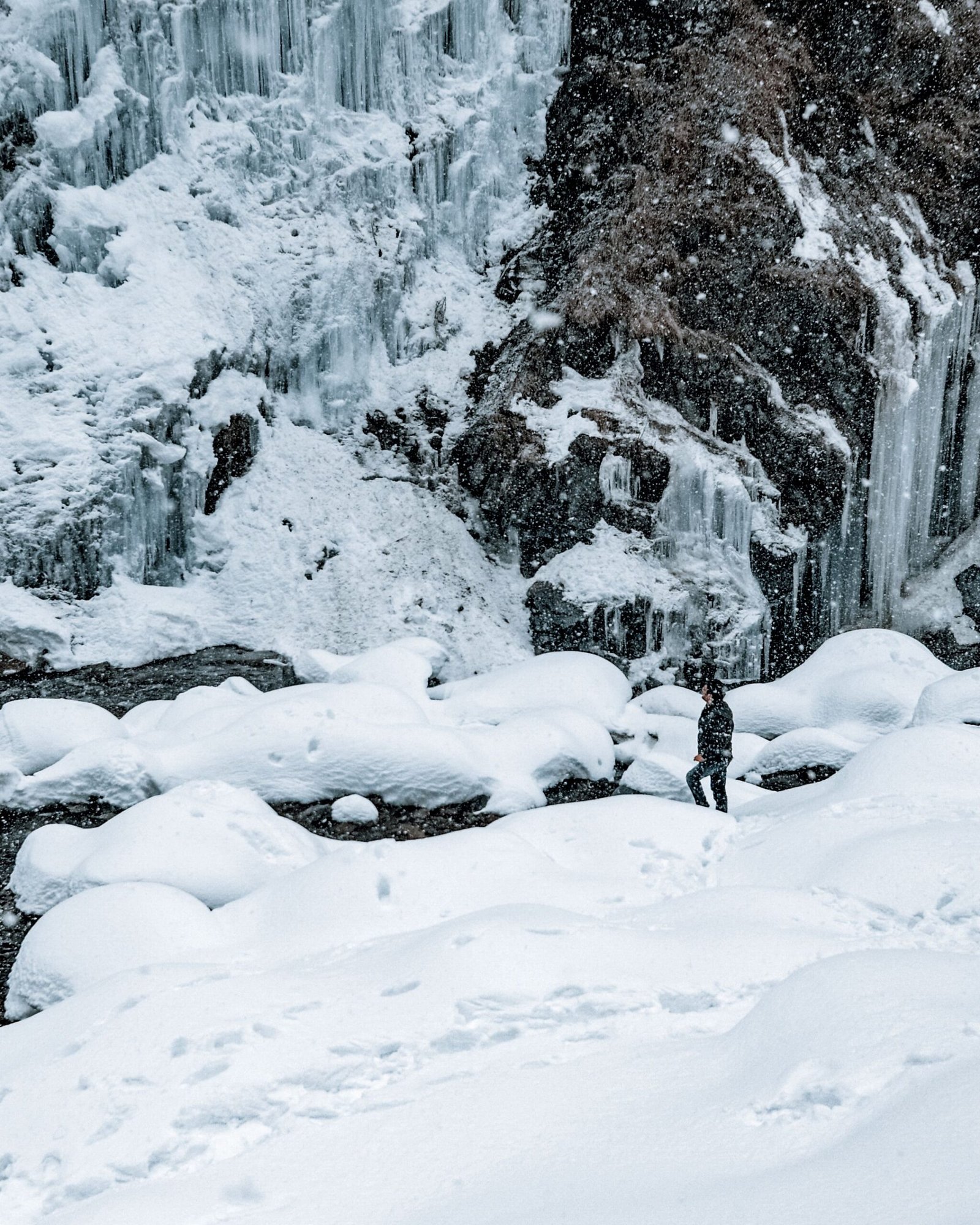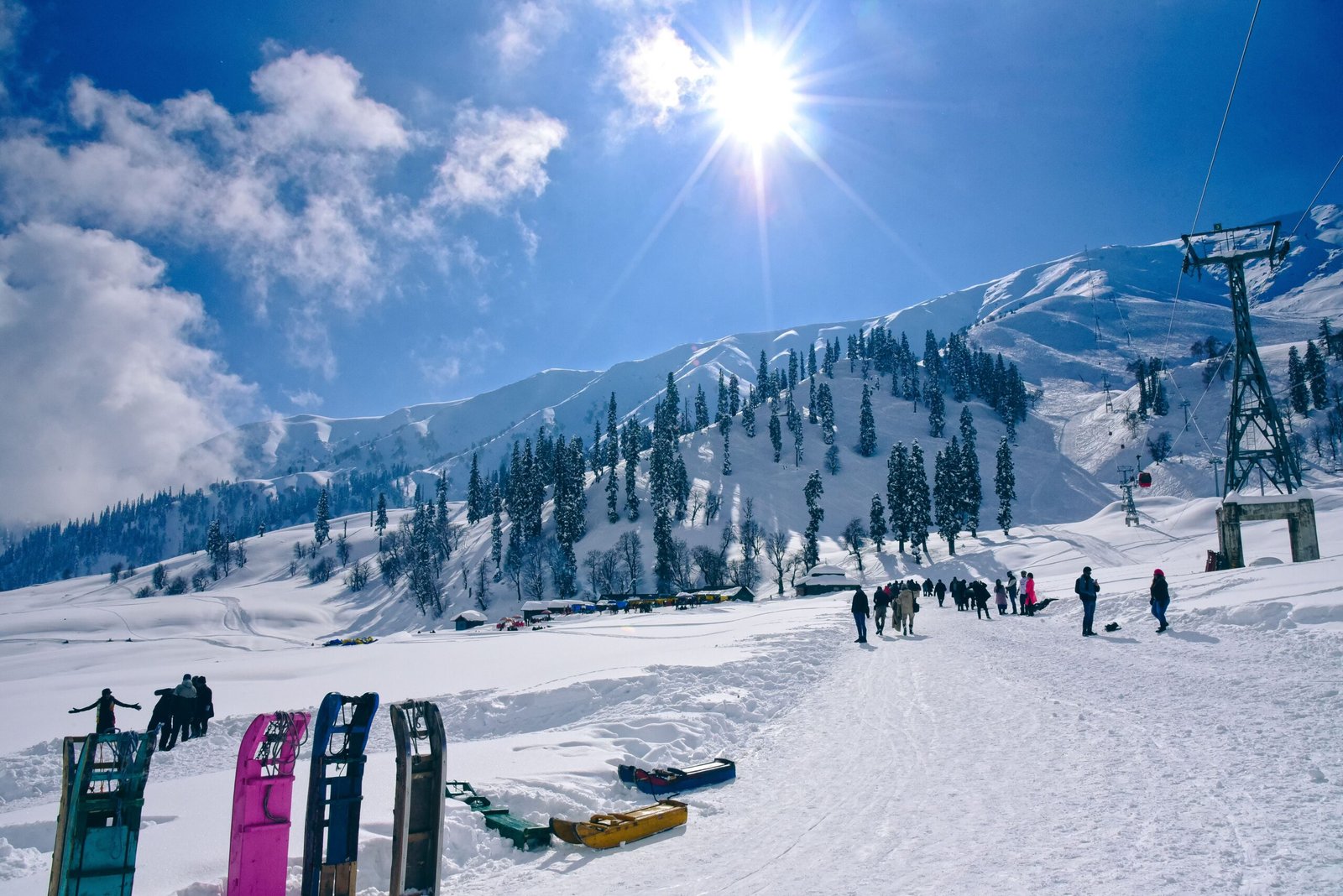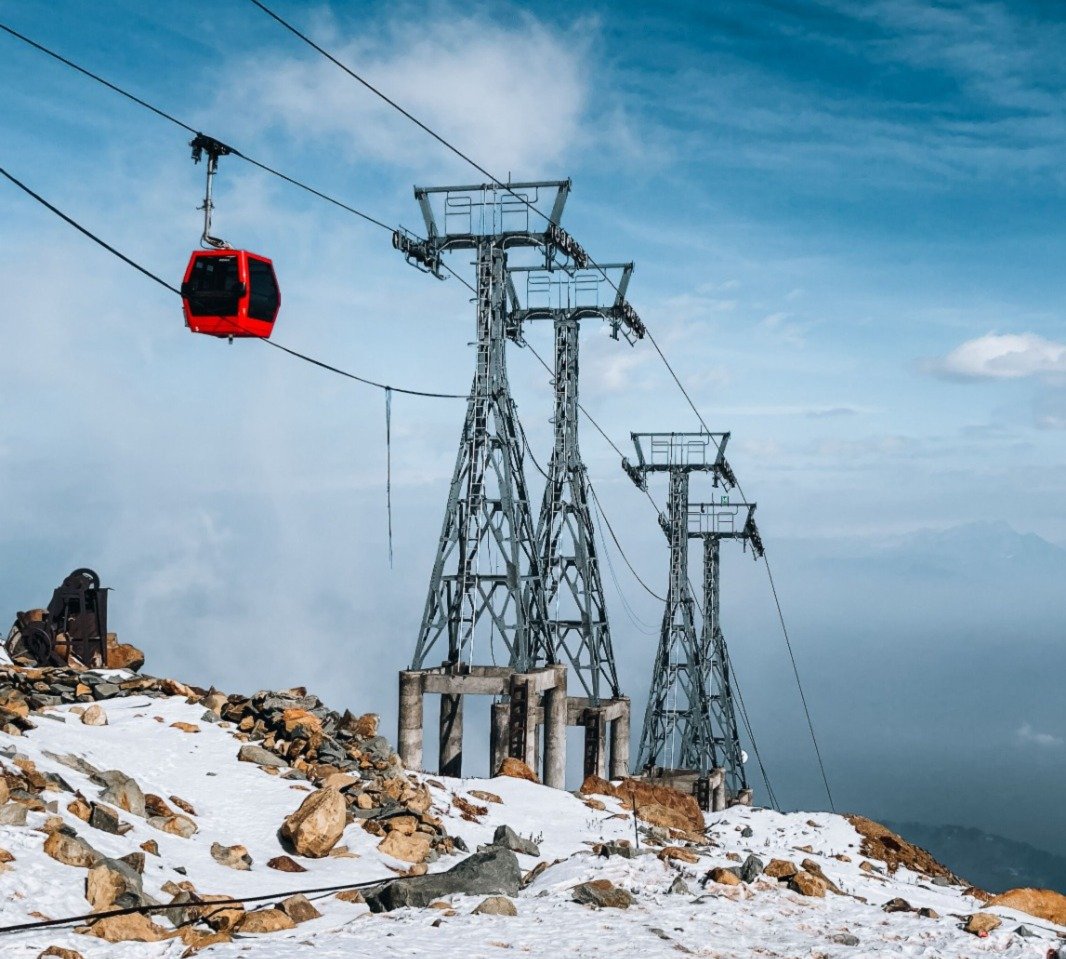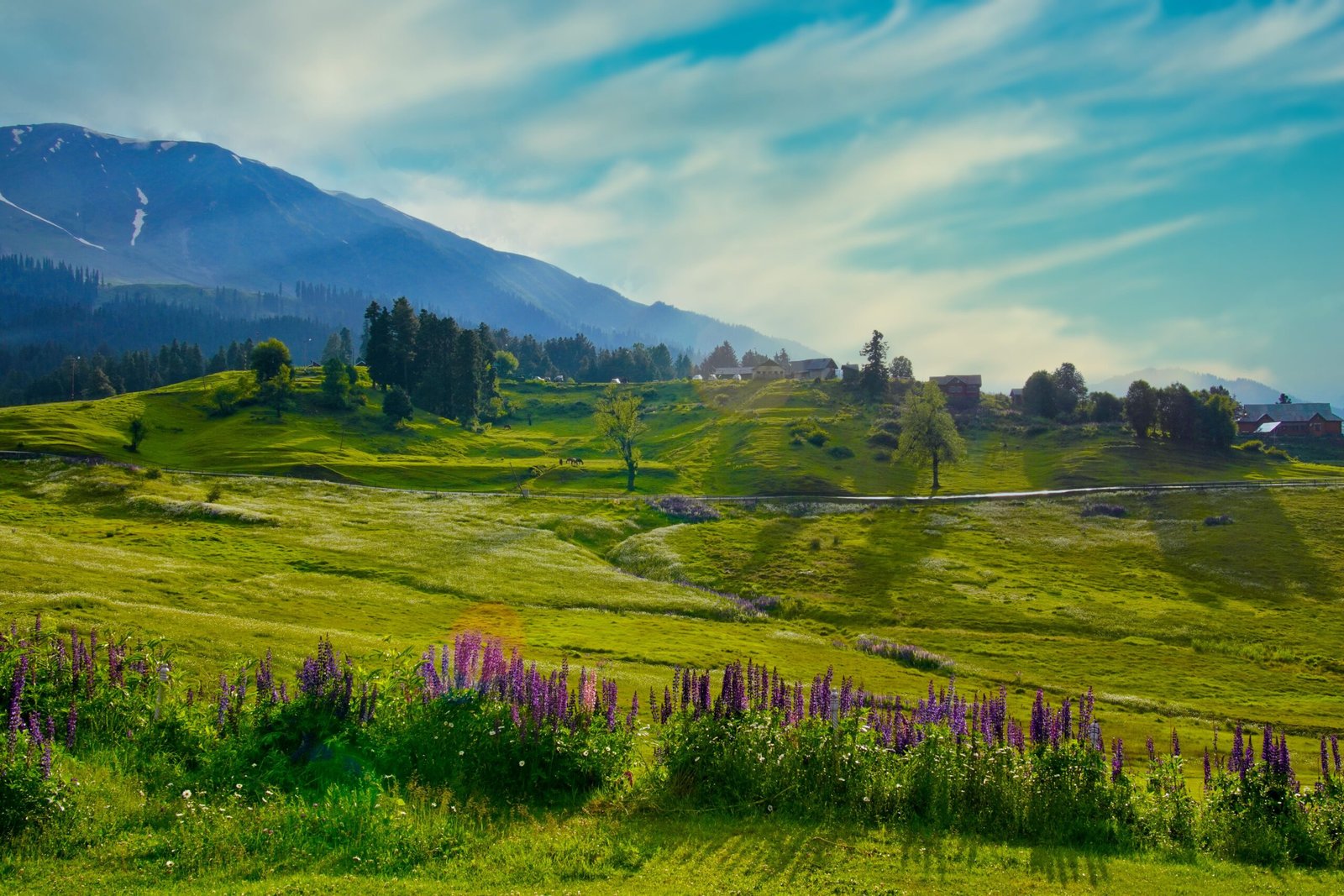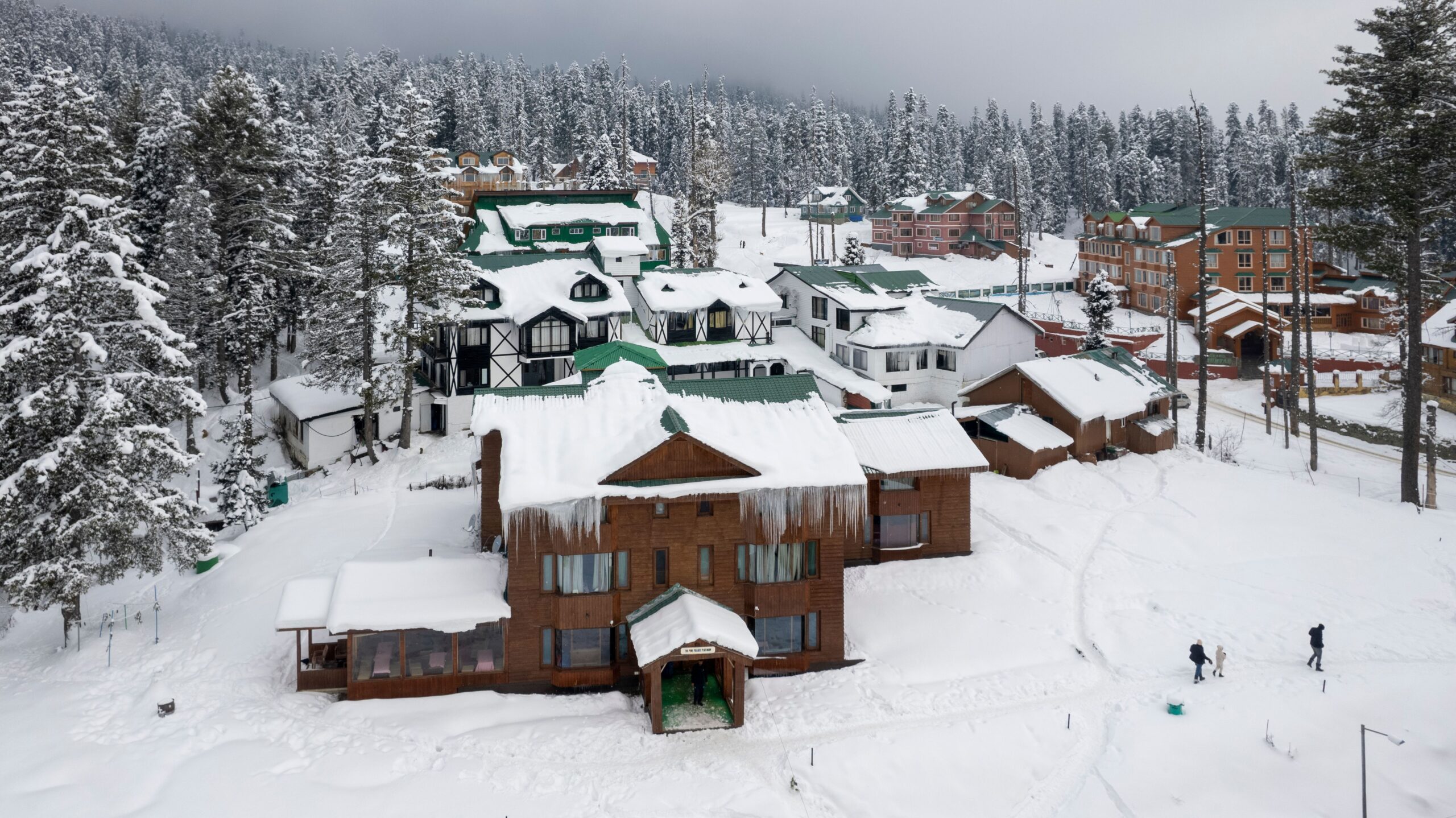
The Gulmarg to Sinthan Top distance is roughly 160 to 180 kilometres, and the drive usually takes five to six hours. That single number, though, does not tell you much on its own. Road conditions change with the season. Traffic near Srinagar can eat up an hour without warning.
And the final stretch near the pass is nothing like a highway drive. So let us walk through this properly, the way we would explain it to a friend before they load up the car. Most people driving this route have already spent a few days around Gulmarg Skiing and are now looking to explore a bit further before heading home.
Gulmarg to Sinthan Top Distance at a Glance
Most travel sites quote figures between 160 km and 182 km for this route, and both numbers are correct in their own way. The variation comes down to which exact road you take once you leave Anantnag. Some drivers head towards Daksum and then climb straight to the pass.
Others take a slightly longer loop through Kokernag first. Either way, you are looking at a full day’s outing, not a quick there-and-back trip. If someone tells you it can be done in three hours flat, take that with a pinch of salt, because hill roads rarely behave like plains do.
The Route You Will Actually Drive
Here is where the journey gets interesting, because this is not one long straight road. You start in Gulmarg and descend through Tangmarg towards Srinagar, which itself is about 50 km away, essentially the reverse of the Srinagar to Gulmarg drive many travellers already know. From Srinagar, the route joins NH44 and later NH244, moving through Pampore and its famous saffron fields. Anantnag comes next, and this town works almost like a checkpoint for the entire trip.
We would strongly suggest fuelling up here, since petrol pumps thin out beyond this point. This is also roughly where routes from Gulmarg’s nearest airport and railway station merge back onto the main highway. After Anantnag, the road narrows and begins its climb through Achabal, Kokernag, and finally Daksum. This last stretch before Sinthan Top is where the real driving begins, with hairpin bends and forested slopes on either side.
- Gulmarg to Srinagar: around 50 km on plains and gentle hills
- Srinagar to Anantnag: roughly 60 km through open valley roads
- Anantnag to Sinthan Top via Daksum: about 70 to 80 km of mountain driving
How Long Does the Drive Take
Honestly, this depends more on your driver’s comfort with hill roads than on the odometer reading. Five hours is a fair average for someone driving steadily without long halts. But add in a chai stop at Kokernag, a photo break near Daksum, and maybe a slow patch behind a truck, and you could easily stretch it to seven hours. We have seen families take the full day over this drive, stopping wherever the view demanded it, and honestly, that is the better way to experience it anyway.
Sinthan Top to Gulmarg Distance on the Return
The sinthan top to gulmarg distance for the return leg stays practically the same as the onward journey, somewhere close to 178 km. There is no meaningfully shorter alternate road back, so plan your return with the same time cushion. One thing worth noting is fatigue. Descending hairpin roads after a full day at altitude can feel more tiring than the climb itself, so factor in an extra rest stop if you are driving yourself.
When Should You Actually Make This Trip
Sinthan Top shuts down for nearly half the year. Heavy snow closes the pass from around November through to late April, sometimes longer if winter has been harsh. This is not a soft closure either. The road gets buried under several feet of snow, and no amount of confidence gets a vehicle through that safely.
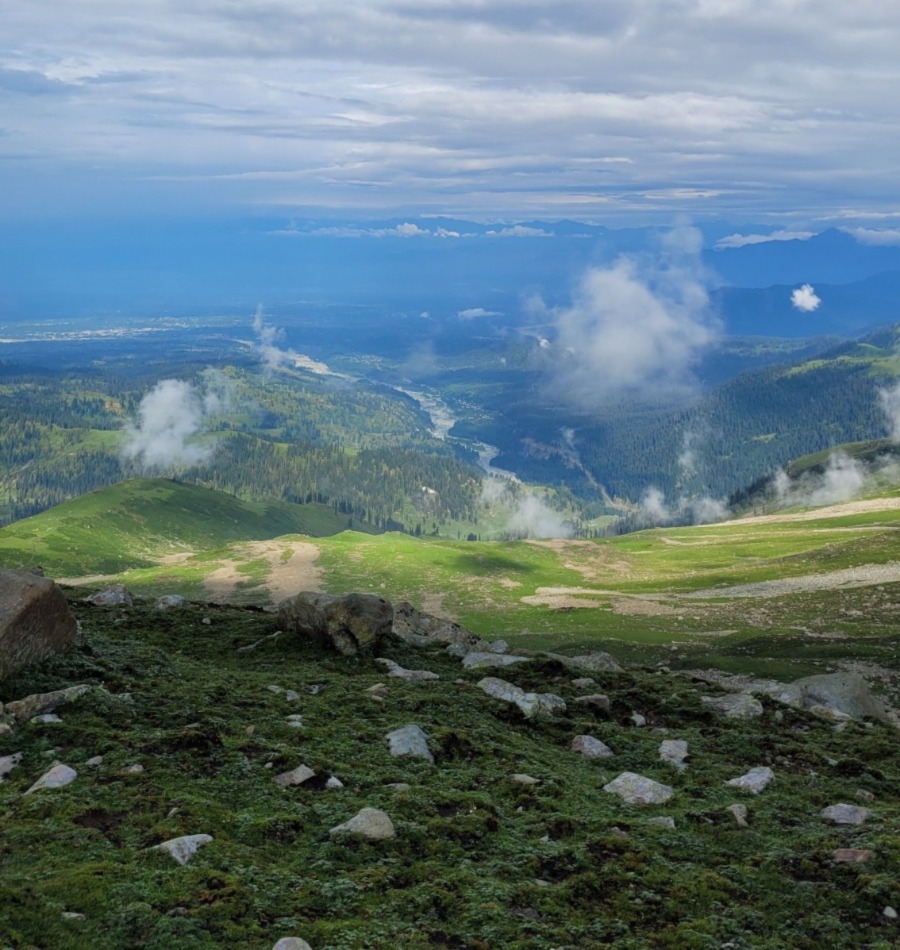
The sweet spot lies between late April and September. May brings wildflowers and cooler air, June through August gives you full green meadows, and September onward the light turns golden and crisp. If we had to pick one window, early September stands out, since the summer crowds thin out and the sky tends to stay clearer for longer stretches.
Would you rather fight for a parking spot in peak June, or have that mountain view mostly to yourself in September? That question alone should settle your planning. Interestingly, this window opens up right after the best time to visit Gulmarg for skiing wraps up, so quite a few travellers stitch both trips into one longer holiday.
What the Road Conditions Are Really Like
The Srinagar to Anantnag stretch is smooth, wide, and honestly quite pleasant to drive. Past Anantnag, though, expect narrower lanes, sharper turns, and patches where the tarmac gives way to loose gravel, especially soon after winter. Locals often mention lingering snow walls on either side of the road even in early summer, which makes for great photos but also means the surface can stay damp and slippery in shaded corners. If you want a sense of what hill driving around this belt generally involves, our Gulmarg road guide covers similar terrain closer to the resort.
A few practical points before you set out:
- Carry warm layers regardless of the season, since temperatures at the pass drop sharply compared to Gulmarg
- Fill your tank at Anantnag, as fuel stations disappear beyond this point
- Avoid driving after dusk on the Daksum to Sinthan stretch, since lighting is minimal
- Keep some cash handy, as digital payments are unreliable in the smaller villages en route
Should You Drive Yourself or Hire a Taxi
If you enjoy driving and have some experience with hill roads, self-driving this route is genuinely rewarding. You control your own pace, stop wherever the view grabs you, and there is a certain pride in navigating those bends yourself. That said, hiring a local taxi driver has its own charm too, mainly because these drivers know exactly which viewpoint to stop at and which dhaba serves the best rajma-chawal along the way.
Private taxi fares for this route generally range between six and ten thousand rupees, depending on the vehicle type and season, so it is worth comparing a couple of quotes before you commit, much like checking Gulmarg’s union taxi rates before any local sightseeing.

Conclusion
This drive is not just about reaching Sinthan Top. Pampore’s saffron fields near Srinagar are worth a slow drive-through if you are travelling in autumn. Achabal Gardens, with its Mughal-era water channels, makes for a peaceful half-hour break. Kokernag, known for its trout farms and cool springs, is another spot where most travellers end up staying longer than planned.
And Daksum itself, tucked into pine forest, feels like the calm before the final climb. If you are still weighing this against other day trips, like the Gulmarg to Pahalgam distance, Sinthan Top tends to win on solitude simply because far fewer tourists know about it. And once you are back, there is no shortage of things to do in Gulmarg itself to round off the trip.