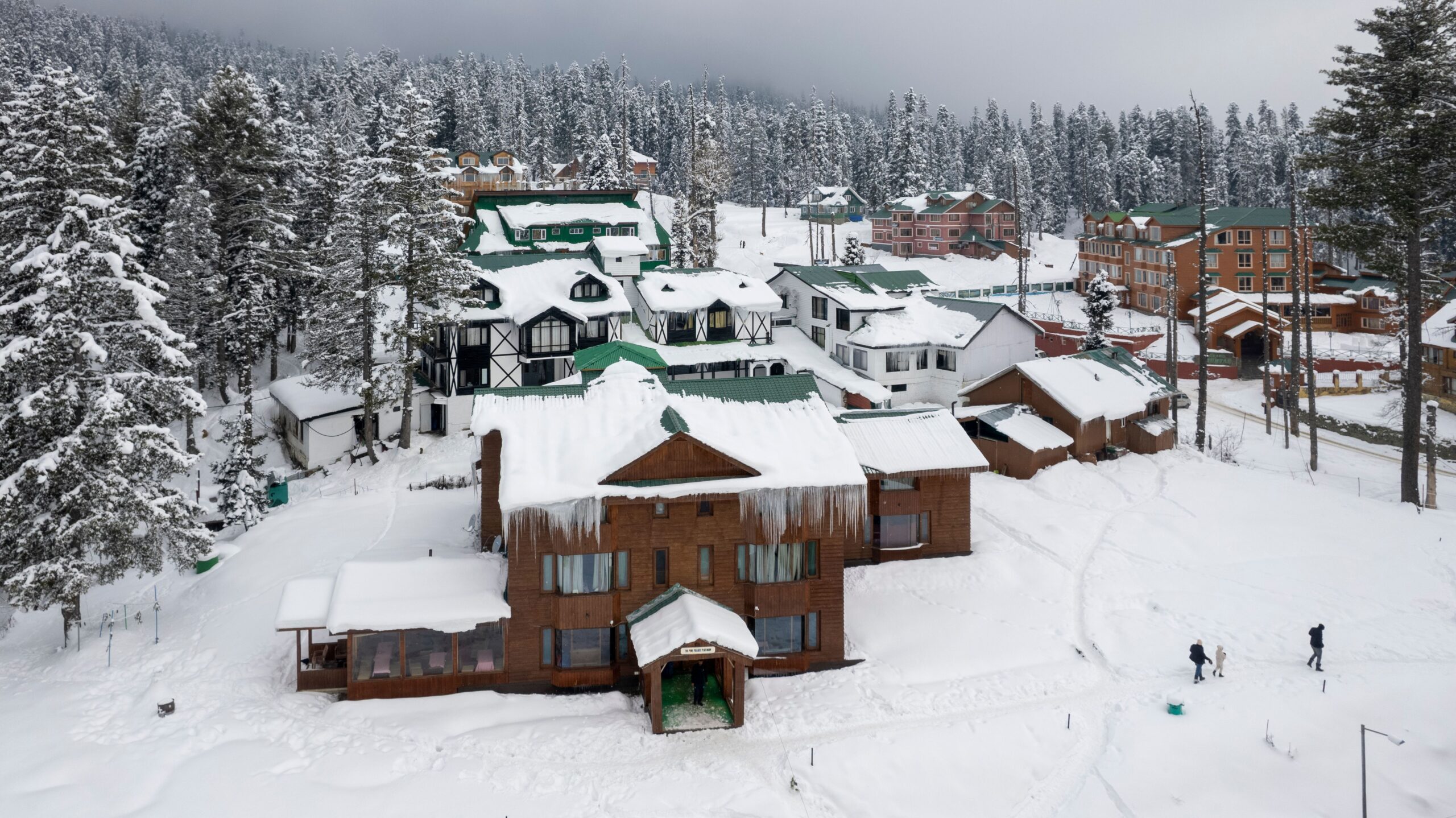
If you are confused between Gulmarg and Narkanda for skiing, here is the simple truth. Gulmarg skiing is big, deep, and professional. Narkanda is small, simple, and great for learning. Both are good, but they are made for very different types of travellers. Let’s break it down step by step so you can decide without confusion.
Before going deep, here is the direct answer most people need. Choose Gulmarg if you want deep snow, long slopes, and a real ski resort feel. Choose Narkanda if you are a beginner and want a low-pressure learning trip. Now let’s understand why.

Location, height, and snow conditions
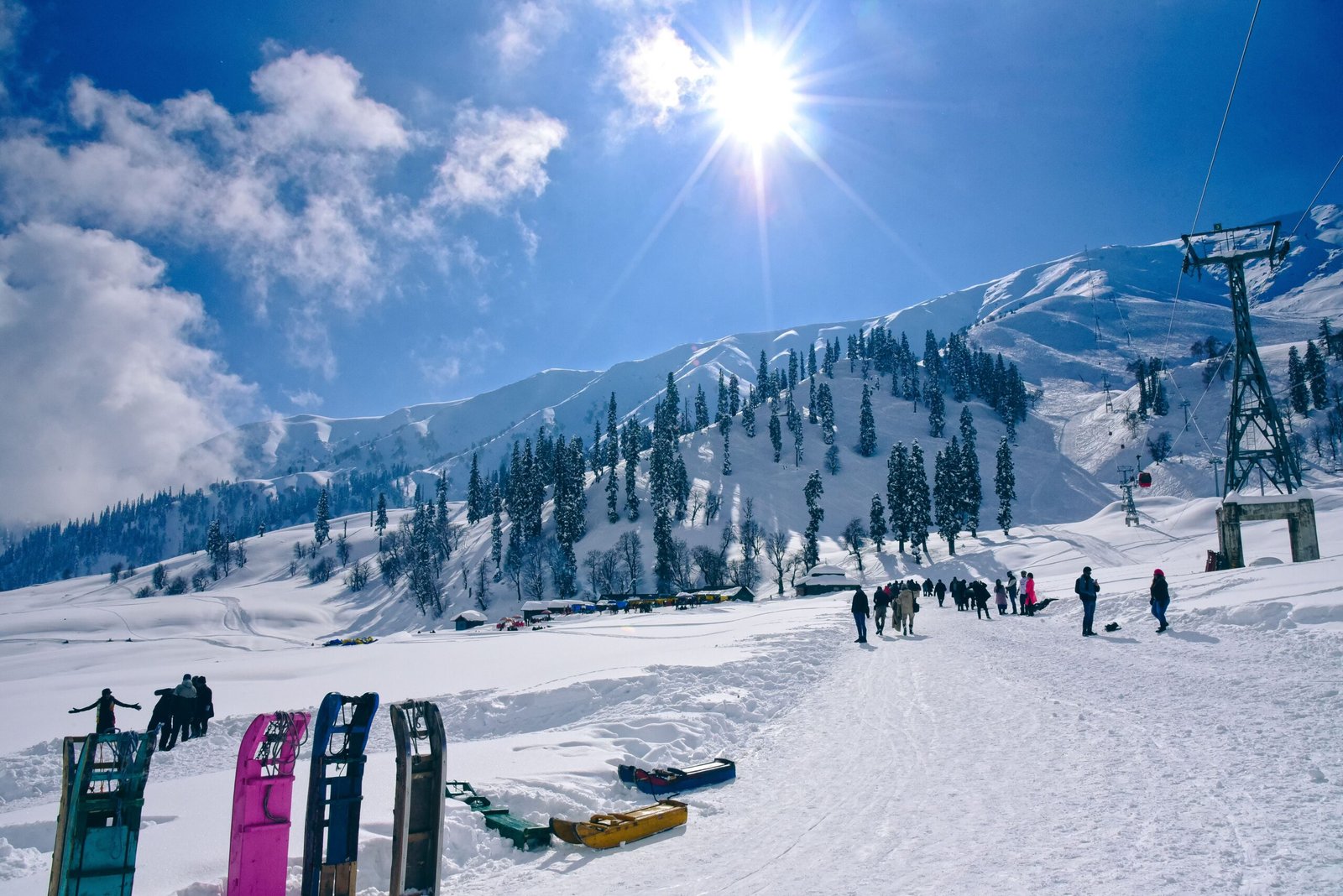
Gulmarg sits at around 2,650 meters, and it gets heavy snowfall every winter. Some years, snowfall goes above 10–12 feet in the upper slopes. This is why it feels like a proper ski destination. Narkanda is slightly lower at around 2,708 meters, but it gets lighter and more controlled snow. It is enough for learning, but not always for deep powder skiing.
Simple breakdown:
- Gulmarg has long and deep snow season (Dec to March)
- Narkanda has shorter and more weather-dependent snow
- Gulmarg snow is powder-heavy and soft
- Narkanda snow is thinner but easier for beginners
For deeper understanding of how snowfall behaves across months, you can check Gulmarg skiing season guide.
So in narkanda skiing vs gulmarg himachal comparison, Gulmarg wins on snow quality, but Narkanda wins on learning control.
Main ski areas you will actually use
This is where many blogs miss details, but it matters a lot. In Gulmarg, skiing mostly happens in:
- Kongdori slopes (beginner to intermediate zone)
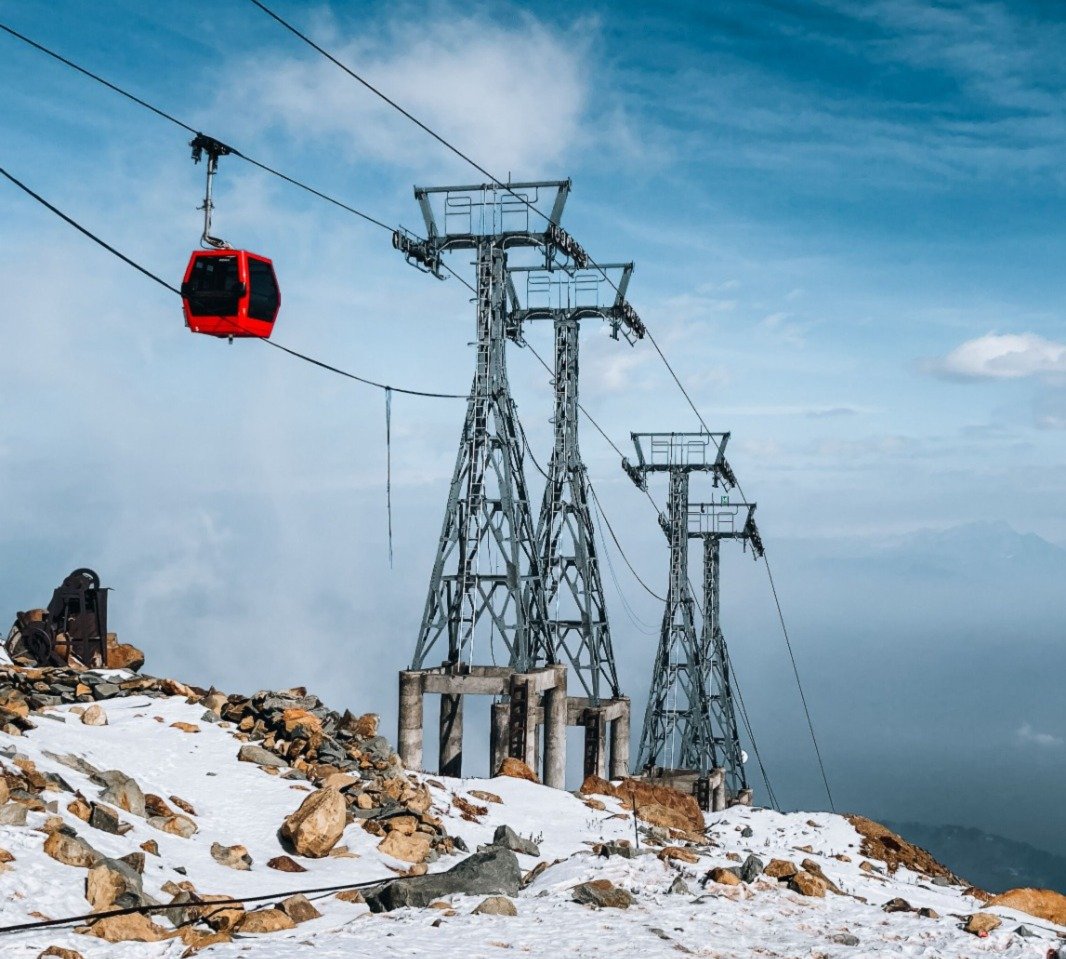
- Apharwat Peak (advanced skiing, reached by gondola)
- The famous Gulmarg Gondola system
To understand how different these zones feel, you can read Gulmarg Phase 1 vs Phase 2 skiing.
In Narkanda, skiing happens mainly at:
- Dhumri ski slopes, managed by Himachal Tourism
- Small training zones near the forest ridge
Gulmarg feels wide and open. Narkanda feels compact and close. This is a major point in gulmarg vs narkanda skiing, because slope size changes your entire experience.
Learning experience and ski courses
If you are learning skiing, both places offer training, but the depth is different. In Gulmarg, the Indian Institute of Skiing and Mountaineering (IISM) runs proper 10–14 day ski courses. These are structured and used by many serious learners.
You can read more about it here: Indian Institute of Skiing and Mountaineering.
In Narkanda, the Himachal Pradesh Tourism Development Corporation (HPTDC) runs shorter skiing courses during winter. These are more basic but still useful for beginners.
Simple view:
- Gulmarg = structured professional ski training
- Narkanda = short beginner ski lessons
So in narkanda skiing vs gulmarg himachal comparison, Gulmarg is better for serious learning, while Narkanda is better for first-time exposure.
Cost, tickets, and budget reality
Let’s talk about money because this is where most decisions change. Gulmarg is expensive. A ski trip here includes:
- Gondola Phase 1 ticket: approx ₹900–₹1,000
- Phase 2 ticket: approx ₹1,200–₹1,500
- Ski package: ₹15,000–₹40,000 depending on duration
- Hotels: ₹3,000 to ₹12,000 per night in peak season
For full breakdown, see Gulmarg skiing price 2026.
Narkanda is much cheaper:
- Ski lessons: ₹500–₹1,500 per day
- Equipment rental: ₹300–₹800
- Hotels: ₹1,000–₹3,000 per night
So in gulmarg vs narkanda skiing, budget travellers usually choose Narkanda without thinking twice.
How to reach both places
Travel is another big factor people search for. To reach Gulmarg:
- Fly to Srinagar Airport (about 50 km away)
- Then drive 1.5–2 hours to Gulmarg
For detailed travel planning, check How to reach Gulmarg for skiing.
To reach Narkanda:
- Reach Shimla first (road, rail, or flight via Jubbarhatti)
- Then drive about 60–65 km on the Hindustan Tibet Road
Narkanda is easier for short trips. Gulmarg needs more planning but gives a bigger reward.
Crowd, vibe, and overall feel
Gulmarg feels like a global ski village. You will see international travellers, instructors, and heavy ski activity everywhere. It feels active and busy. Narkanda feels quiet. You may ski with just a few people around. It feels more personal and less rushed.
Quick comparison:
- Gulmarg = busy, global, energetic
- Narkanda = calm, local, peaceful
- Gulmarg = premium ski tourism
- Narkanda = learning-focused tourism
This is where personal preference matters most in gulmarg vs narkanda skiing.
Best time to visit for skiing
Timing is very important.
- Gulmarg best season: late December to early March
- Peak snow: January and February
Gulmarg has more reliable snow. Narkanda depends more on yearly weather patterns.
Where each destination fits best
Let’s make it very simple.
- First-time skier with no experience → Narkanda
- Adventure seeker or intermediate skier → Gulmarg
- Budget traveller → Narkanda
- Bucket-list ski experience → Gulmarg
- Short weekend trip → Narkanda
- Full snow holiday → Gulmarg
For a wider India comparison, you can also explore Best places to ski in India 2026.
Conclusion
Skiing is not just about snow. It is about how you feel when you fall, stand, and try again. Gulmarg will challenge you with scale and power. Narkanda will support you with simplicity and space to learn slowly.
So the real question is not just gulmarg vs narkanda skiing. It is this: Do you want your first ski memory to feel like a wild mountain adventure, or a calm learning story in the Himalayas?