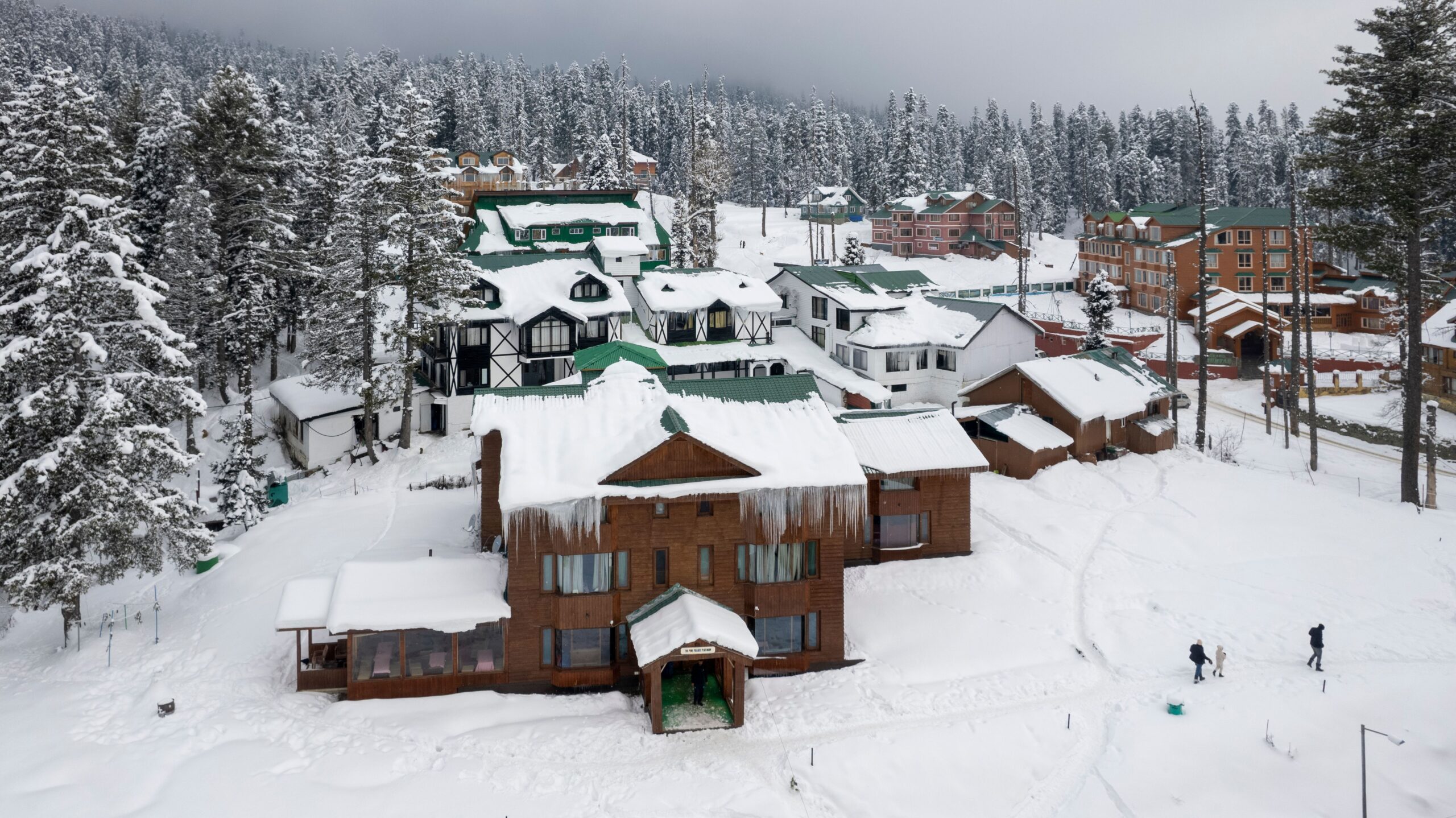
If you are confused between Gulmarg Phase 1 and Phase 2 for skiing, the short answer is simple. Phase 1 is best for beginners and casual snow lovers, while Phase 2 is meant for experienced skiers who want steep slopes, deep powder, and a serious mountain experience. If this is your first time planning a Kashmir snow holiday, our complete guide to skiing in Gulmarg will help you understand the basics before booking anything. Now the real question starts.
Should you spend extra money on Phase 2? Will Phase 1 feel boring? Is Phase 2 too risky for first-time visitors? Most people planning a Gulmarg ski trip ask these exact questions after seeing gondola photos on Instagram. And honestly, the answer depends less on your budget and more on your comfort level in snow.
We have seen travellers book Phase 2 just for the hype, then spend half the time scared of the terrain. We have also seen beginners enjoy Phase 1 so much that they extend their ski session for another day. So before booking your gondola tickets, it helps to understand what each phase actually offers on the ground.

Understanding the Gulmarg Gondola Before You Book
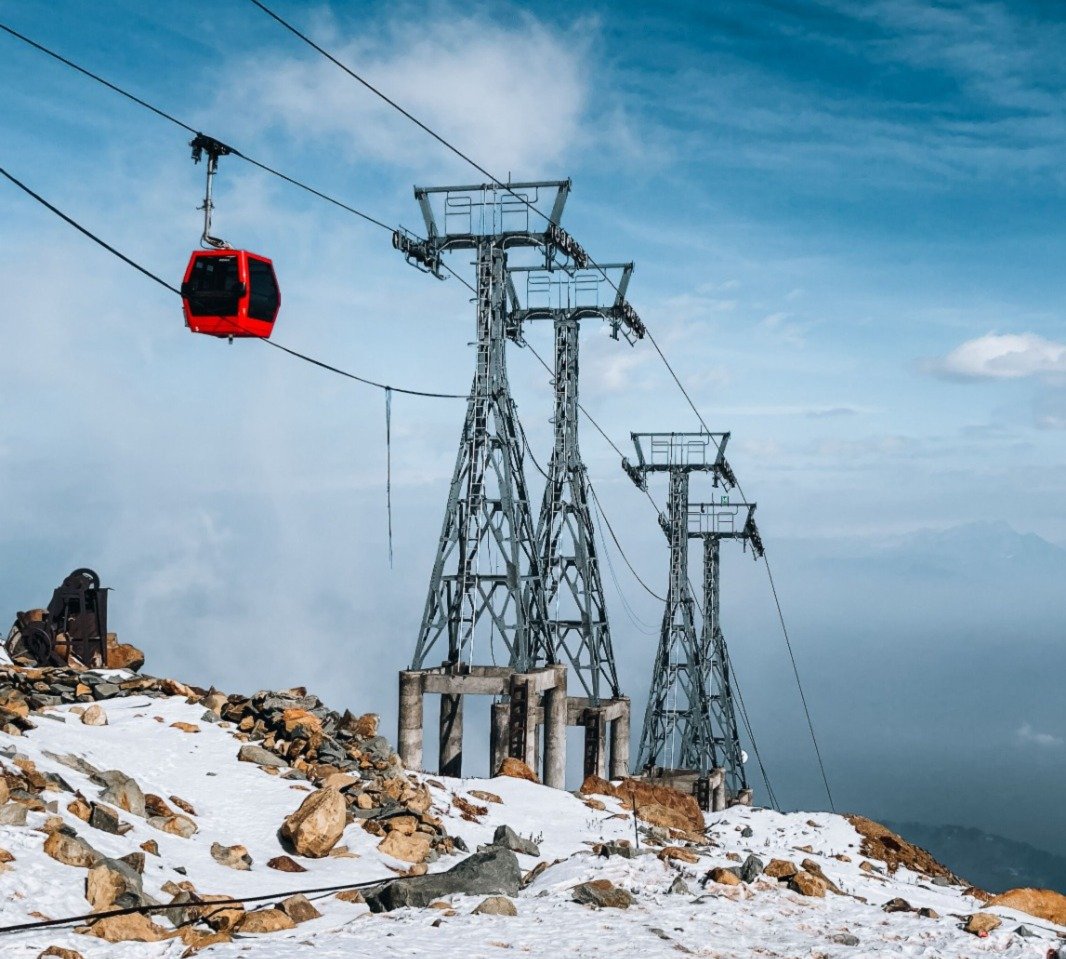
The Gulmarg Gondola has two stages. If you are still confused about tickets, timing, or online reservations, this detailed guide on Gulmarg gondola booking clears up most common doubts.
Phase 1 takes you from Gulmarg to Kongdoori. Phase 2 goes higher from Kongdoori to Apharwat Peak. Both rides are stunning, but the skiing experience changes completely once you move higher. You can also read our complete Gulmarg Phase 2 guide if you want a deeper understanding of the upper slopes and terrain.
The difference is not just altitude. Snow quality, slope difficulty, weather conditions, visibility, and rescue access also change between both phases. The higher elevation also affects oxygen levels, which is why understanding Gulmarg’s altitude and weather conditions becomes important before skiing at Apharwat Peak.
Here is the basic structure:
- Phase 1 altitude: Around 8,530 ft to 10,500 ft
- Phase 2 altitude: Around 10,500 ft to nearly 13,800 ft
- Phase 1 skiing style: Beginner to intermediate
- Phase 2 skiing style: Advanced and off-piste
- Phase 2 weather: More unpredictable and harsh
Many people think the higher phase automatically means better fun. That sounds exciting online, but skiing does not work like a Bollywood climax scene. The mountain rewards skill, patience, and control.
Gulmarg Phase 2 vs Phase 1 for Beginners
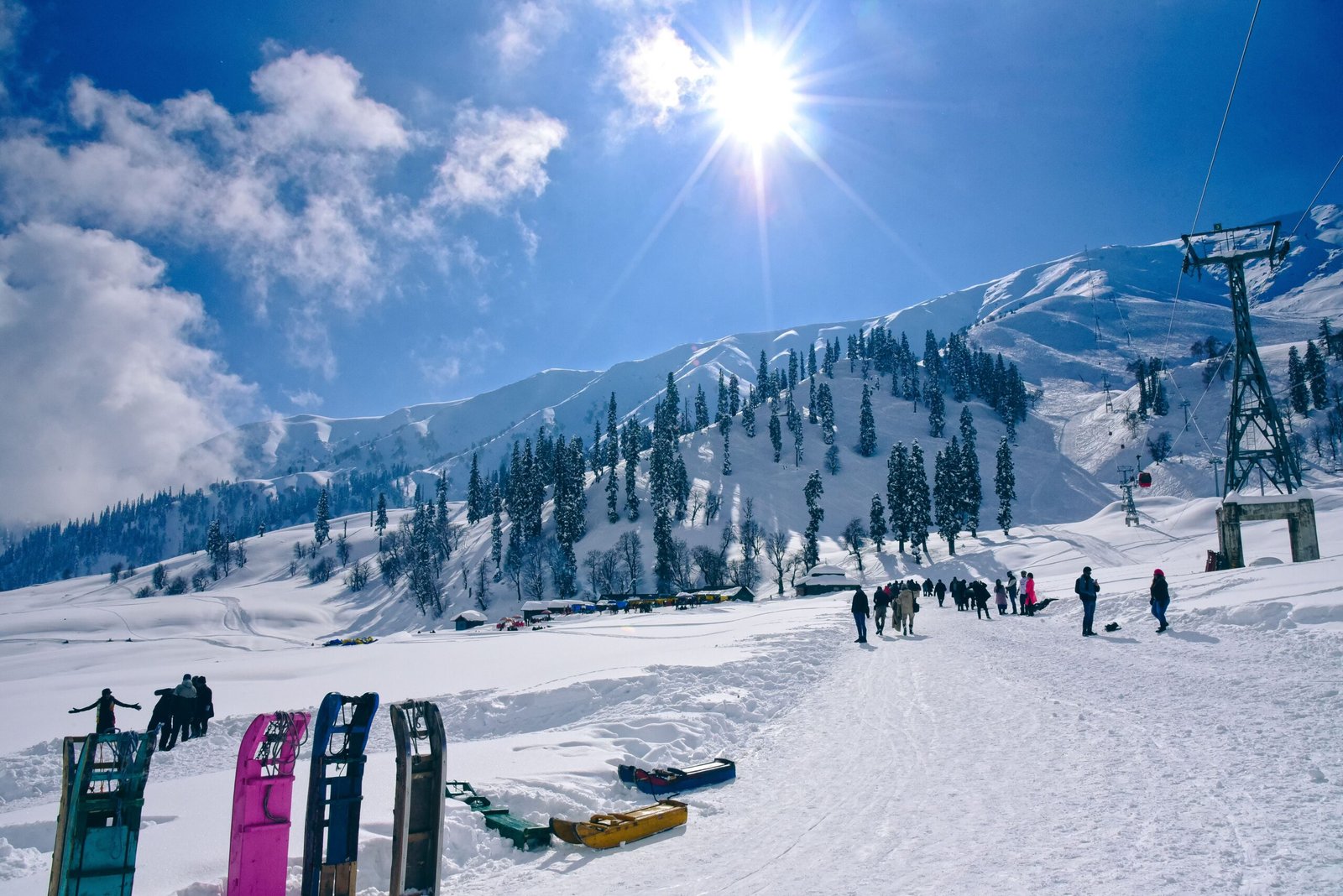
If this is your first ski trip, Phase 1 is the safer and smarter choice. Most travellers who are trying skiing in Gulmarg for beginners usually feel far more comfortable starting in Kongdoori rather than directly attempting upper mountain terrain.
The slopes near Kongdoori are wider and more forgiving. You get enough space to learn balance, turns, and stopping techniques without feeling like the mountain wants to throw you into Kashmir’s next district.
Most ski instructors also prefer teaching in Phase 1 because the terrain suits learners better. The snow here stays manageable, and visibility is often clearer than the upper section.
You can spend hours here without feeling overwhelmed. That matters more than most people realise.
A first-time skier usually enjoys:
- Gentle gradients
- Easier fall recovery
- Better instructor access
- Less wind exposure
- Shorter rescue response time
One thing many travellers ignore is altitude sickness. At Phase 2, the thinner air can hit suddenly. Even fit people sometimes feel dizzy or exhausted after a few runs. In Phase 1, your body adjusts more comfortably.
So if you are travelling with family, children, or friends who just want to enjoy snow activities casually, Phase 1 makes much more sense.
Phase 1 vs Phase 2 Gulmarg Gondola Difference for Skiing Enthusiasts
Now let us talk about the serious skiers. If you already know carving, powder control, and steep descents, Phase 2 is where Gulmarg becomes world-class. This is the terrain that attracts international skiers every winter. The wider Gulmarg ski area around Apharwat is known for deep powder and long off-piste runs.
The moment you step out near Apharwat Peak, the mountain feels raw and wild. The wind gets sharper. The slopes stretch endlessly. Fresh powder often stays untouched after snowfall. You stop hearing tourist chatter and start hearing only skis cutting through snow.
That feeling is addictive. The phase 1 vs phase 2 Gulmarg gondola difference skiing experts care about mostly comes down to terrain quality. Phase 2 gives you longer descents, steeper sections, and deep powder runs that are impossible in lower areas.
Still, there is a catch. Phase 2 is not a controlled ski resort like Europe. Some sections are ungroomed and unpredictable. Weather changes fast here. A clear morning can turn into whiteout conditions within minutes. That is why experienced guides matter.
Should You Spend Extra Money on Phase 2?
This depends on your purpose. If your goal is simply to enjoy snow, click photos, try beginner skiing, and have a relaxed holiday, spending extra on Phase 2 may not feel worth it. But if skiing is the main reason you came to Gulmarg, then Phase 2 delivers a completely different experience.
Think of it like this. Phase 1 feels like learning cricket in your colony ground. Phase 2 feels like suddenly walking into an international stadium under floodlights. Both are exciting, but the pressure and intensity change fast.
We usually suggest this approach:
- First-time visitors: Start with Phase 1
- Intermediate skiers: Try both phases
- Advanced skiers: Prioritise Phase 2
- Families with kids: Mostly Phase 1
- Photography lovers: Both phases are excellent
One practical thing many blogs forget to mention is timing. Gondola queues get longer during peak season, especially after fresh snowfall. Reaching early in the morning helps a lot. If you are still deciding whether Gulmarg is the right destination for your ski holiday, this comparison on Pahalgam or Gulmarg for skiing can help you choose better based on your travel style.
Weather Changes Everything in Gulmarg
A perfect ski plan on paper means nothing if weather conditions turn bad. Phase 2 closes more often because of strong winds and low visibility. This happens regularly in peak winter. Many tourists book Phase 2 tickets in excitement, then discover operations are suspended for safety reasons.
Phase 1 usually remains operational longer because conditions are more stable there. This is another reason beginners should avoid depending completely on Phase 2. Your entire trip mood should not hang on one upper gondola ride.
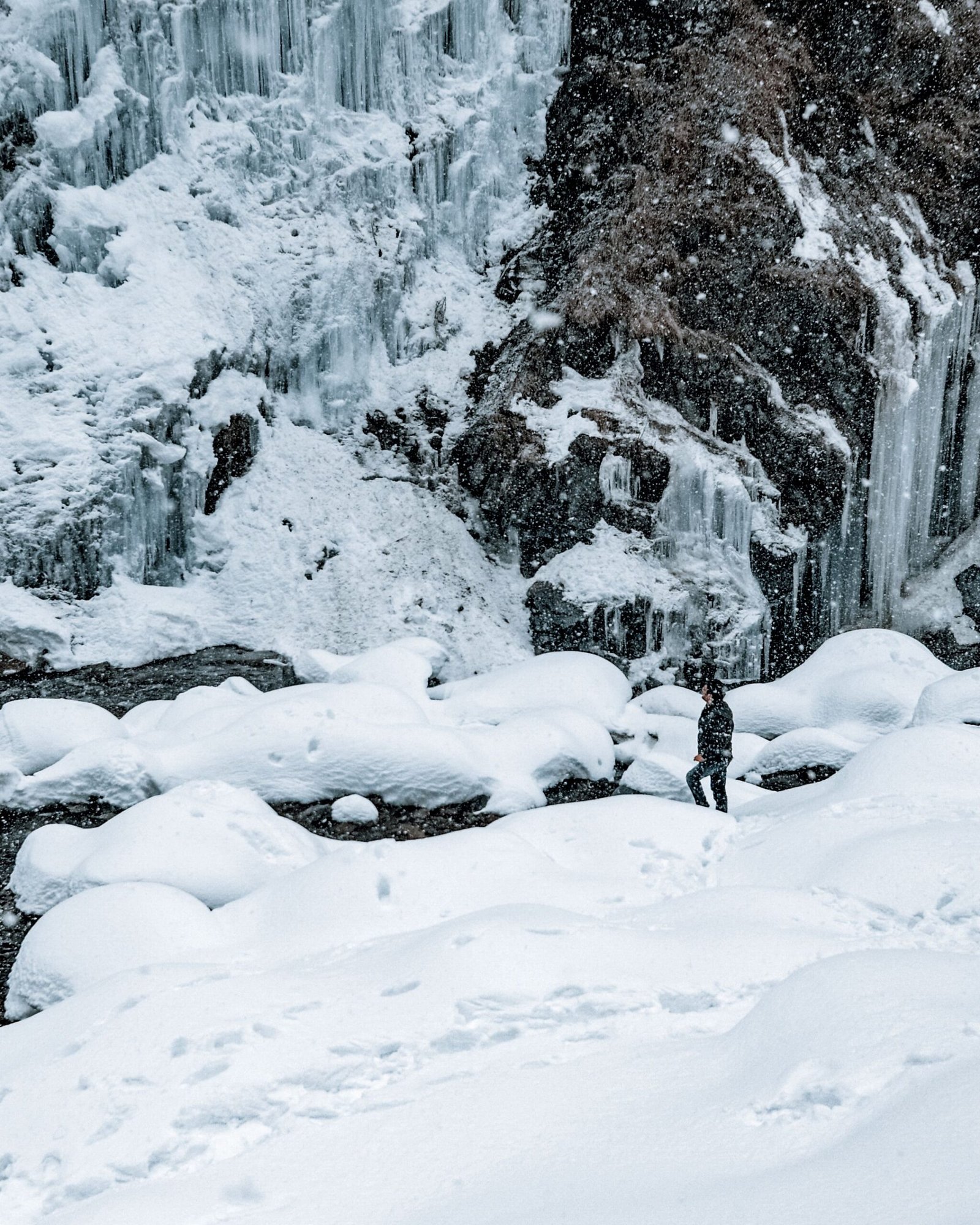
And honestly, even Phase 1 after fresh snowfall looks magical. Pine trees covered in white snow, soft powder under your boots, hot kahwa in hand, and slow snowflakes drifting through the air. Sometimes the simpler mountain moments stay longer in memory than the risky ones.
The month you choose also changes your overall skiing experience. Our detailed guides on Gulmarg skiing in December, January skiing conditions in Gulmarg, skiing in Gulmarg during February, and March snow conditions in Gulmarg explain what to realistically expect during each month.
What Ski Instructors Usually Recommend
Most local ski instructors in Gulmarg give very practical advice. They often tell beginners not to rush into Phase 2 just because friends are posting reels from Apharwat Peak. Skiing confidence builds step by step. If you skip the basics, the mountain humbles you quickly.
Many instructors follow this pattern:
- Training sessions in Phase 1
- Balance and stopping practice
- Short independent runs
- Move to tougher terrain later
This gradual progression works better than forcing yourself into advanced slopes too early. And there is another side people rarely discuss. Fear ruins skiing faster than lack of skill. Once panic sets in, your body stiffens and turns become difficult. That usually happens more in steep upper sections.
Having proper ski gear also makes a huge difference in confidence and safety. Before travelling, check this guide on ski rental in Gulmarg so you know what equipment to rent and what to avoid.
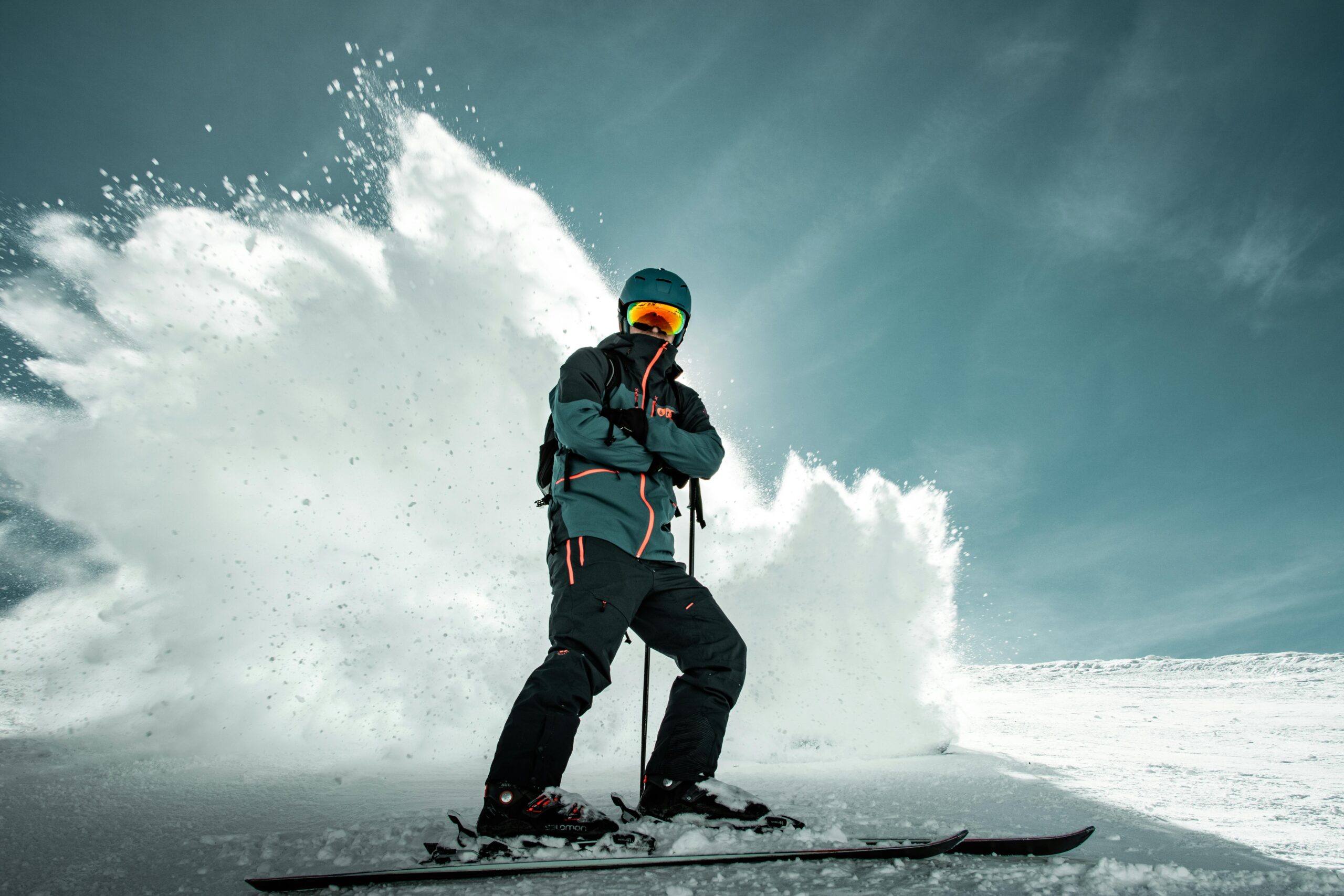
Best Time to Ski in Phase 1 and Phase 2
January and February usually offer the best skiing conditions in Gulmarg. If you are planning your trip dates right now, this complete guide on the best time for skiing in Gulmarg will help you choose the right season based on snowfall and crowd levels.
Fresh powder, stable snow base, and colder temperatures improve both phases during this time. By March, snow quality can become inconsistent in lower sections, though upper slopes still perform well.
Morning sessions are generally better because:
- Snow stays firmer
- Visibility remains clearer
- Crowds stay manageable
- Weather disruptions are fewer
Afternoon skiing sometimes gets slushy in lower zones, especially toward late winter.
Planning Your Stay and Travel Properly Matters Too
A good skiing trip is not only about slopes and gondolas. Your hotel location, transport timing, and road conditions also shape the overall experience. If you are confused about where to stay, this guide covering the best stay options in Gulmarg can save you from booking a place too far from the gondola area.
And if you are travelling from Srinagar or outside Kashmir for the first time, our detailed guide on how to reach Gulmarg for skiing explains routes, transport choices, and practical travel tips.
Adventure lovers who want to explore more winter activities beyond skiing can also check out these unmissable adventure experiences in India for future trips.
Conclusion
The biggest mistake travellers make is treating Gulmarg skiing like a checklist item instead of an experience. You do not “win” by reaching Phase 2.
The better choice is the one that matches your skill, confidence, and travel style. Some people find their best snow memories in gentle Phase 1 runs with friends laughing nearby. Others chase untouched powder at Apharwat Peak and never stop talking about it afterwards.
Both experiences are real. Both are worth having. The mountain does not care about hype. It only responds to how prepared you are when the skis finally touch the snow.