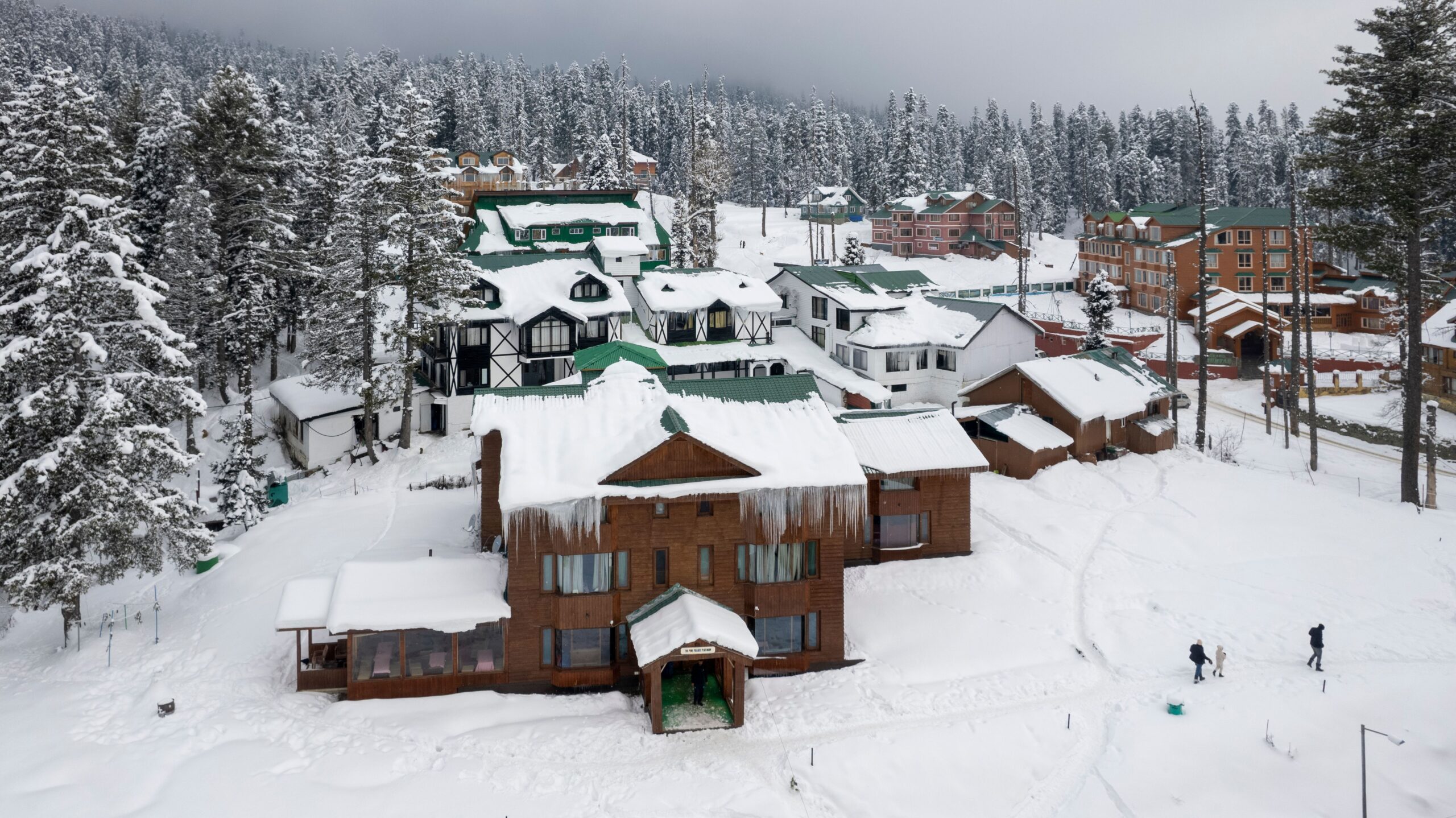
Gulmarg snowfall season usually starts in late November or December, gets deepest in February, and stays on the higher slopes until March or even April. If you are planning a trip to Gulmarg, this is the first thing you need to know. Not every winter month feels the same. The snow changes. The weather changes. Even the mood of the town changes.
Many people think snow is snow. That is not how Gulmarg works. A trip in December can feel very different from a trip in February. One month may bring fresh snowfall every few days. Another may give you bright sunshine and easier travel. That is why picking the right month matters. It can shape your whole trip.
Why Does Gulmarg Get So Much Snow?
Gulmarg is not just another hill station. It sits high in the Pir Panjal mountains of Kashmir. The town itself is around 2,650 metres above sea level. The ski slopes climb much higher. Cold air stays around for most of winter. When winter storms reach Kashmir, the mountains help turn that moisture into snow. Storm after storm adds more snow to the mountain.
This is one reason skiers from around the world come here. In a normal winter, Gulmarg receives around 12 to 14 metres of snowfall across the season. Some years get even more.
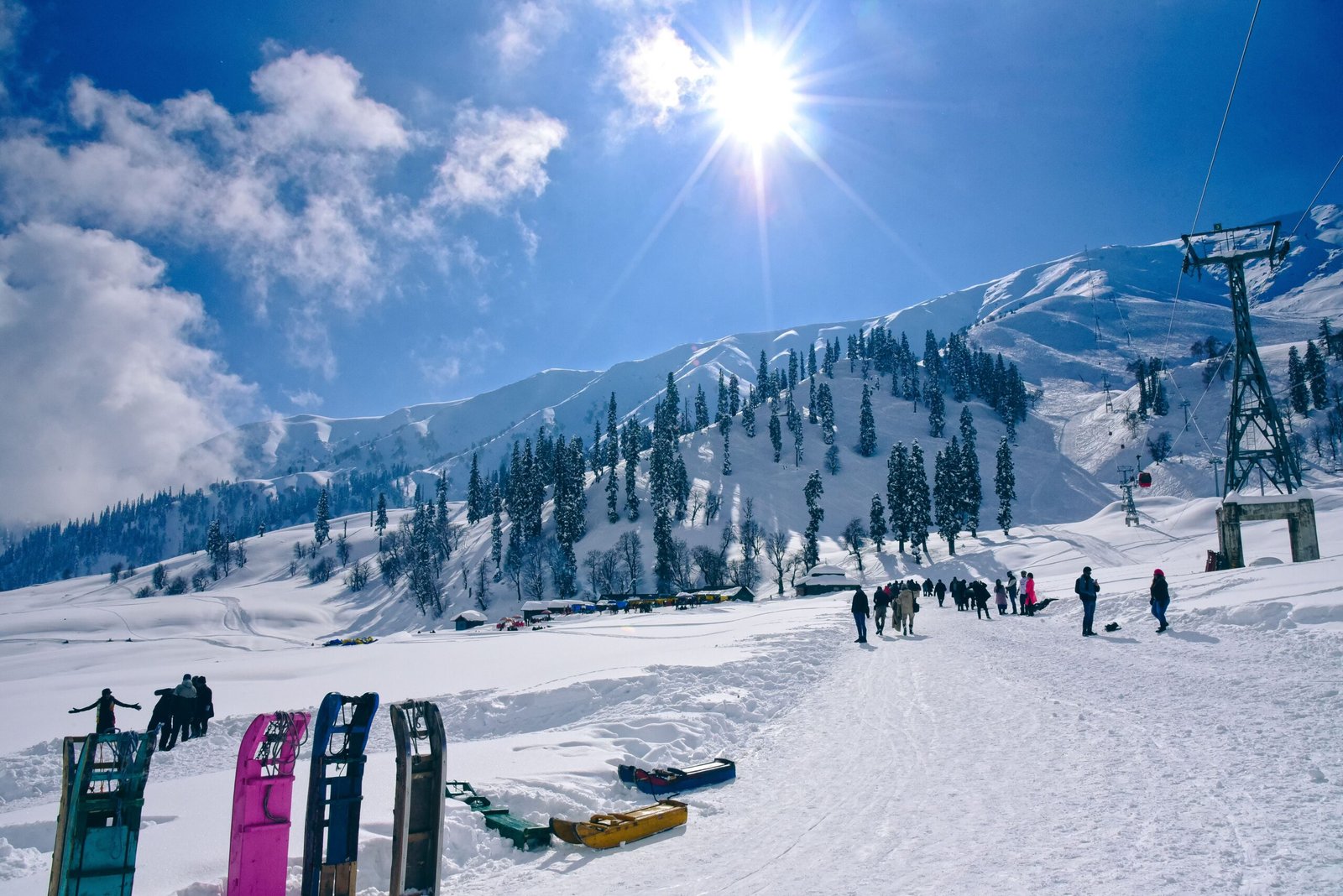
If you visit in peak winter, you may see snow piled higher than cars. For many first-time visitors, that is hard to believe until they see it with their own eyes. The combination of altitude and weather patterns is one reason why many people consider Gulmarg among the best places to ski in India.
When Does Snowfall Start in Gulmarg?
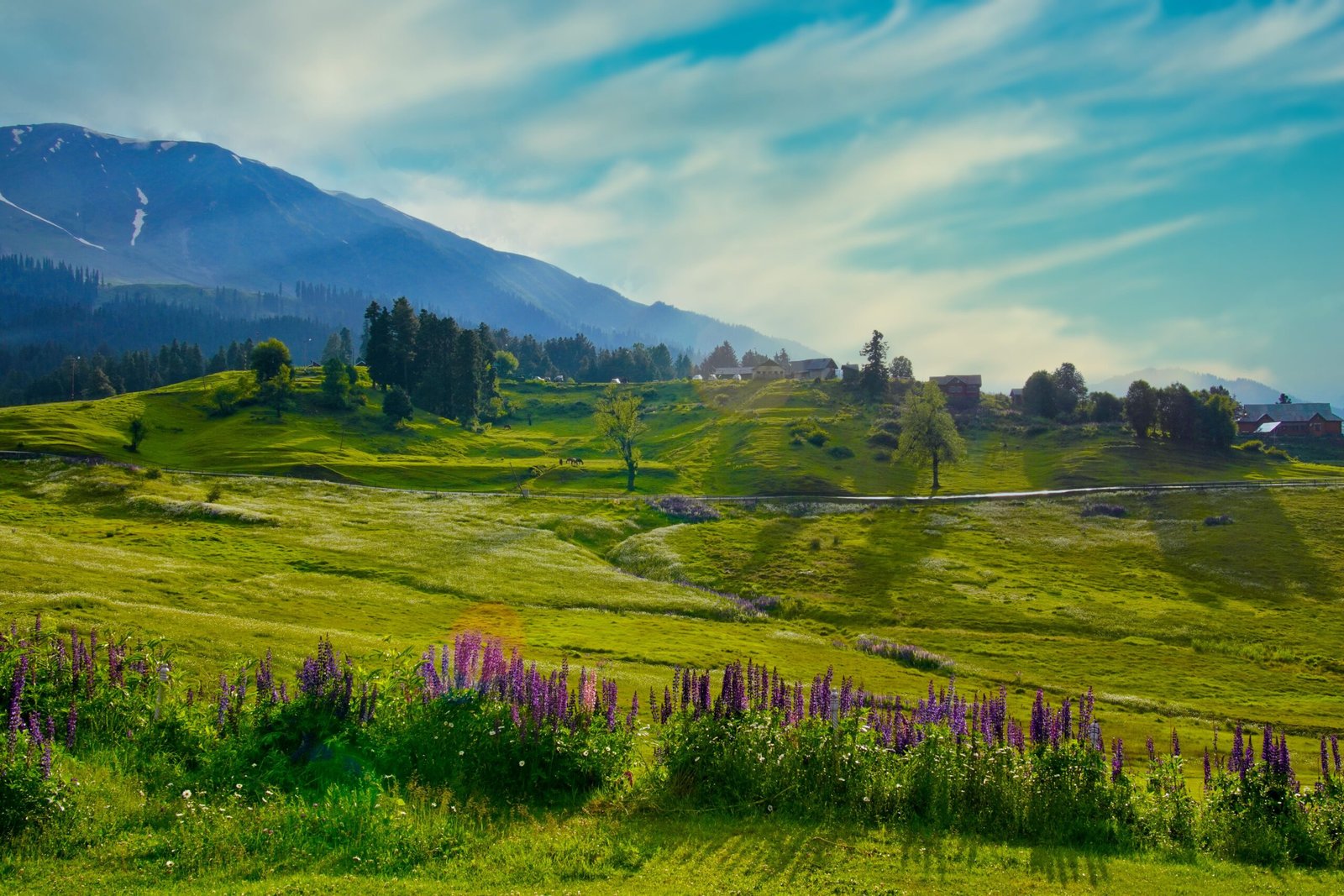
Snow usually starts arriving between late November and mid-December. Some winters start early. A few snowfalls may arrive before December begins. Other winters take a little longer. That is normal in the mountains. The first snowfall changes everything. Green meadows disappear. Pine trees turn white. The whole town starts looking like a scene from a film.
Visitors planning an early winter trip should also read about Gulmarg in November because snow conditions during that period can vary from year to year.
But there is something many visitors do not realise. The first snowfall does not always mean the best skiing. The mountain needs time to build a deep snow base. That process continues through December and often into January. The wider Gulmarg skiing season normally becomes more reliable after the New Year.
Snowfall in Gulmarg Skiing Season: Month-by-Month Guide
Month | Snow Conditions | Best For |
December | Early snow build-up | Snow lovers, sightseeing |
January | Deep and reliable snow | Most skiers |
February | Deepest snow of winter | Powder skiing |
March | Good snow higher up | Beginners and families |
April | Snow mainly at altitude | Spring visitors |
The table gives a quick overview. Now let us look at each month in more detail.
December: Winter Knocks on the Door
December is the start of winter in Gulmarg. Fresh snow becomes more common. The town looks beautiful. Crowds are usually smaller than later in the season. Many families enjoy December because they can see snow without the busiest holiday rush. Hotels may also cost less than peak winter rates.
The only catch is snow depth. Some years bring plenty of snow early. Other years take more time. If skiing is your main goal, January is often a safer choice. You can learn more about typical December snow conditions in Gulmarg before finalising your dates.
Chillai-Kalan: Kashmir’s Deep Winter
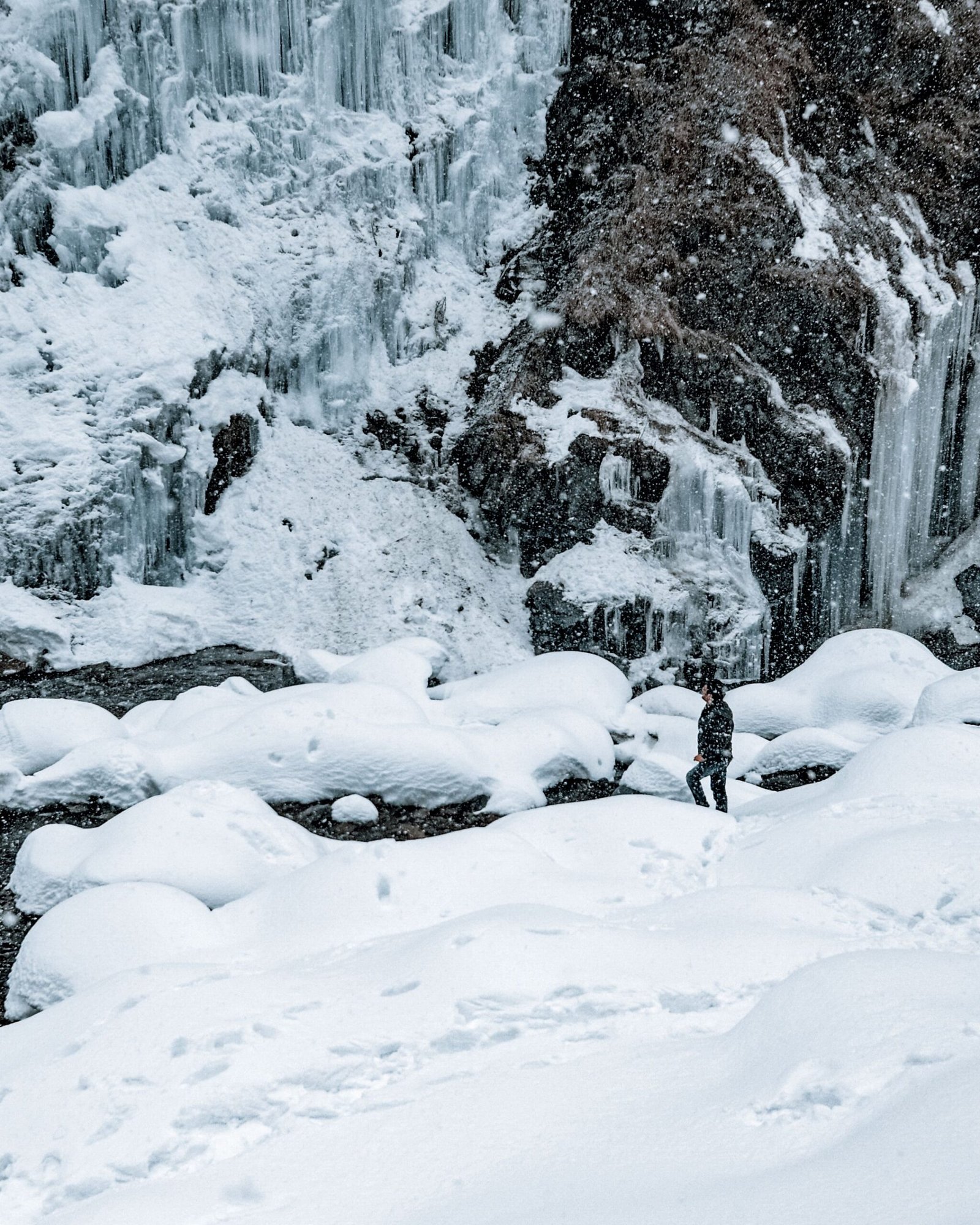
Ask a local about winter and you will hear the words “Chillai-Kalan.” This is the coldest 40-day period in Kashmir. It starts on 21 December and ends on 29 January. During this time, winter shows its full strength. Snowfall is often heavier. Nights become colder. Snow stays on the ground longer. For Gulmarg, this period helps build the deep snow that skiers wait for each year.
January: The Mountain Turns White
January is when Gulmarg begins to look like the photos you see online. Snowbanks grow beside roads. Roofs stay covered for days. Trees carry thick layers of snow. The second half of January is often a sweet spot. Snow is usually deep enough for great skiing. Yet the crowds are often smaller than February. Many experienced visitors quietly prefer this time of year.
February: The Deepest Snow
If your dream is deep snow, February is hard to beat. By now, the mountain has collected snow for weeks. Fresh storms still arrive. Cold temperatures help keep the snow in good shape.
This is usually when snow depth reaches its highest level. Skiers love February for this reason. The famous snow quality in Gulmarg is often at its best during this month. There is one trade-off. It is also the busiest month of winter. Hotels fill faster. Ski lessons get booked earlier. Prices can be higher too.
How Deep Does the Snow Get?
This is the question most travellers ask. In Gulmarg town, snow can often reach one to three metres during a good winter. Some snowbanks become even higher after roads are cleared. Higher up the mountain, the numbers increase.
Near Apharwat Peak Phase 2 skiing terrain, snow depths of two to five metres are common during peak season. In some spots, strong winds can create even deeper drifts. That is why upper slopes often stay snowy long after lower areas begin warming up. The higher Gulmarg ski altitude plays a huge role in preserving snow quality.
Is Heavy Snowfall Always Good?
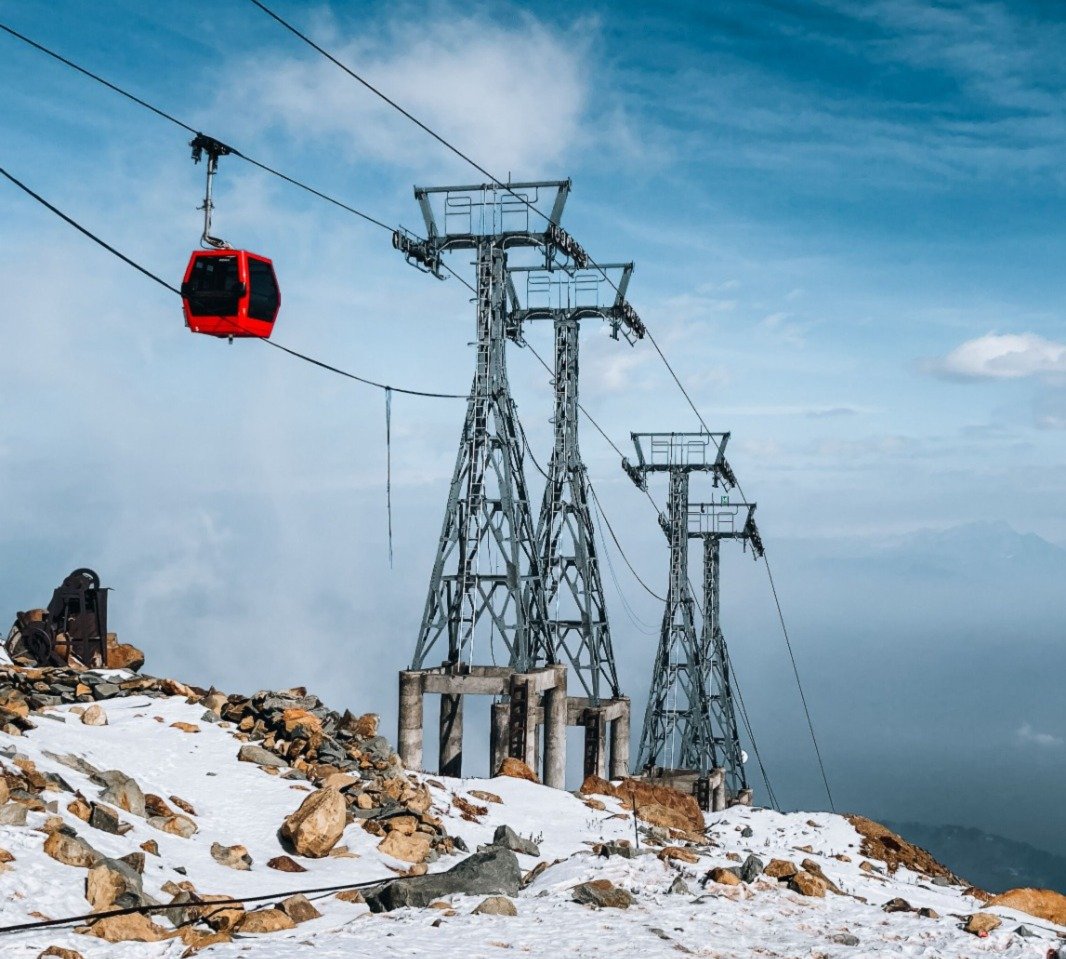
Most visitors love fresh snow. It is the reason they come. But heavy snowfall can sometimes slow things down. Roads from Srinagar may take longer to clear. Visibility can drop during storms. Gondola operations may pause if weather becomes severe.
This does not happen every day. Still, it is wise to keep some flexibility in your travel plans. Before travelling, many visitors check the latest information about Srinagar to Gulmarg road conditions during winter. A spare day in your itinerary can save a lot of stress.
What Should You Pack?
Many visitors from warmer cities underestimate a Kashmir winter. A stylish jacket may look good in photos. It may not keep you warm when snow is falling all day.
Carry these essentials:
- Thermal layers
- Waterproof jacket
- Warm gloves
- Woollen cap
- Thick socks
- Waterproof shoes
- Sunglasses
- Lip balm

Key Takeaways
Snowfall in Gulmarg usually starts between late November and December. January brings reliable snow. February often delivers the deepest snow of the season. March still offers good snow, especially on higher slopes. The best month depends on what you want. Some travellers want to watch fresh snow fall outside their hotel window. Others want deep powder for skiing. A few simply want to enjoy Kashmir at its most beautiful.
For more planning guides, ski tips, and mountain updates, explore Gulmarg Skiing. So before you book your tickets, ask yourself one simple question. Which version of winter do you want to experience?