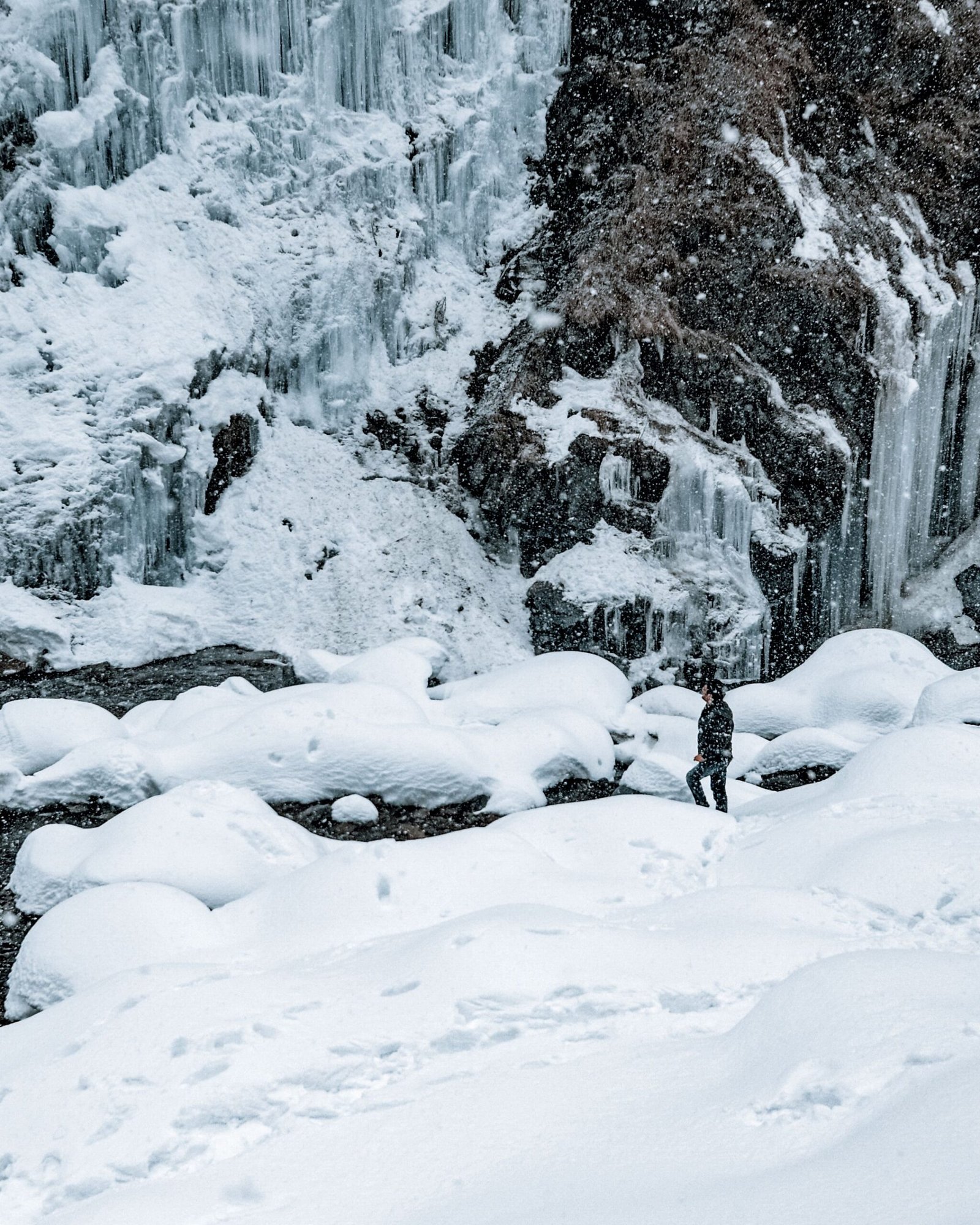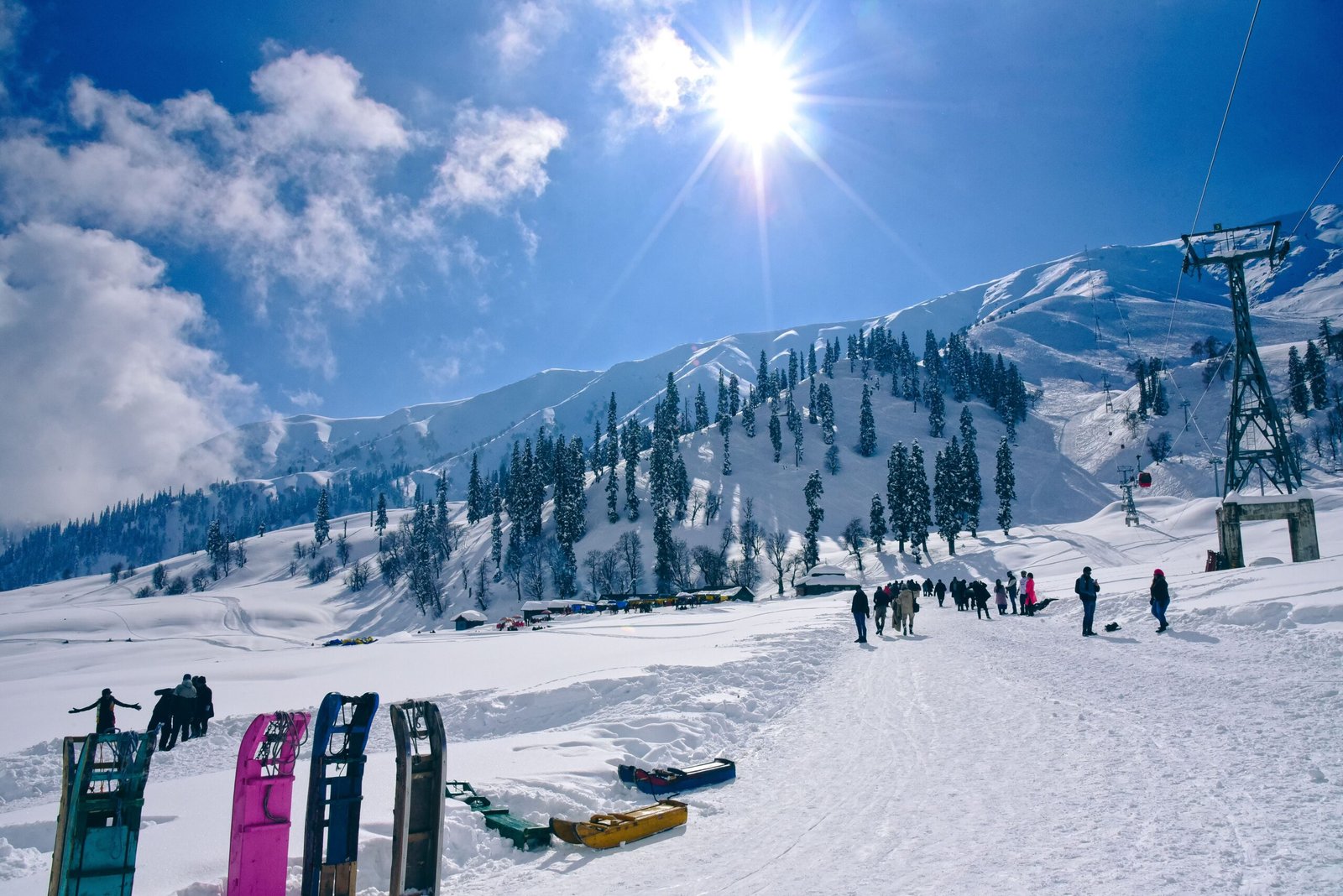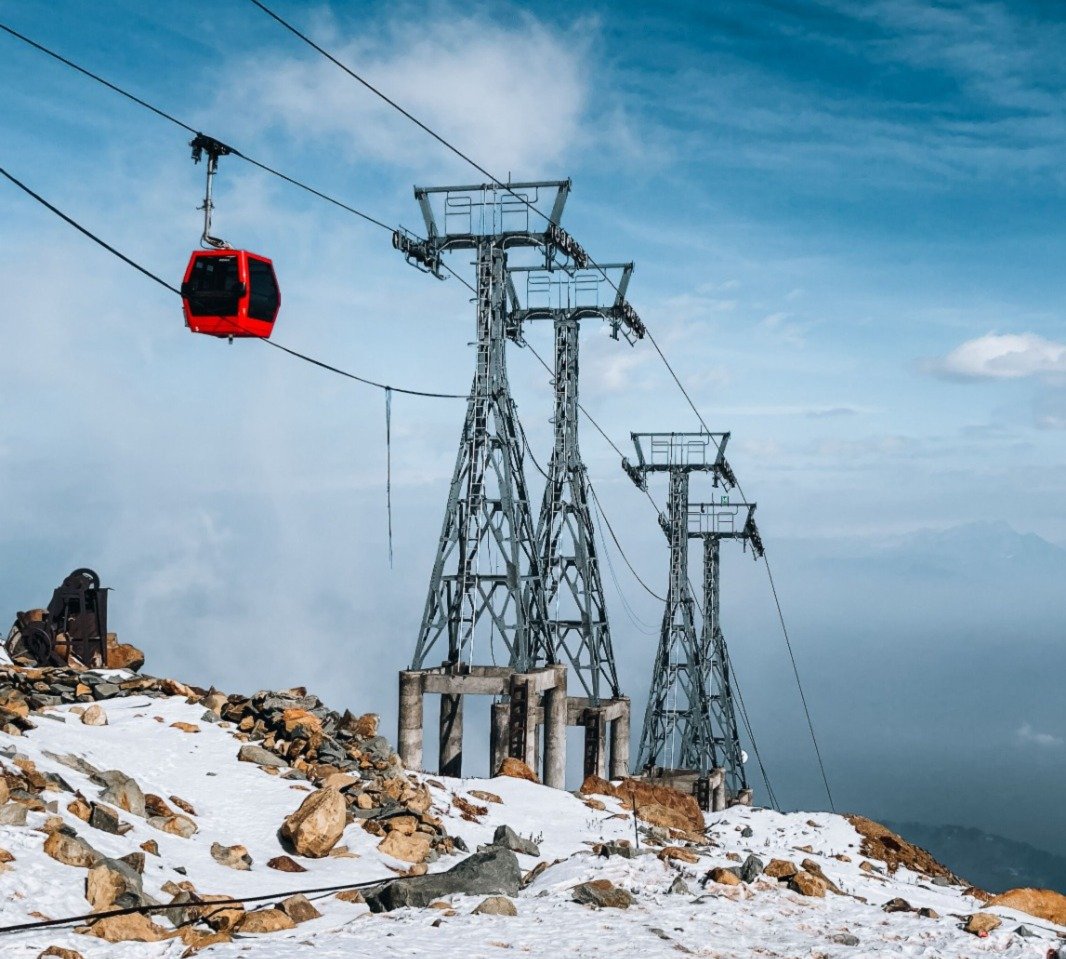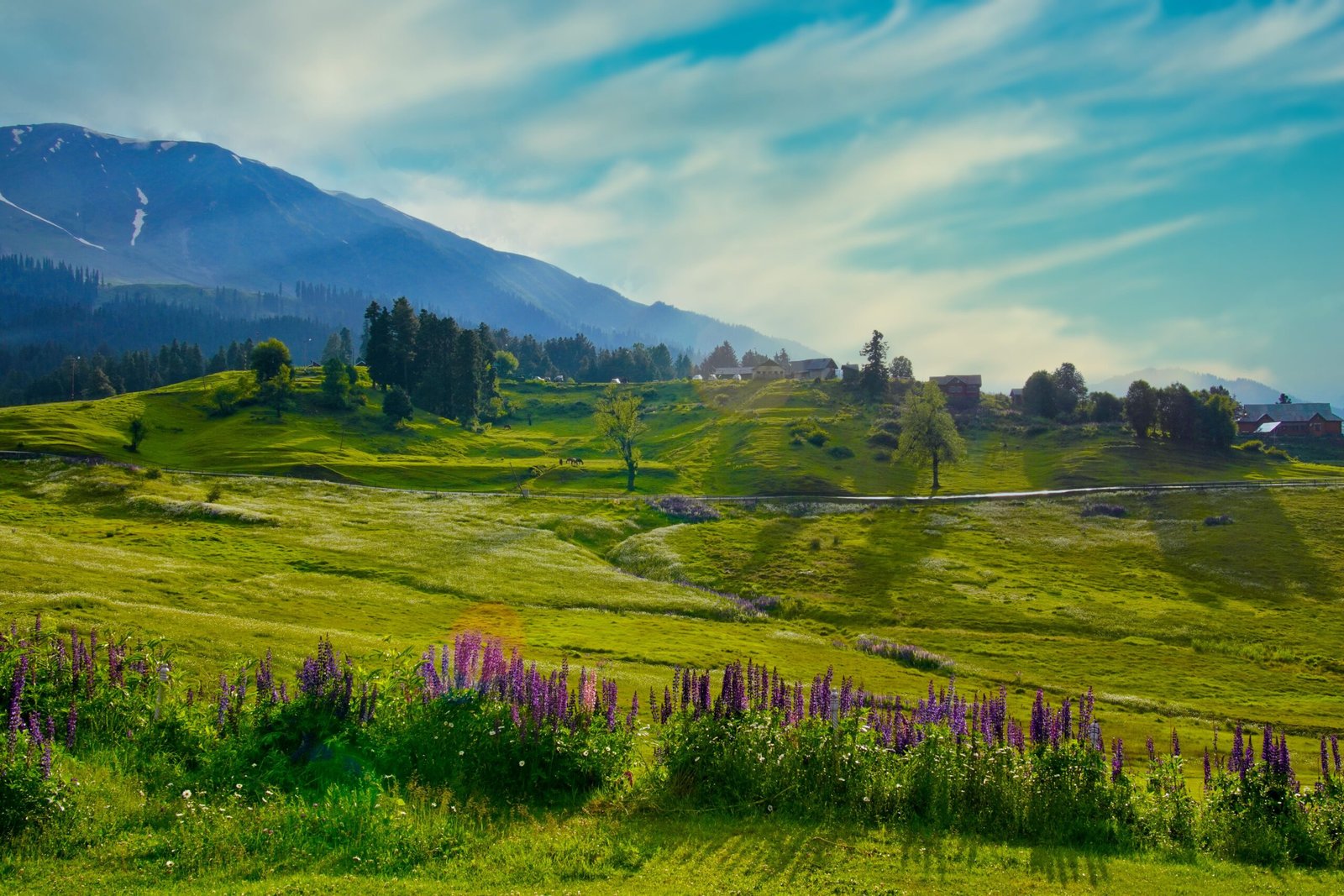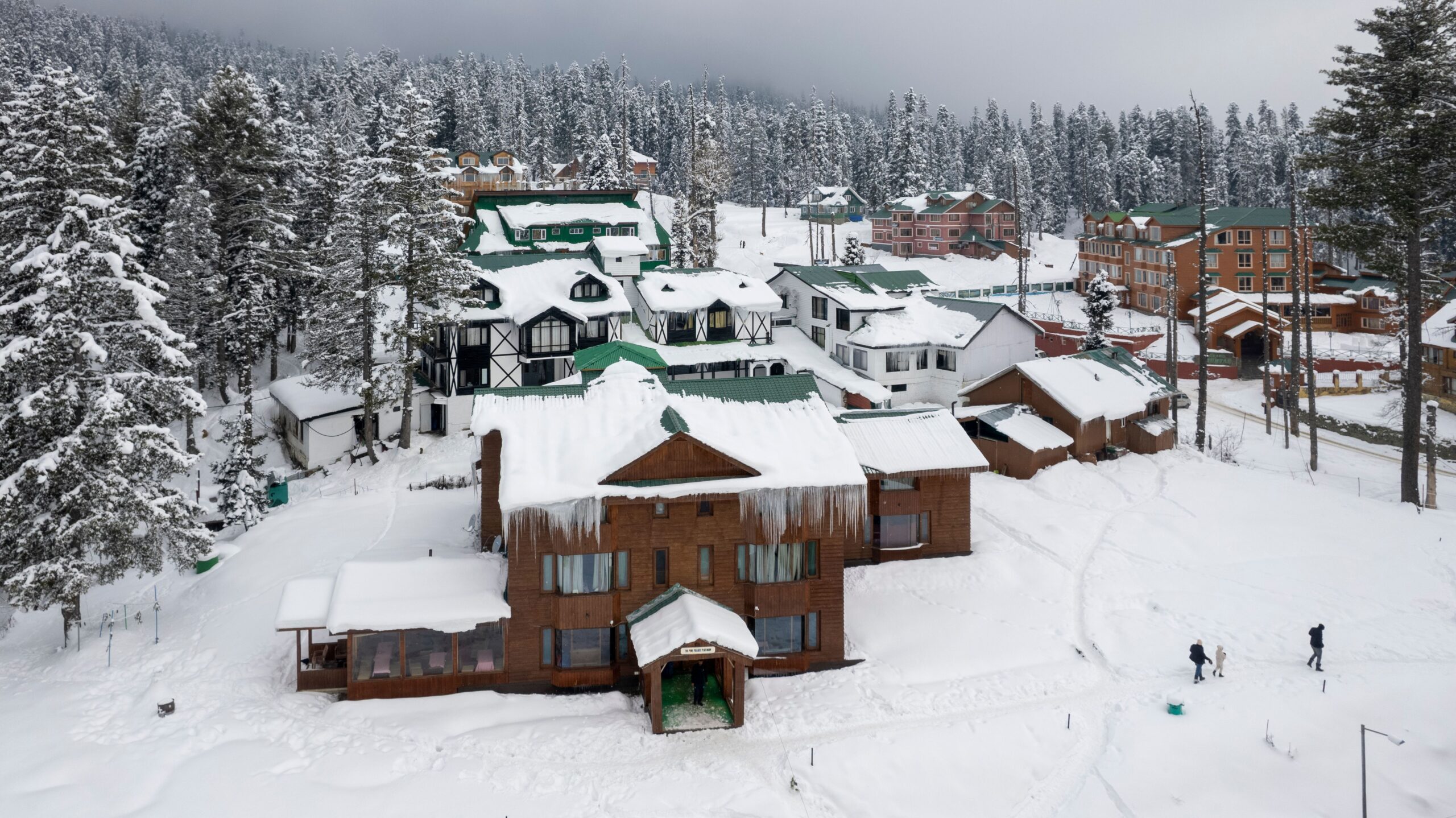
If you’re trying to understand gulmarg snow quality skiing, here’s the straight answer most skiers actually care about. Gulmarg doesn’t just get snowfall. It gets volume snow — the kind that builds deep winter layers, creates natural powder zones, and keeps changing with altitude and weather. Some days it feels like floating. Some days it turns heavy and technical. That contrast is exactly what makes it special.
But to really understand Gulmarg, you need to go beyond “good snow” or “bad snow.” You need to understand why it behaves the way it does. If you’re planning a full trip around this experience, it helps to explore a complete overview of skiing in gulmarg before diving into snow conditions alone.

Gulmarg Snow Quality Skiing: Why It Feels So Different
The first thing you notice is how quickly snow changes here. At the base level near Gulmarg town, snow feels softer and slightly compact because of movement and sun exposure. But as you go higher toward Kongdori and Apharwat Peak, the texture shifts completely into lighter, colder powder zones. This is where gulmarg snow quality skiing becomes interesting. The mountain is not one surface. It is stacked in layers of altitude.
Gulmarg sits at around 2,650 metres and rises close to 4,000 metres at Apharwat. That height difference creates multiple snow conditions in a single ski day.7 And honestly, that’s why locals never describe snow here in one word. They always say, “depends where you are skiing.”
For a better sense of how altitude changes skiing experience, you can also understand Gulmarg altitude impact before planning your runs.
Gulmarg Powder Snow: What Makes It Work
When people talk about gulmarg powder snow, they usually mean the fresh, soft snow that arrives after western disturbances. These weather systems travel from the Mediterranean region and hit the western Himalayas first. Gulmarg is one of the first major barriers they meet, which means it receives heavy moisture before the system weakens further inland.
That positioning is the real reason behind its strong snowfall cycles. In peak winter, especially during Chillai Kalan (Dec 21 to Jan 29), snowfall becomes frequent and deeper than usual. This is when powder conditions are at their best.
A few things that shape powder quality here:
- Fresh snowfall within last 24–48 hours
- Cold night temperatures preserving softness
- Wind redistribution on upper slopes
- Tree cover near Kongdori protecting snow texture
On good days, skis glide with almost no resistance. On other days, snow becomes heavier by afternoon due to sun exposure. That variation is normal here. If you are specifically planning your trip around peak powder weeks, checking the January skiing conditions in Gulmarg or February snow window helps a lot.
Gulmarg Snowfall Depth Skiing: How Deep Does It Actually Get?
Let’s talk numbers, because this is where most confusion starts. In peak season, gulmarg snowfall depth skiing conditions can be seriously deep in upper zones. Apharwat regions often hold multiple metres of accumulated snow across winter months.
A realistic breakdown looks like this:
- Lower slopes (Gulmarg town): lighter coverage, groomed patches
- Mid zone (Kongdori): moderate depth with fresh powder pockets
- Upper zone (Apharwat): deep natural snow, often untouched after storms
Annual snowfall in Gulmarg is estimated around 10–14 metres in strong seasons, which is significantly higher than many European ski regions. That’s the key difference. It’s not just about one snowfall event. It’s about continuous accumulation over months. To understand where all this skiing actually happens on the ground, it helps to explore the Gulmarg ski area layout.
Snow Science: Why Gulmarg Gets So Much Snow
The science behind gulmarg snow quality skiing is actually simple geography. Gulmarg sits on the western edge of the Himalayas. That means it is the first major mountain system that incoming western disturbances hit. As moist air rises, it cools rapidly and drops snow before moving further inland.
This is why:
- Snowfall arrives in repeated cycles
- Upper slopes accumulate deep layers
- Conditions change quickly after each storm
It also explains why snow depth varies so much between lower and upper zones on the same day.
Gulmarg vs Alps: Real Snow Comparison
Now let’s answer the question most skiers quietly think about. How does Gulmarg compare with the Alps? The Alps are highly structured. Slopes are groomed daily, snow is managed mechanically, and conditions are more predictable. Gulmarg is natural. It is raw terrain shaped entirely by weather.
Here’s the honest comparison:
- Alps: groomed, stable, highly predictable
- Gulmarg: natural powder, variable, weather-driven
- Snowfall: Gulmarg often matches or exceeds many Alpine resorts in volume
- Snow feel: Gulmarg is less dry than Japanese powder, slightly heavier at times
- Experience: Alps = precision, Gulmarg = unpredictability
The key difference is control. In the Alps, humans control the slopes. In Gulmarg, nature does. And that unpredictability is exactly what makes it exciting for many skiers.
If you’re still deciding between nearby Himalayan options, this comparison between Pahalgam vs Gulmarg for skiing can help clarify expectations.
Snow Quality Across the Season
Snow here doesn’t stay the same throughout winter. During Chillai Kalan, snowfall is most consistent and powder quality is strongest. January is usually peak skiing time. February brings stability and better visibility. March slowly transitions into softer, warmer snow.
In simple terms:
- December: early build-up, mixed snow
- January: peak powder and depth
- February: best balance of stability and skiing comfort
- March: soft snow, slower but scenic
If you want to time your visit properly, checking the best time to visit Gulmarg for skiing helps you match snow quality with crowd levels.
Practical Snow Experience Tips
If you are planning a ski trip mainly for snow quality, a few real-world patterns help:
- Early morning runs usually have the best powder texture
- Upper slopes hold better snow than base areas throughout the day
- 24–72 hours after snowfall gives the best riding conditions
- North-facing slopes preserve snow longer than sun-facing ones
- Post-storm days can feel amazing but may come with avalanche restrictions
One thing you quickly learn here is this: timing matters more than the date on your ticket. Before heading out, many skiers also check logistics like how to reach Gulmarg for skiing so weather delays don’t catch them off guard.
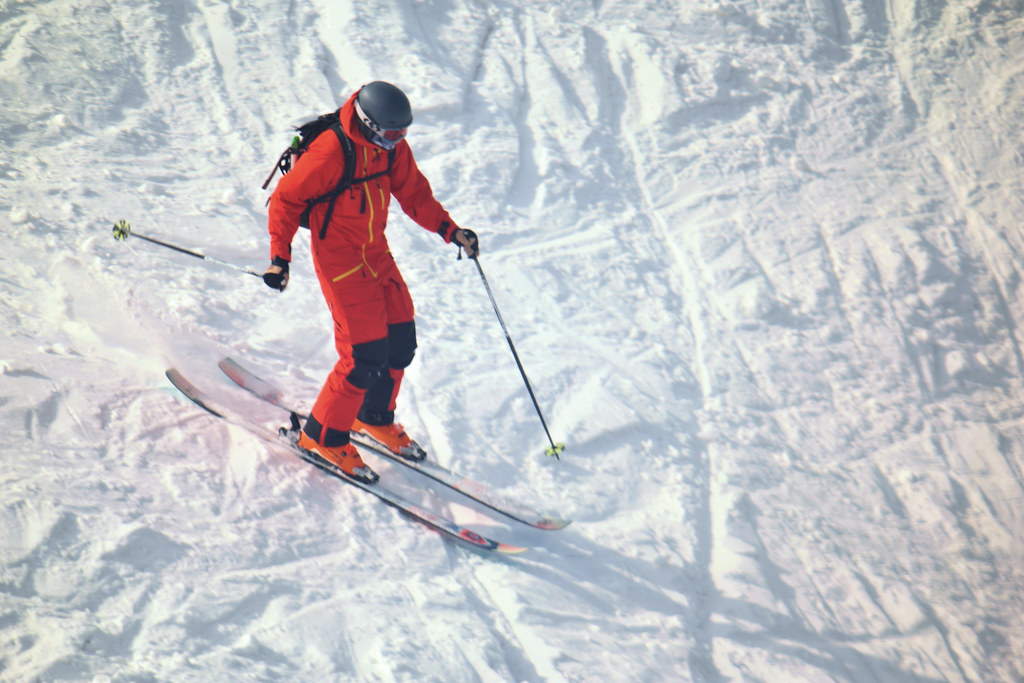
Avalanche Reality (Important But Often Ignored)
Deep snow also means natural risk. Upper zones near Apharwat can develop avalanche conditions, especially after heavy snowfall cycles. This is not constant, but it is real. That’s why local guidance and avalanche updates matter before heading into higher terrain.
The safest approach is simple:
- Follow local ski guides in upper zones
- Avoid off-piste skiing alone
- Check snow conditions after fresh storms
- Respect closed areas without hesitation
If you’re planning to explore higher terrain, this detailed Gulmarg Phase 2 guide is especially useful. Good snow is exciting. Safe snow is smarter.
Conclusion
The real beauty of gulmarg snow quality skiing is not just in how much snow falls, but in how alive it feels. Some days it behaves like soft powder floating under your skis. Some days it turns heavy and forces you to adjust your rhythm. And some days it feels completely different depending on where you stand on the mountain.That variability is exactly what makes Gulmarg different from polished ski resorts.
And maybe that’s the real question you should carry before planning your trip: Do you want snow that behaves exactly as expected, or snow that keeps changing the story every single day?