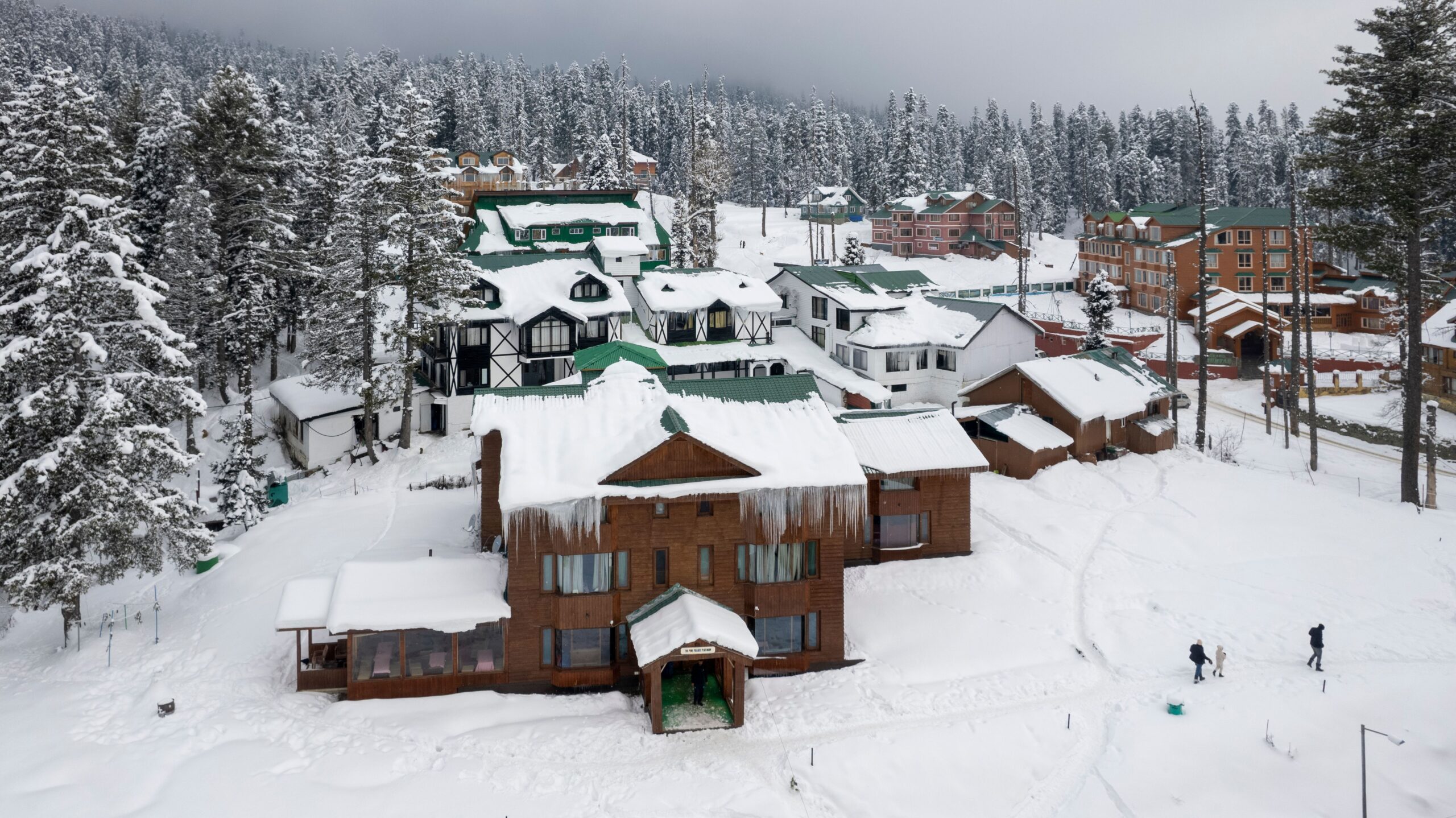
If you are planning apharwat peak gulmarg skiing, expect India’s most extreme lift-accessed ski terrain, where high-altitude powder, sudden weather shifts, and steep natural faces turn a normal ski day into a serious mountain experience.
This is not a casual ski zone. It is where Gulmarg shows its full power. And honestly, it is not for experimentation. You either respect the mountain here or the mountain quickly teaches you a lesson.

What Makes Apharwat Peak Phase 2 So Special?
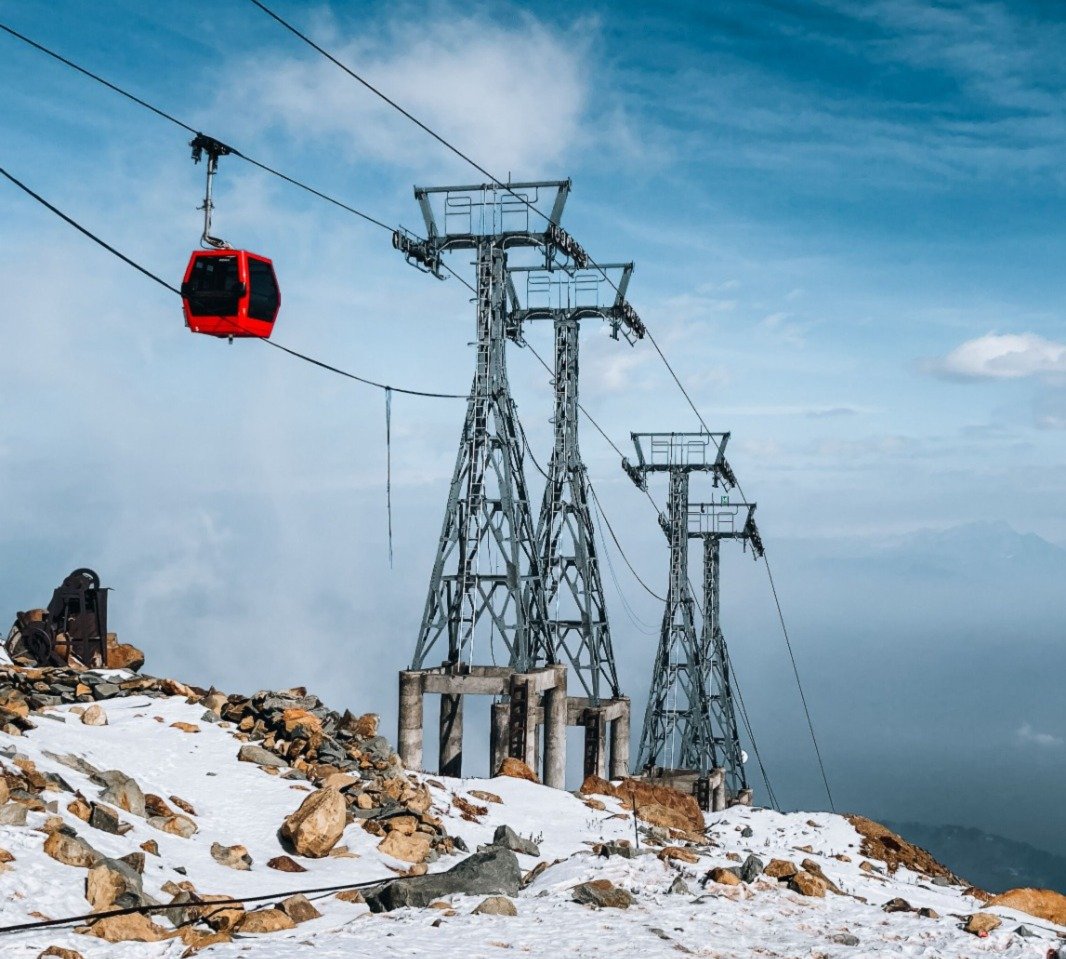
Apharwat Peak is reached after taking the Gulmarg Gondola online booking official process tips route via Phase 1 and Phase 2, climbing from green meadows to one of the highest lift-accessed ski points in Asia.
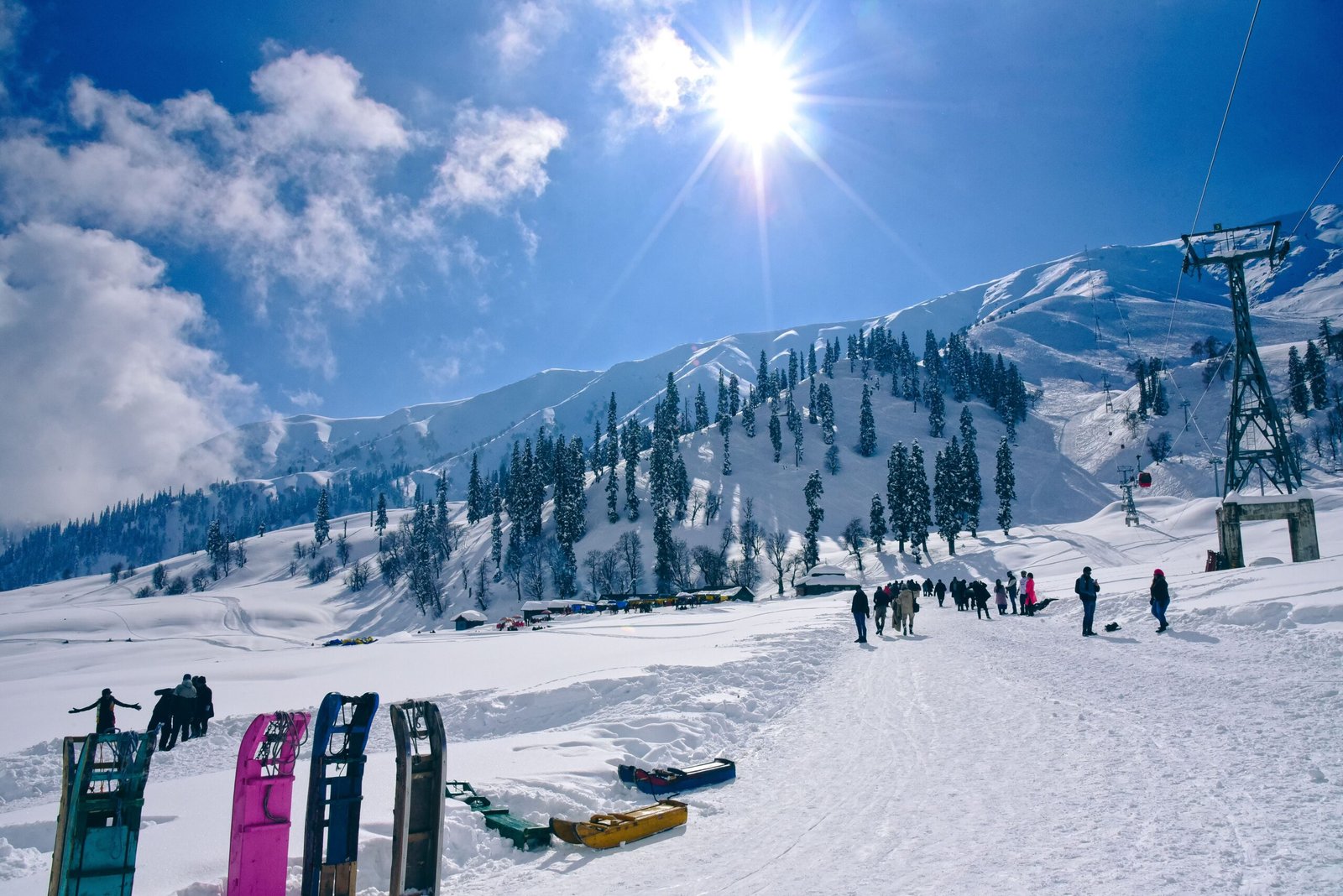
At Phase 2, you step into a different world. The terrain opens into vast alpine bowls, sharp ridgelines, and untouched snowfields that stretch towards the Line of Control.
This is where phase 2 advanced skiing Gulmarg truly begins. If you want to understand how dramatically conditions shift across the mountain, this breakdown of snow quality in Gulmarg powder depth comparison helps set the right expectations.
What makes it different:
- High-altitude snow quality stays dry and light
- Runs are natural, not groomed
- Visibility can change in minutes
- Terrain feels vast, not confined
It is beautiful. But it is also serious terrain.
Apharwat Peak Gulmarg Skiing Route: How You Actually Reach It
The apharwat gulmarg skiing route is simple on paper but demanding in reality. You start from Gulmarg base station, take Gondola Phase 1 to Kongdoori, then transfer to Phase 2 which climbs sharply towards Apharwat.
For a clear breakdown of the two stages, this guide on Gulmarg phase 1 vs phase 2 skiing helps a lot. Key details you should know:
- Phase 1 ride: ~9 minutes
- Phase 2 ride: ~12–15 minutes
- Total altitude gain: from ~2,650m to ~3,980m
- Last stretch depends heavily on weather
And here’s what most people miss:
Phase 2 is not all-day open. It often closes earlier than Phase 1 due to wind and visibility conditions. If you delay your ascent, you may simply miss it. That single mistake can end your ski day before it starts.
Phase 2 Timing, Tickets & Real Costs
Let’s talk money and reality, not assumptions. Typical pricing for apharwat peak gulmarg skiing:
- Phase 2 ticket: ~₹1,000 per person
- Combined Phase 1 + Phase 2: ~₹1,800 per person
- Chairlift (optional extension): ~₹300
If you want the full cost breakdown across gear, passes, and lessons, this Gulmarg skiing price 2026 full cost breakdown gives a clearer planning picture.
Important operational truth:
- Phase 2 usually runs ~10:00 AM to ~4:00 PM
- Slots are time-bound, not flexible
- Missing your slot usually means losing the ride
So if you are planning a full skiing day, early arrival is not optional. It is survival strategy for your itinerary.
The Terrain: Why Apharwat Feels Different
Once you exit the Gondola at Phase 2, the terrain opens into massive snow bowls and ridgelines. There are no neat ski lanes here. The mountain decides the path.
You will typically find:
- Wide powder fields for carving
- Steep natural drops for advanced runs
- Wind-packed ridges with fast transitions
- Hidden dips under fresh snow
To understand how terrain evolves across levels, you can compare it with Gulmarg ski area overview. This is why apharwat peak gulmarg skiing attracts advanced skiers more than beginners.
But here’s the reality check. This terrain is managed by ski patrol. Certain zones open and close based on avalanche risk. You are not free to ski everywhere. Ignoring this is where most accidents happen.
Avalanche Risk: The Most Important Thing Nobody Talks About Enough
Let’s be very clear. Apharwat is an avalanche-prone mountain zone. That does not mean it is unsafe by default. It means conditions change fast, and decisions matter. Ski patrol actively monitors and controls key areas. But off-piste skiing requires awareness and responsibility.
Before even thinking about deeper runs, it helps to understand Gulmarg altitude conditions because elevation directly impacts snow stability. If you are stepping beyond marked or guided zones, you should have:
- Avalanche transceiver (beacon)
- Probe and shovel
- Local guide support
- Real experience in powder terrain
Without this, you are not skiing advanced terrain. You are taking unnecessary risk. Even experienced skiers here prefer guides. That tells you enough.
What Advanced Skiers Actually Do Here
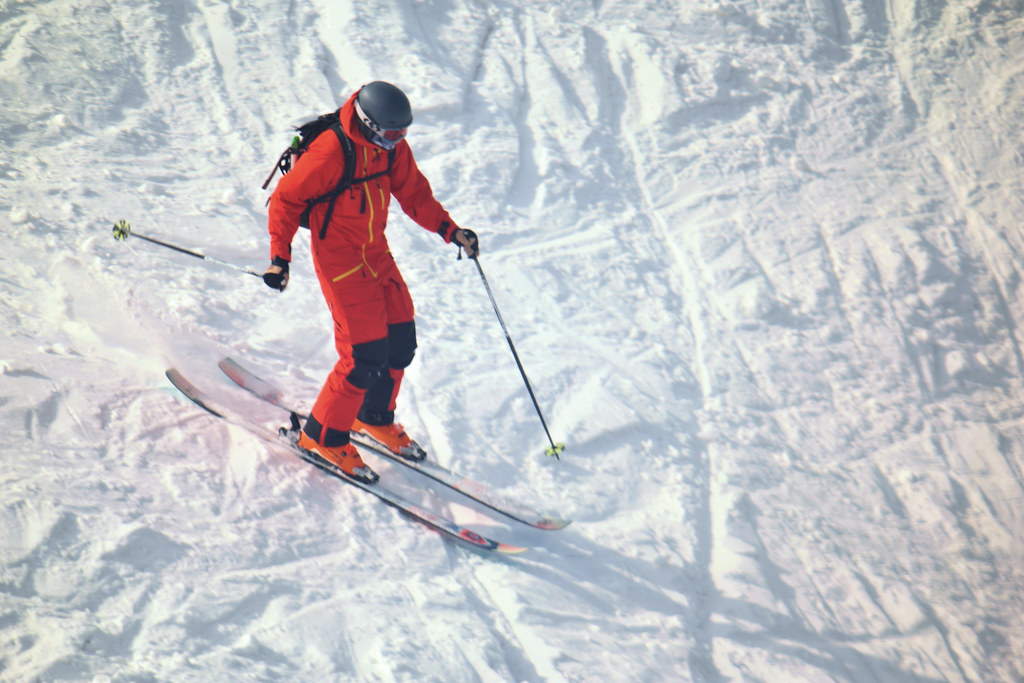
Most visitors think Apharwat is just one long run. It is not. A typical advanced ski day includes:
- Warm-up runs near Phase 2 drop zone
- Controlled descents into bowl sections
- Short breaks due to altitude fatigue
- Optional guided off-piste lines
The snow quality is often the best in Gulmarg after fresh snowfall. But conditions can also turn quickly into:
- Flat light
- Wind crust
- Sudden whiteouts
That unpredictability is part of the experience. If you are still figuring out progression steps, this how to learn skiing in Gulmarg guide helps bridge the gap between beginner and advanced terrain.
Heli-Skiing at Apharwat: The Real Peak Experience
If Phase 2 is advanced skiing, heli-skiing is next level. From Gulmarg heli-base, skiers are flown to high alpine zones around Sunshine Peak (~4,300m), above Apharwat. This is not casual tourism. This is elite skiing access.
Key points:
- Only certified operators allowed
- Weather-dependent flights
- Small groups with guides only
- Untouched powder descents
This is what most advanced international skiers actually come for. For a broader context of adventure experiences in the region, explore India’s ultimate adventure guide.
Other Things at Apharwat You Should Not Ignore
Apharwat is not only skiing. At the top, you also get:
- Panoramic views of the Pir Panjal range
- On clear days, visibility towards Nanga Parbat
- Seasonal access to Alpather Lake trek route
- High-altitude cafés and viewing points
For trip planning, checking best time to visit Gulmarg helps you avoid poor visibility days. Yes, even new tourism additions like high-altitude dining setups are becoming part of the experience. For non-skiers, this alone makes the ride worth it.
Who Should Ski at Apharwat Phase 2?
Be honest with yourself before you go.
Good fit for:
- Advanced skiers with control on steep terrain
- Riders with prior powder experience
- Skiers with instructor or guide support
- Adventure-focused travellers
Not suitable for:
- First-time skiers
- Casual snow tourists expecting gentle slopes
- Anyone uncomfortable with altitude + speed combination
If you are still in planning mode, this is Gulmarg good for beginners honest assessment helps clarify expectations early.
Simple Safety Rules That Actually Matter
Forget long safety lists. Focus on what works:
- Never ski alone here
- Stay within open zones marked by patrol
- Respect weather shutdowns immediately
- Start early before Phase 2 closes
- Keep breaks frequent due to altitude
And the biggest one: If visibility drops, stop. Do not push it. Apharwat rewards patience more than aggression.
Conclusion
Apharwat Peak is not trying to impress you. It is not built for comfort. It is a raw, high-altitude ski zone that quietly filters out hesitation. Some people come here expecting a ride. They return humbled. Others come prepared and leave with the kind of memories that stay for years.
So maybe the real question is not whether you can ski Apharwat Peak. It is whether you are ready to slow down enough to actually read what the mountain is telling you while you are there.