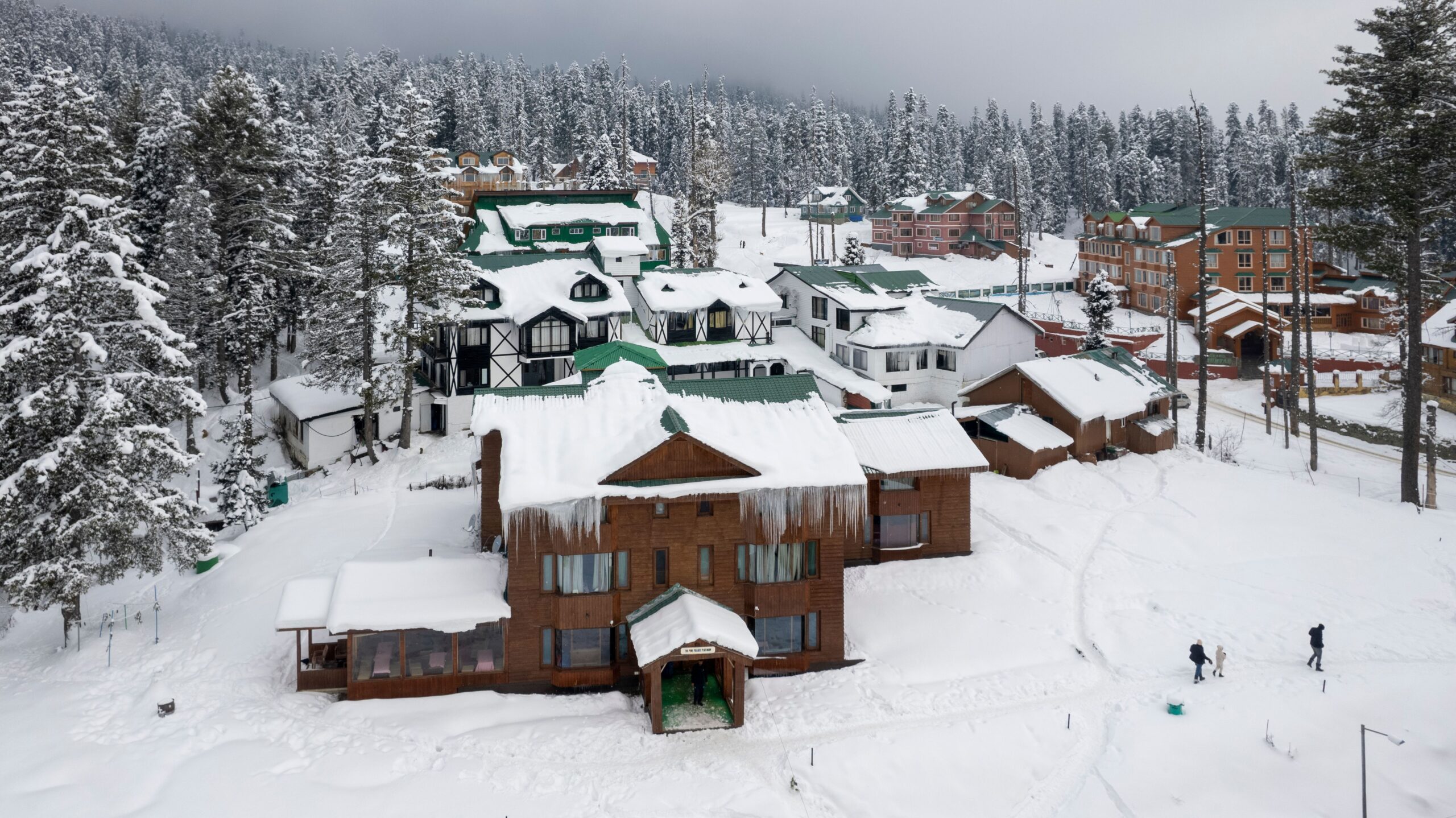
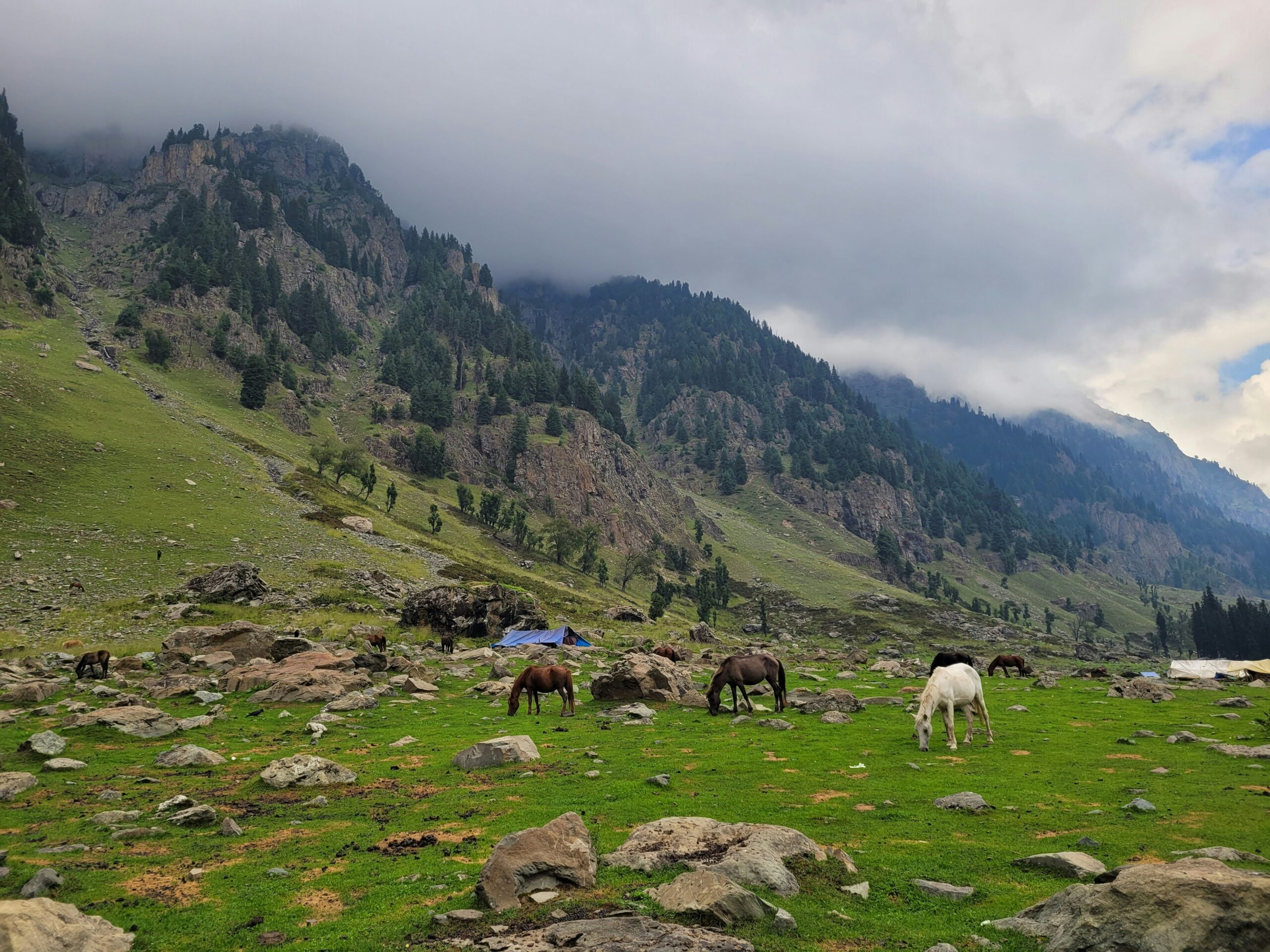
Gulmarg Wildlife Sanctuary is one of the best places to visit if you want to see the wild side of Kashmir. It is quiet, full of forests, and home to rare birds and animals that you will not find in many other parts of India.
Most people visit Gulmarg for the Gondola, snow and skiing. That is easy to understand. These are the biggest attractions in town. Yet there is another side of Gulmarg that many travellers miss. Just beyond the busy tourist spots lies a protected forest where nature still sets the rules.
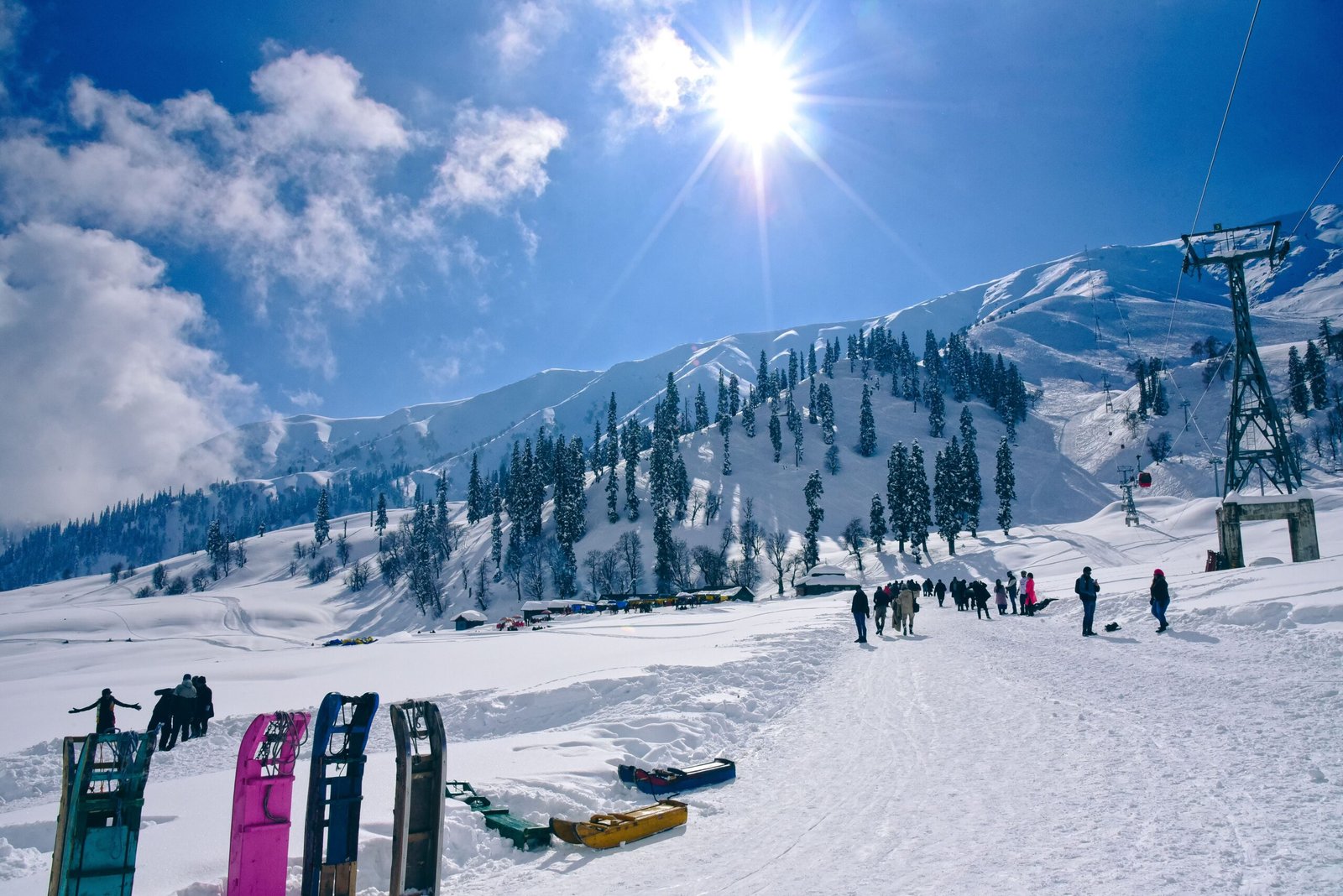
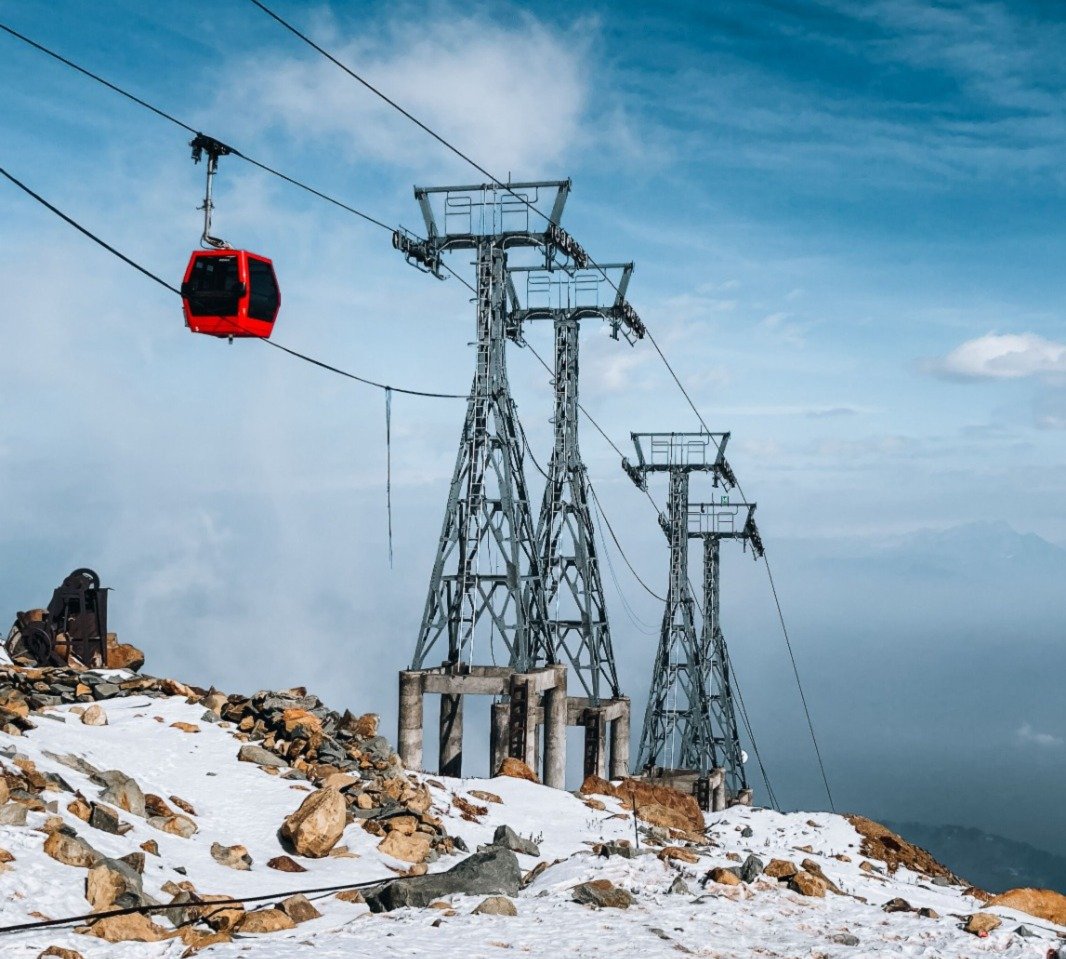
One thing surprises many visitors. A large part of the famous Gulmarg Gondola route passes through this sanctuary. So, if you have already taken the cable car, you have seen this forest from above. Walking through it is a very different experience. The air feels fresh, the noise fades away, and every turn brings a new view.
Gulmarg Wildlife Sanctuary Quick Facts
Detail | Information |
Location | About 5 km from Gulmarg |
District | Baramulla, Jammu and Kashmir |
Distance from Srinagar | Around 50 km |
Area | About 180 sq. km |
Entry Fee | Around ₹500 per person* |
Timings | 10:00 AM to 4:00 PM* |
Best Time for Birds | March to May |
Best Time for Wildlife | September to March |
Famous For | Musk deer, birds, forests and nature walks |
Fees and timings may change. It is always best to check the latest details before your visit.
What is Gulmarg Wildlife Sanctuary?
Gulmarg Wildlife Sanctuary is a protected forest in the Pir Panjal range of Kashmir. It covers hills, valleys, streams and thick woodland. The sanctuary was created to protect rare wildlife and keep this mountain forest safe for future generations.
The most famous animal here is the Himalayan musk deer. In fact, protecting this shy animal was one of the main reasons the sanctuary was created. Today, the forest also gives a safe home to many birds, mammals and plants that are found only in the Himalayas.
This is not a zoo or a safari park. Wild animals move freely through the forest. You visit their home, not the other way around. That simple thought changes the way you see this place.
Why is Gulmarg Wildlife Sanctuary Special?
Every forest has trees. Not every forest has the same value. Gulmarg Wildlife Sanctuary is important because it protects one of the richest mountain habitats in Kashmir.
The sanctuary is recognised as a Key Biodiversity Area by BirdLife International. This means it is one of the most important places for protecting rare bird species. Two birds make this forest especially valuable. They are the Kashmir flycatcher and the colourful Himalayan monal.
Another fact makes this place even more interesting. The famous Gulmarg Gondola passes through the sanctuary. Thousands of visitors enjoy the ride every year, but many never realise they are travelling over protected wildlife habitat.
Wildlife You May See
People often ask, “Will I see wild animals?” The honest answer is maybe. Wildlife does not appear on demand. That is what makes the experience feel real.
The forest is home to several Himalayan mammals. Some stay hidden during the day. Others come out early in the morning or close to sunset. If you stay quiet and keep your eyes open, you may get lucky.
Animals found here include:
- Himalayan musk deer (Moschus chrysogaster)
- Himalayan black bear (Ursus thibetanus)
- Common leopard (Panthera pardus)
- Himalayan brown bear
- Red fox
- Yellow-throated marten
- Himalayan weasel
Even if you do not spot a large animal, look at the ground. Fresh footprints in the mud or snow often tell their own story.
Birdwatchers Will Love This Place
If you enjoy watching birds, this sanctuary is one of the best places near Gulmarg. Around 95 bird species have been recorded here. Some live here all year. Others visit during different seasons. Early morning is the best time to hear birds calling through the forest. We often tell visitors not to rush. Stand still for five minutes. You will notice far more than you do while walking.
Some well-known birds found here are:
- Kashmir flycatcher (Ficedula subrubra)
- Himalayan monal (Lophophorus impejanus)
- Koklass pheasant
- Himalayan snowcock
- Golden eagle
- Bearded vulture
- Himalayan griffon
The sanctuary is also home to 31 butterfly species. They are easy to miss, but they add bright colour to the forest during the warmer months.
Plants and Forests
The trees here do much more than make the place look beautiful. They give food and shelter to birds and animals. They also help protect the soil and keep streams flowing through the mountains. As you walk through the sanctuary, you will see thick forests of:
- Silver fir
- Blue pine
- Silver birch
- Spruce
- Deodar cedar
Many rare medicinal plants also grow here. These include Saussurea costus, Picrorhiza kurroa and Jurinea dolomiaea. Local people have known the value of these plants for many years.
Best Time to Visit Gulmarg Wildlife Sanctuary
There is no bad time to visit. Each season gives you something different. The right choice depends on what you want to see. If your main goal is wildlife, plan your visit between September and March. Animals are often easier to spot because the forest is less dense. This period also overlaps with the Gulmarg snowfall season, when fresh snow makes animal tracks easier to notice. For birdwatching, visit from March to May. Many birds become more active during this time. The forest is full of fresh leaves, flowers and bird calls.
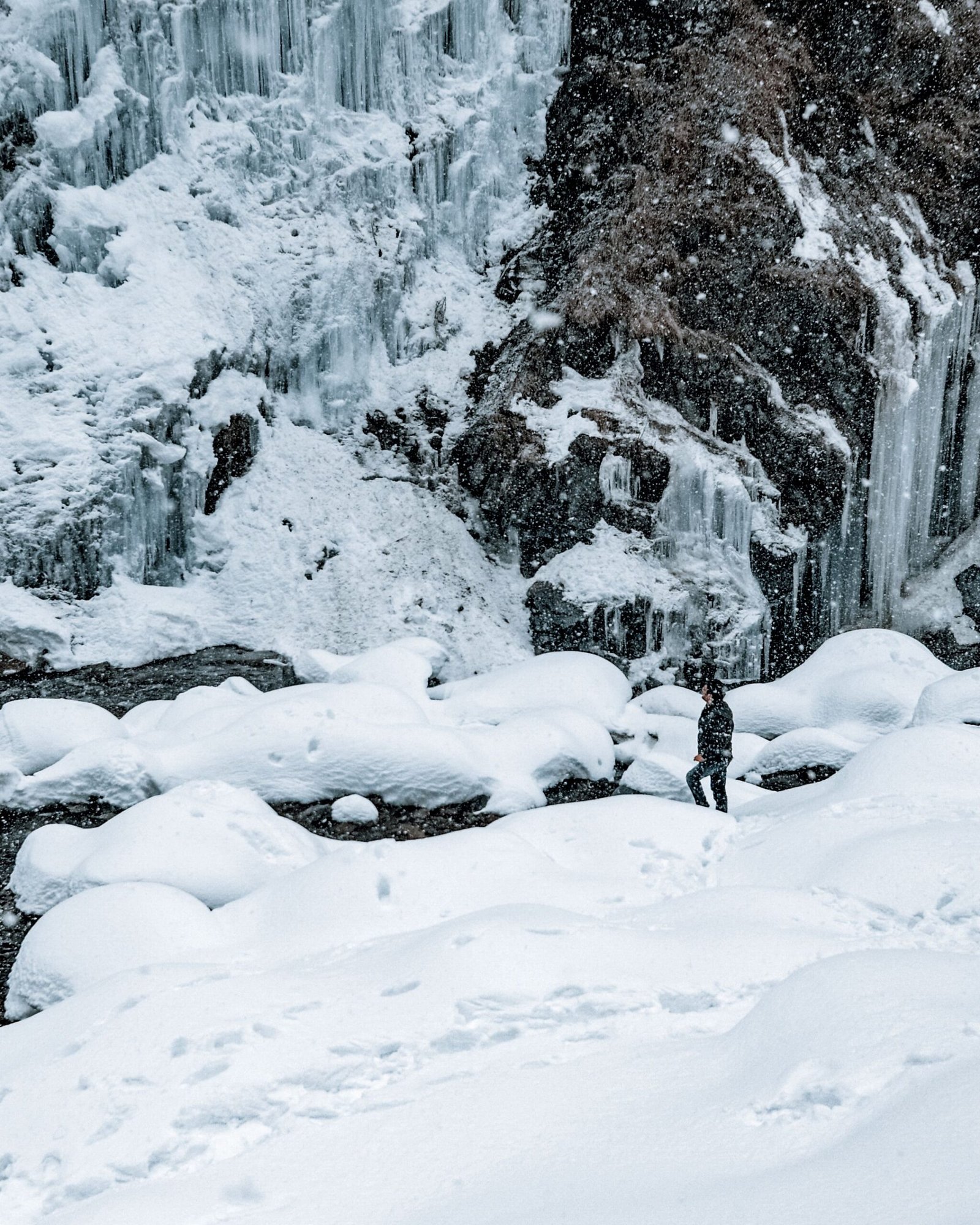
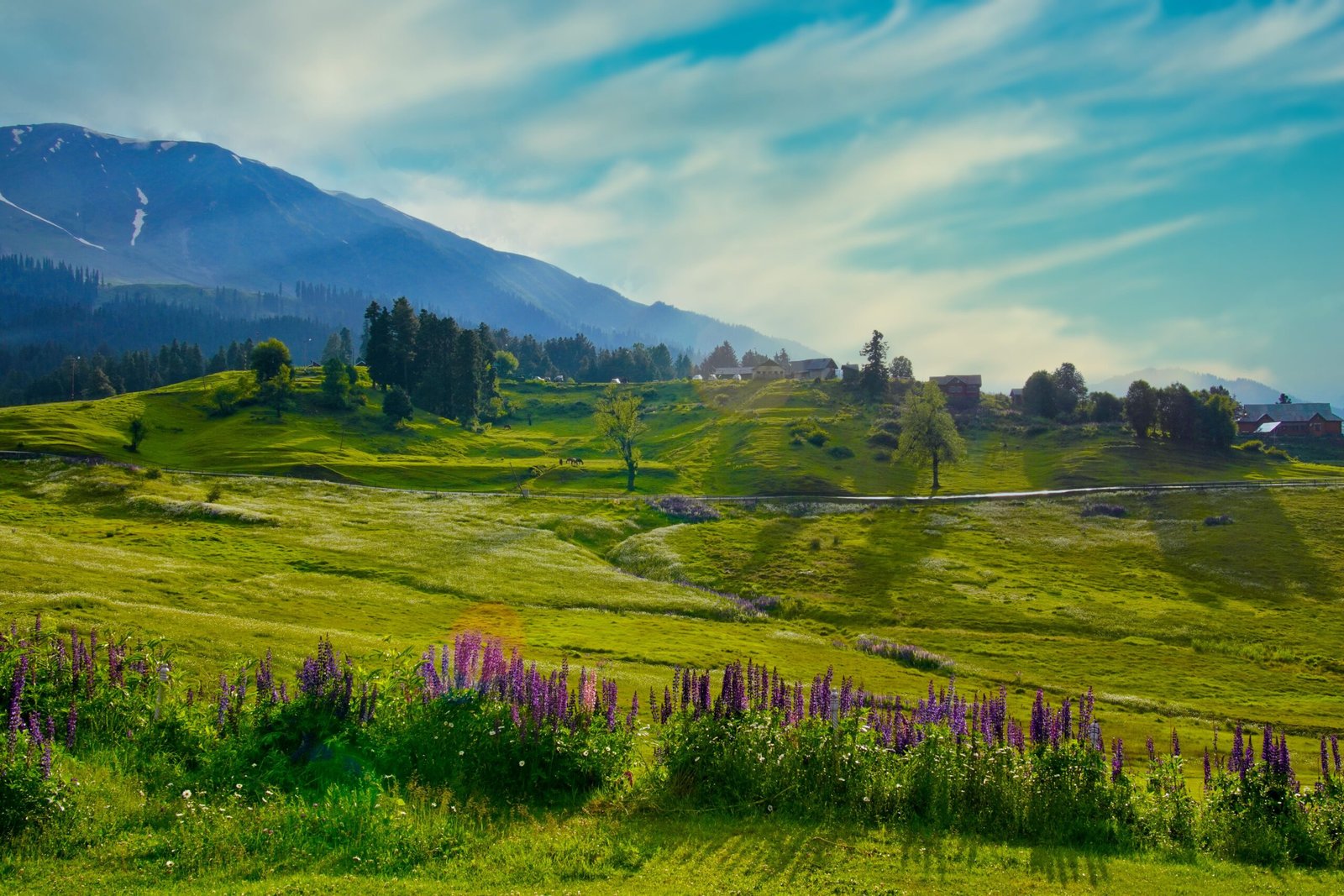
Summer is perfect if you simply want to enjoy the fresh air and peaceful walks. Winter turns the whole forest white. It looks beautiful, but heavy snow may close some roads.
If you are planning your holiday around the weather, our guide to the best time to visit Gulmarg can help you decide.
Timings and Entry Fee
The sanctuary is usually open during the day. Most visitors enter between morning and afternoon.
Here are the usual visitor details:
- Opening Time: 10:00 AM
- Closing Time: 4:00 PM
- Entry Fee: Around ₹500 per person
These details can change with weather or Forest Department rules. Check the latest update before you travel.
How to Reach Gulmarg Wildlife Sanctuary
The journey starts from Srinagar. The drive to Gulmarg is about 50 kilometres and usually takes one and a half to two hours. The road passes through villages, fields and tall pine forests, so the drive never feels boring.
Read the complete details on:Srinagar to Gulmarg before planning your trip.
From Gulmarg town, the sanctuary is only about 5 kilometres away. Local taxis are easy to find, and most drivers know the entrance well. If you are already spending a day in Gulmarg, adding the sanctuary to your plan is simple and does not take much extra time.
Many visitors try to cover everything in a hurry. We suggest doing the opposite. Keep enough time for this forest. Nature does not work on a schedule, and the best moments often come when you stop rushing.
Things to Do at Gulmarg Wildlife Sanctuary
Most people come here hoping to see wildlife. That is only one part of the experience. The real joy comes from slowing down and enjoying the forest around you. Even if you do not spot a musk deer or a rare bird, the peaceful setting makes the visit worthwhile.
You can enjoy several simple activities here:
- Walk through the forest trails.
- Watch birds with binoculars.
- Take nature photographs.
- Enjoy the fresh mountain air.
- Learn about Himalayan plants.
- Listen to birds and flowing streams.
- Spend quiet time away from crowded tourist spots.
Sometimes, the best memory is not an animal sighting. It is sitting on a fallen log while the forest slowly comes alive around you.
Photography Tips
If you enjoy photography, carry a little patience along with your camera. Wildlife rarely waits for anyone. You need to wait for the right moment instead of chasing it. Morning light is soft and works well for forest photography. After fresh snowfall, the dark trees and white landscape create beautiful contrast. Autumn is another great season because the changing leaves add warm colours to every frame.
Keep these tips in mind:
- Visit early in the morning.
- Carry a zoom lens if possible.
- Wear dull-coloured clothes.
- Avoid using flash near wildlife.
- Stay on marked trails.
- Respect the animals and their space.
A good wildlife photograph tells a story. You do not always need an animal in the frame. A quiet forest path or fresh bear tracks in snow can say just as much.
Helpful Visitor Tips
A little planning can make your visit smoother. The sanctuary is a protected area, so visitors should follow simple rules that help keep it safe. Before you leave, remember these points:
- Wear comfortable walking shoes.
- Carry drinking water.
- Pack a light jacket, even in summer.
- Bring binoculars if you enjoy birdwatching.
- Keep your phone on silent mode.
- Do not feed wild animals.
- Avoid playing loud music.
- Carry back all your plastic waste.
If you are visiting Gulmarg for the first time, remember that it sits at about 2,650 metres above sea level. You can learn more about the altitude of Gulmarg before your trip. Walk at an easy pace, drink enough water and give your body time to adjust, especially if you have arrived from the plains.
Nearby Places to Visit
The sanctuary fits easily into a full day of sightseeing. Since it is close to Gulmarg town, you can visit several attractions without spending long hours on the road.
Popular nearby places include:
- Gulmarg Gondola
- Apharwat Peak
- St Mary’s Church
- Maharani Temple
- Gulmarg Golf Course
- Strawberry Valley
- Ningle Nallah
Many travellers combine the sanctuary with other places to visit in Gulmarg. It creates a nice balance between adventure and quiet nature.

FAQs
Is Gulmarg Wildlife Sanctuary worth visiting?
Yes. If you enjoy forests, birds and peaceful walks, it is one of the most rewarding places in Gulmarg. It offers a very different experience from the busy tourist attractions.
Can I see wild animals here?
You might, but there is never a guarantee. The sanctuary protects wild animals in their natural home, so sightings depend on time, weather and a bit of luck.
What is the entry fee?
The entry fee is generally around ₹500 per person. Since charges can change, it is best to confirm the latest fee before your visit.
What are the sanctuary timings?
Visitors are usually allowed between 10:00 AM and 4:00 PM. Weather conditions or Forest Department rules may sometimes affect these timings.
Which is the best month to visit?
March to May is excellent for birdwatching. September to March is generally better if you hope to spot mammals.
Can children visit the sanctuary?
Yes. Families with children can visit safely. Young children should stay close to adults and follow the marked paths at all times.
Do I need a guide?
A guide is not compulsory, but hiring a local guide can make your visit more meaningful. They often know where to look for birds, animal tracks and interesting plants that most visitors simply walk past.
The forests of Gulmarg remind us that not every journey needs speed or excitement. Sometimes the best travel stories begin with a quiet walk, a distant bird call and the hope that the next turn in the trail may reveal something truly wild. If you want to explore more about skiing, travel planning and mountain adventures, visit Skiing in Gulmarg