Blog

Your blog category

gondola ride gulmarg booking

Gulmarg Gondola Tatkal Tickets: How to Get Last-Minute Slots

If you’re trying to figure out gulmarg gondola tatkal tickets, the simple truth is this — you can still get them at the last minute, but only if you understand the timing game. Most people miss out not because tickets don’t exist, but because they show up at the wrong time or expect a counter-style rush. The tatkal system for Gulmarg Gondola is not random anymore. It is a fixed online release system. If you treat it casually, you lose. If you treat it like a timed drop, you stand a real chance. Let’s walk through it properly so you don’t end up confused at the base station. Gulmarg gondola tatkal tickets: how the system actually works The tatkal system was introduced by JKCCC to help travellers get last-minute access when regular tickets are sold out. But it is fully digital now. Tickets are released only through the official booking portal: https://etickets.jammukashmircablecar.com The most important thing to know is timing. Tatkal opens at 5:00 PM sharp for next-day rides. Not in the morning. Not at counters. Only online. And the window is short. Sometimes just a few minutes depending on demand. If you’re still figuring out how the ride itself works, you can first understand the full experience in this detailed breakdown of the Gondola Ride Gulmarg Price and Phase 1 & Phase 2 Tickets. It helps you understand why Phase 2 fills up faster than Phase 1. Tatkal gondola gulmarg last minute booking timing and quotas Timing decides everything in tatkal gondola gulmarg last minute booking. At exactly 5:00 PM, next-day tatkal seats open. The system stays live only for a short burst — usually 3 to 8 minutes. After that, it shuts automatically when seats are filled. Here’s how the quota usually looks: Phase 1 (Gulmarg to Kongdoori): around 150 tatkal tickets Phase 2 (Kongdoori to Apharwat): around 100 tatkal tickets If you want to understand how the upper section behaves once you reach there, this guide on the Gulmarg Phase 2 Guide explains altitude, weather, and why tickets are so limited. People usually start refreshing their screens around 4:58 PM. It almost feels like a digital sprint. Gulmarg gondola urgent booking: price and real cost Let’s talk about money because gulmarg gondola urgent booking is where confusion usually starts. Tatkal pricing is slightly higher than normal tickets: Phase 1: approx ₹1,110 per person Phase 2: approx ₹1,310 per person A full ride across both phases usually comes to around ₹2,400+ per person. If you’re still planning your budget, the full breakdown is covered in detail here: Gulmarg Skiing Price 2026 Full Cost Breakdown. Even though it focuses on skiing, it gives you a clear sense of overall mountain expenses in peak season. No official agent is required. But during rush days, people sometimes use intermediaries because seats disappear quickly. Is it worth it? If you’re already in Gulmarg and missed regular tickets, yes. It still beats missing the ride completely. step-by-step: how to get gulmarg gondola tatkal tickets This is where most people go wrong, not because it’s complex, but because timing pressure messes them up. Here’s the real process: Log in to the official JKCCC site before 4:55 PM Keep passenger details and ID ready Ensure UPI or card is already active Refresh exactly at 5:00 PM Select Phase 1 or Phase 2 immediately Complete payment without delay Save confirmation instantly No counter visit. No morning queue. No offline trick works here. If you want a broader understanding of the booking ecosystem, this guide on Gulmarg Gondola Online Booking Process is useful before you even attempt tatkal. Why people fail at tatkal bookings Most failures are not about luck. They are about small mistakes that cost seconds. Common ones include: Logging in after 5:00 PM Slow internet during payment Switching devices mid-booking Not knowing Phase 2 sells out faster Waiting instead of clicking immediately It feels simple on paper. In reality, it moves fast. If you’re new to high-altitude travel and want to understand how terrain affects planning, check Is Gulmarg Good for Beginners — it gives you a clearer picture of how experience level impacts decision-making. What to do if tatkal tickets are sold out Sometimes even gulmarg gondola tatkal tickets disappear within minutes. If that happens, you still have options: Check early morning regular slots Shift your visit by one day if possible Ask hotel reception for last-minute cancellation updates Stick to Phase 1 if Phase 2 is unavailable No trick guarantees success here. It’s mostly timing and demand. For planning your full Kashmir adventure better, this resource on Best Time to Visit Gulmarg helps you avoid peak rush surprises. Important travel realities before booking Before you rely on gulmarg gondola urgent booking, understand how the system behaves. The ride has two phases: Phase 1 takes you from Gulmarg to KongdooriPhase 2 climbs further up to Apharwat Peak If you want to explore the terrain in detail, the Gulmarg Ski Area page gives a good sense of elevation zones and landscape changes. Altitude increases sharply as you go up. Some people feel mild breathlessness, especially in Phase 2. Nothing extreme, but noticeable. Weather also changes quickly. Even in summer, conditions at the top can feel very different from the base. FAQs Can I book tatkal tickets offline at the counter?No. Everything is online through the official portal. What time does tatkal booking open?Exactly at 5:00 PM for next-day rides. How long does the booking window stay open?Usually just a few minutes depending on demand. Can I book Phase 1 and Phase 2 together?Yes, if both quotas are available at that moment. Is tatkal guaranteed?No. It depends entirely on live availability and booking speed. Conclusion Getting gulmarg gondola tatkal tickets is less about planning and more about precision timing. You either catch that short window or you don’t. And once you understand that it’s a fast evening release system, not a casual booking flow, everything starts to make sense. The real question is not

Gulmarg Gondola Tatkal Tickets: How to Get Last-Minute Slots Read More »

gulmarg gondola in summer

Gulmarg Gondola in Summer: Is It Worth It Without Snow?

Yes, the gulmarg gondola in summer is still worth the money, even when there’s no thick snow waiting at the top. But the experience is different, and that difference is exactly what decides whether you’ll love it or feel underwhelmed. Some people expect a white wonderland in June or July. Then they reach and see green slopes instead. That’s where confusion starts. Snow or no snow is not the real question here. The real question is what you want from the mountains. Let’s break it down properly so you don’t regret the ticket later. Gulmarg gondola in summer: what you are actually paying for The Gulmarg Gondola is not just a ride. It’s one of the highest cable cars in the world and moves in two main phases. It starts from Gulmarg and climbs deep into the Pir Panjal range. If you’re planning a full trip around this region, it helps to understand how everything connects, and resources like skiingingulmarg give a wider picture of the destination. Ticket details (2025–26 season approx.): Phase 1 (Gulmarg to Kongdoori): ₹810 per person Phase 2 (Kongdoori to Apharwat): ₹1010 per person Full ride (both phases): around ₹1820 total Children below 3 years: usually free entry Tickets run on fixed time slots. You don’t just walk in and go. Time slots usually follow this pattern: 9:00 AM – 11:00 AM 11:15 AM – 1:15 PM 1:30 PM – 3:30 PM Miss your slot, and the ride is usually lost. Refunds are rare. That surprises many first-time visitors. And yes, this is where most planning mistakes happen. People arrive late thinking it’s flexible. It isn’t. For official booking flow, check Gulmarg Gondola online bookingFor price breakdown, see Gulmarg Gondola price 2026 Cable car gulmarg summer: what the ride feels like step by step The cable car gulmarg summer journey has two very different moods. Phase 1 feels calm and green. You float above pine forests and open meadows. No snow drama here. Just long slopes and quiet valleys. At Kongdoori, the air shifts slightly. Cooler. Wider views. Less noise. Then Phase 2 begins. This is where altitude becomes real. You climb toward Apharwat Peak at around 13,400 feet. Even in summer, small snow patches stay locked in shaded corners. Not huge fields, but enough to change the air on your face. A simple breakdown: Phase 1: forests, meadows, easy views Phase 2: high ridges, snow patches, cold wind Top: wide Himalayan view, silent horizon And yes, people go quiet up there. Even the loud ones. To understand the upper terrain better, explore Gulmarg Phase 2 guideYou can also see the terrain layout in Gulmarg ski area Gulmarg gondola off season reality: summer vs winter truth The gulmarg gondola off season debate is really about expectation mismatch. Winter brings thick snow, skiing, and that postcard look everyone imagines. Summer removes that layer completely. So what remains? Mountains. Pure and exposed. Summer shows structure. You see how steep the slopes actually are. You notice ridges snow normally hides. But here’s the honest split: If you want snow play → winter wins easily If you want visibility and calm views → summer feels better If you hate crowds → summer is easier One local guide once said something simple while standing at the top. “Snow decorates. Summer reveals.” That line fits perfectly here. For deeper seasonal planning, check best time to visit GulmargMonth-wise clarity is available in Gulmarg January snow guide and Gulmarg March conditions Altitude, weather, and safety you should know This part matters more than most visitors expect. Kongdoori (Phase 1): ~8,530 feet Apharwat Peak (Phase 2): ~13,400 feet At this height, oxygen drops. You feel it during fast movement or climbing. Basic reality checks: Short breath after quick movement is normal Mild headache can happen at higher altitude Cold wind hits even in June or July Weather can shift fast without warning If you have asthma, heart issues, or breathing sensitivity, get medical advice before heading to Phase 2. Practical safety matters here. And yes, carry a light jacket even in peak summer. The top ignores what you wore below. For altitude planning, this helps: Gulmarg altitude guide What most people miss after reaching the top Reaching Apharwat is not the end. It’s the pause after it. You’ll see: Wide Himalayan layers fading into haze Small snow patches stuck in corners Wind that feels sharper than expected Silence that feels unusually loud Most visitors stay 10–15 minutes and leave. That’s the mistake. Sit a little longer. Watch the ridges shift with light. The experience changes when you stop rushing. And maybe that’s the real value of gulmarg gondola in summer. Practical travel tips before you book Planning matters more than luck here. Book tickets early during peak months Reach at least 45 minutes before your slot Carry valid ID for verification Wear layered clothing Avoid tight post-ride schedules Network often drops near upper stations. Don’t rely on mobile data there. And don’t rush the ride. It’s not a checklist attraction. For beginners, this helps: Gulmarg beginners guideFor stays: stay options in GulmargFor travel routes: how to reach Gulmarg common mistakes people make These repeat every season: Expecting full snow in summer Missing booked time slots Overdressing in heavy winter gear Ignoring altitude effects at Phase 2 Leaving immediately after reaching the top Most disappointment comes from expectations, not the gondola itself. FAQs Is gulmarg gondola open in summer?Yes, it operates through most summer months unless weather interrupts. Is snow visible in summer?Only small patches at higher altitude in Phase 2. How long does the ride take?Phase 1 takes about 10–12 minutes. Phase 2 takes 12–15 minutes. Is it safe for kids?Yes, but higher altitude may feel uncomfortable for very young children. Is advance booking needed?Yes, especially during peak tourist season. So, is gulmarg gondola in summer worth it? Yes, but not for the reason most people imagine. It is not a snow ride. It is a height ride. A silence ride. A slow reveal

Gulmarg Gondola in Summer: Is It Worth It Without Snow? Read More »

Gulmarg Phase 2

Gulmarg Phase 1 vs Phase 2: Which Should You Book for Skiing?

If you are confused between Gulmarg Phase 1 and Phase 2 for skiing, the short answer is simple. Phase 1 is best for beginners and casual snow lovers, while Phase 2 is meant for experienced skiers who want steep slopes, deep powder, and a serious mountain experience. If this is your first time planning a Kashmir snow holiday, our complete guide to skiing in Gulmarg will help you understand the basics before booking anything. Now the real question starts. Should you spend extra money on Phase 2? Will Phase 1 feel boring? Is Phase 2 too risky for first-time visitors? Most people planning a Gulmarg ski trip ask these exact questions after seeing gondola photos on Instagram. And honestly, the answer depends less on your budget and more on your comfort level in snow. We have seen travellers book Phase 2 just for the hype, then spend half the time scared of the terrain. We have also seen beginners enjoy Phase 1 so much that they extend their ski session for another day. So before booking your gondola tickets, it helps to understand what each phase actually offers on the ground. Understanding the Gulmarg Gondola Before You Book The Gulmarg Gondola has two stages. If you are still confused about tickets, timing, or online reservations, this detailed guide on Gulmarg gondola booking clears up most common doubts. Phase 1 takes you from Gulmarg to Kongdoori. Phase 2 goes higher from Kongdoori to Apharwat Peak. Both rides are stunning, but the skiing experience changes completely once you move higher. You can also read our complete Gulmarg Phase 2 guide if you want a deeper understanding of the upper slopes and terrain. The difference is not just altitude. Snow quality, slope difficulty, weather conditions, visibility, and rescue access also change between both phases. The higher elevation also affects oxygen levels, which is why understanding Gulmarg’s altitude and weather conditions becomes important before skiing at Apharwat Peak. Here is the basic structure: Phase 1 altitude: Around 8,530 ft to 10,500 ft Phase 2 altitude: Around 10,500 ft to nearly 13,800 ft Phase 1 skiing style: Beginner to intermediate Phase 2 skiing style: Advanced and off-piste Phase 2 weather: More unpredictable and harsh Many people think the higher phase automatically means better fun. That sounds exciting online, but skiing does not work like a Bollywood climax scene. The mountain rewards skill, patience, and control. Gulmarg Phase 2 vs Phase 1 for Beginners If this is your first ski trip, Phase 1 is the safer and smarter choice. Most travellers who are trying skiing in Gulmarg for beginners usually feel far more comfortable starting in Kongdoori rather than directly attempting upper mountain terrain. The slopes near Kongdoori are wider and more forgiving. You get enough space to learn balance, turns, and stopping techniques without feeling like the mountain wants to throw you into Kashmir’s next district. Most ski instructors also prefer teaching in Phase 1 because the terrain suits learners better. The snow here stays manageable, and visibility is often clearer than the upper section. You can spend hours here without feeling overwhelmed. That matters more than most people realise. A first-time skier usually enjoys: Gentle gradients Easier fall recovery Better instructor access Less wind exposure Shorter rescue response time One thing many travellers ignore is altitude sickness. At Phase 2, the thinner air can hit suddenly. Even fit people sometimes feel dizzy or exhausted after a few runs. In Phase 1, your body adjusts more comfortably. So if you are travelling with family, children, or friends who just want to enjoy snow activities casually, Phase 1 makes much more sense. Phase 1 vs Phase 2 Gulmarg Gondola Difference for Skiing Enthusiasts Now let us talk about the serious skiers. If you already know carving, powder control, and steep descents, Phase 2 is where Gulmarg becomes world-class. This is the terrain that attracts international skiers every winter. The wider Gulmarg ski area around Apharwat is known for deep powder and long off-piste runs. The moment you step out near Apharwat Peak, the mountain feels raw and wild. The wind gets sharper. The slopes stretch endlessly. Fresh powder often stays untouched after snowfall. You stop hearing tourist chatter and start hearing only skis cutting through snow. That feeling is addictive. The phase 1 vs phase 2 Gulmarg gondola difference skiing experts care about mostly comes down to terrain quality. Phase 2 gives you longer descents, steeper sections, and deep powder runs that are impossible in lower areas. Still, there is a catch. Phase 2 is not a controlled ski resort like Europe. Some sections are ungroomed and unpredictable. Weather changes fast here. A clear morning can turn into whiteout conditions within minutes. That is why experienced guides matter. Should You Spend Extra Money on Phase 2? This depends on your purpose. If your goal is simply to enjoy snow, click photos, try beginner skiing, and have a relaxed holiday, spending extra on Phase 2 may not feel worth it. But if skiing is the main reason you came to Gulmarg, then Phase 2 delivers a completely different experience. Think of it like this. Phase 1 feels like learning cricket in your colony ground. Phase 2 feels like suddenly walking into an international stadium under floodlights. Both are exciting, but the pressure and intensity change fast. We usually suggest this approach: First-time visitors: Start with Phase 1 Intermediate skiers: Try both phases Advanced skiers: Prioritise Phase 2 Families with kids: Mostly Phase 1 Photography lovers: Both phases are excellent One practical thing many blogs forget to mention is timing. Gondola queues get longer during peak season, especially after fresh snowfall. Reaching early in the morning helps a lot. If you are still deciding whether Gulmarg is the right destination for your ski holiday, this comparison on Pahalgam or Gulmarg for skiing can help you choose better based on your travel style. Weather Changes Everything in Gulmarg A perfect ski plan on paper means nothing if weather

Gulmarg Phase 1 vs Phase 2: Which Should You Book for Skiing? Read More »

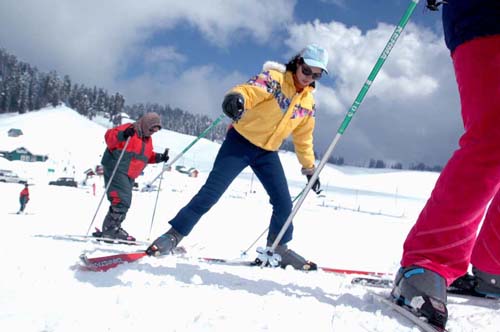
Apharwat (Phase 2) Skiing Slope in Gulmarg

Gulmarg Gondola Online Booking: Official Process & Tips

The easiest way to secure Gulmarg gondola online booking is by using the official JKCCC website. A few days before your trip, especially during January and February when tickets sell out very fast. A lot of travellers assume they can book after reaching Gulmarg. That works during quiet weeks. It fails badly during snowfall season. We once met a couple from Pune standing outside a hotel lobby in Gulmarg at 8 in the morning, refreshing booking pages with frozen fingers because every Phase 2 slot had vanished overnight. The hotel owner smiled and said, “Fresh snow came yesterday. Now everyone suddenly remembers Gulmarg exists.” That is how fast demand changes here. And honestly, that is why understanding the booking process matters more than people realise. Why Gulmarg Gondola Tickets Sell Out So Quickly The Gulmarg Gondola is not just a tourist attraction anymore. It has become one of the biggest winter experiences in India.  The cable car carries visitors from Gulmarg base towards Kongdoori and then further up to Apharwat Peak. During heavy snowfall weeks, thousands of tourists want the same thing at the same time. And there is another reason. A lot of travellers visiting the wider Gulmarg ski area book tickets alongside skiing lessons, snowboarding trips, and photography tours. That demand pushes slots out quickly during peak season. Weekends become even more crowded. Especially during school holidays and long weekends. Official Website for Gulmarg Gondola Tickets Online Booking This is the official booking portal: https://www.jammukashmircablecar.com, here you can go for Gulmarg gondola online booking. Always use the official website for payments. Many fake agents and duplicate websites appear online during winter season. Some charge extra money. Others send fake confirmations that stop working after arrival. That situation creates unnecessary panic in Gulmarg. And honestly, nobody wants to argue about refund screenshots while snow falls outside. Step-by-Step Gondola Booking Gulmarg Online Process The actual Gulmarg gondola online booking process feels simple once you understand the flow. Here is how most travellers complete their booking: Visit the official JKCCC website Create an account using mobile number or email Verify your account with OTP Choose travel date Select Phase 1 or Phase 2 tickets Pick your preferred time slot Add passenger details carefully Complete payment online Download the e-ticket with QR code  Save the ticket on your phone immediately. Also keep one screenshot offline. Mobile network in Gulmarg becomes unreliable during snowstorms. That tiny preparation can save you a long headache later. Understanding Phase 1 and Phase 2 Before Booking A lot of first-time visitors blindly book both phases because social media tells them to. That is not always the smart choice. Phase 1 Phase 1 takes visitors from Gulmarg to Kongdoori at around 2,650 metres. This section works best for: Families Casual tourists Snow lovers Beginner skiers Elderly travellers Most people genuinely enjoy this phase enough. The views already feel dramatic here. If you are new to snow sports, reading this guide on skiing in Gulmarg for beginners helps before booking upper phases. Phase 2 Phase 2 climbs further towards Apharwat Peak at around 4,390 metres. This section feels colder, windier, and more intense. It suits: Experienced skiers Adventure travellers Deep snow lovers People comfortable with altitude Before booking this section, it helps to understand the real impact of Gulmarg altitude because some tourists experience mild breathlessness or headaches near Apharwat. And yes, weather changes quickly there. Very quickly sometimes. Gulmarg Gondola Official Booking Timings Many travellers ignore timings while planning. Then they spend half the morning standing in queues unnecessarily. The usual gondola schedule looks like this: Phase 1 Timings 9:00 AM to 11:00 AM 11:15 AM to 1:15 PM 1:30 PM to 3:30 PM Phase 2 Timings 9:00 AM to 1:00 PM 1:00 PM to 3:30 PM Operations still depend heavily on weather. Strong winds or poor visibility can stop services anytime. That unpredictability frustrates some travellers. But mountain systems always follow weather firs and tourists second. Important Booking Rules Most Tourists Miss This part deserves attention. A few small mistakes can waste both time and money in Gulmarg. Keep these things in mind: Phase 2 works only if Phase 1 operates Missing your slot may lead to penalties Tickets remain valid only for limited hours Refunds for weather closures usually take several working days Child tickets apply above certain age limits QR code tickets must remain readable One traveller near Kongdoori once told us he missed his slot by fifteen minutes because his taxi got stuck behind snow clearing machines. The ticket became useless. That hurt more than the cold. Tatkal Booking Helps During Peak Snowfall Tatkal booking has become extremely important now. Especially during January and February snowfall in Gulmarg. Limited Tatkal tickets usually open around 5 PM daily for next-day travel. Approximate availability often looks like this: 300 extra Phase 1 tickets 200 extra Phase 2 tickets Tatkal prices stay slightly higher than normal tickets. Still, many travellers depend on them after regular slots sell out. And honestly, the competition becomes intense during fresh snowfall weeks. We once watched Phase 2 Tatkal slots disappear in under four minutes after weather reports predicted heavy overnight snow. Best Time to Book Gondola Tickets Timing changes everything in Gulmarg. The best time to visit Gulmarg for skiing usually falls between January and March, but ticket pressure changes month by month. December in Gulmarg feels quieter with early snowfall excitement. January in Gulmarg becomes extremely crowded after fresh snow. March often gives clearer skies and slightly easier availability. Morning slots usually offer better mountain visibility. Afternoon weather can turn cloudy surprisingly fast. And honestly, one clear morning ride feels completely different from a foggy afternoon where all you see is white mist outside the cabin. How to Reach Gulmarg Before Your Gondola Ride A successful booking means little if you reach late. Most travellers first arrive in Srinagar and then drive towards Gulmarg. Winter traffic and snowfall often increase travel time sharply. That is why checking how to

Gulmarg Gondola Online Booking: Official Process & Tips Read More »

Highland Park skiing slope in Gulmarg

Gondola Ride Gulmarg Price: Phase 1 & Phase 2 Tickets

The gondola ride Gulmarg price currently starts around ₹810 for Phase 1 and ₹1,010 for Phase 2, but the real decision is understanding which phase is actually worth your money. A lot of tourists book both phases without thinking much. Then half of them spend the day freezing at Apharwat Peak while wondering why they ignored the weather warning. We saw this happen during one snowy morning in Gulmarg. A family from Delhi rushed towards the counters because someone at their hotel said, “Phase 2 is the real Gulmarg.” Two hours later, strong winds shut visibility completely near Apharwat. The children looked exhausted. The parents admitted they would have enjoyed Phase 1 more. That is the thing about Gulmarg. The highest ticket is not always the smartest ticket. Why the Gulmarg Gondola Is So Famous The Gulmarg Gondola is not just another cable car ride. It is the world’s second-highest and second-longest cable car system, stretching across snowy forests and mountain ridges in Kashmir. The ride connects Gulmarg town with Kongdoori and then climbs further towards Apharwat Peak. If you are exploring the full Gulmarg ski area, this gondola becomes the heart of the experience. And honestly, the first time the gondola cabin lifts above the pine trees, most people stop talking for a minute. Snow-covered slopes appear below you. Skiers look tiny from above. Thick clouds drift across the mountains like slow smoke. Even people who came only for sightseeing usually step out smiling. Gondola Ride Gulmarg Price in 2026 This is the main question most travellers search for before planning the trip. Here are the latest approximate ticket prices for 2026: Gondola Phase Approx Ticket Price Phase 1 Gulmarg to Kongdoori ₹810 Phase 2 Kongdoori to Apharwat Peak ₹1,010 Phase 1 Tatkal Ticket Around ₹1,110 Phase 2 Tatkal Ticket Around ₹1,310 Children below 3 years usually travel free. Children above that age generally require full tickets. Prices sometimes change slightly during new government updates or system revisions. That is why checking the official Gondola ride Gulmarg booking updates before travel is always smart. What Is the Difference Between Phase 1 and Phase 2? This part matters more than people realise. A lot of travellers assume both phases feel similar. They do not. Phase 1 Gondola Phase 1 takes you from Gulmarg base to Kongdoori at roughly 2,650 metres. If altitude worries you, reading about Gulmarg altitude before your trip helps a lot. This section feels safer and more relaxed for most tourists. You will see: Snow play areas Beginner skiing slopes Sledging spots Cafes and small food stalls Family crowds Beginner snowboarders Most first-time tourists feel fully satisfied with Phase 1 itself. It is also a better choice for people trying skiing in Gulmarg for beginners for the first time. Phase 2 Gondola Phase 2 climbs much higher towards Apharwat Peak at nearly 4,390 metres. The atmosphere changes completely here. The air feels thinner. Winds become harsher. Snow conditions turn more serious. Advanced skiers usually dominate these slopes during peak winter. This section works best for: Experienced skiers Heavy snowfall lovers Adventure travellers People wanting panoramic mountain views Children and elderly travellers sometimes struggle with the cold at this altitude. That reality rarely appears in Instagram reels. If you want a detailed breakdown of terrain and safety, this Gulmarg Phase 2 guide explains it properly. Gulmarg Gondola Ticket Price Feels Expensive to Some Travellers And honestly, that reaction is understandable. A family of four booking both phases can easily spend over ₹7,000 before food, transport, or snow activities enter the picture. But context matters here. The gondola is not just transport. It is the main mountain experience in Gulmarg. Most people remember the ride itself more than the shopping or cafes later. Still, not everyone needs both phases. Choose wisely instead of blindly upgrading. Who Should Book Only Phase 1? Phase 1 works perfectly for many travellers. You should seriously consider stopping at Kongdoori if: You are travelling with small children Parents are elderly You mainly want snow views It is your first snow trip Weather looks unstable You feel uncomfortable with altitude The views already look stunning from Phase 1 during good snowfall days. And yes, many locals quietly prefer this section too. Who Should Book Phase 2? Phase 2 feels magical during clear weather. But it also demands preparation. Book Phase 2 if: You enjoy high-altitude mountain experiences You can tolerate extreme cold You want deeper snow You are skiing seriously Weather forecasts look clear You understand altitude risks One skier near Apharwat once joked with us, “Phase 2 separates tourists from mountain lovers.” He sounded dramatic. Still, there was some truth in it. Gondola Ride Gulmarg Ticket Booking Process Online booking is strongly recommended now, especially during January in Gulmarg snowfall weeks. The official booking website is: https://www.jammukashmircablecar.com The process usually looks like this: Open the official portal Create an account with mobile number or email Select Phase 1 or Phase 2 Choose travel date and slot Enter passenger details Complete online payment Download ticket with QR code Save the ticket offline too. Mobile network becomes unreliable in Gulmarg during heavy snow. And yes, screenshots help more than people think. Before planning your ride, also check how to reach Gulmarg for skiing because winter traffic delays are common. Gondola Operating Timings Matter a Lot Many tourists ignore timings while planning. That mistake creates long waiting hours later. Approximate operating schedule usually works like this: Phase 1 Timings 9:00 AM to 11:00 AM 11:15 AM to 1:15 PM 1:30 PM to 3:30 PM Phase 2 Timings 9:00 AM to 1:00 PM 1:00 PM to 3:30 PM Weather can still affect operations anytime. Heavy snowfall, strong wind, or low visibility may pause services suddenly. Mountain systems follow weather, not tourist schedules. The Tatkal Ticket System Helps Last-Minute Travellers This became important after ticket demand increased heavily. Tatkal booking usually opens around 5 PM daily for limited next-day tickets. Approximate Tatkal availability: 300 extra Phase 1 tickets

Gondola Ride Gulmarg Price: Phase 1 & Phase 2 Tickets Read More »

Best Places to Ski in India 2026: Where Does Gulmarg Really Rank?

Gulmarg is still the best places to ski in India for 2026 if you want deep snow, long runs, and a true mountain skiing experience, but it is not the right fit for every traveller. That part surprises many people. A lot of travellers assume the “best” skiing destination should work for everyone.  Real skiing does not work like that. Some places suit beginners better. Some work well for families. Others attract advanced skiers chasing powder snow and steep terrain. So before planning your trip, you need to understand what kind of skiing holiday you actually want. And honestly, that decision matters more than people think. One skier in Gulmarg once told us something while fixing his bindings near Kongdoori. “Half the people here came for skiing. The other half came because Instagram fooled them.” He laughed after saying it. But there was truth in it too. Why Gulmarg Still Leads Most Skiing Destinations in India When people discuss the best places to ski in India, Gulmarg almost always enters the conversation first. There is a reason for that. Gulmarg offers something very few Indian ski destinations can match. The mountain feels huge. The snow feels raw. And the terrain changes constantly depending on snowfall and weather. Some days feel calm and beginner-friendly. Other days feel like an international ski movie. That unpredictability becomes part of the charm. The famous Gulmarg Gondola climbs from around 2,650 metres to nearly 3,980 metres in Phase 2. Those upper slopes attract advanced skiers from Europe, Japan, and North America every winter. If you want to understand the terrain properly before going higher, reading a detailed Gulmarg Phase 2 guide genuinely helps. But Gulmarg is not only for experts anymore. Over the last few years, gulmarg skiing for beginners has become far more accessible because of nursery slopes, ski schools, and local instructors. Beginners now learn safely near the base area before attempting bigger runs. Still, Gulmarg demands respect. The mountain punishes overconfidence quickly. Skiing Destinations in India Ranked for Different Types of Travellers Not every skier wants the same experience. That is why ranking ski destinations only by popularity makes little sense. Here is a more honest breakdown. Destination Best For Approx Altitude Best Months Difficulty Gulmarg, Kashmir Powder skiing & advanced terrain 2,650m to 3,980m Jan to March Moderate to Hard Auli, Uttarakhand Beginners & families 2,500m to 3,050m Jan to March Easy to Moderate Narkanda, Himachal Ski training & practice Around 2,700m Jan & Feb Beginner Friendly Solang Valley, Himachal Short snow trips Around 2,560m Dec to Feb Easy Kufri, Himachal Casual snow activities Around 2,500m Dec to Feb Very Easy Pahalgam / Aru Valley Scenic beginner skiing Around 2,400m Jan & Feb Easy Munsiyari, Uttarakhand Quiet mountain skiing Around 2,200m Jan to March Moderate Mundali, Uttarakhand Budget ski training 2,500m to 3,000m Dec to Feb Beginner Friendly Dayara Bugyal, Uttarakhand Backcountry-style snow slopes Around 3,000m Jan & Feb Moderate Yumthang Valley, Sikkim Rare Northeast snow experience Around 3,500m Jan & Feb Moderate This comparison matters because many travellers choose destinations emotionally instead of practically. That mistake usually becomes expensive later. Why Auli Feels Completely Different From Gulmarg Auli and Gulmarg often compete for the title of India’s top ski destination. But honestly, they feel nothing alike. Auli feels calmer for beginners. The slopes are smoother. Learning feels less chaotic. Families usually feel more relaxed there during first ski trips. The ski area sits between roughly 2,500 and 3,050 metres. Auli also has chairlifts, ski lifts, and long beginner-friendly runs that help people build confidence slowly. And the views feel unreal. On clear mornings, peaks like Nanda Devi glow brightly above the slopes. Even non-skiers enjoy simply sitting there with tea and watching the mountains change colour. But Gulmarg carries a different energy. Its higher Gulmarg skiing altitude, deep snow, and unpredictable weather make the mountain feel wilder and more serious. Auli feels organised. Gulmarg feels alive. That difference matters. Narkanda Quietly Becomes a Favourite for Beginners Most mainstream tourists ignore Narkanda. Serious learners often do not. Located around 65 kilometres from Shimla, Narkanda has slowly become one of the smartest choices for Indian beginners who want affordable ski training without Gulmarg’s crowds. The slopes here are shorter but less intimidating. That helps nervous first-timers. Several ski schools operate during January and February, especially near Hatu Peak areas. Training camps also run regularly for students and beginners. One instructor there told us something very true. “People learn faster when they stop feeling scared.” Narkanda creates that comfort better than bigger destinations. Solang Valley Feels More Like a Snow Holiday Solang Valley works best for travellers who want fun snow experiences without fully committing to skiing culture. That distinction matters. Many people visiting Solang spend part of the day skiing and the rest enjoying snow tubing, cafes, ATV rides, or sightseeing. The skiing itself stays beginner-friendly and relatively short. The valley sits near Manali, which makes access easier compared to remote ski towns. Families love that convenience. Still, experienced skiers often outgrow Solang quickly because the terrain feels limited after a day or two. Kufri Is Better for Casual Travellers Than Serious Skiers Kufri creates confusion online because many blogs call it a major ski destination. That feels slightly exaggerated. Kufri works well for quick snow exposure near Shimla. Children enjoy it. Couples visiting during snowfall enjoy it too. But serious skiing infrastructure remains limited compared to Gulmarg or Auli. Most people here try skiing once for photos and fun rather than long training sessions. And honestly, that is perfectly fine. Not every snow trip needs to become an adventure documentary. Pahalgam and Aru Valley Deserve More Attention Many travellers visiting Kashmir only focus on Gulmarg. That is a mistake. If you are confused between the two regions, this comparison on Pahalgam or Gulmarg for skiing explains the difference properly. Aru Valley near Pahalgam offers softer slopes and quieter surroundings that many beginners actually prefer. The Jawahar Institute of Mountaineering and

Best Places to Ski in India 2026: Where Does Gulmarg Really Rank? Read More »

Skiing In Gulmarg

Is Gulmarg Good for Beginners? Honest Assessment

Yes, Gulmarg is good for beginners if you learn slowly, stay on easy slopes, and avoid trying advanced terrain too early. A lot of people feel nervous before skiing in Gulmarg. That fear makes sense. Gulmarg is famous for deep snow and expert skiing. You see videos of skiers jumping through powder snow at crazy speeds. Naturally, beginners think, “This place is not for me.” But the reality feels very different once you arrive. There is another side of Gulmarg that works well for first-timers. Gentle slopes, ski schools, rental shops, and patient instructors make gulmarg skiing for beginners much easier than most people expect. And honestly, almost everyone falls on the first day. That awkward start is completely normal. Why Beginners Feel Nervous in Gulmarg The fear usually starts before skiing itself. You arrive and see skilled skiers walking confidently with heavy gear. Snowboards fly past you. Foreign skiers casually discuss snow conditions while you struggle to even walk in ski boots. For a gulmarg first time skier, the place can feel intimidating. Then your instructor fixes the skis onto your boots. You stand up carefully. Your legs shake instantly. Someone nearby falls sideways into soft snow. Everybody laughs. And suddenly the pressure disappears. You realise something important. Nobody looks perfect while learning skiing. How to Reach Gulmarg for Skiing Most travellers first reach Srinagar. It is the main entry point for Gulmarg. Srinagar Airport has good flight connections from major Indian cities during winter. From Srinagar, Gulmarg is around 50 kilometres away. The drive usually takes 2 to 3 hours depending on snow and traffic. You can read this full guide on how to reach Gulmarg for skiing. Winter roads sometimes become slow after heavy snowfall. That is why many travellers stay one night in Srinagar before moving towards Gulmarg. That slower start actually helps. Gulmarg sits at around 2,650 metres above sea level. You can learn more about the Gulmarg altitude before planning your trip. Some beginners feel mild tiredness or shortness of breath during the first day. Your body simply needs time to adjust. Gulmarg Skiing for Beginners Starts on Easy Slopes This is the biggest misunderstanding people have. Beginners do not start on steep mountain faces. They begin on small learning slopes near the base area. Popular beginner spots include Baby Slope and Highland Park slopes. These areas feel much safer for learning balance and control. You can also explore the wider Gulmarg ski area before deciding where to practice. The first lesson feels strange because skiing uses your body differently. Your knees stay bent. Your body leans slightly forward. Even standing still feels difficult in the beginning. One local instructor told us something funny during our first lesson. “Sir, first learn how to fall.” He was right. Once beginners stop fearing falls, they improve much faster. What Beginner Skiing in Gulmarg Actually Feels Like The emotional pattern stays almost the same for everybody. Morning starts with excitement. Then nervousness appears after the first few falls. Frustration follows soon after. Your legs hurt. Your confidence drops. Then one smooth glide changes everything. That first clean run feels magical. Suddenly your skis move properly. Your turns improve slightly. Snow starts feeling exciting instead of scary. And yes, your thighs burn badly by evening. Most beginners underestimate how tiring skiing really is. Still, the exhaustion feels satisfying. What You Learn During Beginner Ski Lessons Good ski lessons focus on control first. Most instructors teach: Basic skiing posture Balance while moving Snowplough braking Simple turning Safe falling techniques Beginner lift usage The snowplough technique becomes your best friend on Day 1. Your skis form a wedge shape that helps you slow down safely. And honestly, learning how to stop matters more than learning speed. Which Ski Schools Are Good for Beginners? A good instructor changes the entire trip. Several ski schools and institutes operate in Gulmarg, including: Indian Institute of Skiing and Mountaineering (IISM) Gulmarg Ski School Kashmir Ski School Adventure Academy Gulmarg High Altitude Ski School The Indian Institute of Skiing and Mountaineering is especially popular among Indian travellers because it offers structured beginner courses with accommodation and equipment support. Private instructors are also easy to find in Gulmarg. Still, do not choose instructors only because they are cheap. Patience and communication matter much more for beginners. Understanding the Gulmarg Gondola The Gulmarg Gondola booking system is a huge part of the skiing experience here. It is also one of the highest cable cars in Asia. But beginners should understand its phases properly. Phase 1 Phase 1 takes people from Gulmarg base to Kongdoori at around 3,080 metres. This section works well for improving beginners because the terrain stays gentler. Phase 2 Phase 2 goes much higher towards nearly 3,980 metres. The terrain becomes steeper and more dangerous here. You can understand it better through this detailed Gulmarg Phase 2 guide. This section is not suitable for beginners. Many first-timers rush there too early because of social media videos. That usually creates fear instead of fun. The mountain rewards patience. How Much Does Beginner Skiing in Gulmarg Cost? This is one of the biggest questions for Indian travellers. Approximate beginner costs look like this: Group lessons: ₹2,000 to ₹4,000 Private instructors: ₹1,500 to ₹2,500 Equipment rentals: ₹800 to ₹2,000 daily Full-day private setup: ₹8,000 to ₹15,000 Gondola Phase 1 ticket: around ₹810 Gondola Phase 2 ticket: around ₹1,010 You can also check ski rental options before reaching Gulmarg. Compared to skiing abroad, Gulmarg stays much more affordable for Indian beginners. The Reality of Ski Equipment Most beginners rent equipment locally. Rental shops usually provide: Skis Boots Helmets Jackets Gloves Goggles Ski socks Good socks matter a lot. One beginner in our group wore normal cotton socks during snowfall. His feet became freezing cold within one hour. That one mistake ruined half his day. Proper boot fitting also matters. Loose boots reduce control badly. Very tight boots become painful after long practice sessions. A Realistic 3-Day Beginner

Is Gulmarg Good for Beginners? Honest Assessment Read More »

Skiing In Gulmarg

Gulmarg vs Auli Skiing: Which Is India’s Best Ski Resort?

If you are confused between gulmarg vs auli skiing, here’s the honest answer upfront.Gulmarg is India’s most powerful ski terrain with deep snow, altitude, and scale. Auli is India’s most beginner-friendly ski slope with controlled conditions and easier learning. Now the real decision is not about “best”. It is about what kind of skiing experience you want on snow. If you are still exploring the basics of the sport, it helps to first understand how skiing actually works in India through this guide on skiing in Gulmarg, which breaks down the terrain and experience in a simple way. Let’s break it down properly so you don’t end up choosing the wrong mountain for your trip. Gulmarg vs Auli Skiing: Quick Comparison Table This is the simplest way to understand the auli skiing vs gulmarg comparison india situation. Factor Gulmarg Auli Altitude Up to 4,200 m (Apharwat Peak) 2,500–3,050 m Ski Season Mid Dec to Late March Mid Jan to Mid Feb (short window) Snow Type Deep powder, natural snow Groomed, controlled snow Terrain Length 30+ km ski zones ~3 km main slope Difficulty Beginner to expert Beginner to intermediate Gondola/Lift 2-phase Gondola + multiple poma lifts Chairlift + ropeway Experience Style Raw Himalayan skiing Structured learning slopes Cost Range Higher Moderate This table alone tells you something important — Gulmarg is a full ski destination. Auli is a ski training slope in the mountains. If you want to understand how lift systems shape the experience, the Gulmarg ski area explains how terrain zones connect across the mountain. Snow Conditions: Where the Real Difference Begins Snow is the heart of skiing. And here, the difference is not small. Gulmarg Snow Reality Gulmarg gets heavy snowfall due to western disturbances hitting the Pir Panjal range first. During peak winter, especially January and February, snow depth in upper zones can reach multiple metres. That means: Fresh powder after every storm Deep off-piste zones near Apharwat Constantly changing snow texture If you want to go deeper into timing, this is exactly why guides on January skiing conditions in Gulmarg matter so much for planning. This is why gulmarg vs auli skiing is not a fair fight in terms of snow scale. Auli Snow Reality Auli gets consistent but limited snowfall. The slopes are groomed using artificial management in some zones. But because of its south-facing orientation, snow melts faster under sun exposure. That leads to a very important truth:  Auli has a very short stable ski window (mid Jan to mid Feb). Outside that, snow often turns icy or patchy. If you are planning around weather, the February skiing guide gives a better idea of how conditions shift in peak season. Terrain & Ski Experience Difference Gulmarg is a mountain system and Auli is a ski slope. Gulmarg Terrain Gulmarg has: Beginner slopes near Kongdori Intermediate groomed zones Advanced powder bowls at Apharwat Peak (4,200 m) 30+ km skiable terrain spread across altitude zones This natural spread is what makes first-time visitors curious about altitude impact on skiing in Gulmarg, because height changes everything from snow feel to stamina. Auli Terrain Auli has: One main 3 km slope Moderate elevation drop (~500 m) Predictable skiing path This makes it ideal for learning but limited for long-term progression. Ski Season Reality: This Changes Everything This is where most guides fail, but it matters a lot. Gulmarg Season Starts: Mid December Peak: January to February Ends: Late March For planning your trip properly, you can also check December ski conditions in Gulmarg and how early snowfall builds the base. Auli Season (Important Truth) Auli skiing is highly dependent on sun exposure and snow retention. Best window: Mid January to Mid February Effective ski season: ~30–40 days only If you miss this window, skiing conditions drop quickly. Infrastructure: Gondola vs Ropeway Experience Gulmarg Infrastructure Gulmarg has: 2-phase Gondola (one of the highest in the world) Multiple poma ski lifts Access to Apharwat Peak (4,200 m) If you are planning rides, this detailed Gondola booking guide helps avoid confusion. For advanced terrain access, the Phase 2 guide is especially useful. Auli Infrastructure Auli has: Chairlift + ropeway system Limited vertical reach Basic ski lift support Good for beginners, but not built for advanced skiing scale. Safety & Rescue Setup This is often ignored but very important. Gulmarg Active ski patrol system Avalanche monitoring during heavy snowfall Certified ski guides widely available If you are new, pairing this with for beginners in Gulmarg is a smart move. Auli Rescue support depends heavily on local authorities Smaller ski monitoring network Fewer advanced terrain safety systems Cost Difference (Real Trip Expectation) Auli Skiing Cost (Approx) ₹15,000 to ₹30,000 per person (2–3 days) Gulmarg Skiing Cost (Approx) ₹20,000 to ₹45,000 per person (2–4 days) If you want a full breakdown of trip planning, stay options in Gulmarg can help you estimate real on-ground costs. So: Auli = budget-friendly learning trip Gulmarg = full ski destination experience Who Should Choose What? Choose Auli if: You are a complete beginner You want safe, guided skiing You are travelling with family You want shorter planning and lower cost Choose Gulmarg if: You want real mountain skiing You are okay with weather unpredictability You want deep snow experience You want terrain variety and altitude For more destination comparisons, this page on Pahalgam vs Gulmarg skiing gives another useful perspective. Practical Truth Most People Realise Too Late Auli feels like learning skiing in a controlled environment. Gulmarg feels like skiing inside a living mountain system. One teaches you balance. The other teaches you adaptation. And that difference changes everything about your trip experience. If you are still exploring winter travel ideas, this ultimate adventure guide gives a bigger picture of snow adventures in India. FAQs Is Gulmarg better than Auli for skiing?Yes for advanced skiing and snow depth. Auli is better for beginners. Which has better snow, Gulmarg or Auli?Gulmarg has deeper natural powder snow due to higher snowfall volume. Is Auli good for beginners?Yes, Auli

Gulmarg vs Auli Skiing: Which Is India’s Best Ski Resort? Read More »

Skiing In Gulmarg

Snow Quality in Gulmarg: Powder, Depth & Alps Comparison

If you’re trying to understand gulmarg snow quality skiing, here’s the straight answer most skiers actually care about. Gulmarg doesn’t just get snowfall. It gets volume snow — the kind that builds deep winter layers, creates natural powder zones, and keeps changing with altitude and weather. Some days it feels like floating. Some days it turns heavy and technical. That contrast is exactly what makes it special. But to really understand Gulmarg, you need to go beyond “good snow” or “bad snow.” You need to understand why it behaves the way it does. If you’re planning a full trip around this experience, it helps to explore a complete overview of skiing in gulmarg before diving into snow conditions alone. Gulmarg Snow Quality Skiing: Why It Feels So Different The first thing you notice is how quickly snow changes here. At the base level near Gulmarg town, snow feels softer and slightly compact because of movement and sun exposure. But as you go higher toward Kongdori and Apharwat Peak, the texture shifts completely into lighter, colder powder zones. This is where gulmarg snow quality skiing becomes interesting. The mountain is not one surface. It is stacked in layers of altitude. Gulmarg sits at around 2,650 metres and rises close to 4,000 metres at Apharwat. That height difference creates multiple snow conditions in a single ski day.7 And honestly, that’s why locals never describe snow here in one word. They always say, “depends where you are skiing.” For a better sense of how altitude changes skiing experience, you can also understand Gulmarg altitude impact before planning your runs. Gulmarg Powder Snow: What Makes It Work When people talk about gulmarg powder snow, they usually mean the fresh, soft snow that arrives after western disturbances. These weather systems travel from the Mediterranean region and hit the western Himalayas first. Gulmarg is one of the first major barriers they meet, which means it receives heavy moisture before the system weakens further inland. That positioning is the real reason behind its strong snowfall cycles. In peak winter, especially during Chillai Kalan (Dec 21 to Jan 29), snowfall becomes frequent and deeper than usual. This is when powder conditions are at their best. A few things that shape powder quality here: Fresh snowfall within last 24–48 hours Cold night temperatures preserving softness Wind redistribution on upper slopes Tree cover near Kongdori protecting snow texture On good days, skis glide with almost no resistance. On other days, snow becomes heavier by afternoon due to sun exposure. That variation is normal here. If you are specifically planning your trip around peak powder weeks, checking the January skiing conditions in Gulmarg or February snow window helps a lot. Gulmarg Snowfall Depth Skiing: How Deep Does It Actually Get? Let’s talk numbers, because this is where most confusion starts. In peak season, gulmarg snowfall depth skiing conditions can be seriously deep in upper zones. Apharwat regions often hold multiple metres of accumulated snow across winter months. A realistic breakdown looks like this: Lower slopes (Gulmarg town): lighter coverage, groomed patches Mid zone (Kongdori): moderate depth with fresh powder pockets Upper zone (Apharwat): deep natural snow, often untouched after storms Annual snowfall in Gulmarg is estimated around 10–14 metres in strong seasons, which is significantly higher than many European ski regions. That’s the key difference. It’s not just about one snowfall event. It’s about continuous accumulation over months. To understand where all this skiing actually happens on the ground, it helps to explore the Gulmarg ski area layout. Snow Science: Why Gulmarg Gets So Much Snow The science behind gulmarg snow quality skiing is actually simple geography. Gulmarg sits on the western edge of the Himalayas. That means it is the first major mountain system that incoming western disturbances hit. As moist air rises, it cools rapidly and drops snow before moving further inland. This is why: Snowfall arrives in repeated cycles Upper slopes accumulate deep layers Conditions change quickly after each storm It also explains why snow depth varies so much between lower and upper zones on the same day. Gulmarg vs Alps: Real Snow Comparison Now let’s answer the question most skiers quietly think about. How does Gulmarg compare with the Alps? The Alps are highly structured. Slopes are groomed daily, snow is managed mechanically, and conditions are more predictable. Gulmarg is natural. It is raw terrain shaped entirely by weather. Here’s the honest comparison: Alps: groomed, stable, highly predictable Gulmarg: natural powder, variable, weather-driven Snowfall: Gulmarg often matches or exceeds many Alpine resorts in volume Snow feel: Gulmarg is less dry than Japanese powder, slightly heavier at times Experience: Alps = precision, Gulmarg = unpredictability The key difference is control. In the Alps, humans control the slopes. In Gulmarg, nature does. And that unpredictability is exactly what makes it exciting for many skiers. If you’re still deciding between nearby Himalayan options, this comparison between Pahalgam vs Gulmarg for skiing can help clarify expectations. Snow Quality Across the Season Snow here doesn’t stay the same throughout winter. During Chillai Kalan, snowfall is most consistent and powder quality is strongest. January is usually peak skiing time. February brings stability and better visibility. March slowly transitions into softer, warmer snow. In simple terms: December: early build-up, mixed snow January: peak powder and depth February: best balance of stability and skiing comfort March: soft snow, slower but scenic If you want to time your visit properly, checking the best time to visit Gulmarg for skiing helps you match snow quality with crowd levels. Practical Snow Experience Tips If you are planning a ski trip mainly for snow quality, a few real-world patterns help: Early morning runs usually have the best powder texture Upper slopes hold better snow than base areas throughout the day 24–72 hours after snowfall gives the best riding conditions North-facing slopes preserve snow longer than sun-facing ones Post-storm days can feel amazing but may come with avalanche restrictions One thing you quickly learn here is this: timing matters

Snow Quality in Gulmarg: Powder, Depth & Alps Comparison Read More »

Skiing In Gulmarg

Gulmarg Skiing Price 2026: Full Cost Breakdown

The gulmarg skiing price in 2026 usually falls between ₹15,000 to ₹45,000 for a 2–4 day trip, depending on how deep you go into skiing, the season you choose, and how comfortably you want to experience the snow. But here’s the real truth most people discover only after reaching Gulmarg. The skiing cost is not one single number. It is a mix of gondola tickets, ski rentals, lessons, stay, and daily on-ground spending that keeps adding quietly. So instead of guessing, let’s break it down in a way you can actually plan your trip without surprises. Gulmarg Skiing Price 2026: What You Are Really Paying For When someone searches for skiing in gulmarg cost, they are usually trying to understand one thing: “How much money should I carry for the full experience?” And that depends on five main parts of the trip: Gondola tickets Ski equipment rental Ski lessons (if you are a beginner) Stay and food Local transport and extras Each one changes your total budget in a big way. Some people spend like backpackers. Some end up spending like a premium snow holiday. A simple reality check helps here. Gulmarg is still one of the most affordable ski destinations in Asia when compared to places like Japan or Europe, but it is not “cheap” if you are doing it properly. If you are planning your experience in detail, it also helps to understand the full ecosystem of skiing in gulmarg before locking your dates. Gondola Tickets: The Biggest Part of Gulmarg Skiing Charges The Gondola is where most of your skiing money goes, and also where most confusion happens. Gulmarg has two phases: Phase 1 (Gulmarg to Kongdori)Altitude: approx 2,650 m to 3,050 mCost: around ₹800 per adultThis is where beginners usually start skiing. Phase 2 (Kongdori to Apharwat Peak)Altitude: up to 3,980 mCost: around ₹1,100 per adultThis is where deep snow and advanced runs begin. Combined ticket (Phase 1 + Phase 2)Approx: ₹1,900 per adult Now here’s the practical part. Phase 2 is weather dependent. On heavy snowfall or strong winds, it may close without notice. So your “full skiing day” can sometimes become a half-day experience. If you want to book properly, it is always safer to check official availability through Gulmarg gondola ride booking before planning your ski days. This one factor alone decides almost 25–30% of your gulmarg skiing price. Ski Rental Cost in Gulmarg (Daily Budget Reality) Most travellers don’t carry skiing gear from home. Everything is available locally. Typical skiing in gulmarg cost for equipment looks like this: Skis + boots + poles: ₹800 to ₹1,500 per day Helmet: ₹200 to ₹300 per day Goggles: ₹200 to ₹400 per day Full beginner package: ₹1,500 to ₹2,500 per day If you are going for 2–3 days, rentals become one of the most predictable parts of your budget. One small tip from experience. Always test your boots properly. A loose boot can ruin your entire ski day faster than bad weather. If you want a deeper breakdown of gear, you can also check ski rental guide to understand what works best for beginners vs intermediates. Ski Lessons: The Hidden Skill Cost If you are a beginner, ski lessons are not optional. They decide whether you enjoy Gulmarg or just struggle through it. Most beginners learn through institutes like the Indian Institute of Skiing and Mountaineering (IISM) or private instructors. Typical pricing: Group lessons: ₹2,000 to ₹3,500 per day Beginner courses (5–7 days): ₹8,000 to ₹15,000 This is where many travellers underestimate the gulmarg skiing charges. They budget for skiing but forget training. And honestly, skiing without lessons is like trying to ride a bike on ice for the first time. It sounds fun until it doesn’t. For first-timers, it also helps to understand basic learning flow from for beginners guide before booking anything. Stay, Food & Local Costs Accommodation in Gulmarg changes a lot with season. The same hotel can feel like two different price worlds in December and February. Budget stays: ₹2,000 to ₹4,000 per night Mid-range hotels: ₹5,000 to ₹10,000 per night Premium ski resorts: ₹12,000+ per night Food is usually not very expensive, but limited options near slopes can increase daily spending.  Average daily food cost:₹600 to ₹1,200 per person depending on habits. Transport from Srinagar also adds ₹2,000 to ₹3,500 one way for most private taxis. To plan stays better around snow conditions, it helps to explore stay options in Gulmarg before finalising your dates. Total Gulmarg Skiing Price 2026: Real Budget Scenarios Let’s make this simple. Here is what most people actually spend. Budget Trip (2–3 days)₹15,000 to ₹20,000 per person Basic stay Phase 1 skiing Limited lessons Shared rentals Standard Ski Trip₹22,000 to ₹35,000 per person Better hotel Full gondola access 1–2 days lessons Proper gear rental Premium Ski Experience₹35,000 to ₹45,000+ per person High-end stay Full skiing setup Private instructors Phase 1 + Phase 2 skiing daily This is the real picture of gulmarg skiing price 2026 when everything is included properly. Hidden Costs People Forget This is where most budgets go wrong. Extra gondola rides (repeat trips add up fast) Snow goggles or gloves purchased locally Hot drinks on slopes (₹100–₹300 each time) Weather delays requiring extra stay Medical or emergency supplies One extra snow day can easily add ₹2,000 to ₹5,000. So always keep a buffer. Mountains don’t follow your itinerary. If you are comparing Gulmarg with other destinations, this comparison like Pahalgam or Gulmarg skiing also helps in understanding where your money actually works better. Day-by-Day Cost Reality (Simple View) To understand skiing in gulmarg cost, here’s how a typical day looks: Day 1Arrival + hotel + gear setup₹6,000 to ₹10,000 Day 2Gondola + ski lesson + rentals₹5,000 to ₹8,000 Day 3Skiing + repeat gondola ride + food₹4,000 to ₹7,000 This is why a short trip still feels expensive. Skiing is experience-heavy, not travel-heavy. Is Gulmarg Expensive Compared to Other Ski Destinations? Honestly, no. Gulmarg gives you powder snow, real alpine slopes, and

Gulmarg Skiing Price 2026: Full Cost Breakdown Read More »