Yes, it is wise to acclimatize before hard skiing in Gulmarg, but most healthy visitors do not need several days of rest. Gulmarg village sits at about 2,650 metres (8,700 feet), while the Gondola can take you close to 4,000 metres (13,000 feet). That quick rise is what makes altitude sickness in Gulmarg worth taking seriously.
You may feel fine at your hotel and then feel the difference near the top of the Gondola. This is more likely if you have just flown in from Delhi, Mumbai, Bengaluru or another low-altitude city. Your body needs time to get used to the thinner air. The good news is that you do not need to fear Gulmarg. A calm first day, good rest and a slow start can make a big difference.
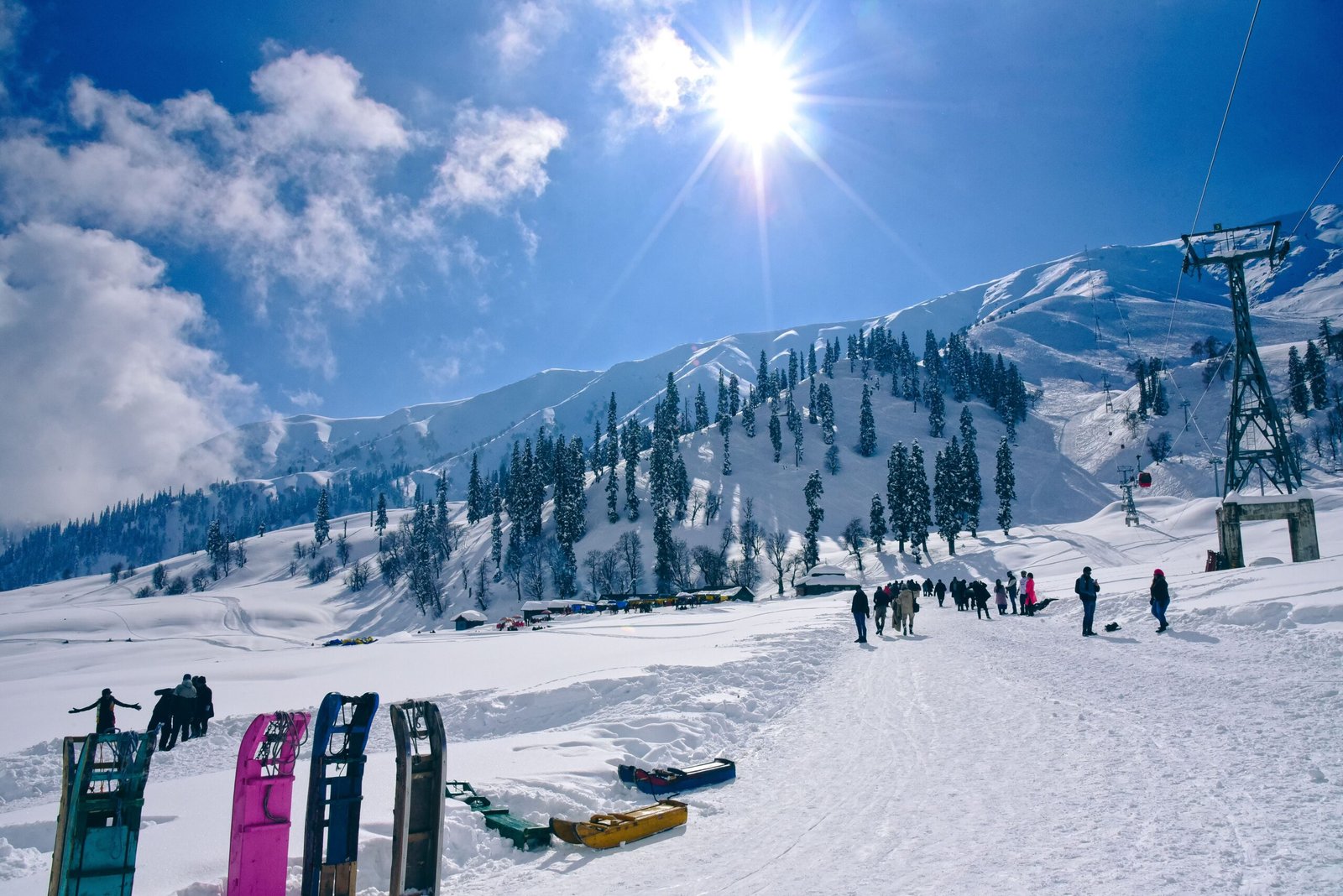
How High Is Gulmarg?
Gulmarg is much higher than Srinagar, but you do not sleep at the same height as the upper ski slopes. This is an important point for anyone worried about altitude sickness in Gulmarg. If you want to compare the main elevations in more detail, check the Gulmarg altitude gives a broader look at how high the resort and ski areas sit.
Srinagar is around 1,585 metres, while Gulmarg is around 2,650 metres. The Gondola then takes you much higher, with Phase 1 around 3,000 metres and Phase 2 close to 4,000 metres.
Place | Approx. altitude |
Srinagar | 1,585 m |
Gulmarg village | 2,650 m |
Gondola Phase 1 | About 3,000 m |
Gondola Phase 2 | About 3,980 m |
Mount Apharwat | About 4,124 m |
This is why a Gondola ride can feel very different from simply walking around Gulmarg. You gain a lot of height in a short time. Gulmarg is about 50 to 55 km from Srinagar by road. The drive usually takes around 1.5 to 2.5 hours, depending on traffic and road conditions. If you are planning the journey after a flight, check the Srinagar to Gulmarg route before you set your first ski day.
What Causes Altitude Sickness in Gulmarg?
Altitude sickness happens when your body does not get enough time to adjust to high altitude. Air pressure drops as you go higher, so each breath gives your body less oxygen than it gets at lower levels. The risk becomes more important above about 2,500 metres, especially when you climb quickly. This puts Gulmarg village right around the level where some travellers can start feeling symptoms.
Your fitness does not protect you completely. A regular runner can get altitude sickness, while someone who rarely exercises may feel fine. Altitude cares more about how fast you go up and how your body reacts. That is why I would not plan a hard ski session right after reaching Gulmarg. Your first day is better used to settle in, rest and see how you feel.
Do You Need to Acclimatize Before Skiing in Gulmarg?
For most visitors, one easy day in Gulmarg is a sensible choice, especially after a fast journey from the plains. If your trip is short, you may not be able to spend three or four days acclimatizing. That is okay. The aim is to avoid a sudden jump into hard exercise at nearly 4,000 metres.
A simple plan can look like this:
- Arrive in Srinagar and rest if possible.
- Travel to Gulmarg and keep the first day easy.
- Start skiing at a comfortable pace.
- Try higher slopes only when you feel well.
- Go lower if symptoms start or get worse.
You do not have to follow this plan exactly. It is simply a safer way to handle a short Kashmir trip.
Can You Ski on Your First Day in Gulmarg?
Yes, if you feel well, but keep it light. This is especially important for beginners. Skiing itself takes a lot of energy because you are learning new movements, balancing on snow and often wearing heavy winter gear. Add high altitude to that, and your body may work much harder than expected. If this is your first time on skis, learning at a steady pace is even more useful. Before heading into the higher terrain, you can see what to expect from learning skiing in Gulmarg and choose a pace that suits your level.
Start with easy runs and take breaks. Do not feel bad about stopping while your friends continue. The mountain will still be there tomorrow. If you get a new headache, feel dizzy or become unusually breathless, stop and rest. Do not keep skiing just because you have paid for the lift ticket.
Can You Go to Gondola Phase 2 on Your First Day?
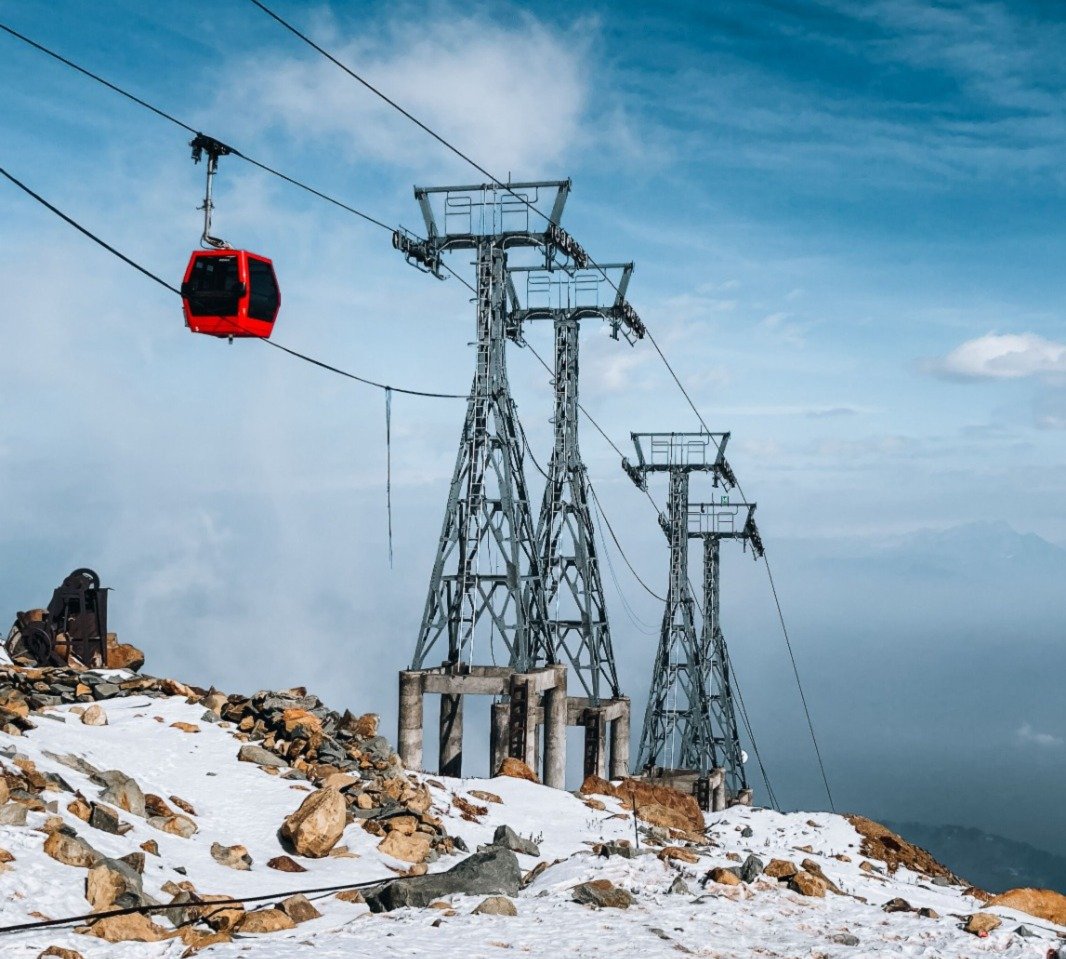
It is better not to rush to Phase 2 on your first day, especially if you have just arrived from a low-altitude city. Phase 2 takes you close to 4,000 metres. That is about 1,300 metres higher than Gulmarg village. You can make that climb very quickly by Gondola, which gives your body little time to adjust during the ride. The difference between the two Gondola sections is worth knowing before you go. Our Gulmarg Phase 1 vs Phase 2 guide explains how the height, terrain and experience change as you move higher.
A person who feels fine at the hotel may notice a headache or dizziness at the upper station. Some people feel nothing at all. There is no way to know exactly how your body will react before you go. If you are visiting Phase 2 only for the snow and views, take it easy. If you are skiing there, be even more careful because hard exercise adds extra stress.
What Does Altitude Sickness Feel Like?
The early signs can be easy to miss. You may think you are tired from the journey or from skiing.
Common symptoms include:
- Headache
- Dizziness or light-headedness
- Feeling weak or very tired
- Nausea
- Poor appetite
- Trouble sleeping
- Breathlessness that feels unusual
Mild symptoms can improve as your body adjusts. But symptoms that keep getting worse should not be ignored. A useful rule is simple: do not climb higher when you are already feeling worse.
Altitude Sickness vs Skiing Fatigue
This is one area where many travellers get confused. Your legs can hurt after skiing because skiing is hard work. You may also feel cold, hungry or tired after spending hours outside. These are normal parts of a ski day. Altitude sickness is different. A new headache, nausea, dizziness or unusual weakness after going higher deserves more attention.
You should also watch for signs of more serious altitude illness. HAPE, or high-altitude pulmonary edema, affects the lungs and can cause severe breathlessness, chest tightness or a cough. HACE, or high-altitude cerebral edema, affects the brain and can cause confusion, trouble walking or unusual behaviour. These serious conditions are uncommon, but they can become dangerous quickly. If severe symptoms appear, do not wait to see if they disappear after another ski run.
What Should You Do If You Feel Sick?
The first step is to stop going higher. Tell your travel partner, ski instructor or guide what you are feeling. Move to a lower altitude if symptoms are getting worse or if a medical professional advises descent. Do not try to hide symptoms because you do not want to miss a ski session.
Seek urgent medical help if you have severe breathing trouble, confusion, trouble walking, extreme weakness or other rapidly worsening symptoms. Serious altitude illness needs prompt treatment, and going lower is often a key part of care. For a serious medical problem, do not depend only on your hotel or a smartwatch. Arrange proper medical help and follow local emergency advice.
Read our wider guide on: Gulmarg is safe for skiing,
How Can You Lower the Risk?
There is no trick that guarantees you will avoid altitude sickness. But a few simple choices can lower the risk.
- Take the first day slowly.
- Drink enough water, but do not force huge amounts.
- Eat regular meals.
- Avoid alcohol during the first day or two.
- Get enough sleep.
- Take breaks while skiing.
- Do not climb higher when symptoms are getting worse.
Do not use fitness as a reason to ignore symptoms. Being fit helps you handle skiing, but it does not make you immune to altitude illness.
Do You Need Diamox for Gulmarg?
Some travellers use acetazolamide, also called Diamox, to help prevent altitude sickness. It can be useful for some people who must climb quickly, but it is not something you should start on your own. Speak to a doctor before taking it. The right choice depends on your health, medicines, past reaction to altitude and the speed of your trip. For most healthy visitors, good planning and a gradual start are more important than buying a tablet just in case.
What About Non-Skiers and Families?
You can feel the effects of altitude even if you never put on skis. A family may take the Gondola for the views. Another visitor may spend the day walking in snow. Older travellers may notice that walking uphill takes more effort than expected. The same basic rule applies: take your time and watch for symptoms.
If you are travelling with children or older family members, avoid packing too much into the first few hours. A slow lunch, warm rest and easy walk can be a better start than rushing from one activity to another.
What If You Are Visiting Srinagar, Pahalgam and Gulmarg?
Your Kashmir route can also affect how quickly you gain height. Srinagar is much lower than Gulmarg, while Gulmarg’s upper mountain is much higher. Pahalgam is also lower than Gulmarg, so a trip that moves from Srinagar or Pahalgam to Gulmarg can involve a noticeable rise in altitude. If you have flexibility, avoid treating Gulmarg as a quick day trip followed by a hard activity at the top of the mountain. Giving yourself more time in the resort makes the change easier to manage.
This matters even more when your main goal is skiing. Sightseeing at altitude and doing several hours of hard skiing are not the same thing. If you are planning your trip around the ski season, check the latest Gulmarg skiing season before fixing your dates.
Conclusion
The safest way to think about altitude sickness Gulmarg is not to fear the height, but to respect it. You sleep around 2,650 metres in Gulmarg, while skiing and Gondola trips can take you close to 4,000 metres. That difference matters. If you arrive from the plains, give your body time to settle, keep your first day easy and do not rush into the highest terrain.
Most importantly, listen to your body. Missing one ski run is a small price to pay if it keeps the rest of your Kashmir trip enjoyable. After all, the real question is not whether you can reach the top of Apharwat on day one, but whether your body is ready to enjoy being there.
FAQs
Is Gulmarg high enough to cause altitude sickness?
Yes. Gulmarg village is around 2,650 metres, which is high enough for some travellers to develop mild altitude sickness. The risk becomes greater when you travel quickly to the higher Gondola areas.
How many days should I acclimatize in Gulmarg?
There is no single number for everyone. If your trip allows it, spend the first day at an easy pace before doing hard skiing or going to very high terrain.
Can I go to Gondola Phase 2 on day one?
You can, but rushing to nearly 4,000 metres on your first day is not the best plan for everyone. If you have just arrived from the plains, consider taking the first day slowly.
Does being fit prevent altitude sickness?
No. Fitness can help you handle skiing, but it does not stop altitude sickness. Your body still needs time to adjust to the lower oxygen available at high altitude.
Should I take Diamox before visiting Gulmarg?
Do not take it without medical advice. Acetazolamide can help in some cases, but a doctor should decide whether it is suitable for you.
Is altitude sickness common in Gulmarg?
Many healthy visitors enjoy Gulmarg without serious altitude problems. Still, mild symptoms can occur, especially after a quick climb from lower areas to the upper mountain.