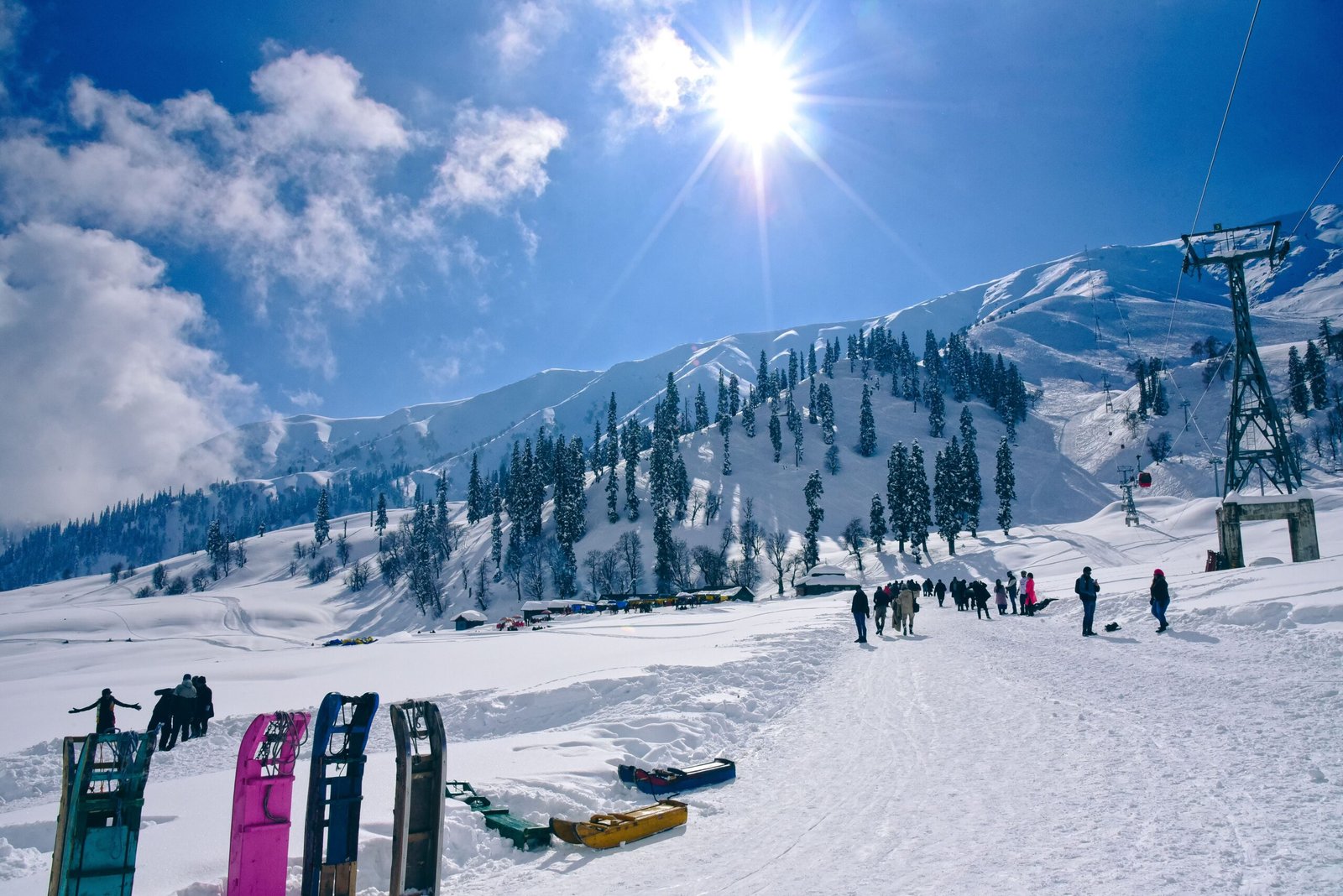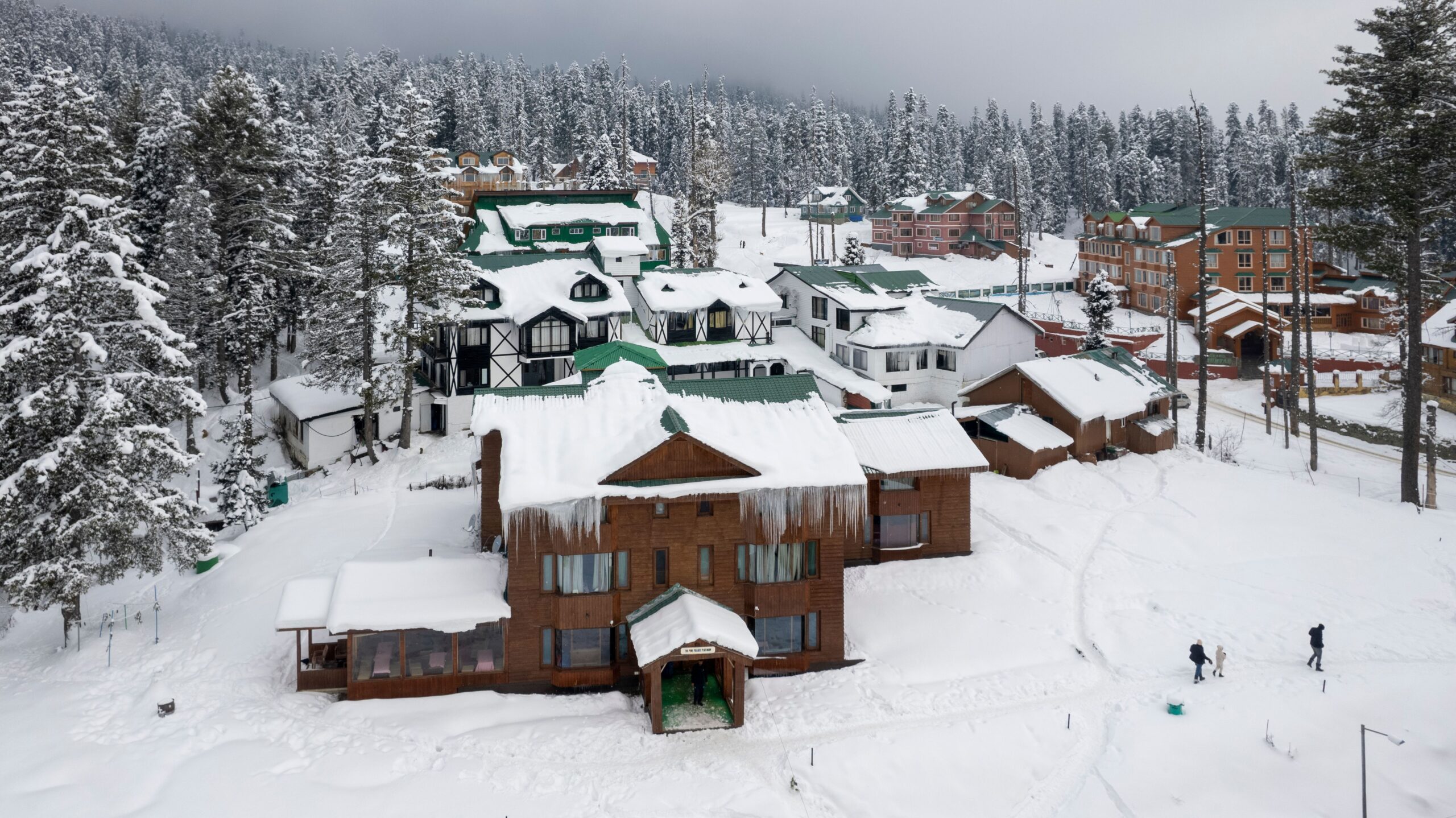
The Gulmarg skiing season usually starts in late December, peaks from January to February, and slowly winds down by late March depending on snowfall. But if you are planning a real ski trip, the calendar alone does not tell the full story. Snow quality, gondola access, ski schools, and even road conditions change how your trip feels on the ground. One week in Gulmarg can feel like a postcard winter dream. Another week can feel like you are waiting for the weather to clear.
So instead of just asking “when does it open and close”, the better question is: when does Gulmarg actually give you the skiing experience you are dreaming of? If you are planning your trip seriously, you can also explore everything about skiing in Gulmarg to understand routes, slopes, and complete travel flow. Let’s break it down properly.
Gulmarg Skiing Season: Why Dates Change Every Year
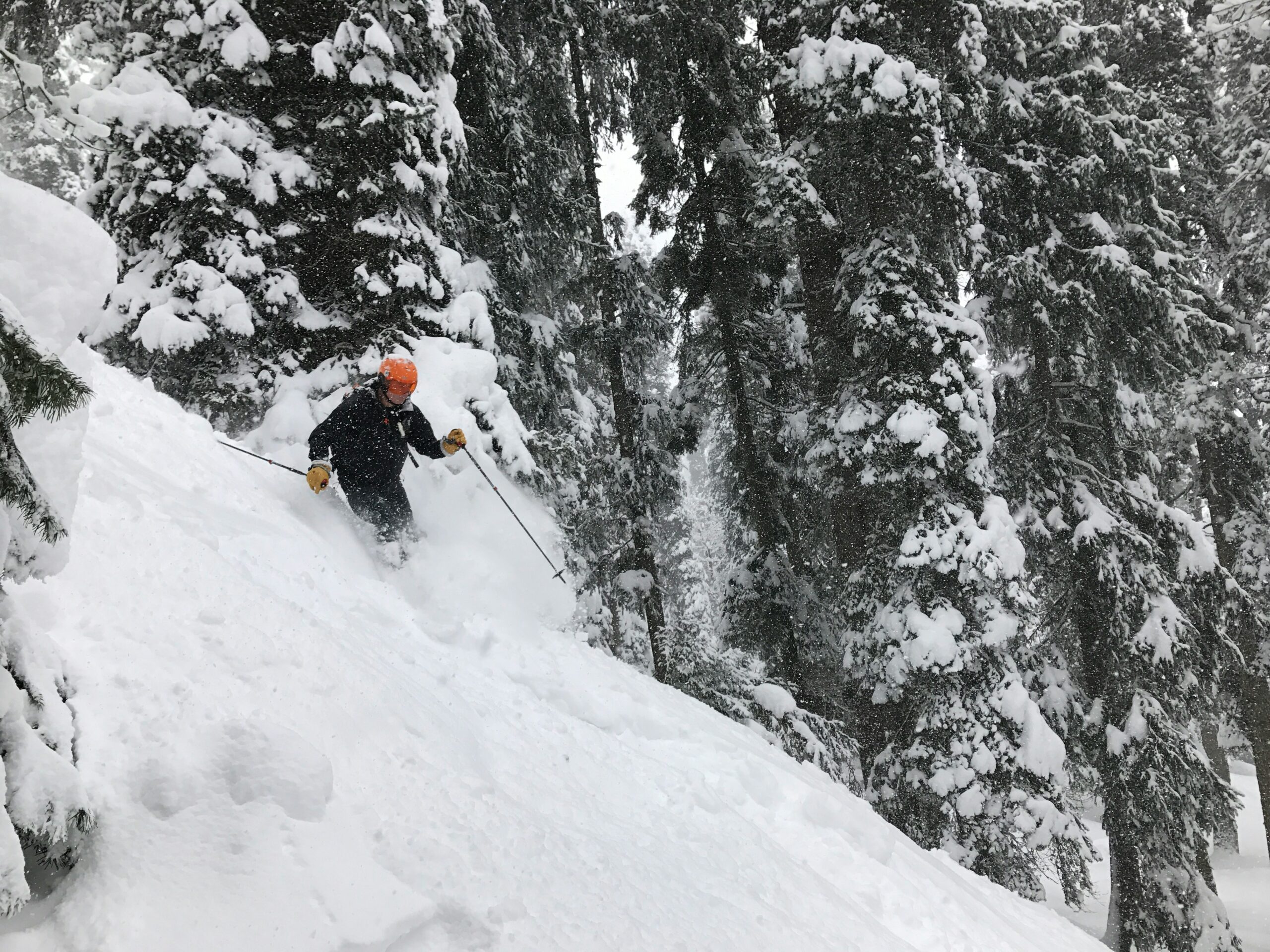
The gulmarg ski season depends completely on natural snowfall. There is no artificial snow system covering the mountain, so every winter behaves differently. Some years, skiing starts as early as mid-December. Other years, proper skiable snow only arrives after New Year. Locals usually say one thing with a smile: Gulmarg does not follow a calendar, it follows the sky.
Here is how it typically plays out:
- Early December: Cold weather, very little skiable snow
- Mid to late December: Light skiing begins if snowfall is strong
- January: Full ski operations with fresh powder
- February: Stable snow, best overall conditions
- March: Softer snow, slower but scenic skiing
If you are planning a winter trip specifically, this detailed breakdown of December skiing conditions in Gulmarg and January ski season experience can help you time it better.
Gondola: The Heart of Gulmarg Skiing
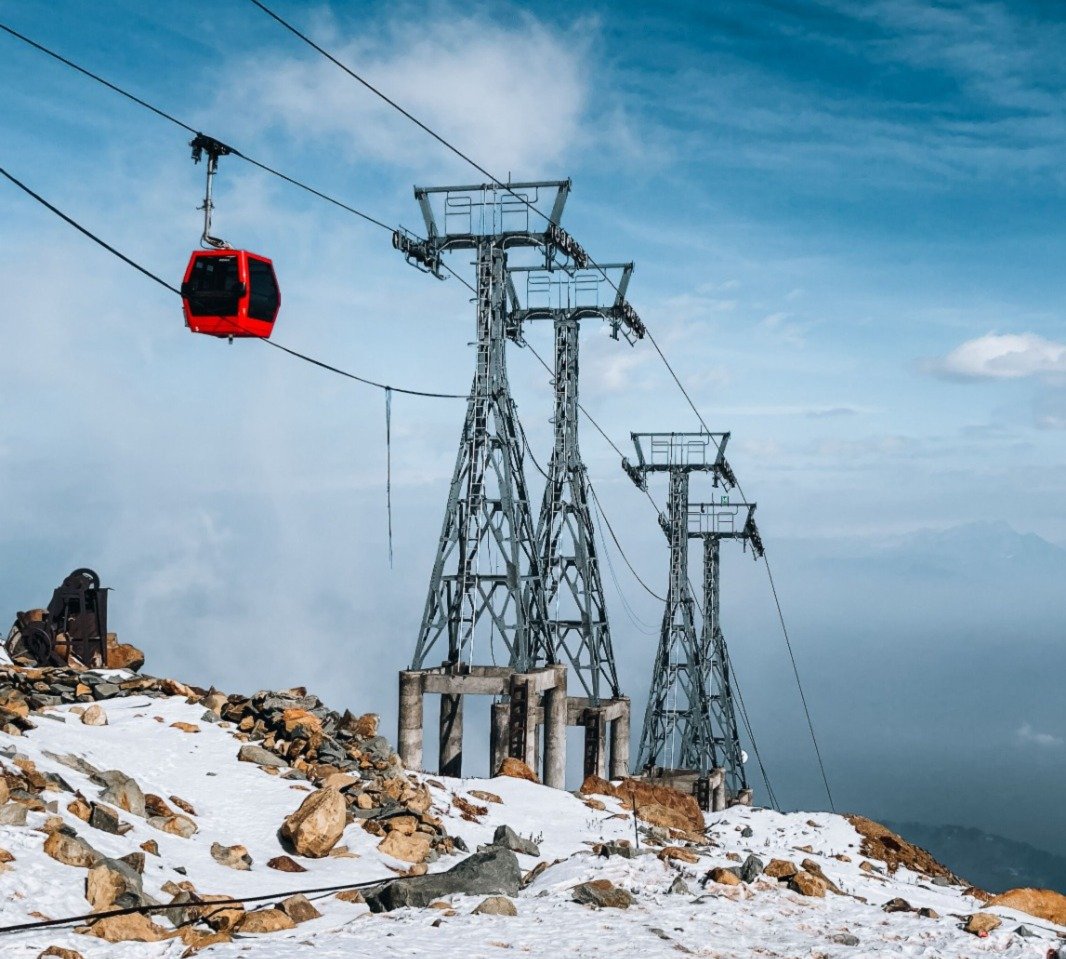
If Gulmarg is the stage, the Gondola is the main actor. Most people do not realise this before arriving, but your entire skiing experience depends on the Gulmarg Gondola system. If you want a deeper breakdown before booking, this guide on Gondola ride Gulmarg booking is very useful. It has two phases:
Phase 1: Gulmarg to Kongdori
- Altitude: approx 2,650 m to 3,050 m
- Best for: beginners and intermediate skiers
- Terrain: groomed slopes and ski schools
Phase 2: Kongdori to Apharwat Peak
For a deeper understanding of this zone, check Gulmarg Phase 2 guide.
- Altitude: up to 3,980 m
- Best for: advanced skiers and powder runs
- Terrain: off-piste bowls, ridges, deep snow
Ticket prices usually range:
- Phase 1 only: ₹750–₹1,000
- Full ride (Phase 1 + 2): ₹1,700–₹2,200 approx
Now here is the practical part most travellers miss. Phase 2 often closes during heavy snowfall or wind. That means your “advanced skiing day” can turn into a waiting day. So if you are planning only 2–3 days, factor this uncertainty in.
Ski Terrain in Gulmarg: What You Actually Ski On
Gulmarg is not one uniform slope. It has different zones for different skill levels. You can also explore the full breakdown of the Gulmarg ski area for a clearer mental map.
Beginner Zones
- Baby Slope area
- High-altitude gentle learning slopes near Gulmarg town
These are where most first-timers start. Soft gradient, safe space, and instructors nearby. If you are completely new, this guide on skiing in Gulmarg for beginners is worth reading before you decide.
Intermediate Zones (Kongdori)
- Wider groomed runs from Phase 1
- 400+ metres of vertical skiing
Good for learners who want confidence before going higher.
Advanced Zones (Apharwat Peak)
- Deep powder snow
- Forest edges and natural bowls
- Off-piste descents
This is where Gulmarg becomes serious. But it is not a solo playground. Local guides are strongly recommended because snow conditions change fast. Avalanche zones are real here, especially after fresh snowfall.
Ski Schools in Gulmarg: Where Beginners Actually Learn
Most first-time skiers in India end up at the Indian Institute of Skiing and Mountaineering (IISM). It is a government-run institute and one of the most trusted training centres in India.
Typical beginner course:
- Duration: 5 to 7 days
- Includes: basics of skiing, balance, turning, stopping
- Certification: basic ski course completion certificate
- Cost: approx ₹8,000 to ₹15,000 depending on season
There are also private ski schools in Gulmarg that offer shorter crash courses for tourists who just want to try skiing for 1–2 days. If you are a complete beginner, this is usually the first thing you should book after arriving.

Equipment Rental in Gulmarg
You do not need to carry skiing gear from home. Everything is available locally. You can also check full rental details here: ski rental Gulmarg.
Typical daily rental costs:
- Skis + boots + poles: ₹800 to ₹1,500 per day
- Helmet: ₹200 to ₹300 per day
- Goggles: ₹200 to ₹400 per day
- Full beginner package: ₹1,500 to ₹2,500 per day
Most shops near the Gondola base offer bundled packages. One small tip from experience: always check boot fitting properly. A loose boot ruins more ski days than bad weather.
Best Time to Ski Gulmarg: Month by Month Reality
Now let’s connect timing with actual experience. You can also explore a deeper seasonal comparison here: best time to ski Gulmarg.
- December: Cold, early snow, festive crowd
Best for: winter feel, photography, holidays - January: Deep snow, peak skiing season
Best for: powder snow, advanced skiing - February: Stable snow, fewer disruptions
Best for: overall experience + beginners - March: Softer snow, fewer crowds
Best for: relaxed skiing + sightseeing
If someone asks for the best time to ski Gulmarg, February often wins the balance game. For a deeper month-wise breakdown, you can also check February skiing conditions and March ski experience.
Weather & Temperature Reality
Let’s talk numbers, because this is where planning becomes real.
- December: -2°C to -10°C
- January: -5°C to -15°C
- February: -3°C to -12°C
- March: 0°C to -8°C
At higher gondola phases, temperatures can drop further with wind chill. And here is the key skiing insight:
Cold alone is not the problem. Wind + wet snow is. That combination decides how long you can comfortably stay on slopes.How to Reach Gulmarg
Most travellers start from Srinagar. You can find a complete travel guide here: how to reach Gulmarg for skiing.
- Srinagar Airport to Gulmarg: approx 56 km
- Travel time: 2 to 3.5 hours depending on snow
In peak winter:
- Roads can slow down after snowfall
- 4×4 taxis are commonly used
- Delays of a few hours are normal
It is a scenic drive though. Pine forests, frozen streams, and valley views slowly build the mood before you even reach snow.
Accommodation During Ski Season
Gulmarg has a mix of hotels, cottages, and ski lodges. You can compare stay options here: Gulmarg stay options.
Typical price ranges:
- Budget stays: ₹2,000–₹4,000 per night
- Mid-range: ₹5,000–₹10,000 per night
- Peak season luxury: ₹12,000+ per night
Prices rise sharply during Christmas and January weekends. Booking early is not optional in peak gulmarg ski season. It is necessary. For a broader travel comparison, you can also explore Pahalgam or Gulmarg for skiing.
Safety & Avalanche Awareness
This is important and often ignored. After heavy snowfall, upper zones near Apharwat can have avalanche risk.
Basic safety rules:
- Always follow local ski guides in Phase 2
- Avoid skiing alone in off-piste zones
- Check weather updates before gondola rides
- Respect closed-area markings
Most accidents happen due to ignoring local advice, not due to skiing itself. For altitude-related awareness, this guide helps: Gulmarg altitude.
Heli-Skiing in Gulmarg
For advanced skiers, Gulmarg also offers heli-skiing experiences. It is part of India’s broader adventure circuit, which you can explore here: India’s ultimate adventure guide.
This is a premium activity where helicopters drop skiers on untouched snow slopes. It is expensive, weather-dependent, and not daily available. But it is one of the biggest reasons international skiers visit Gulmarg. If skiing is your passion, this is the extreme version of it.
Conclusion
The Gulmarg skiing season is not just a date range on a calendar. It is a shifting experience shaped by snow, wind, altitude, and timing. You can visit in December and feel the excitement of early winter. You can visit in January and see Gulmarg at its most powerful. Or you can visit in February and enjoy skiing at its most stable. Same place. Different experience. And maybe that is the real question you should be asking before booking your trip:
Do you want Gulmarg as a winter postcard, or Gulmarg as a ski playground?