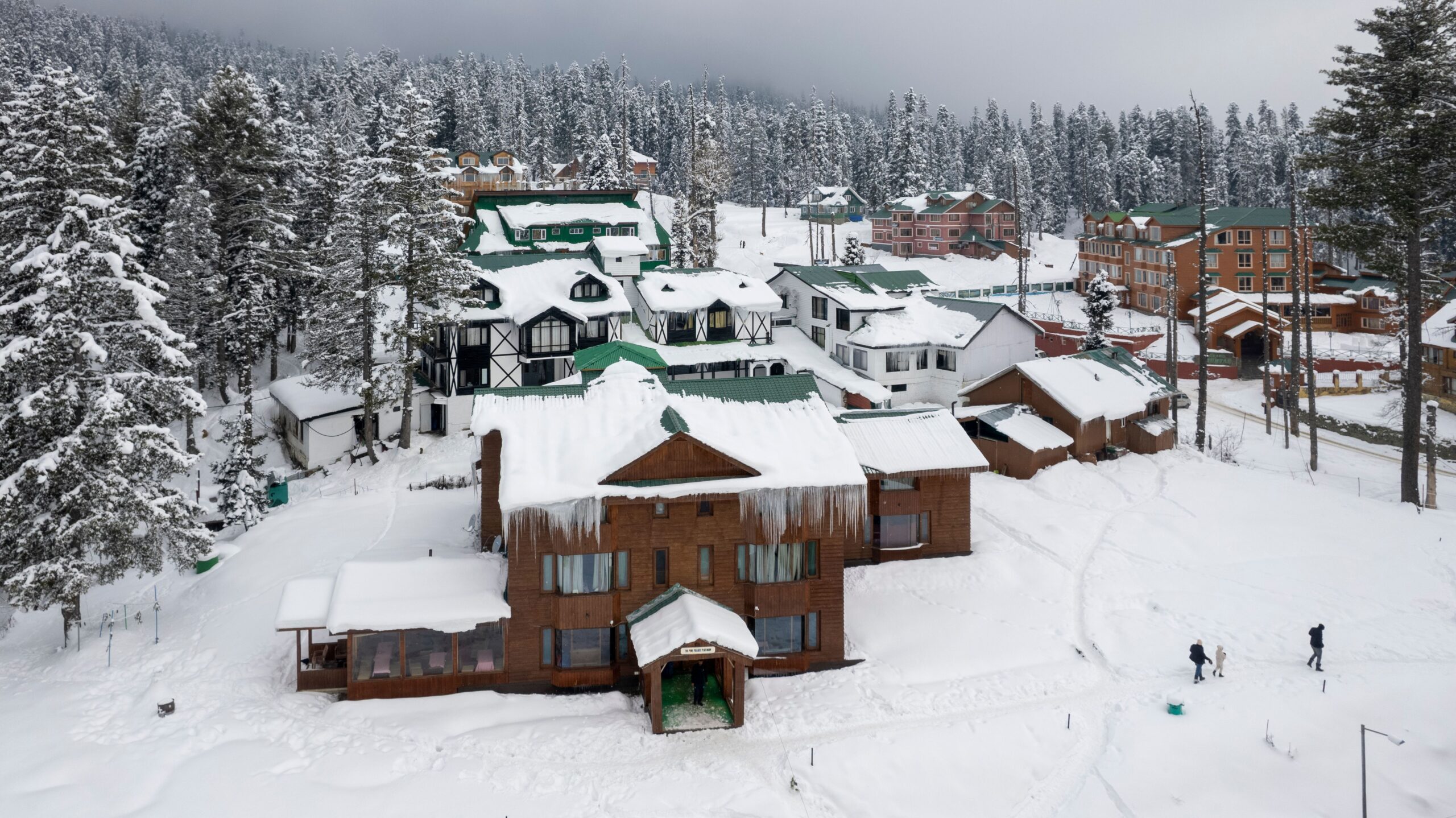
Gulmarg height is 2,650 metres (8,690 feet) above sea level, making it one of the highest and most famous hill destinations in India where snow stays for a long season and the air feels noticeably thinner as you go higher.
When people ask about Gulmarg height, they are usually trying to understand one thing: will altitude affect me, and how different does it feel compared to other hill stations? The simple answer is yes, you will feel the height, especially if you move toward higher zones like the Gondola Phase 2. But the experience is also what makes Gulmarg special.
Let’s break it down clearly, without confusion, so you actually understand what this height means in real travel terms.
Gulmarg Height in Meters and Feet (Exact Elevation)
The official and widely accepted elevation of Gulmarg is:
- Gulmarg Height: 2,650 metres
- Gulmarg Height in feet: 8,690 feet
- Location: Pir Panjal Range, Western Himalayas
- Distance from Srinagar: Around 52 km
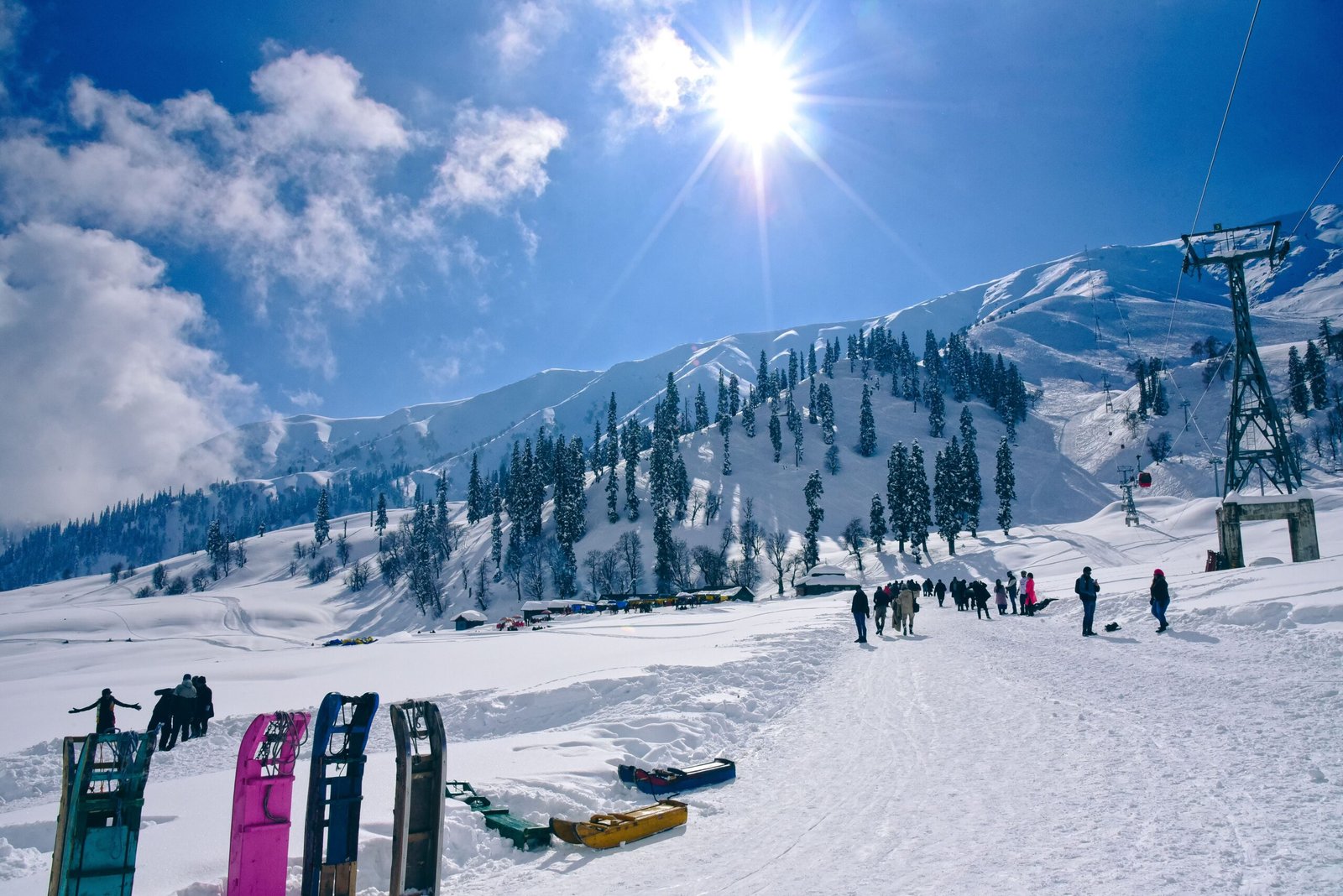
Gulmarg sits on a bowl-shaped plateau surrounded by pine forests and snow-covered peaks. This geography is why it receives heavy snowfall and stays cool even in summer.
If you are planning a trip around snow activities or skiing experiences, it helps to understand how this elevation plays a role in snow seasons. You can explore more about the Gulmarg skiing season to see how altitude directly affects snow timing.
Unlike many hill stations that rise gradually, Gulmarg rises sharply once you start moving towards Apharwat Peak. That sudden change is what surprises most first-time visitors.
Altitude Zones in Gulmarg (Important for Understanding Snow Areas)
Gulmarg is not just one height. It is a layered altitude system. Each zone feels different and changes the weather, snow, and even oxygen levels.
Here is a simple breakdown:
Gulmarg Altitude Levels
Location | Height (Meters) | Height (Feet) | Experience |
Gulmarg Town (Base) | 2,650 m | 8,690 ft | Hotels, market, meadows |
Kongdoori (Gondola Phase 1) | ~2,600–3,050 m | ~8,530–10,000 ft | Ski slopes, beginner snow |
Mary’s Shoulder | ~3,500 m | ~11,500 ft | Mid snow zone |
Apharwat Peak (Phase 2) | 4,267 m | 13,999 ft | Heavy snow, extreme views |
If you are confused between Gondola levels, our detailed guide on Gulmarg Phase 1 vs Phase 2 explains how elevation changes the entire experience.
A short ride on the Gondola is enough to make you feel the difference in temperature and oxygen levels.
Why Gulmarg Height Matters So Much
Gulmarg height is not just a number. It directly shapes the entire experience of the destination. At 2,650 metres, the air is already thinner than plains. You may notice slight breathlessness when walking fast or climbing slopes. Nothing dangerous for most people, but definitely noticeable.
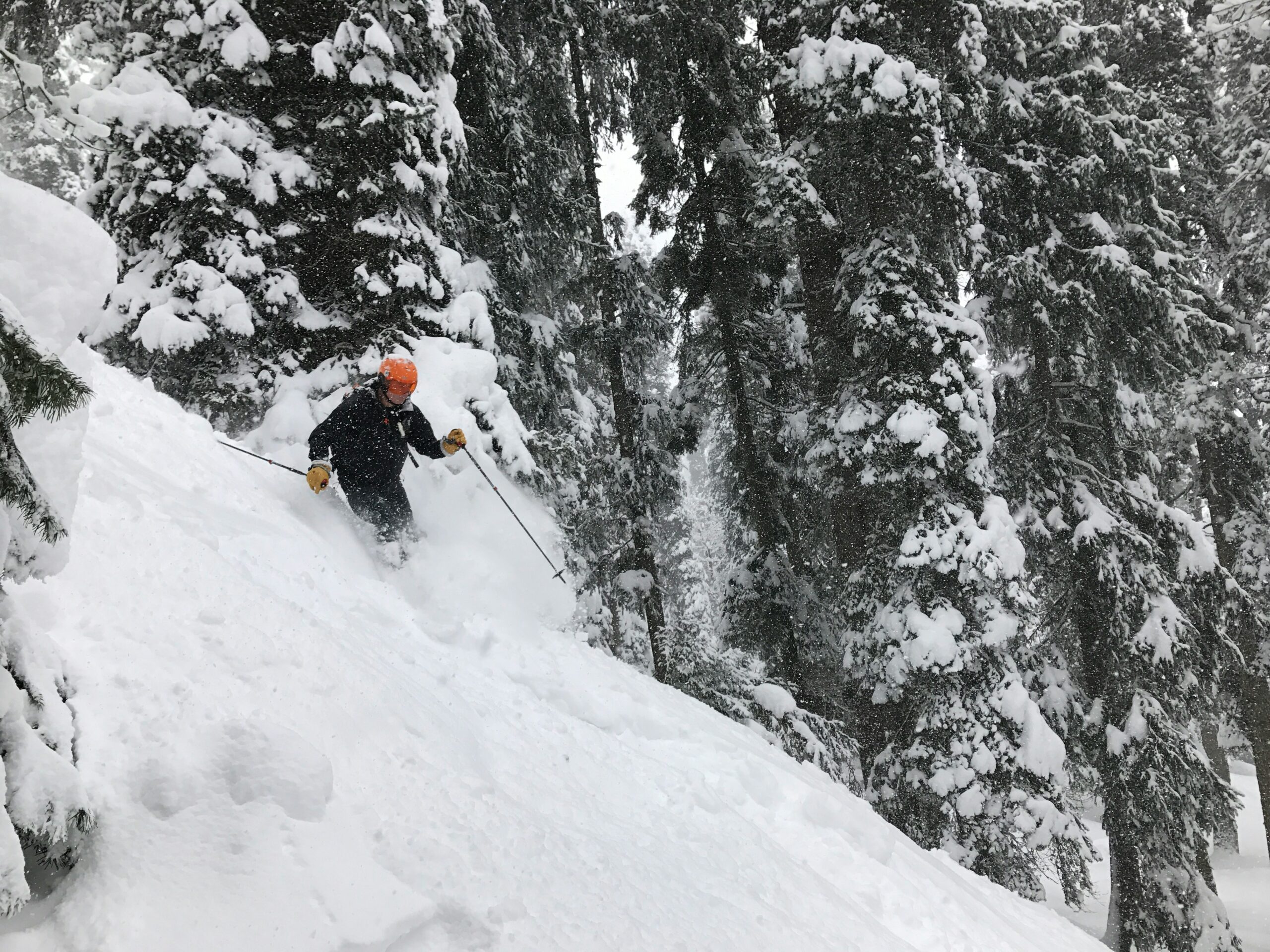
If you are planning snow sports, skiing, or beginner lessons, altitude becomes even more important. As you move higher toward Apharwat Peak, the environment changes completely. Snow becomes deeper, winds become stronger, and visibility can shift quickly. This is why Gulmarg is both a summer meadow and a winter snow zone. The height makes it flexible across seasons.
Geography Behind Gulmarg’s Height
Gulmarg lies in the Pir Panjal mountain range, part of the western Himalayas. This location is important because it blocks monsoon clouds and traps winter snowfall. Historically, Gulmarg was developed as a summer retreat during the British era. Later, it became a ski destination because its natural slope and altitude were perfect for snow sports.
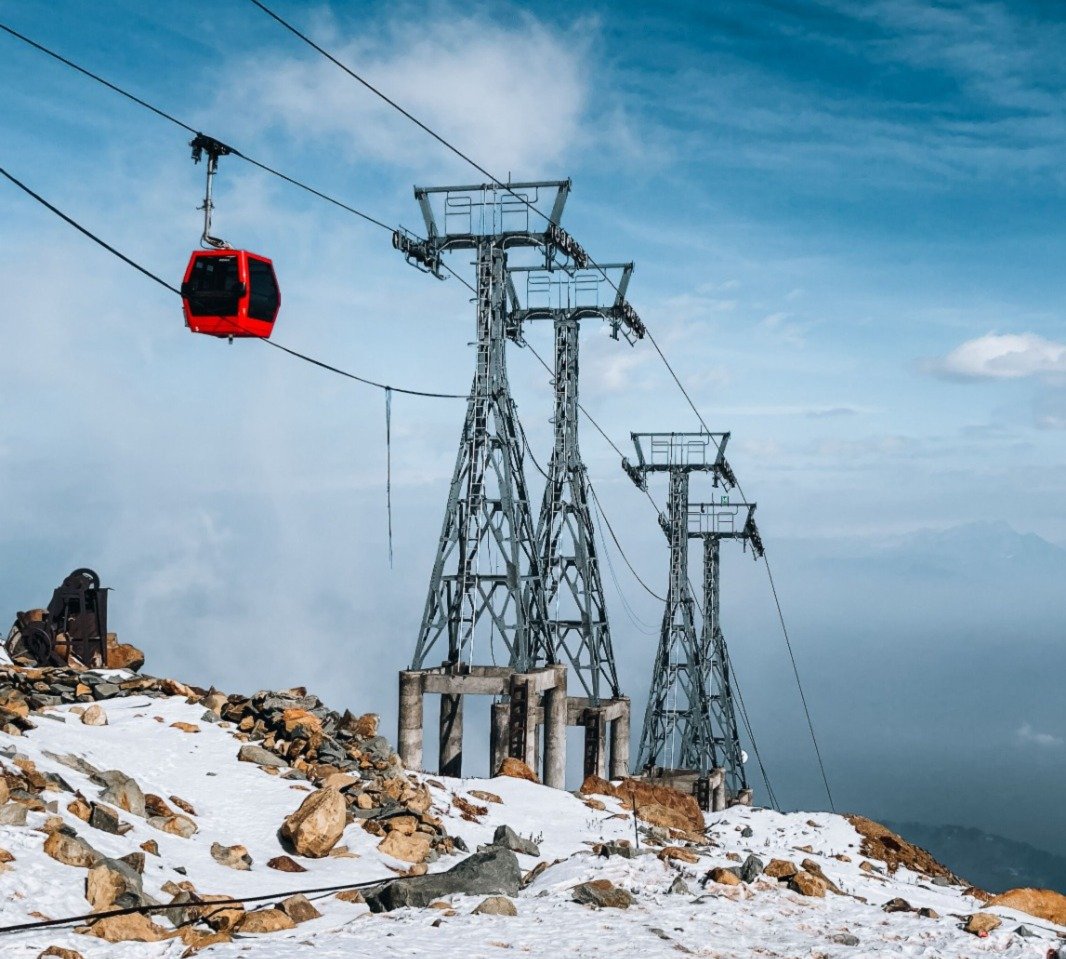
The famous Gulmarg Gondola, built in phases starting from 1998, further opened up access to higher elevations like Kongdoori and Apharwat Peak.
If you want practical planning details, check Gulmarg Gondola online booking guide before your trip.
It is operated using French technology by Pomagalski and remains one of the highest cable cars in the world.
How Gulmarg Height Feels in Real Life
Numbers are useful, but experience matters more. At base level (Gulmarg town), you will feel comfortable even if you are not used to hills. Walking is easy, and breathing feels normal for most visitors.
But once you take the Gondola upward, you will notice three things:
- The air becomes colder within minutes
- Walking feels slightly heavier
- Snow remains longer even in spring
We have seen many travellers stop midway just to adjust to the view and oxygen change. And honestly, that slowing down is what makes Gulmarg memorable.
If you are curious how this feels during peak snow months, the snow quality in Gulmarg guide gives a good real-world comparison.
Does Gulmarg Height Cause Altitude Sickness?
For most tourists, no serious altitude sickness occurs at Gulmarg base (2,650 m). However, mild symptoms can appear when you go higher:
- Slight headache
- Breathlessness during movement
- Fatigue if you rush
These are normal reactions, not medical emergencies. If you stay hydrated, walk slowly, and avoid overexertion, your body adjusts quickly. Travellers with asthma or heart conditions should consult a doctor before visiting higher zones like Apharwat Peak.
Snow Zones and Height Relationship
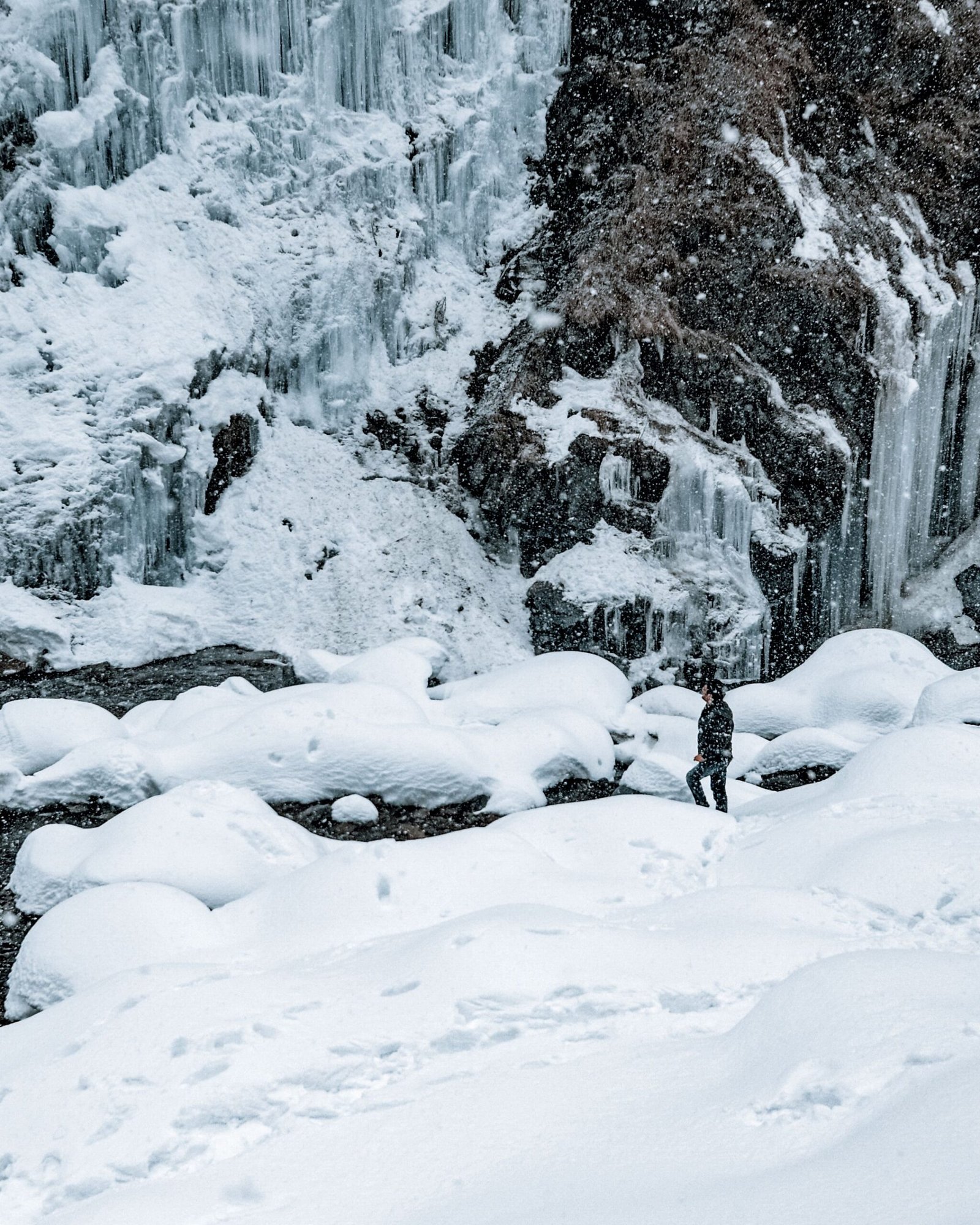
One of the biggest reasons Gulmarg is famous is simple: height controls snowfall.
- Base zone (2,650 m): seasonal snow in winter
- Kongdoori: long-lasting snow cover
- Apharwat Peak: almost year-round snow patches
This vertical snow distribution is rare in India and is why Gulmarg supports skiing, snowboarding, and even heli-skiing.
If you want to understand how Gulmarg compares with other destinations, check best places to ski in India ranking for a broader perspective.
Best Time Based on Gulmarg Height
Height also decides the best time to visit different zones.
- December to March: Full snow coverage, ideal for skiing
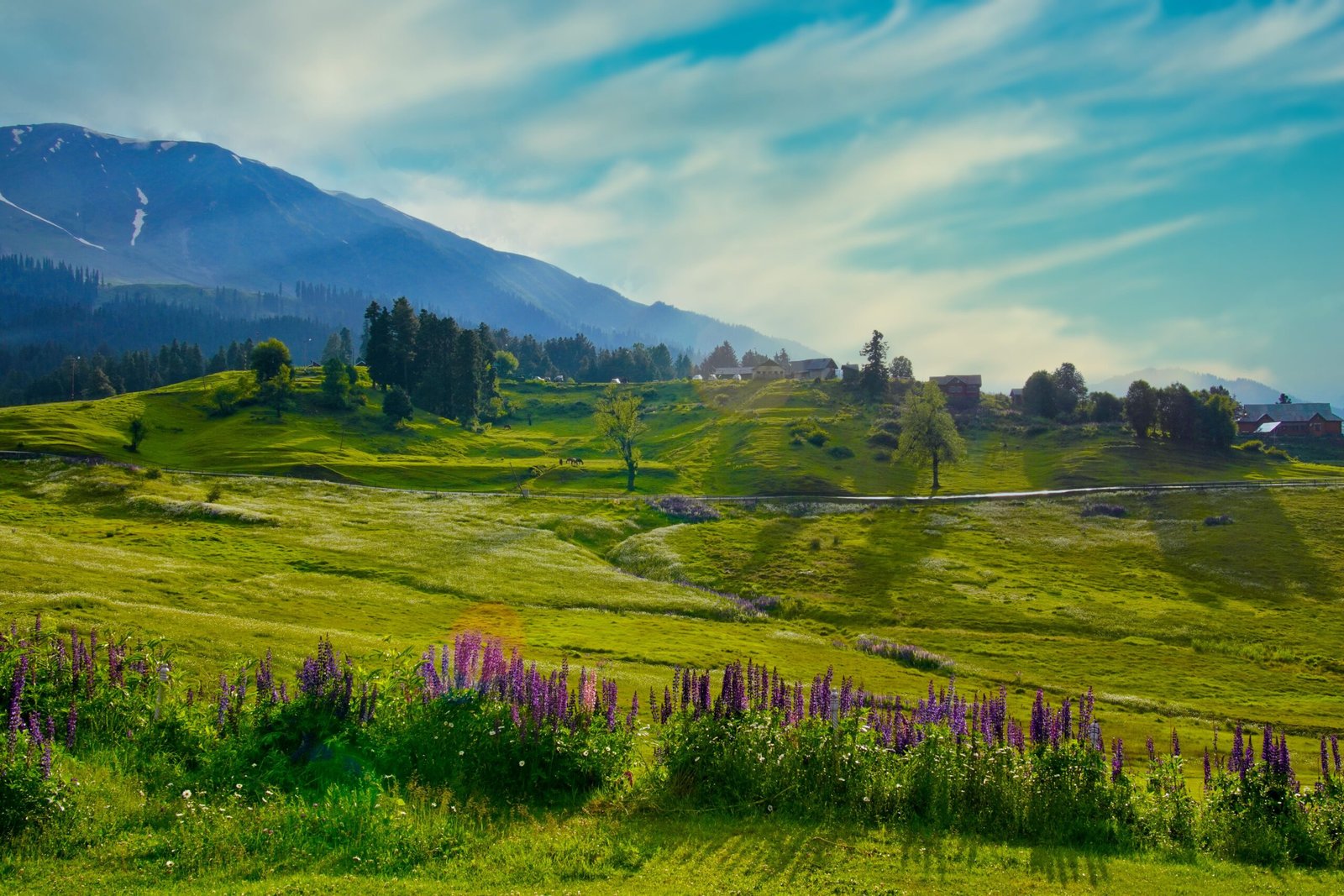
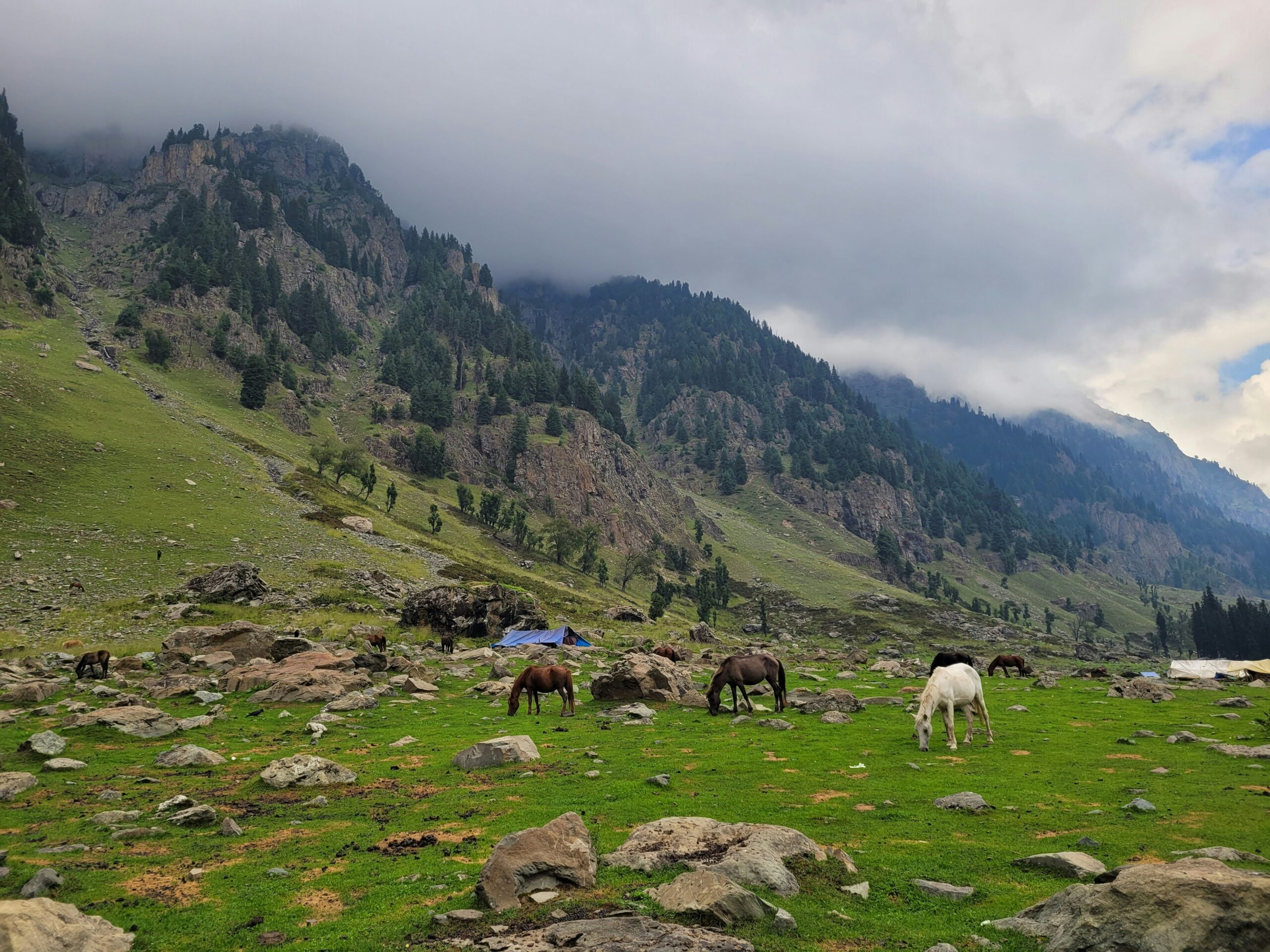
- April to June: Green meadows at base, snow at higher slopes
- October to November: Clear views, fewer tourists
Higher zones stay colder even when the base becomes warm, which is why you can experience both snow and greenery in the same trip.
If you are planning specifically for snow activities, the best time to visit Gulmarg for skiing guide can help you fine-tune your dates.
Quick Facts About Gulmarg Height
- Gulmarg is one of the highest hill resorts in India
- Apharwat Peak nearly reaches 14,000 feet
- Gondola Phase 2 is among the highest cable car rides globally
- The region sits in the Pir Panjal Himalayan belt
- Snow conditions vary sharply with altitude gain
Conclusion
Gulmarg height is not just about 8,690 feet written on paper. It is about how the land slowly changes as you move upward, how the air becomes quieter, and how snow begins to take over the landscape even when the world below feels completely different.
And maybe that is the real question travellers should ask themselves before coming here: do you just want to see the mountains, or do you want to feel what it is like to rise through them step by step?