If you ask a local Gulmarg ski guide one question before your first trip, ask this: what terrain is right for my skill today? In Gulmarg, that answer matters more than chasing the highest lift or the deepest snow.
Gulmarg is not a simple ski resort with only marked runs. The lower slopes are friendly to new skiers, while the upper mountain has steep, open and often ungroomed terrain. Snow and avalanche risk can also change fast. The Gulmarg Avalanche Center has recorded high avalanche danger above 3,000 metres during past winter conditions, while lower areas can have much lower risk. So, what would a local guide tell you before you put on your skis? Here are the questions we would answer for a friend, with no sales talk and no mountain bravado.

Ask a Gulmarg Ski Guide: Can a complete beginner ski here?
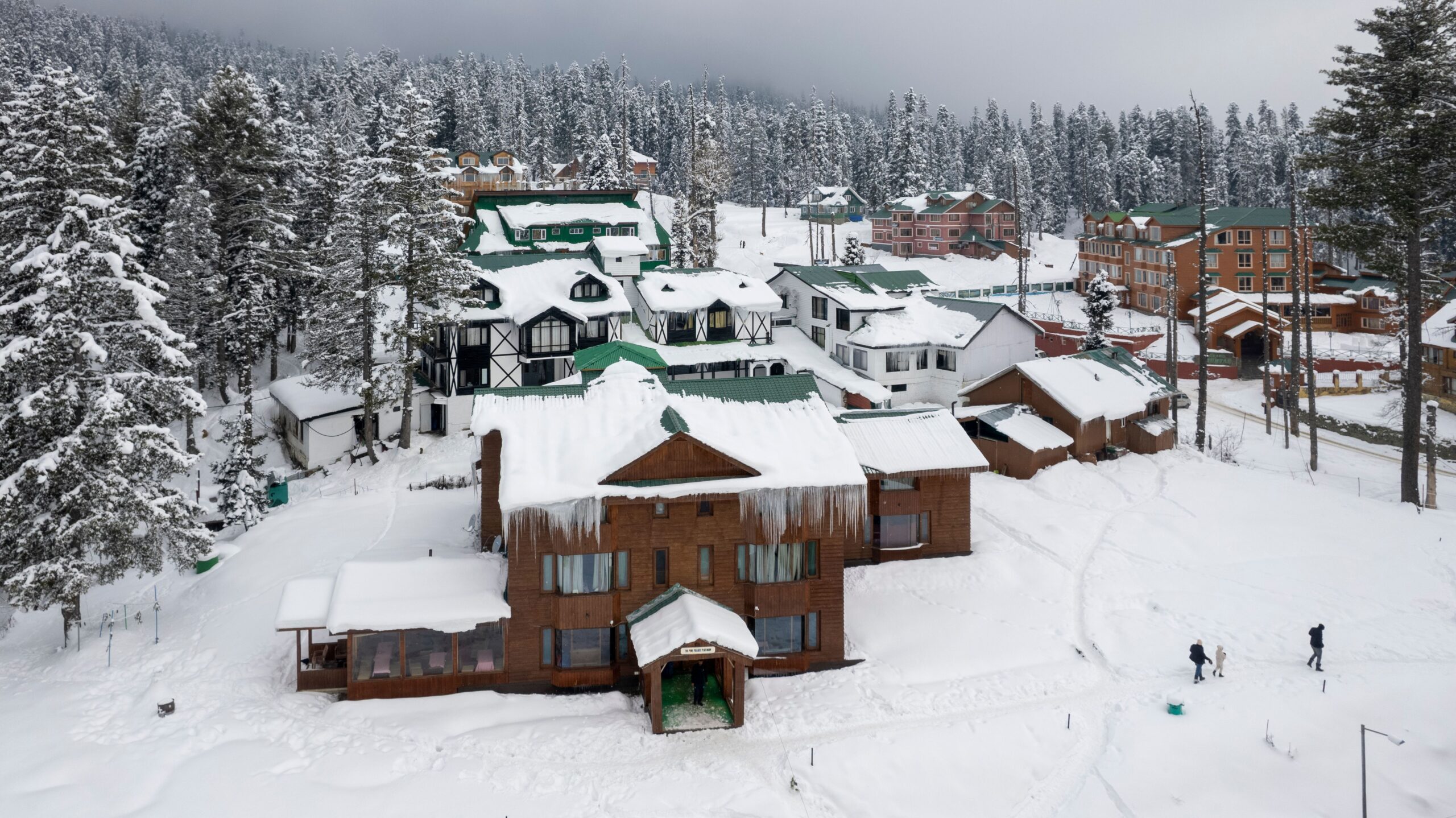
Yes. Gulmarg has easy slopes where a first-time skier can learn with an instructor. You should start on the lower beginner slopes and move up only after you can stop, turn and control your speed. The lower slopes near Gulmarg village are used for beginners. Kongdoori, reached through Gondola Phase 1, is another step up once you have better control. If you are unsure whether Gulmarg suits your level, it helps to understand the terrain before you book. Our guide to Gulmarg skiing for beginners covers the slopes, learning curve and common problems first-time skiers face.
Do not worry if you fall. Almost every new skier does. The real test is whether you can get up, slow down and try again without losing control. One thing I would never suggest is copying a skilled friend. Your friend may race down a slope with ease. You may still be learning how to stop. Ski at your own level.
Ask a Gulmarg Ski Guide: Do I need an instructor?
For your first few days, yes, we recommend one. An instructor does more than show you how to stand on skis. They teach you how to stop, turn, balance and fall safely. They can also see mistakes that you may not notice yourself. This matters in Gulmarg because the mountain changes quickly as you go higher. A person who can manage a flat beginner slope may struggle on steeper or uneven snow. If you are starting from zero, learning the basics in the right order is far better than trying to teach yourself on a busy slope. A simple guide to learning skiing in Gulmarg can help you know what to expect.
A good instructor should also be willing to say, “Not today.” If the snow, weather or your skill level is not right for a certain route, that is the answer you want to hear.
What should you ask before booking a guide?
Do not book the first person who offers you a low price near the slope. Ask a few simple questions first.
- How long have you taught or guided in Gulmarg?
- Do you have recognised training or certification?
- Is the session private or shared?
- What does the fee include?
- Are skis, boots and poles included?
- Where will the lesson take place?
- What happens if the Gondola or lift does not operate?
- Can you teach beginners?
A low price is not always a good deal. A good lesson can save you from wasting a full day falling on the wrong slope.
How many ski guides are there in Gulmarg?
You may hear claims about a small group of registered local snow guides in Gulmarg. One local operator states that there are only 18 officially registered snow guides in the area. Treat this number as a useful local claim, not as a permanent figure. Registration lists can change, so check the current status before booking.
The bigger lesson is simple. Do not assume that every person offering to take you into the mountains is a trained ski or mountain guide. For beginner lessons, look for a proper ski instructor. For off-piste skiing, look for someone with strong local terrain knowledge and the right mountain safety skills.
Ask a Gulmarg Ski Guide: How high is Gulmarg?
Gulmarg village sits at about 2,650 metres above sea level. The upper ski area reaches close to 4,000 metres around Apharwat, depending on the point being measured. That height changes how the mountain feels. The air is colder and thinner higher up. Wind can also make the cold feel much worse. It is worth checking the Gulmarg skiing altitude before your trip, especially if you have never skied at high altitude.
This is why you should not treat a Gondola ride as just another sightseeing ride. You can move from the meadow to high alpine terrain in a short time. If you have never skied at altitude, take it slow. Drink water, eat properly and give your body time to adjust.
Is Phase 1 good for beginners?
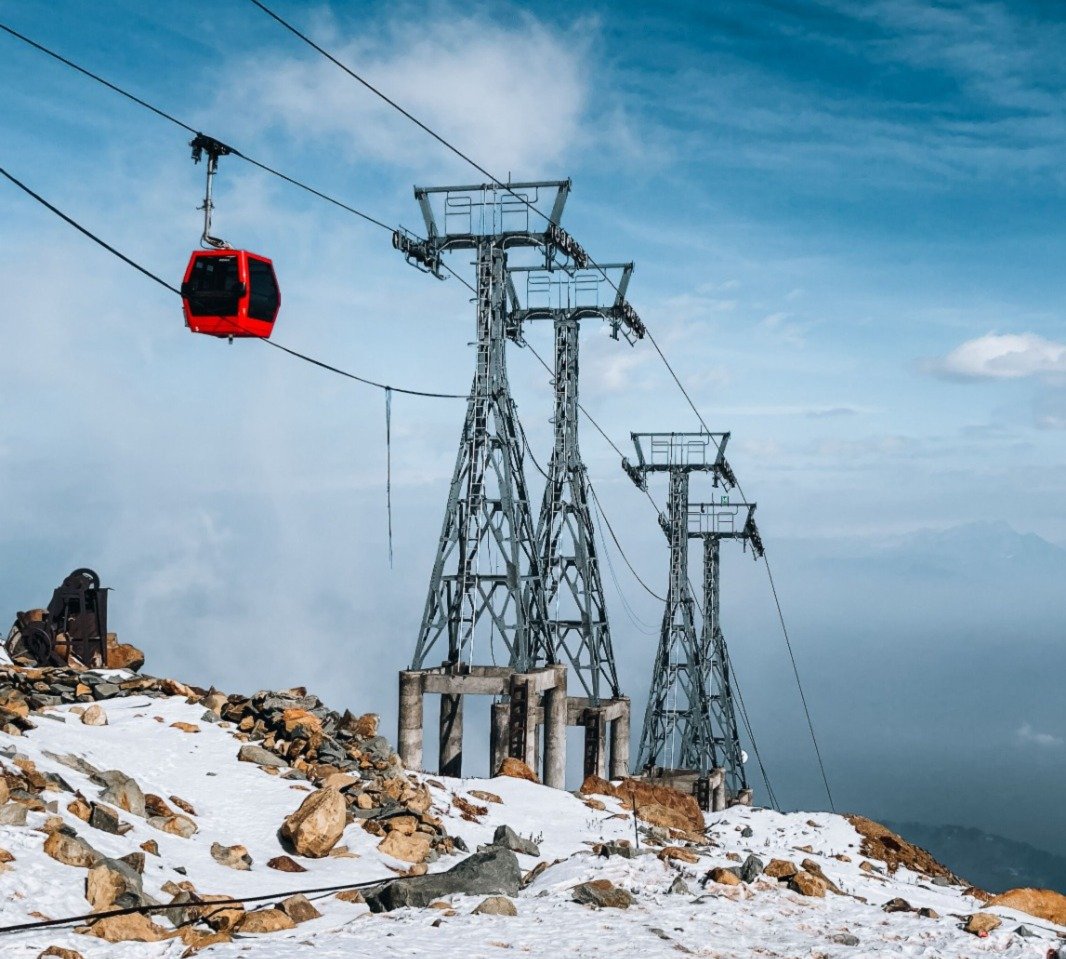
Phase 1 can be a useful next step after you learn the basics, but it is not a magic beginner button. The Gondola takes skiers from Gulmarg towards Kongdoori in Phase 1. From there, the terrain gives you more room to explore than the small beginner slopes near the village. Before you decide, it helps to know the practical difference between Gulmarg Phase 1 and Phase 2, including terrain, height and who each area suits.
Still, your instructor should decide when you are ready. If you are still struggling to stop on a gentle slope, there is no need to rush up. A good ski day is not a race from the village to the top.
Ask a Gulmarg Ski Guide: Should a beginner go to Phase 2?
Usually, no. A complete beginner should not head to Phase 2 simply because the Gondola is open. Phase 2 takes you into much higher terrain around Apharwat. This area is popular with strong skiers because of its powder and open mountain lines. It is also where terrain, weather and snow safety become much more important.
The Gulmarg Avalanche Center publishes daily avalanche information for the mountain area. Its advisories have shown that avalanche danger can rise sharply above 3,000 metres after storms. Before heading into higher terrain, read the latest guidance on avalanche safety in Gulmarg and take local conditions seriously.
That is the part many first-time visitors miss. Fresh powder looks soft and harmless. It does not always mean safe. If you are an advanced skier and want to ski off-piste, use a qualified local guide and follow the day’s avalanche advice.
Why does Gulmarg need more guide care than a normal ski resort?
This is one of the most important questions to ask. A large part of Gulmarg’s appeal comes from natural, off-piste terrain. It is not like a fully groomed European resort where most runs are clearly marked and managed. SkiGulmarg warns that much of the terrain is off-piste and not ski patrolled. It also recommends local guides for people entering this terrain.
The mountain has real avalanche hazards. In February 2024, the Gulmarg Avalanche Center reported a destructive avalanche in the South Apharwat bowl that caught eight skiers and killed one. That does not mean Gulmarg is unsafe for normal visitors. It means you need to respect the difference between a beginner slope and backcountry terrain.
If your plan is simply to learn skiing, stay on suitable slopes with an instructor. If your goal is powder and off-piste skiing, the safety bar needs to be much higher.
Ask a Gulmarg Ski Guide: When is the best time to ski?
For most travellers, January and February are the main months to target for good winter skiing. The broader ski season usually runs from late December into early March, but snow varies from year to year. January and February are popular because the mountain usually has a stronger winter snow base. Early December or late March can still work in some years, but conditions are less certain. If your dates are flexible, check the Gulmarg skiing season before booking flights and hotels.
If you care more about fresh powder than sightseeing, watch snowfall and mountain reports close to your travel date. A calendar cannot tell you what the mountain looks like tomorrow.
How much should I budget for ski gear?
Rental prices vary by shop and by the type of equipment you need. For example, Kashmir Ski School’s Global Ski Shop currently lists skis from about ₹500 to ₹1,500 per day. It also lists boots, poles, ski clothing, helmets and backcountry safety gear separately. Another local ski shop lists basic ski equipment at ₹700 per day, with separate rates for helmets, goggles and avalanche equipment.
So do not compare rental prices by looking at the ski alone. Ask for the full cost of the kit you actually need. If you want to estimate your full spend, including lessons, rentals, food and stay, check the current Gulmarg skiing cost before setting your budget. For a first trip, I would rather spend a little more on a good-fitting boot and proper lesson than save a few hundred rupees and have a miserable day.
Ask a Gulmarg Ski Guide: What should I wear?
Wear layers, not one huge sweater. A thermal base layer keeps sweat away from your skin. A warm middle layer adds insulation. A waterproof outer layer keeps snow and wind out. Your hands and feet need extra care because wet gloves or cold socks can end your ski day faster than you expect.
A basic ski setup should include:
- Thermal base layers
- Warm fleece or similar middle layer
- Waterproof ski jacket and trousers
- Waterproof gloves
- Warm ski socks
- Helmet
- Goggles or good sunglasses
- Waterproof boots for walking around the village
You can rent much of the ski gear in Gulmarg, but bring good base layers and personal winter clothing from home.
Ask a Gulmarg Ski Guide: How many days should I stay?
If skiing is the main reason for your trip, three days is a much better target than one. The first day often goes into learning. Your legs also need time to get used to skiing. By the second day, basic movements start to feel more natural. The third day gives you room to improve rather than simply repeat the first lesson.
With four or five days, you have more freedom to adjust your plan around snowfall, weather and lift operations. If you are unsure whether two or three days is enough for your level, think about how much actual practice you want rather than just how long you want to stay in Gulmarg. One day can still be worthwhile. Just keep your goal realistic. Think of it as an introduction, not a full ski course.
What is the biggest mistake first-time skiers make?
Trying to ski above their level. It happens all the time. Someone sees fresh snow near the Gondola, watches other skiers drop in, and thinks, “I can probably do that.” Maybe you can. Maybe you cannot. The smart move is to let your instructor or guide make that call. A good guide does not take you to the hardest slope to impress you. They choose terrain that matches your skill, the snow and the weather.
The same rule applies to gear. You do not need the most expensive skis on day one. You need skis that fit your ability, boots that fit well and a helmet that stays secure.
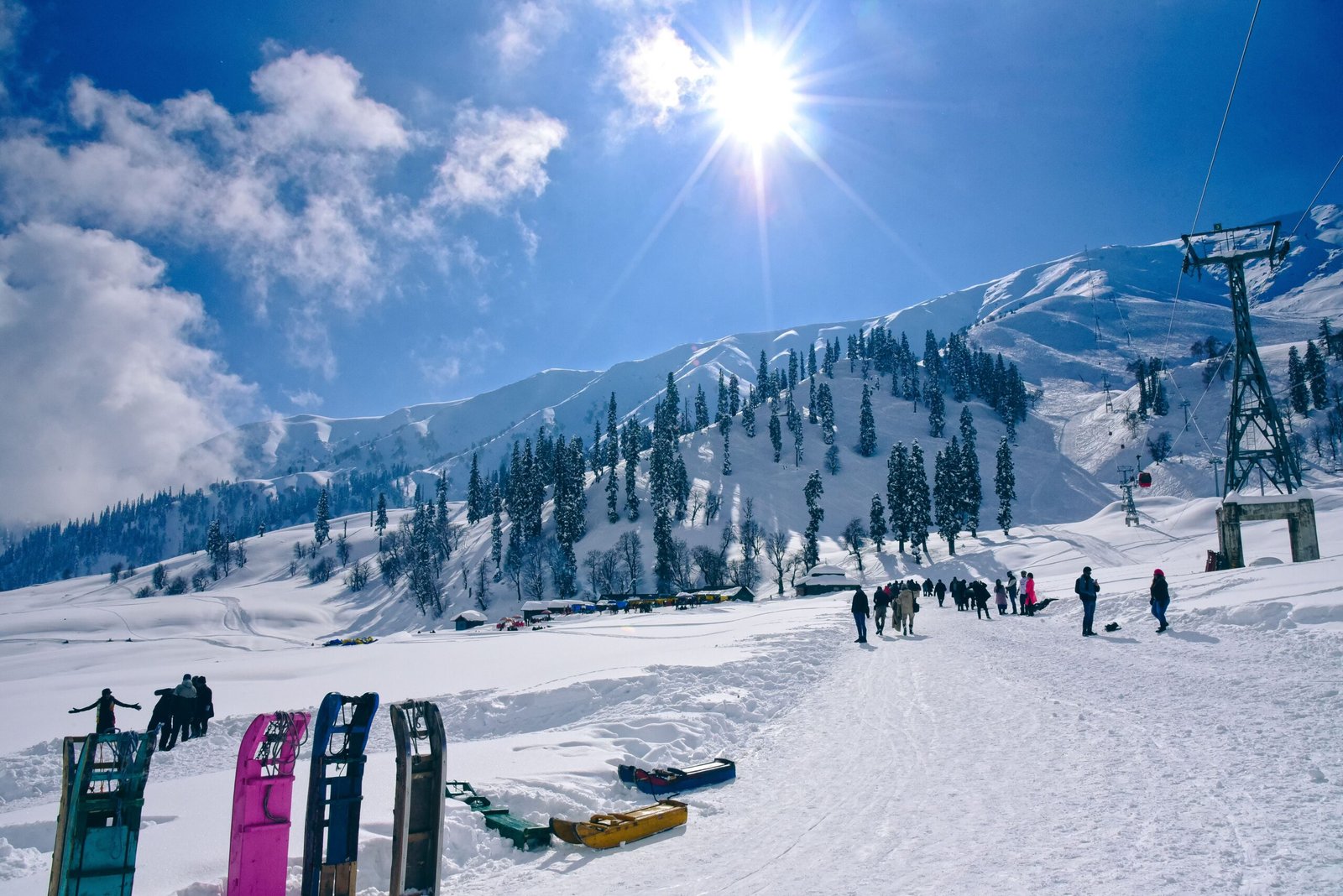
Ask a Gulmarg Ski Guide: What should my first ski day look like?
Keep it simple. Start near the lower slopes. Get your equipment fitted properly. Meet your instructor and tell them exactly how much skiing you have done before. Spend the first session learning control. Once you can stop and turn with confidence, your instructor can decide if you should move higher.
Do not measure your day by how far you travel. If you ski a short slope without falling and control every turn, that is real progress.
And if fresh snow falls overnight, do not assume it means you should chase the deepest line. Ask what the mountain is doing that day. The Gulmarg Avalanche Center’s advisories are made for this reason, because snow conditions can change even when the mountain looks perfect from the hotel window.
A local guide’s best advice is often the advice you do not expect. Sometimes it is, “Stay low today.” Sometimes it is, “You are ready for the next slope.” Knowing the difference is what turns a snowy holiday into a good ski trip. So when you reach Gulmarg and see that huge white mountain above you, do not ask only, “How high can I go?” Ask the better question: “Which part of this mountain is right for me today?”