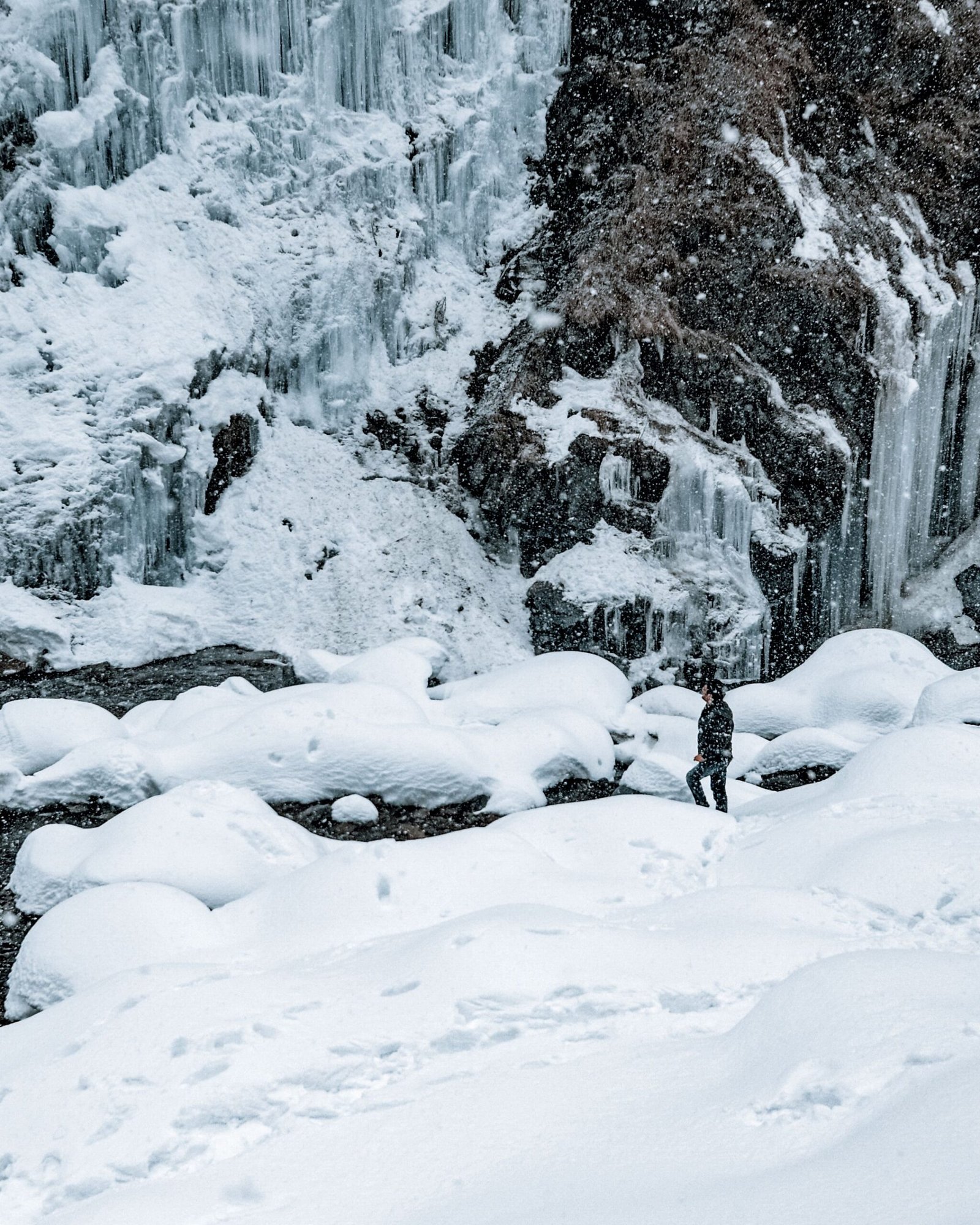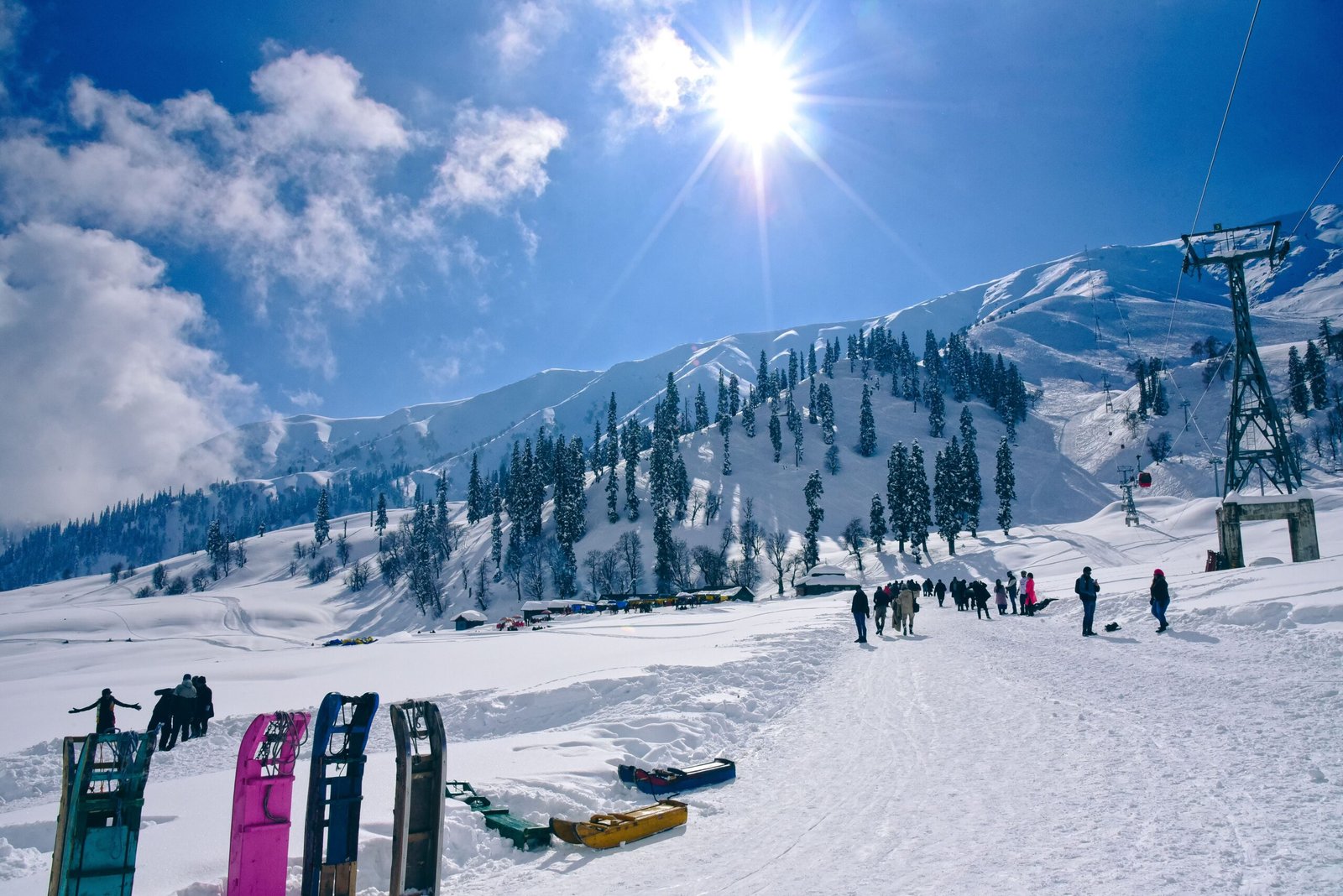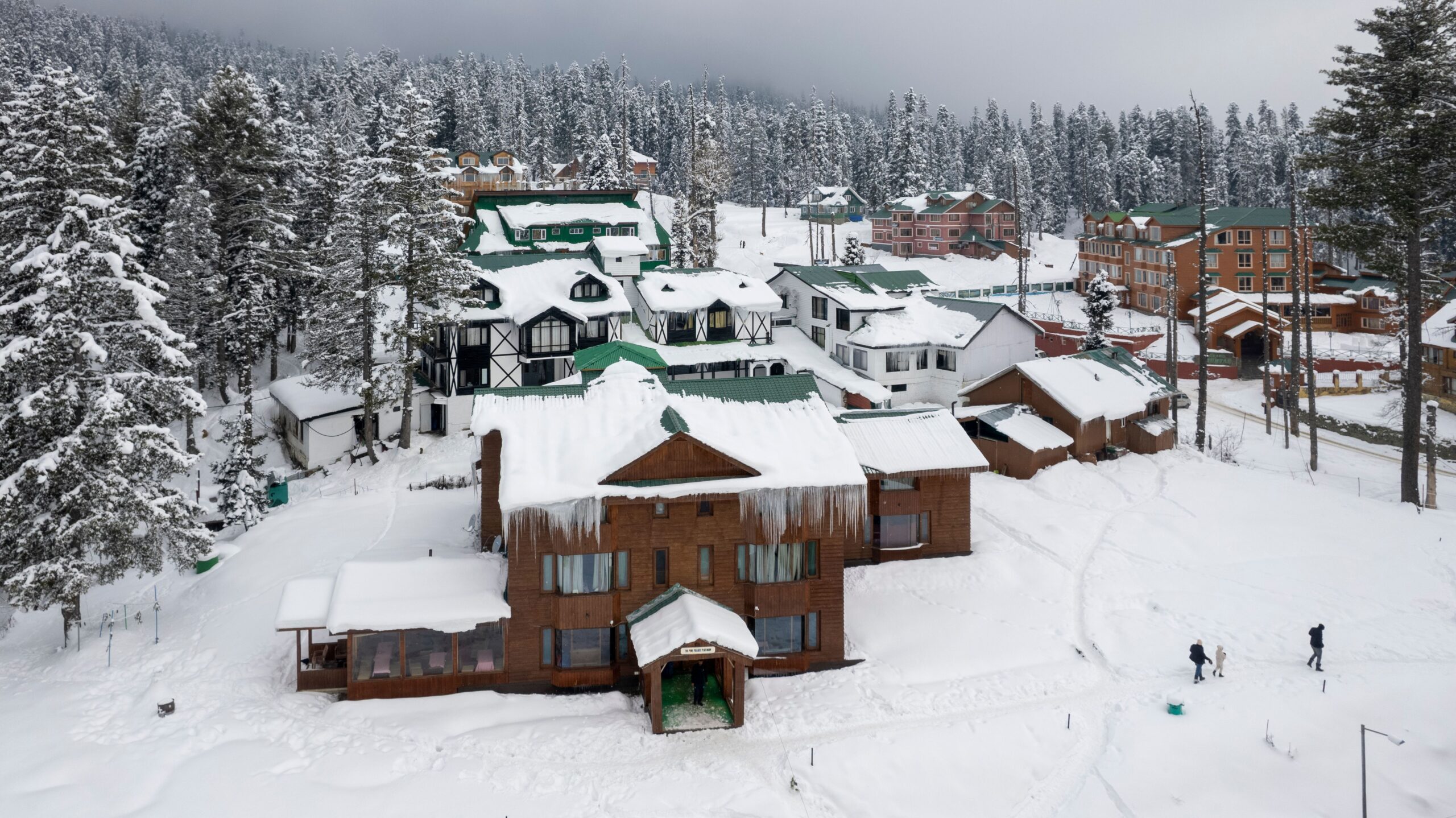
Avalanche safety in Gulmarg skiing starts with carrying a transceiver, probe, and shovel whenever you ski outside marked ski slopes or enter backcountry areas. Gulmarg Skiing is one of the most popular winter adventures in India. Every year, people travel here to enjoy deep snow, beautiful mountain views, and exciting ski runs. Many visitors also try off-piste skiing in Gulmarg because it offers fresh powder and fewer crowds.
The snow is a big reason why people love Gulmarg. If you want to understand what makes it special, read more about Gulmarg’s snow conditions. The same snow that creates great skiing can also create avalanche danger.
Many first-time visitors spend a lot of time choosing jackets, gloves, skis, and goggles. Some also check gondola ride booking options and compare the Gulmarg skiing price breakdown. Very few spend enough time learning about avalanche safety. That can be a serious mistake. If you plan to ski away from the main resort area, safety gear is just as important as skiing skills.
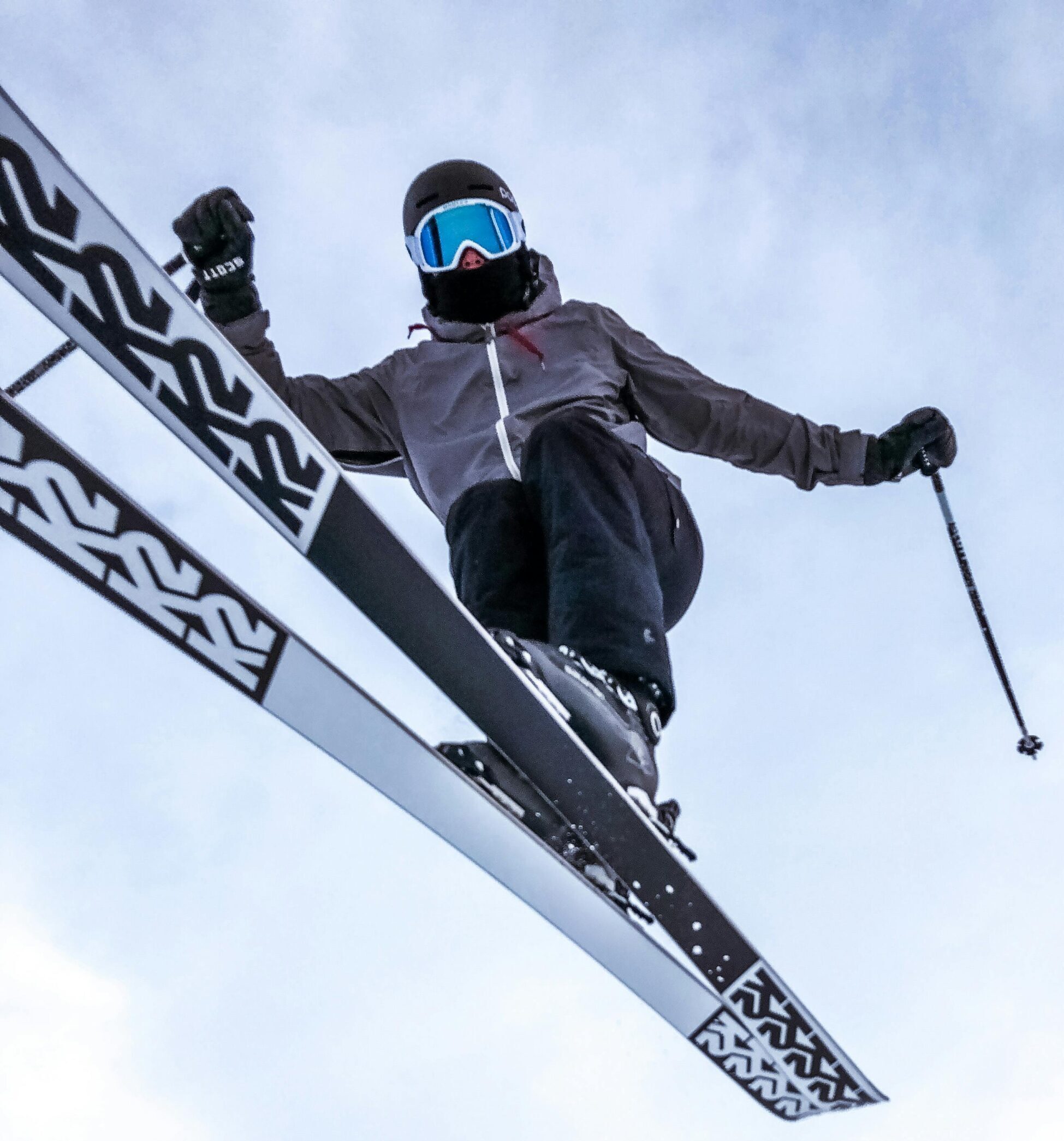
Why Avalanche Safety Matters in Gulmarg
Gulmarg receives heavy snowfall throughout the Gulmarg skiing season. Some storms bring fresh snow for several days. Strong winds then move that snow across different slopes.
An avalanche happens when a layer of snow breaks loose and slides downhill. Sometimes it happens naturally. Sometimes a skier or snowboarder triggers it.
The deep powder snow that makes Gulmarg famous can also create weak snow layers. That is why skiers must pay attention to mountain conditions every day. This does not mean every slope is dangerous. Thousands of people ski safely in Gulmarg every winter. It simply means that good decisions matter.
Safe Ski Areas and Backcountry Areas
Many visitors do not realise how quickly they can leave the main ski area. The slopes near the resort are checked and managed for safety. Places like the Kangdoori area are popular with beginners and people who are learning to ski.
Once you move beyond these areas, things change. Large parts of Gulmarg’s backcountry are wild mountain areas. Avalanche control is limited in many of these places.
A few turns away from a popular ski route can take you into serious mountain terrain. Areas around Apharwat Peak, Mary’s Shoulder, Monkey Hill, and Sunshine Peak need much more care and awareness.
If you are unfamiliar with these zones, it helps to study the Gulmarg ski area map and slopes before heading out. This is why local guides strongly suggest carrying avalanche safety gear whenever you leave managed slopes.
What Is an Avalanche Transceiver?
A transceiver is a small electronic device that you wear under your jacket. While skiing, it sends out a signal. If someone gets buried in an avalanche, other skiers switch their devices into search mode.
The signal helps rescuers find the buried person much faster. Modern transceivers are light and easy to carry. But buying one is not enough. You must learn how to use it correctly.
Many people learn these skills at a ski school in Gulmarg. Others take courses at the Indian Institute of Skiing and Mountaineering before skiing in advanced areas. People who are completely new to skiing should first learn how to learn skiing in Gulmarg and understand the basics before exploring advanced terrain.
Check Snow Updates Before You Ski
One common mistake is thinking that mountain conditions stay the same every day. Fresh snowfall, strong winds, and warmer weather can all increase avalanche danger. Before skiing outside the resort area, always check snow and avalanche updates.
Even expert skiers do this every morning. This becomes especially important during January, February, and March when snowfall is usually at its highest. People planning a trip should also check the best time to visit Gulmarg for skiing.
What Is an Avalanche Probe?
A probe is a long folding pole that fits inside a backpack. After the transceiver guides rescuers to the right area, the probe helps find the exact location of the buried skier. Without a probe, people may waste valuable time digging in the wrong place. A few centimetres can make a big difference during a rescue.
Think of the probe as a tool that confirms where a person is under the snow. It helps rescuers work faster and more accurately. Most guides carry probes whenever they ski in backcountry terrain. If you plan to explore areas like Apharwat Peak or try off-piste skiing in Gulmarg, a probe should always be part of your safety kit.
Why a Shovel Is So Important
Many beginners focus only on the transceiver. That is a mistake. Finding a buried skier is only the first step. Getting them out of the snow is often much harder.
Avalanche snow becomes very hard after it settles. It can feel almost like ice. Digging with bare hands takes too much time and energy.
A strong avalanche shovel helps rescuers move snow much faster. That extra speed can make a huge difference during an emergency. This is why experienced skiers always carry a shovel along with a transceiver and probe. The three tools work together. Removing one weakens the whole rescue system.
The Three Tools Must Work Together
Some people buy a transceiver and think they are ready. Others carry a shovel but leave the probe behind. That is not how avalanche safety works.
Every skier entering backcountry terrain should carry:
- Avalanche transceiver
- Avalanche probe
- Avalanche shovel
The transceiver helps you find the signal. The probe helps you find the exact spot. The shovel helps you dig quickly.
Local guides often say that carrying only one or two of these tools is like driving a car with missing tyres. You may have part of what you need, but not the complete system.
The February 2024 Avalanche Incident
Avalanches are not just something people read about online. They are a real part of mountain life. In February 2024, an avalanche near the Apharwat area trapped several foreign skiers. Rescue teams and helicopters were called to help.
Sadly, one skier lost his life. The purpose of talking about this incident is not to create fear. It is to remind people that mountains deserve respect.
Many visitors come to Gulmarg after reading glowing Gulmarg Gondola reviews or learning why it ranks among the best places to ski in India.
The skiing here is fantastic. At the same time, mountain conditions can change very quickly. Good preparation helps people enjoy the experience safely.
Do You Need Avalanche Gear in Gulmarg?
The answer depends on where you plan to ski. If you stay on beginner slopes and inside the main ski area, avalanche gear may not be necessary. People who are new to skiing should first understand how many days it takes to learn skiing in Gulmarg and focus on building basic skills.
However, avalanche gear becomes strongly recommended if you plan to ski:
- Off-piste routes
- Tree runs
- Side-country terrain
- Mountain bowls
- Remote backcountry areas
Many guided groups will not allow guests into advanced terrain without proper safety equipment. This becomes even more important in areas beyond the main resort where avalanche control is limited.
Avalanche Rescue Starts With Your Group
Many visitors think professional rescue teams will arrive immediately after an accident. That is not always possible. In remote mountain areas, your ski partners are usually the first people who can help.
This is why every member of a group should know how to use avalanche equipment. One person carrying all the knowledge is not enough. Good teamwork can save valuable minutes. The best rescue often starts before professional rescuers arrive.
Travel Insurance Is Also Important
Many skiers remember to pack equipment but forget about insurance. Before travelling, check whether your policy covers:
- Off-piste skiing
- Search and rescue operations
- Emergency medical treatment
- Helicopter evacuation
This becomes even more important if you plan to try heli-skiing in Gulmarg. Mountain weather changes quickly. Understanding heli-ski weather conditions can help you make safer decisions before booking advanced adventures. A little planning now can prevent major problems later.
Should Beginners Learn Avalanche Safety?
Yes, especially if you want to ski beyond the main resort area. Many people think avalanche training is only for expert skiers. That is not true. In fact, beginners often benefit the most because they are still learning how mountains work.
A good avalanche course teaches you how to use rescue gear, spot warning signs, and make better decisions in the snow. Most people start by learning at a ski school in Gulmarg or by taking lessons with a private skiing instructor in Gulmarg.
Some visitors also choose training programmes at the Indian Institute of Skiing and Mountaineering. The goal is not to make you fearless. The goal is to help you understand when to move ahead and when to turn back.
Avalanche Safety and the Gulmarg Gondola
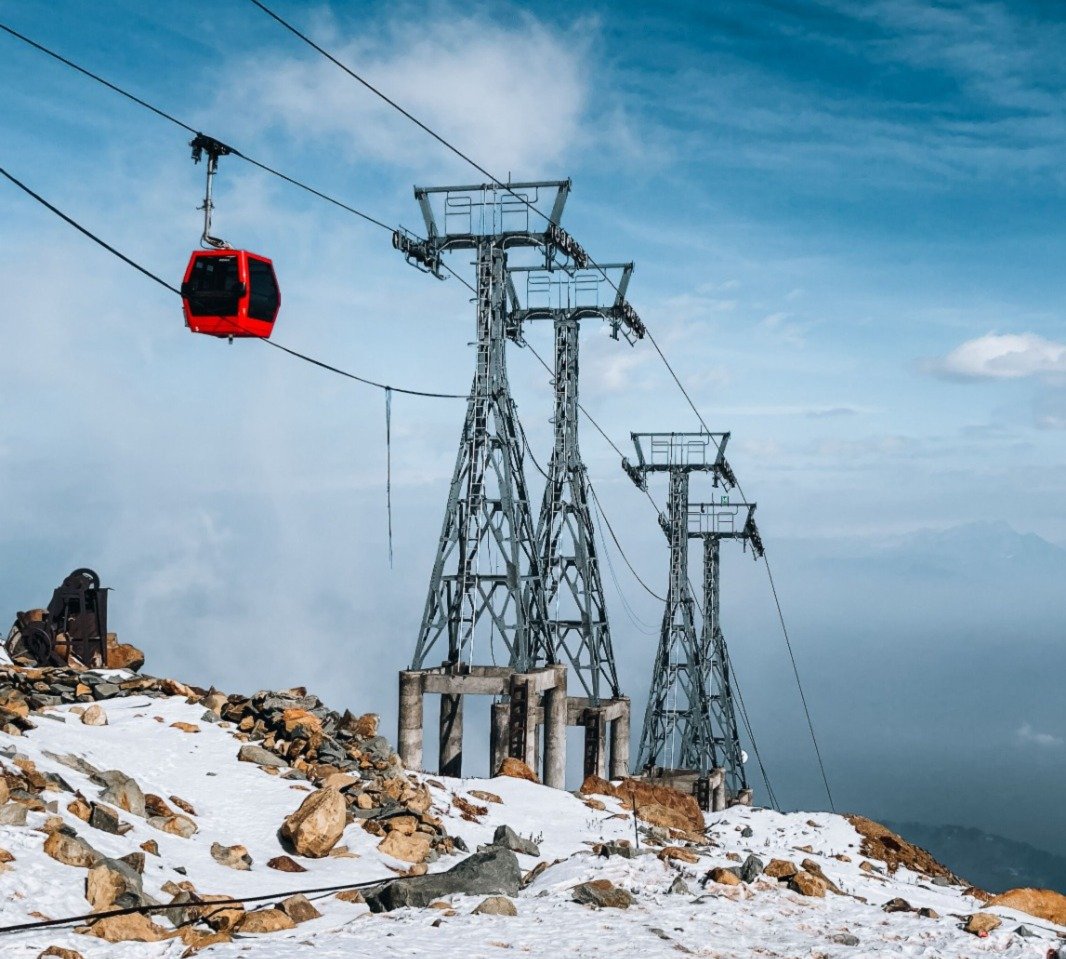
Most ski adventures in Gulmarg begin with the gondola. Many visitors book their rides through the Gulmarg Gondola online booking process before arriving.
Some travellers also use Gulmarg Gondola Tatkal tickets during busy periods.The higher you travel on the gondola, the more important mountain awareness becomes.
Many advanced ski routes start near Apharwat after riders reach the upper station. If you are unsure which section suits your skill level, read about Gulmarg Phase 1 vs Phase 2.
You can also learn more about the Gulmarg Phase 2 height and the complete Gulmarg Phase 2 guide. Understanding where you are skiing is an important part of staying safe.
Know the Terrain Before You Ski
Many accidents happen because people follow tracks without knowing where they lead. A slope may look safe from a distance. Once you reach it, the conditions may be very different. Before exploring new routes, spend time studying the Gulmarg ski area map and slopes.
You should also understand the wider Gulmarg ski area before leaving marked terrain. Knowing where beginner runs end and where avalanche terrain begins can help you make smarter choices. This is especially important during heavy snow periods in December, January, and February.
Renting Equipment Does Not Include Avalanche Skills
Many visitors arrange their ski rental before heading to the slopes. Rental shops can provide skis, poles, boots, and helmets. Some shops also rent avalanche equipment. But equipment alone does not make anyone safe.
A person carrying a transceiver without knowing how to use it is still at risk. This is why practice is so important. Experienced skiers regularly test their gear before every season. They also practise rescue drills with friends and guides.
Practical Avalanche Safety Tips
Most avalanche accidents happen because of small mistakes that build up over time. Good habits help reduce risk.
Keep these points in mind:
- Never ski alone in avalanche terrain.
- Carry a transceiver, probe, and shovel.
- Check avalanche updates every day.
- Listen to local guides and ski patrol teams.
- Practise with your equipment regularly.
- Stay within your skill level.
- Avoid risky slopes after heavy snowfall.
- Carry emergency contact information.
- Tell someone where you plan to ski.
These steps may sound simple. Yet they are followed by many experienced mountain guides around the world.
Planning a Safer Ski Trip to Gulmarg
Safety starts long before you clip into your skis. It begins when you plan your trip. If you are comparing destinations, you may also find it useful to read Gulmarg vs Auli skiing or compare Pahalgam or Gulmarg for skiing. The more you know before arriving, the better decisions you can make once you are on the mountain.

FAQs
1. Is avalanche safety equipment mandatory in Gulmarg?
It is strongly recommended for anyone skiing outside the main ski area. Many guides will not take guests into certain areas without proper gear.
2. Can beginners ski off-piste in Gulmarg?
Beginners should only ski off-piste with a qualified guide and proper safety equipment.
3. Does travel insurance cover avalanche rescue?
Not always. Many standard policies exclude off-piste skiing and helicopter evacuation. Always check the details before travelling.
4. Do guides carry avalanche safety equipment?
Most professional guides carry avalanche gear. Even so, every skier should carry their own equipment whenever possible.
5. What is the most important avalanche safety tool?
All three tools are equally important. The transceiver helps find a person, the probe confirms the location, and the shovel completes the rescue.
The deep powder snow that attracts skiers to Gulmarg is the same snow that demands respect. The mountains will always be there tomorrow. The question is simple: are you preparing only for the ski run, or are you preparing for the mountain too?