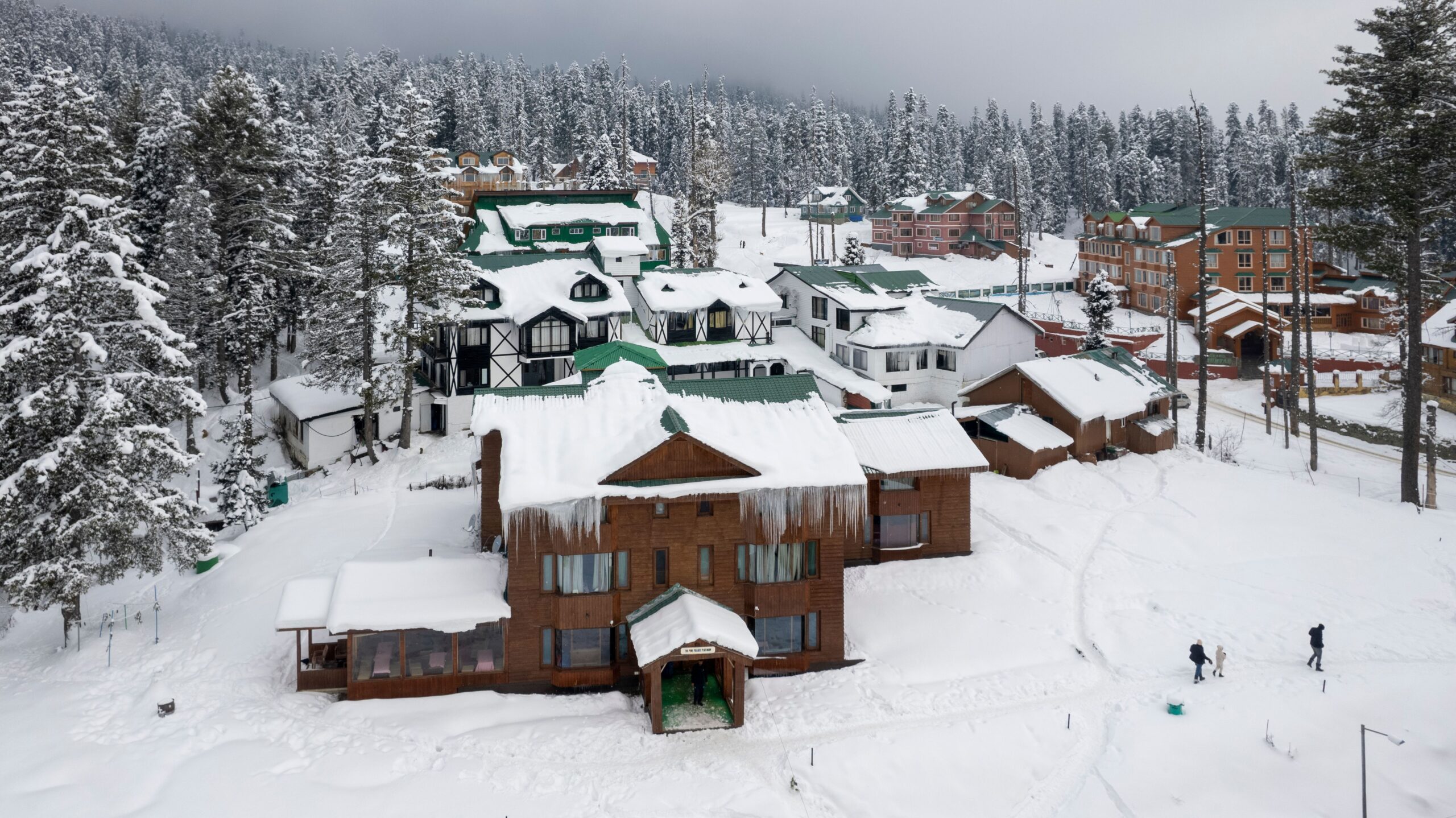
Yes, the gulmarg gondola in summer is still worth the money, even when there’s no thick snow waiting at the top. But the experience is different, and that difference is exactly what decides whether you’ll love it or feel underwhelmed.
Some people expect a white wonderland in June or July. Then they reach and see green slopes instead. That’s where confusion starts. Snow or no snow is not the real question here. The real question is what you want from the mountains. Let’s break it down properly so you don’t regret the ticket later.
Gulmarg gondola in summer: what you are actually paying for
The Gulmarg Gondola is not just a ride. It’s one of the highest cable cars in the world and moves in two main phases. It starts from Gulmarg and climbs deep into the Pir Panjal range. If you’re planning a full trip around this region, it helps to understand how everything connects, and resources like skiingingulmarg give a wider picture of the destination.
Ticket details (2025–26 season approx.):
- Phase 1 (Gulmarg to Kongdoori): ₹810 per person
- Phase 2 (Kongdoori to Apharwat): ₹1010 per person
- Full ride (both phases): around ₹1820 total
- Children below 3 years: usually free entry
Tickets run on fixed time slots. You don’t just walk in and go.
Time slots usually follow this pattern:
- 9:00 AM – 11:00 AM
- 11:15 AM – 1:15 PM
- 1:30 PM – 3:30 PM
Miss your slot, and the ride is usually lost. Refunds are rare. That surprises many first-time visitors. And yes, this is where most planning mistakes happen. People arrive late thinking it’s flexible. It isn’t.
For official booking flow, check Gulmarg Gondola online booking
For price breakdown, see Gulmarg Gondola price 2026
Cable car gulmarg summer: what the ride feels like step by step
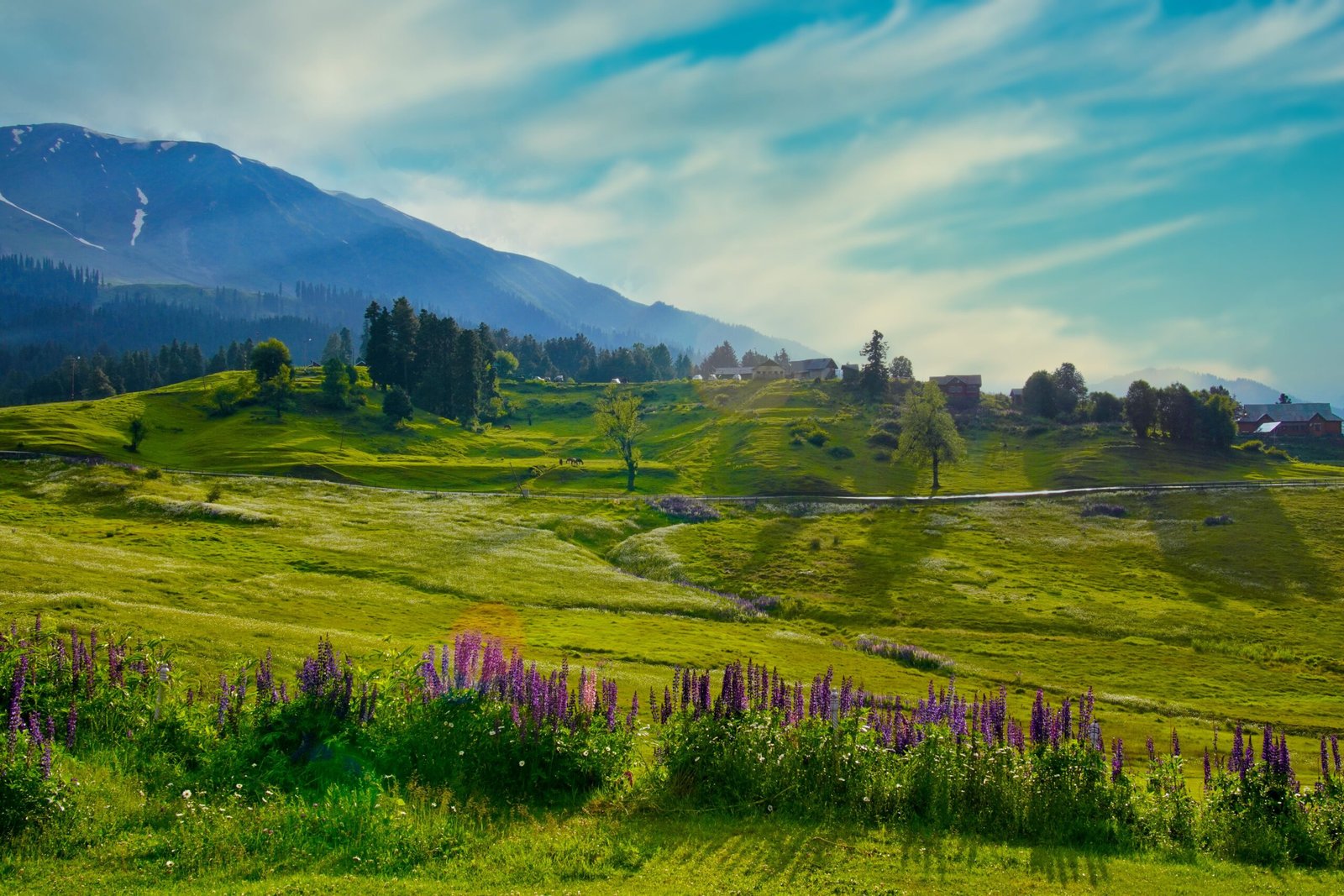
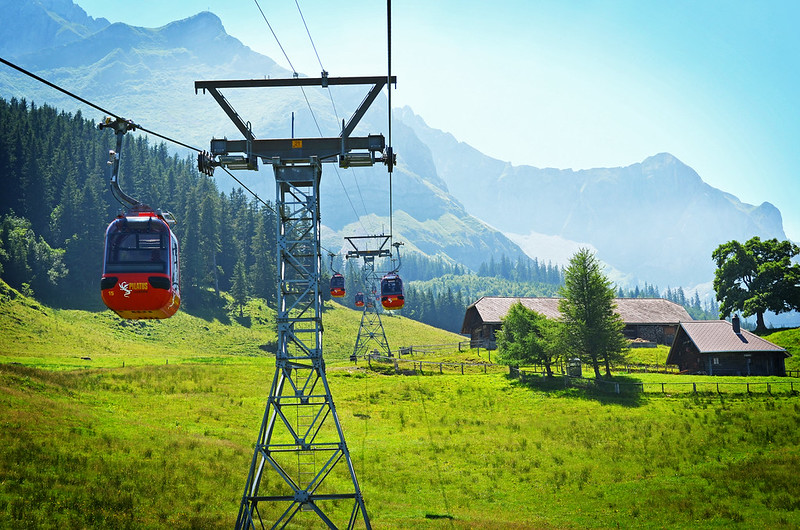
The cable car gulmarg summer journey has two very different moods. Phase 1 feels calm and green. You float above pine forests and open meadows. No snow drama here. Just long slopes and quiet valleys. At Kongdoori, the air shifts slightly. Cooler. Wider views. Less noise. Then Phase 2 begins. This is where altitude becomes real.
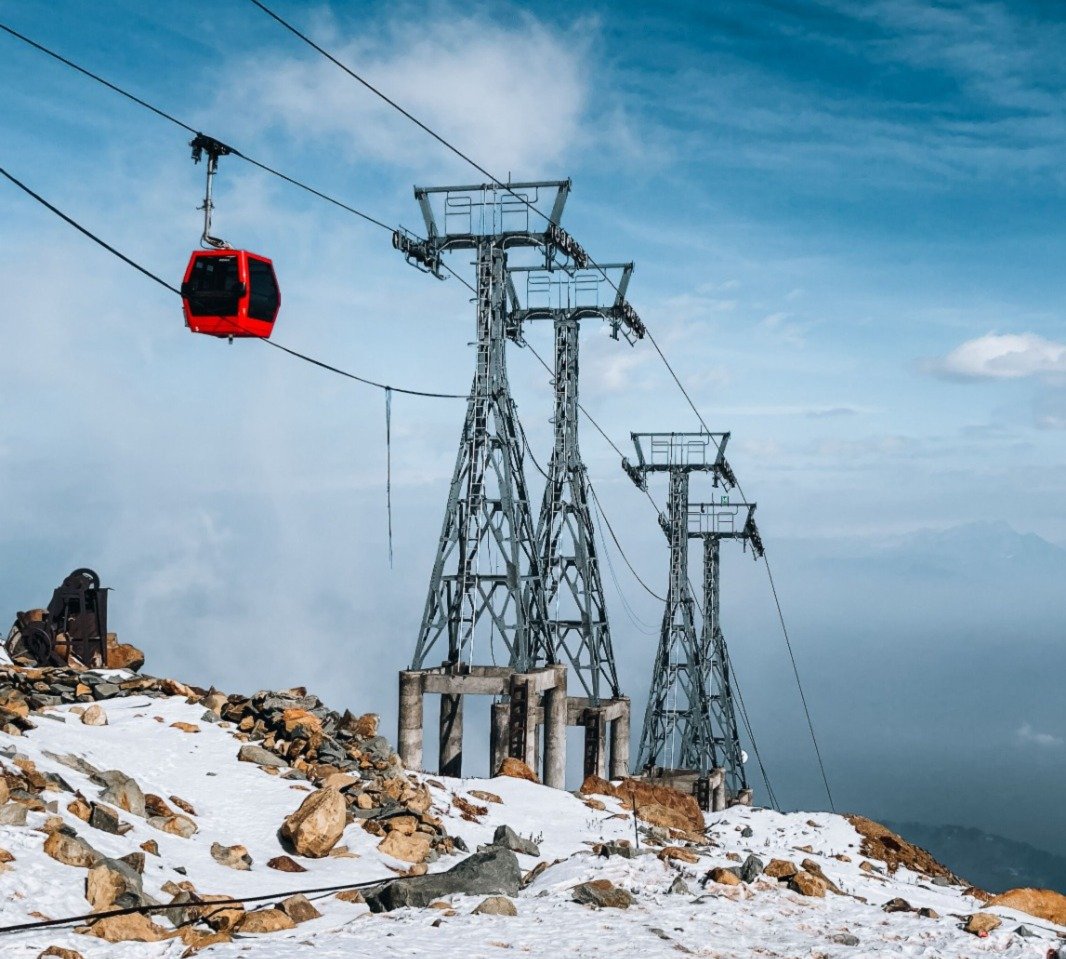
You climb toward Apharwat Peak at around 13,400 feet. Even in summer, small snow patches stay locked in shaded corners. Not huge fields, but enough to change the air on your face.
A simple breakdown:
- Phase 1: forests, meadows, easy views
- Phase 2: high ridges, snow patches, cold wind
- Top: wide Himalayan view, silent horizon
And yes, people go quiet up there. Even the loud ones. To understand the upper terrain better, explore Gulmarg Phase 2 guide
You can also see the terrain layout in Gulmarg ski area
Gulmarg gondola off season reality: summer vs winter truth
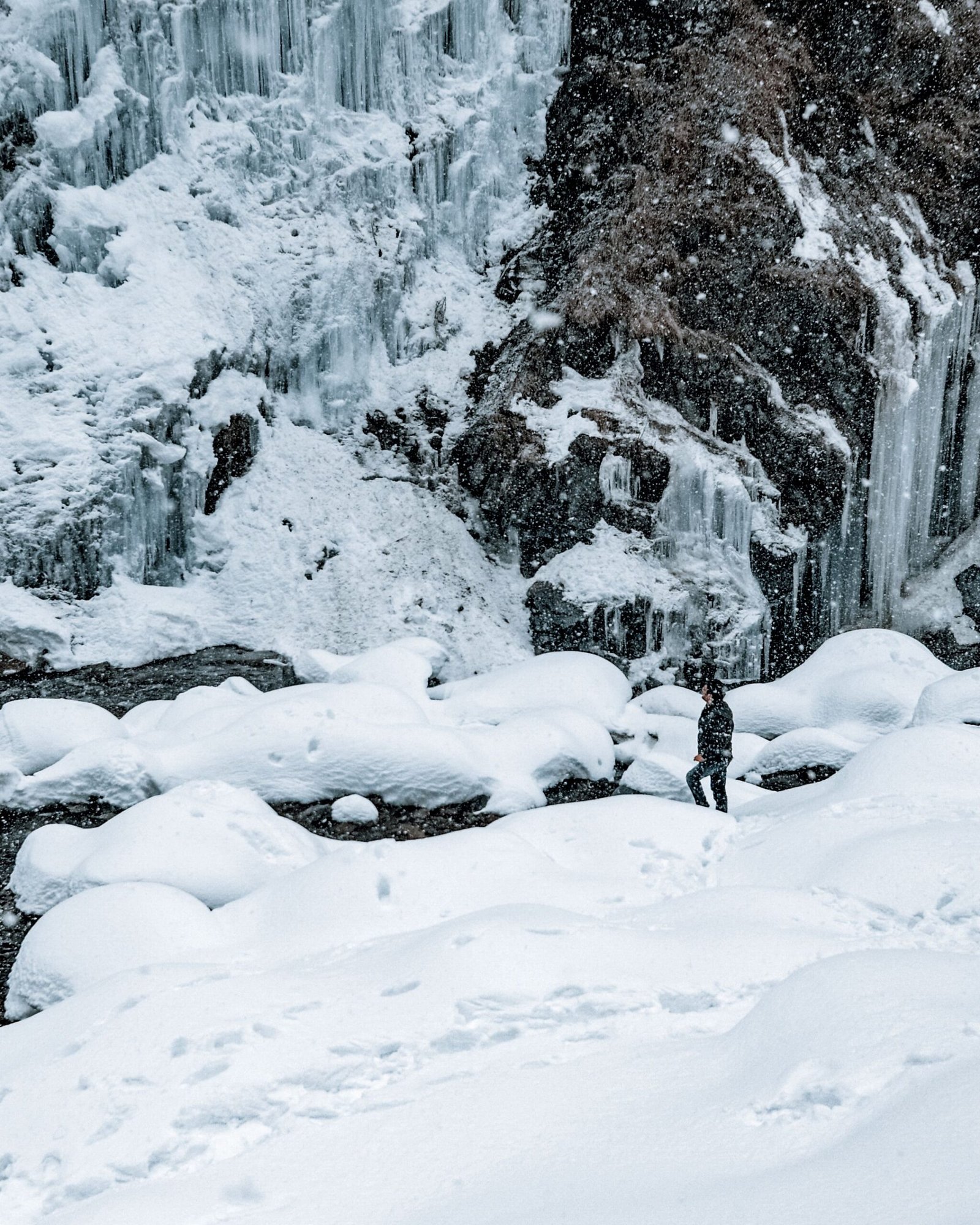
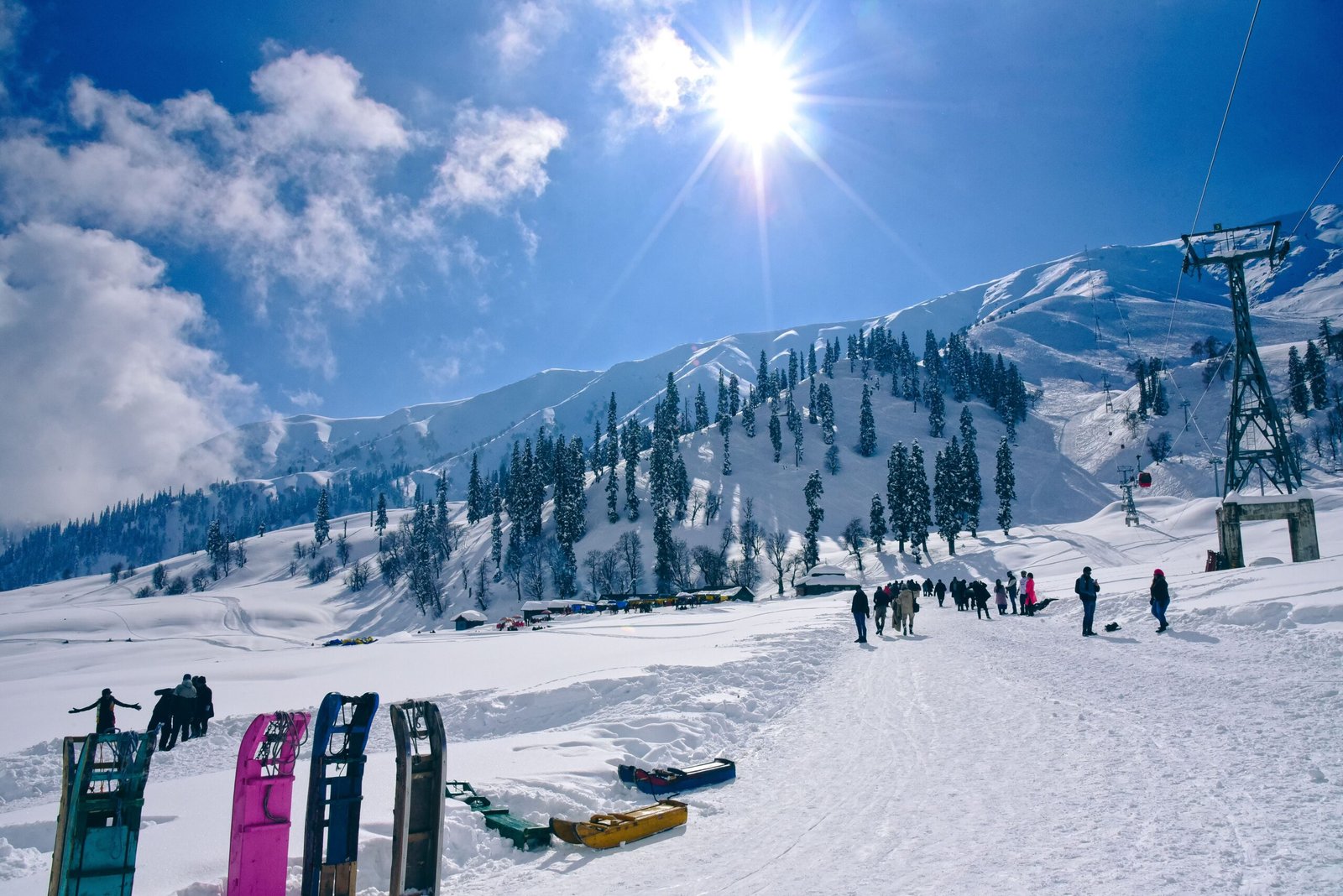
The gulmarg gondola off season debate is really about expectation mismatch. Winter brings thick snow, skiing, and that postcard look everyone imagines. Summer removes that layer completely. So what remains? Mountains. Pure and exposed. Summer shows structure. You see how steep the slopes actually are. You notice ridges snow normally hides.
But here’s the honest split:
- If you want snow play → winter wins easily
- If you want visibility and calm views → summer feels better
- If you hate crowds → summer is easier
One local guide once said something simple while standing at the top. “Snow decorates. Summer reveals.” That line fits perfectly here.
For deeper seasonal planning, check best time to visit Gulmarg
Month-wise clarity is available in Gulmarg January snow guide and Gulmarg March conditions
Altitude, weather, and safety you should know
This part matters more than most visitors expect.
- Kongdoori (Phase 1): ~8,530 feet
- Apharwat Peak (Phase 2): ~13,400 feet
At this height, oxygen drops. You feel it during fast movement or climbing.
Basic reality checks:
- Short breath after quick movement is normal
- Mild headache can happen at higher altitude
- Cold wind hits even in June or July
- Weather can shift fast without warning
If you have asthma, heart issues, or breathing sensitivity, get medical advice before heading to Phase 2. Practical safety matters here. And yes, carry a light jacket even in peak summer. The top ignores what you wore below.
For altitude planning, this helps: Gulmarg altitude guide
What most people miss after reaching the top
Reaching Apharwat is not the end. It’s the pause after it.
You’ll see:
- Wide Himalayan layers fading into haze
- Small snow patches stuck in corners
- Wind that feels sharper than expected
- Silence that feels unusually loud
Most visitors stay 10–15 minutes and leave. That’s the mistake. Sit a little longer. Watch the ridges shift with light. The experience changes when you stop rushing. And maybe that’s the real value of gulmarg gondola in summer.
Practical travel tips before you book
Planning matters more than luck here.
- Book tickets early during peak months
- Reach at least 45 minutes before your slot
- Carry valid ID for verification
- Wear layered clothing
- Avoid tight post-ride schedules
Network often drops near upper stations. Don’t rely on mobile data there. And don’t rush the ride. It’s not a checklist attraction.
For beginners, this helps: Gulmarg beginners guide
For stays: stay options in Gulmarg
For travel routes: how to reach Gulmarg
common mistakes people make
These repeat every season:
- Expecting full snow in summer
- Missing booked time slots
- Overdressing in heavy winter gear
- Ignoring altitude effects at Phase 2
- Leaving immediately after reaching the top
Most disappointment comes from expectations, not the gondola itself.
FAQs
- Is gulmarg gondola open in summer?
Yes, it operates through most summer months unless weather interrupts. - Is snow visible in summer?
Only small patches at higher altitude in Phase 2. - How long does the ride take?
Phase 1 takes about 10–12 minutes. Phase 2 takes 12–15 minutes. - Is it safe for kids?
Yes, but higher altitude may feel uncomfortable for very young children. - Is advance booking needed?
Yes, especially during peak tourist season.
So, is gulmarg gondola in summer worth it?
Yes, but not for the reason most people imagine. It is not a snow ride. It is a height ride. A silence ride. A slow reveal of Kashmir’s upper valleys. And once you stop comparing it to winter photos, it starts making sense. The mountains are not missing anything. Only the snow changed what you were looking at.