Beigh Sabeela

Gulmarg Gondola

Best Time for Gondola Ride in Gulmarg: Weather, Crowd, Snow & Monthly Guide

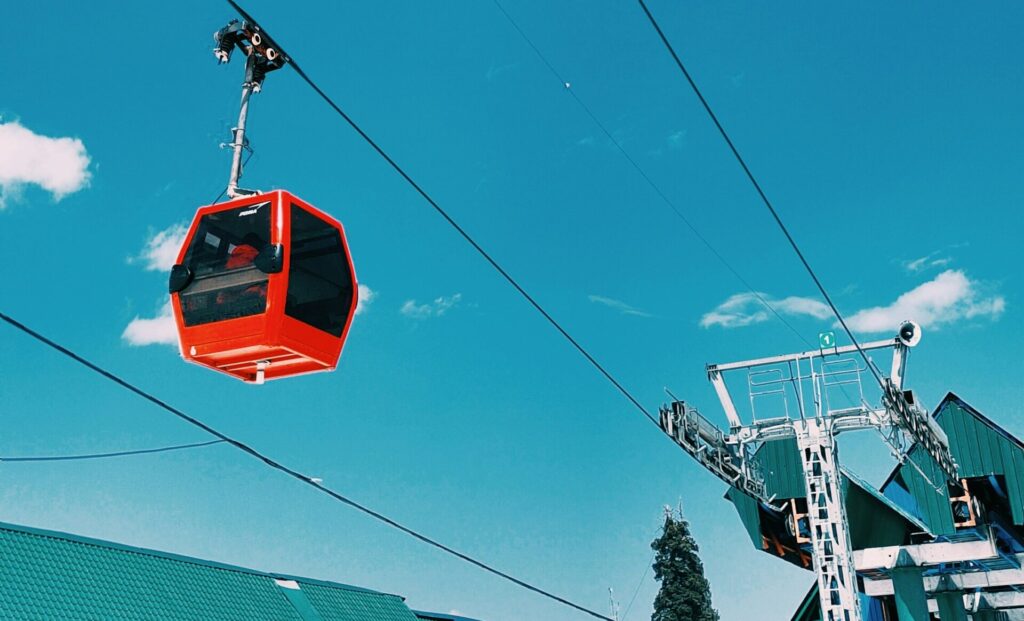
The best time for a gondola ride in Gulmarg is January and February for snow, April to June for pleasant weather, and September to October for fewer crowds and clear mountain views. The Gulmarg Gondola is one of the most famous attractions in Kashmir.  For many travellers, it is the main reason to visit Gulmarg. The ride takes you high above forests, meadows, and snowy slopes. As you move higher, the views become bigger and more beautiful. If you are planning a winter holiday, our guide to Gulmarg Skiing can help you understand what makes this destination so popular. Many people ask us the same question before planning their trip. Should they visit in winter for snow? Is summer better for sightseeing? When are the crowds smaller? The answer depends on what kind of trip you want. Why Timing Matters for the Gulmarg Gondola The gondola looks different in every season. In January, you can see thick snow across the mountains. Skiers often glide down the slopes below the gondola. Visit in May and green meadows begin to replace the snow. By October, the weather feels cool and the crowds are much smaller. Weather also affects your ride. A clear day gives you amazing mountain views. A cloudy day can hide many of the peaks. That is why understanding the best time to visit Gulmarg helps you plan a better trip. Gulmarg Gondola at a Glance The Gulmarg Gondola is one of the highest cable car rides in the world. It is managed by the Jammu & Kashmir Cable Car Corporation (JKCC). The ride has two phases: Phase 1: Gulmarg to Kongdoori Phase 2: Kongdoori to Apharwat Peak If you are not sure which section to choose, read our comparison of Gulmarg Phase 1 vs Phase 2 before booking your tickets. Phase 1 is suitable for most visitors. Phase 2 takes you much higher and gives you bigger mountain views. You can also learn more about the Gulmarg Phase 2 height and how it affects visitors. Most people spend between two and four hours enjoying the ride and nearby viewpoints. Best Time for Gondola Ride Gulmarg for Snow If snow is your main goal, visit between January and February. These months usually get the most snowfall. The slopes, trees, rooftops, and mountains are covered in white. The whole area feels like a winter postcard. This is also the peak of the Gulmarg skiing season. Skiers from India and around the world come here during this time. Gulmarg is famous for its powder snow, and many visitors compare the snow quality in Gulmarg with some of the world’s best ski destinations. If you are planning a winter trip, the detailed guides for January and February can help you choose the right dates. During January and February, you can expect: Deep snow Beautiful winter views Peak skiing season Larger crowds Possible weather delays Best Time for Clear Views and Pleasant Weather Not everyone wants freezing temperatures. Many families prefer visiting between April and June. The weather is pleasant, roads are easier to travel on, and weather-related delays are less common. Many travellers are surprised by how beautiful the Gulmarg Gondola in Summer can be. The lower slopes turn green while snow remains on the higher mountains. This creates some of the most beautiful views of the year. Best Time to Avoid Crowds Crowds can affect your trip more than many people expect. Long queues often form during: Christmas holidays New Year holidays January weekends Summer vacations Long weekends If you prefer a quieter trip, consider visiting during: Early April Late May September Early October These months often offer shorter queues and a more relaxed atmosphere. If tickets are sold out during peak periods, learning about Gulmarg Gondola Tatkal Tickets may help. Month-by-Month Guide for the Gulmarg Gondola Month Snow Crowd Level Views   January Excellent High Very Good   February Excellent High Excellent   March Good Moderate Good   April Moderate Moderate Excellent   May Limited Moderate Excellent   June Limited High Excellent   July Very Little Moderate Good   August Very Little Moderate Good   September Minimal Low Excellent   October Minimal Low Excellent   November Light snow at higher areas Low Good   December Increasing snow Moderate Variable   Visitors planning a winter holiday may also find our guides for December and March useful. Morning vs Afternoon: When to Ride Gondola Gulmarg Morning is usually the best time for the gondola ride. The weather is often clearer, mountain views are better, and queues are shorter. Clouds tend to build up later in the day. Morning rides usually give you: Better views Better photographs Shorter queues More time to explore For most travellers, arriving early is one of the easiest ways to improve the experience. Phase 1 vs Phase 2: Which One Should You Choose? If you are travelling with children or have limited time, Phase 1 may be enough. The views are beautiful, and the altitude is easier for most visitors. During winter, many beginners enjoy Kangdoori Phase 1 skiing around this area. If the weather is good, Phase 2 is usually worth visiting. The higher slopes near Apharwat Peak Phase 2 skiing offer some of the most impressive mountain views in Gulmarg. Most visitors feel that Phase 2 is worth the extra time. Weather Closures and What to Expect Weather can affect gondola operations at any time of the year. Strong winds, heavy snowfall, and poor visibility may lead to temporary closures. This happens more often during winter. It is also useful to understand situations when the Gulmarg skiing season is called off because of weather conditions. If you are visiting during peak winter, keeping an extra day in your itinerary is always a good idea. Altitude and Safety Tips Phase 2 reaches almost 4,000 metres above sea level. Some visitors may feel mild symptoms caused by the altitude, including: Headache Breathlessness Tiredness Mild dizziness You can read more about Gulmarg’s altitude before your trip. Move slowly, stay

Best Time for Gondola Ride in Gulmarg: Weather, Crowd, Snow & Monthly Guide Read More »
Skiing In Gulmarg

Ski Goggles for Gulmarg: What to Look for at High Altitude

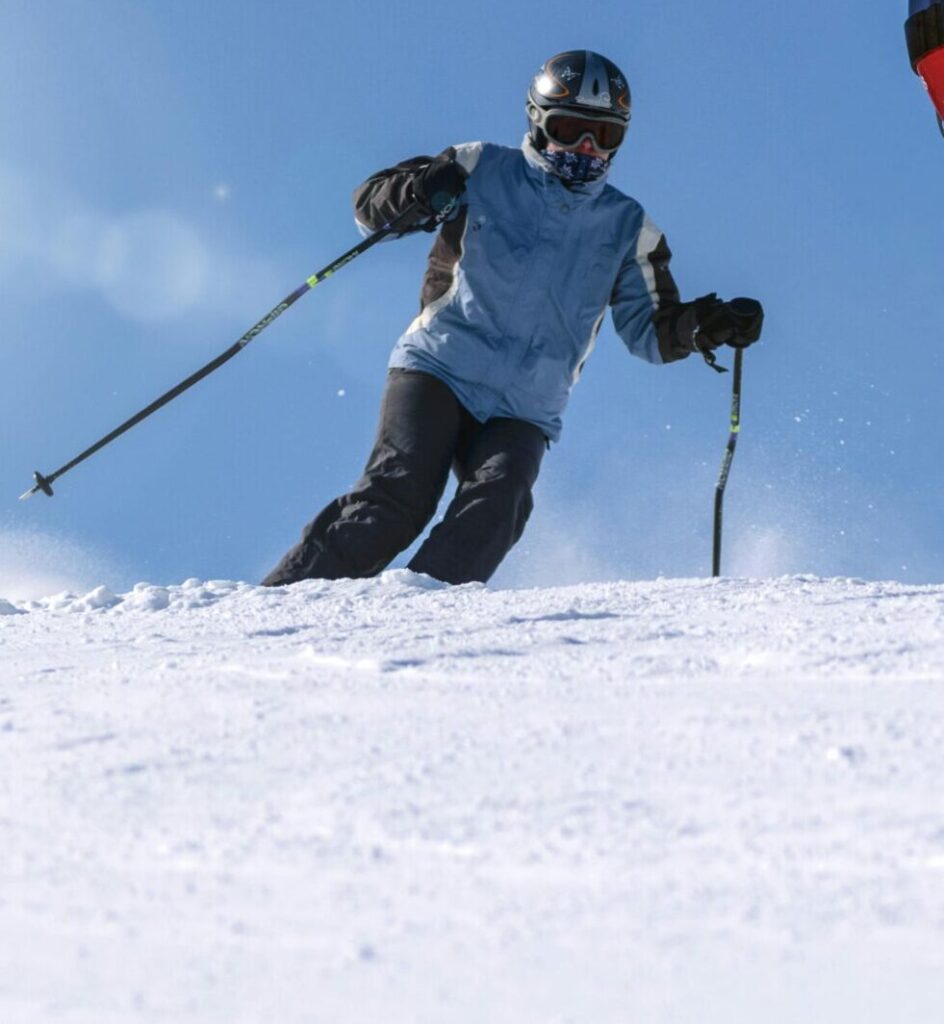
If you are skiing in Gulmarg, choose ski goggles for Gulmarg with 100% UV protection, anti-fog lenses, and a lens tint that works in changing mountain weather. At Gulmarg’s high altitude, good goggles are not just an accessory. They help protect your eyes and improve your safety on the slopes. Many people spend a lot of time choosing ski jackets, gloves, and warm clothes. Then they buy the cheapest goggles they can find. We have seen this happen many times. By midday, their eyes start watering from the wind. Bright sunlight reflects from the snow. Their goggles fog up every few minutes. What should have been a fun ski day becomes frustrating. Gulmarg sits high in the Himalayas. The weather can change very quickly. A clear blue morning may turn cloudy before lunch. Some days bring bright sunshine. Other days bring snowfall and flat light. Your eyes need protection in all these conditions. That is why choosing the right ski goggles matters. In this guide, we will explain what features to look for, what beginners should buy, and how to choose goggles that actually work in Gulmarg Skiing. Why Ski Goggles Matter at High Altitude Many first-time visitors think goggles are mainly for comfort. The truth is that they are an important safety item. Gulmarg village sits at around 2,650 metres above sea level. Higher parts of the ski area rise above 4,000 metres. As you climb higher, the air becomes thinner. Less atmosphere means more UV rays reach your eyes. If you want to understand how elevation affects skiing conditions, read our guide on Gulmarg altitude. Experts often estimate that UV exposure increases by about 10% for every 1,000 metres of elevation gain. Snow makes the situation even stronger because it reflects sunlight back towards your face. This becomes especially noticeable around Apharwat Peak Phase 2 skiing areas where sunlight and snow glare can be intense. This is why the best ski goggles Gulmarg altitude conditions require should always provide full UV protection. Without it, your eyes work much harder than they should. Snow Blindness Is Real Most people know what a sunburn feels like. Fewer people know about snow blindness. Snow blindness happens when strong UV rays damage the surface of your eyes. It can cause pain, redness, watering, and blurry vision. The condition is usually temporary, but it can make the rest of your ski trip very uncomfortable. The risk becomes higher when you spend several hours on bright snow without proper eye protection. This is common during the peak Gulmarg skiing season when fresh snow and sunny skies often arrive together. A good pair of goggles helps prevent this problem. That is one reason experienced skiers rarely step onto the slopes without them. What Is the Most Important Feature? If you remember only one thing from this guide, remember this. Always choose goggles with 100% UV protection. Many beginners focus on lens colour first. They compare dark lenses, mirrored lenses, and bright colours. Those things matter, but UV protection matters much more. The colour of a lens does not automatically tell you how much UV protection it offers. Always check the product details before buying. For goggles skiing Gulmarg UV protection altitude conditions, this feature should never be ignored. Understanding VLT in Simple Words When shopping for ski goggles, you may see the term VLT. VLT stands for Visible Light Transmission. It simply means how much light passes through the lens. A low VLT lens blocks more light. It works best on bright sunny days. A high VLT lens lets in more light. It works better when the weather is cloudy or snowy. You do not need to memorise numbers. Just remember one simple rule. Bright weather needs darker lenses. Cloudy weather needs lighter lenses. Best Lens Options for Gulmarg Different weather conditions need different lenses. The table below gives a simple guide. Lens Type VLT Range Best Use in Gulmarg Dark Grey or Mirrored 10-20% Bright sunny days at Phase 2 Rose or Copper 25-40% Mixed weather conditions Yellow or Amber 50-70% Cloudy days and snowfall Clear Lens 70-90% Very low light conditions For most visitors, rose or copper lenses are the safest choice. They work well in different weather conditions and offer good all-round performance. This is especially useful because the snow quality in Gulmarg can change quickly after fresh snowfall. Why Anti-Fog Lenses Matter Imagine standing in a Gondola queue after walking uphill. Your body is warm. The air outside is cold. Without anti-fog protection, your lenses may fog up within minutes. Foggy goggles make skiing harder. They reduce visibility and force you to stop repeatedly to clear the lens. This often happens while waiting for the Gondola ride Gulmarg booking lines or travelling between skiing zones. Look for goggles with: Double-pane lenses Anti-fog coating Ventilation openings Breathable face foam These features help keep your vision clear throughout the day. Many skiers only realise how important anti-fog technology is after using a poor-quality pair. Spherical vs Cylindrical Lenses When shopping for goggles, you may notice two different lens shapes. Cylindrical Lenses These lenses are flatter. They usually cost less and work well for beginners. Spherical Lenses These lenses curve more naturally around your face. They often provide better side vision and reduce glare. For most first-time visitors, either type will work. If your budget allows, spherical lenses generally offer a better experience in changing mountain conditions. This can be helpful if you are still learning and exploring slopes marked on the Gulmarg ski area map and slopes guide. What If You Wear Glasses? Many Indian travellers wear prescription glasses. If that sounds like you, look for OTG goggles. OTG stands for “Over The Glasses.” These goggles are designed with extra space inside the frame. They fit comfortably over most prescription glasses. Trying to squeeze regular goggles over spectacles can become uncomfortable after a few hours. OTG goggles solve this problem and make skiing much more enjoyable. Can You Use Sunglasses Instead? This

Ski Goggles for Gulmarg: What to Look for at High Altitude Read More »

Skiing In Gulmarg

Gulmarg Skiing Packages with Heli-Skiing: What Operators Offer

If you are searching for gulmarg skiing packages heli, you are already past the curiosity stage. You are not just reading about skiing anymore. You are trying to figure out what to actually book, who offers what, and how the whole thing fits into a real trip. And that is where most confusion starts. Because in Gulmarg, a “package” is not a fixed holiday plan like Manali or Shimla. It is a mix of skiing days, weather windows, heli access, and guide-managed decisions that change daily. If you want to understand the base ski setup first, it helps to know how the main Gulmarg Ski Area actually works before comparing package types. Let’s break it in a way that actually helps you choose. What Gulmarg Skiing Packages with Heli Actually Include A gulmarg skiing packages heli option is usually a combination of two experiences: regular skiing using the gondola system and heli skiing into high alpine zones like Apharwat and Sunshine Peak. But here is the real thing most people miss. You are not buying fixed activities. You are buying mountain access managed by operators. Most packages include: Gondola skiing sessions for basic or warm-up days (linked to Gulmarg Gondola ticket system) 1 to multiple heli ski drops (weather dependent) Ski instructor or mountain guide Avalanche safety gear (ARVA, probe, shovel) Local coordination and transport inside Gulmarg Accommodation and flights are usually separate unless explicitly mentioned. You can explore stay options here: Stay options in Gulmarg. If you are new to skiing itself, it helps to first understand how skiing works in Gulmarg: How to learn skiing in Gulmarg Main Types of Heli Skiing Gulmarg Packages Most heli skiing Gulmarg packages offered by operators fall into a few clear categories. Ski Learning + Gondola Package For beginners using Phase 1 and Phase 2 slopes. More details here: Gulmarg Phase 1 vs Phase 2 skiing Ski Progression Package Mix of gondola skiing and guided off-piste runs like Off-piste skiing in Gulmarg Ski + Heli Combination Package Most common tourist option with heli + ski mix. Full Heli Ski Package Advanced-level heli skiing only, usually linked with Heli skiing in Gulmarg Private Custom Package Tailor-made ski days with flexible heli access. Real Operators and What They Offer Now let’s make this practical. These are the real services behind gulmarg heli ski package tour operator experiences. Kashmir Heli Ski / Gulmarg Ski Resort One of the most established heli ski setups in the region. They offer: Multi-day heli ski programs 2–5 heli runs per ski day (weather dependent) Backup guided skiing when flights stop Access to Apharwat and Sunshine zones Gulmarg Snow Leopards (GSL) Expedition-style ski operations. They offer: 6–7 day ski + heli trips Backcountry + heli combination Shared heli group systems Independent Ski Operators Local flexible operators often connected with instructors and ski schools like Ski school in Gulmarg and Private skiing instructor in Gulmarg They offer: Day-based ski + heli combos Budget-friendly group sharing Mixed skill level groups Real Price Range of Heli Skiing Packages Let’s keep it honest. Gondola skiing days: ₹3,000 – ₹8,000 Single heli drop: ₹11,000 – ₹15,000 Half-day heli skiing: ₹50,000 – ₹70,000 Full heli day: ₹60,000 – ₹80,000 Multi-day heli packages: ₹2 lakh to ₹6 lakh+ For full breakdown, see: Gulmarg skiing price 2026 breakdown What Most Operators Don’t Clearly Explain Heli skiing is fully weather driven. You can also check real conditions here: Heli ski weather in Gulmarg. If wind picks up, flights stop instantly. Also, group size matters. Minimum 3 guests per helicopter is standard. So your experience depends more on snow than schedule. For seasonal timing clarity: Gulmarg skiing season guide. Booking Reality and Lead Time Book 60–90 days in advance December is peak pricing January–February highest demand Walk-in heli skiing is rare Booking system info: Gulmarg gondola booking guideTravel access details: How to reach Gulmarg for skiing Weather Cancellation and What Actually Happens If heli skiing is cancelled: You are shifted to gondola skiing Or guided off-piste skiing Or alternative snow zones like Kangdoori Phase 1 skiing or Apharwat Peak Phase 2 skiing Packages are flexible, not fixed tours. Who Should Actually Buy These Packages Good fit if: Intermediate or above skier Comfortable in powder snow Okay with weather uncertainty Beginners should start here: Beginner skiing guide GulmargFamily/kids planning: Gulmarg skiing for kids Conclusion A gulmarg skiing packages heli experience is not a fixed holiday product. It is a live mountain system where operators, guides, weather, and snow decide your actual experience. Some days you fly into untouched powder. Some days you stay on gondola slopes and still get great skiing. And that is exactly why people come back. Because in Gulmarg, you are not booking a trip. You are stepping into a mountain that decides the plan with you.

Gulmarg Skiing Packages with Heli-Skiing: What Operators Offer Read More »

Skiing In Gulmarg

Best Spots for Heli-Skiing in Gulmarg: Apharwat, Pinnacle & Mary’s Shoulder

If you are trying to understand the best heli ski spots Gulmarg, the real answer is simple. All major heli skiing in Gulmarg happens in a tight cluster of high-altitude zones around the Apharwat mountain system.  These include Apharwat Peak, Mary’s Shoulder, Pinnacle Peak, and on some rare weather days, Sunshine Mountain and nearby alpine bowls. But here is what most travellers miss. You do not choose these spots like a menu. You are assigned zones based on snow, weather, safety, and group skill. Still, knowing each location helps you understand what your guide is offering you that day.  If you are new to the region, it also helps to first understand the broader skiing landscape in Gulmarg on the main hub page of Gulmarg Skiing before diving into heli terrain. Let’s break it in a practical way so you actually know what you are stepping into. Best Heli Ski Spots Gulmarg: The Real Zone Map The main gulmarg heli skiing locations apharwat pinnacle peak system sits between 3,800 metres and 4,300+ metres above sea level. This is where helicopter drops happen when conditions are clear. The four commonly used heli skiing zones are: Apharwat Peak zone Mary’s Shoulder Pinnacle Peak Sunshine Mountain (advanced heli-only zone in good weather) Each zone sits in the same mountain system but gives a different skiing experience based on slope angle, snow exposure, and altitude. Before you even reach these zones, your overall trip timing matters a lot. Snow conditions vary heavily through the season, which is why many skiers first check the Gulmarg skiing season guide before booking heli days. Now let’s understand each zone one by one in a realistic, guide-based way. Apharwat Peak Zone: The Core Heli Ski Area Apharwat Peak is the most frequently used heli skiing region in Gulmarg. It lies around 4,200 metres altitude and forms the backbone of most helicopter skiing operations. This zone is popular because it offers stable access and wide alpine terrain. The runs from here typically descend towards the Gulmarg valley at around 2,600 metres, giving long vertical skiing lines. If you are trying to visualise how big this system really is, it connects closely with the Gulmarg Phase 1 vs Phase 2 terrain system, where Phase 2 sits just below these heli zones but still shares similar alpine conditions. What makes Apharwat important: Reliable heli access in most weather windows High alpine bowls and open mountain terrain Long vertical descent potential (~1,500–1,700m runs) Most frequently used primary drop zone Mary’s Shoulder: Balanced and Often Used for Safety Mary’s Shoulder sits slightly below higher alpine zones and is often used when weather conditions are not fully stable at higher peaks. It is one of the most practical best heli ski spots Gulmarg because it gives good snow while staying relatively safer than exposed ridge zones. Altitude generally sits between 3,900–4,100 metres. This zone is also closely related to nearby beginner-accessible learning areas, which connect with the Is Gulmarg good for beginners guide for understanding how terrain changes across skill levels. Why Mary’s Shoulder is used: More predictable snow conditions Lower wind exposure than ridge-heavy areas Works well for mixed skill groups Backup zone when higher peaks close Mary’s Shoulder is less about extreme exposure and more about consistency. It is often the “safe decision” zone guides rely on when the mountain gets unpredictable. Pinnacle Peak: Technical and Exposed Terrain Pinnacle Peak is a more technical heli skiing zone in Gulmarg. It is used when guides want steeper terrain and when conditions allow safe access. This zone sits in the higher Apharwat system and includes sharper ridges and more defined slope transitions. It is not a resort-style slope and should never be treated like one. For skiers who want to understand slope difficulty better, this zone is often compared with off-piste learning routes described in the off-piste skiing in Gulmarg guide. Why skiers notice Pinnacle: Steeper slope angles than Mary’s Shoulder More exposed alpine ridge terrain Requires strong intermediate to advanced ability Used selectively based on snow stability This is where technique matters more than speed. One clean descent line often feels more rewarding than multiple rushed runs. Sunshine Mountain: The True Heli-Only Experience Sunshine Mountain is one of the most exclusive heli skiing zones near Gulmarg, sitting at around 4,300 metres altitude. This is important because it is only accessible by helicopter. No gondola, no ski lift, nothing else reaches here. It connects conceptually with the highest skiing access points described in the Gulmarg Phase 2 height overview. This area is known for: Fresh, untouched alpine snow Long continuous descent routes High-altitude powder conditions Limited access depending on weather windows Snow here is part of what skiers call “Gulmarg powder”, often compared with international conditions explained in snow quality in Gulmarg vs Alps comparison. Sunshine Mountain is not used every day. It depends heavily on wind stability and visibility. How These Heli Ski Zones Are Actually Chosen Even though we are discussing best heli ski spots Gulmarg, the truth is that skiers do not select zones directly. Guides make that decision daily. This is how it works: Wind speed at ridge level Snow stability and avalanche risk Visibility above 3,800 metres Group skiing ability Helicopter safety windows If you are planning your trip logistics, booking flow and access timing are explained in detail on the Gulmarg heli skiing page, which helps you understand how these decisions are coordinated. So the real purpose of knowing these zones is not to choose, but to understand what your guide is assigning you. Vertical Drop Reality in Gulmarg One of the biggest strengths of heli skiing here is vertical descent. Most runs start above 4,000 metres and end near 2,600 metres in Gulmarg valley. That means: Average heli ski run: ~1,500 to 1,700 metres vertical drop Multiple long descents possible in a single day Snow quality changes as altitude drops To understand how this compares with other ski experiences in India, you can also explore the

Best Spots for Heli-Skiing in Gulmarg: Apharwat, Pinnacle & Mary’s Shoulder Read More »

Skiing In Gulmarg

Heli Skiing vs Gondola Skiing in Gulmarg: Which to Choose?

If you are confused between heli skiing vs gondola skiing Gulmarg, the simple truth is this: both take you into serious Himalayan snow, but the experience, skill level, and cost are completely different. One is for learning and exploring. The other is for flying into untouched mountain powder that very few people ever reach. And honestly, this is not just a “better or worse” choice. It is more like asking, do you want to learn skiing step by step, or do you want to jump straight into extreme mountain terrain with a guide? Before you decide, it also helps to understand how the overall Gulmarg Skiing season works, because both experiences depend heavily on snow windows and weather timing. Let’s break it in a very clear way so you can actually decide without confusion. Quick Comparison: Heli Ski or Gondola Skiing in Gulmarg Before going deep, here is the simplest side-by-side view. This helps most people decide within 30 seconds. Factor Gondola Skiing (Gulmarg Gondola) Heli Skiing in Gulmarg Altitude Up to ~4,088m (Phase 2 Apharwat) Up to ~4,300m (Sunshine Peak zones) Skill level Beginner to advanced Intermediate to expert only Cost ₹3,000 – ₹8,000 per day ₹11,000 – ₹60,000+ per day Snow type Groomed + mixed slopes Fresh untouched powder Vertical drop 200m to 2,000m 1,500m to 2,000m per run Safety control Moderately managed High risk, guided only Crowd High in peak season Very low Booking Walk-in possible Advance booking needed If you are still unsure what these slopes actually look like, the official Gulmarg ski area map and slopes guide helps you visualise Phase 1, Phase 2, and off-piste zones clearly. Now let’s understand what this actually means on the mountain. What Gondola Skiing in Gulmarg Actually Feels Like The Gulmarg Gondola is one of the highest cable cars in the world. It takes you up to around 4,088 meters on Mount Apharwat. From there, you get access to wide snow bowls, long slopes, and open mountain terrain. Most people start their skiing journey here, often after learning the basics through a ski school in Gulmarg or even structured programs like the Indian Institute of Skiing and Mountaineering. But here is the important part — gondola skiing is not only beginner slopes. Phase 2 especially is a mix of open powder, steep sections, and off-piste terrain. If you want a deeper breakdown of this difference, the Gulmarg Phase 1 vs Phase 2 skiing guide explains it clearly. So gondola skiing is perfect if: You are learning skiing for the first time You want controlled access to snow You are on a lower budget You want multiple runs in a day You prefer staying close to ski schools and instructors And if you are still in the beginner mindset, this guide on how to learn skiing in Gulmarg helps you understand the first steps properly. Even then, remember  Phase 2 is still real mountain skiing, not a theme park. What Heli Skiing in Gulmarg Really Means Now heli skiing is a different world. Instead of a cable car, you take a helicopter straight into high alpine zones like Sunshine Peak (~4,300m). These are the same regions covered in detail in Sunshine Peak skiing Gulmarg, where untouched snow lines dominate the terrain. There are no marked trails. No crowds. Just fresh snow and your guide. Each drop gives you long vertical runs, usually between 1,500 to 2,000 meters. The snow is completely untouched because no one else skis there before you. This is why heli skiing feels intense. It is fast, wild, and physically demanding. You should choose heli skiing only if: You already know intermediate or advanced skiing You are comfortable in deep powder You can handle steep, open terrain You are okay with changing weather plans You want a premium, once-in-a-lifetime experience It is not a learning activity. It is a performance activity. If weather changes suddenly, operators follow strict safety protocols explained in heli ski weather in Gulmarg. The Real Difference Most People Miss People often think heli skiing is just “higher skiing.” That is not the real difference. The real difference in heli skiing vs gondola skiing Gulmarg is this: Gondola skiing gives you access to a mountain zone Heli skiing gives you exclusive terrain that nobody else reaches Even though Gondola Phase 2 already reaches high alpine levels, heli skiing takes you into zones like Sunshine Peak where there are no lift tracks, no repeated lines, and no crowd pressure. So one is shared mountain space. The other is private mountain space. This is exactly why many advanced skiers also compare Gulmarg with other resorts using Gulmarg vs Auli skiing comparison or check where Gulmarg ranks in best skiing places in India 2026. Safety Reality You Should Not Ignore Gulmarg is beautiful but not a controlled ski resort like Europe. Even gondola skiing in Phase 2 involves natural terrain, changing snow, and limited avalanche control systems. If you are new, it helps to read is Gulmarg good for beginners before deciding. Heli skiing is even more serious. You are fully dependent on guides, weather, and mountain conditions. If conditions change, flights stop immediately. There is no over-polished safety system here. It is real Himalayan skiing. So whichever option you choose, respect the mountain first. Cost Reality: What You Are Actually Paying For Let’s keep it simple. Gondola skiing is mainly lift access, ski rental, and sometimes instructor cost. You can check full pricing breakdown in Gulmarg skiing price 2026 guide. Heli skiing includes: Helicopter operations Certified mountain guides Avalanche safety support High-altitude logistics Limited group size That is why costs go much higher. So when comparing gulmarg heli ski or gondola comparison, do not just compare price. Compare what kind of mountain access you are buying. Can You Mix Both? Yes, And It Actually Makes Sense Many smart travellers do both in one trip. A simple plan looks like this: Day 1–2: Gondola skiing with instructor Day 3–4: Upgrade to heli skiing if skill

Heli Skiing vs Gondola Skiing in Gulmarg: Which to Choose? Read More »

Skiing in Gulmarg

Gulmarg Heli Skiing Price 2026: What It Costs & What’s Included

If you are searching for gulmarg heli skiing price, you are probably not just curious. You are actually thinking of booking it. And that is a big step, because heli skiing in Gulmarg is one of the most premium snow experiences in India. If you are still exploring the basics of the region, you can also understand the wider ecosystem of Gulmarg Skiing before comparing advanced options like heli skiing. In simple words, heli skiing here means a helicopter drops you on high mountain snow slopes in the Apharwat range, and you ski down untouched powder with trained guides. It is fast, intense, and not like normal skiing in resorts. Many beginners first try understanding the Gulmarg skiing season before stepping into heli skiing because conditions matter a lot here. Now let’s break the most important question first, how much does it really cost in 2026, and what do you actually get for that money? Gulmarg Heli Skiing Price 2026 (Real Updated Cost) The gulmarg heli skiing price in 2026 is not one fixed number. It depends on the operator, snow conditions, and number of runs you take. Here is the most realistic price range based on current operator listings: A single heli ski drop in Gulmarg usually costs around ₹11,000 to ₹15,000 per person. This is the most basic entry point and usually includes one helicopter drop to Kongdoori or nearby slopes. A slightly longer experience with multiple runs can cost around ₹50,000 to ₹70,000 per person. This is the most commonly booked package for serious skiers. Full heli skiing days with multiple drops, usually around 4 to 5 runs, go up to ₹60,000 to ₹80,000 per person depending on group size and snow window. There is no standard ₹1,50,000 package for normal bookings. Some private or customised experiences may go higher, but those are rare and not standard offerings. So if someone tells you a single fixed price, that is not correct. The real heli ski gulmarg rate depends on what kind of skiing day you want. If you want to understand how these prices compare with normal slope skiing, you can check this detailed guide on Gulmarg skiing price 2026 full cost breakdown. Gulmarg Heli Skiing Price Table (Easy View) To make it simple, here is a clear breakdown of typical packages: Single drop (Kongdoori or nearby slopes) – ₹11,000 to ₹15,000 – 1 runSunset Peak drop – ₹15,000 to ₹18,000 – 1 advanced runHalf-day heli skiing package – ₹50,000 to ₹70,000 – 3 to 5 runsFull-day premium heli skiing – ₹60,000 to ₹80,000 – 4 to 6 runs This table is important because most travellers compare only numbers. But in reality, number of runs matters more than just price. A ₹50,000 package with 5 runs often feels better than a ₹30,000 package with only 2 runs. If you are still confused about whether skiing at this level suits your ability, it helps to first read Is Gulmarg good for beginners before jumping into heli skiing. Main Operators for Heli Skiing in Gulmarg You cannot book heli skiing randomly. Only a few certified operators run this system in Gulmarg. The main operator is Kashmir Heli Ski (kashmirheliski.in), which is one of the oldest heli ski services in India. It is known for structured runs and professional mountain guides. Another known operator is Gulmarg Snow Leopards (GSL), which focuses on group heli ski experiences and mixed off-piste skiing days. Some packages are also handled through Gulmarg Ski Resort, which combines heli skiing with backup guided skiing when flights are not possible. Each operator has slightly different pricing, but the helicopter skiing Gulmarg cost package usually falls in the same range. Many of these operators also coordinate closely with regular ski school in Gulmarg for training and skill preparation before heli ski runs. What Is Included in the Price When you pay for heli skiing, you are not just paying for the helicopter ride. The cost includes a full mountain system. Most packages include helicopter drops to ski zones, certified ski guides, safety briefing, avalanche support equipment, and coordination staff. Some packages also include ski gear like skis, boots, and poles. But this is not always included, so you must confirm before booking. If you need gear separately, you can check Gulmarg ski rental options. Hotel stay, food, insurance, and travel to Gulmarg are usually not part of the package. So when you see the gulmarg heli skiing price, remember it is only for skiing and mountain operations, not the full holiday. Where You Actually Ski in Gulmarg Heli skiing in Gulmarg mainly happens in the Apharwat range. The most common drop zones include Kongdoori and higher alpine slopes near Sunset Peak. Sunset Peak is around 4,745 meters and gives long powder runs with wide open snowfields. Lower drops often include forested descents, which are more technical and fun for experienced skiers. Each run can give around 1,500 to 2,000 vertical meters of skiing. On a full day, you can easily get 10,000 to 16,000 vertical meters depending on weather and helicopter availability. This is one of the biggest reasons why the heli ski gulmarg rate feels justified to many international skiers. To understand terrain better, you can also explore Gulmarg ski area map and slopes before booking. Skill Level You Actually Need Heli skiing in Gulmarg is not for beginners. You should already know how to ski on intermediate to advanced slopes. You must be comfortable with deep snow, steep descents, and fast turns. If you are not stable on regular ski slopes, heli skiing will feel too difficult. If you are still learning, it is better to first go through how to learn skiing in Gulmarg before attempting heli skiing. Guides always check your ability before allowing you into heli ski runs. This is done for safety, not restriction. What Happens If Weather Stops Flying This is one of the most important parts of your decision. Heli skiing depends completely on weather. If wind or snowfall

Gulmarg Heli Skiing Price 2026: What It Costs & What’s Included Read More »

Apharwat (Phase 2) Skiing Slope in Gulmarg

Heli Ski Weather Gulmarg: When Conditions Are Right to Fly

Heli skiing in Gulmarg only works when the mountain agrees. Wind, snow, and visibility must all line up. If one thing goes wrong, flights stop. So when people search heli ski weather Gulmarg, the real answer is simple. You don’t control the day, the mountain weather controls you. This is not like a normal ski holiday where you fix dates and plans. Here, everything depends on short weather windows over Apharwat and nearby high ridges. Sometimes you wait for hours. Sometimes for days. And sometimes, the sky opens suddenly, and everything moves in minutes. Before we go deeper, it helps to understand how the ski zones connect in Gulmarg. You can explore the basic layout in the Gulmarg ski area map slopes guide to see how lifts, slopes, and upper terrain are linked. Heli Ski Weather Gulmarg: What “Good Conditions” Really Mean Good heli ski weather Gulmarg does not always mean sunshine. In fact, bright sun can still come with strong winds at high altitude. What matters is safety at flying height, not comfort at ground level. Pilots and guides check a mix of conditions before any flight. It is a careful decision, not a guess. A flight usually happens only when: Wind stays below unsafe levels at ridge height Visibility is clear across valleys and landing zones No heavy snowfall is falling during flight hours Snow on upper slopes is stable after recent storms Temperature is steady without sharp changes Even if Gulmarg town feels calm, Apharwat Peak can still be inside clouds. That is why heli skiing weather conditions Gulmarg must always be checked at mountain level, not town level. If you want to understand how these upper zones behave, the Apharwat Peak Phase 2 skiing guide explains the terrain better. The Real Weather System Behind Heli Skiing in Gulmarg The biggest force behind heli skiing weather conditions Gulmarg is the Western Disturbance. This system brings most snowfall to Kashmir between December and March. It shapes every ski day in Gulmarg. Here is how it usually works: Before storm, flying is usually unsafe During snowfall, visibility drops completely After snowfall stops, powder skiing becomes best Long clear gaps make snow firmer So the best heli ski weather Gulmarg is often a short window between storm and stability. To understand how this fits into the season cycle, you can check the Gulmarg skiing season when it opens closes peaks guide. Helicopter Ski Weather Window in Gulmarg The helicopter skiing window in Gulmarg usually runs from late January to early March. But flying does not happen every day. It depends on short “green signal” weather windows. Ideal conditions often look like: Snowfall has just stopped Skies slowly begin clearing Upper ridge winds settle Snow becomes soft but stable This window can last only a few hours sometimes. That is why planning your trip well matters. You can explore best time for skiing in Gulmarg to match your dates with peak chances. Key Weather Numbers That Actually Decide Flights Heli skiing follows strict safety limits. Some real operational thresholds include: Wind limit: 25 to 40 knots at ridge level Visibility: 3 to 5 km minimum Temperature: -10°C to 0°C in ski zones Altitude: 3,500m to 5,000m drop zones Above 4,000m, conditions change quickly. That is why terrain awareness is important. You can learn how altitude impacts skiing in the Gulmarg altitude guide. What a Good Flying Day Actually Feels Like A good heli ski weather Gulmarg day starts quietly. Sky looks mixed. Mountains stay partly hidden. Wind feels soft on the ground. Then slowly: Clouds lift from ridges Upper wind drops Visibility opens toward landing zones By mid-morning, the call comes. “We are flying.” Everything becomes fast after that. What Happens on No-Fly Days Not every day allows flying. That is normal in Gulmarg. Common reasons: Heavy snowfall blocking visibility Strong ridge winds Avalanche warnings Whiteout conditions But skiing does not stop. On such days, skiing shifts to safer zones like Kongdori and lower slopes. If you want to understand these areas better, read Kangdoori Phase 1 skiing. So even when heli ski weather Gulmarg is not ready, the mountain still gives you skiing. Western Disturbance and Why It Shapes Everything Western Disturbance is the reason Gulmarg gets its famous snow. It controls: Snowfall timing Storm strength Clear weather gaps Avalanche risk Because of this, heli skiing is never fixed on dates. It moves with weather systems. To understand how snow quality changes after these storms, see snow quality in Gulmarg powder depth comparison. Altitude and Weather Risk in Heli Skiing Gulmarg Weather is not the only factor. Altitude also plays a big role. Heli drops can go above 4,000m and sometimes near 5,000m. At these heights: Oxygen is lower Wind feels stronger Temperature drops faster Fatigue builds quickly If weather shifts here, conditions change fast. That is why guides watch everything together. How to Check Heli Ski Weather Before Your Trip Simple tools are enough. Use: Snow-forecast.com for wind and snowfall METAR reports for aviation data Local operator updates Morning mountain visibility check You can also cross-check travel timing using how to reach Gulmarg for skiing. FAQs 1. What wind speed cancels heli skiing in Gulmarg? Flights stop around 30–40 knots at ridge level. 2. Which month has best heli ski weather Gulmarg? February is usually most stable. 3. How often are heli ski days cancelled? Around 30–50% cancellations are normal. 4. Can weather be predicted in advance? Only partially. Final decision is always same day. 5. What if my heli ski day is cancelled? You wait for next window or reschedule. Conclusion Heli ski weather Gulmarg is not something you fully control. It changes fast, without warning. Some days test your patience. Some days reward you instantly. And when that narrow weather window finally opens, everything becomes very simple. No noise. No overthinking. Just snow, wind, and a helicopter waiting for silence above the mountains. And in that moment, the real question is not whether the weather will

Heli Ski Weather Gulmarg: When Conditions Are Right to Fly Read More »

Mary’s Shoulder Skiing Slope in Gulmarg

Heli Skiing Gulmarg: Complete 2026 Guide to Helicopter Skiing in Kashmir

Heli skiing in Gulmarg is a high-mountain adventure where a helicopter drops you on untouched snow in the Himalayas. If you are planning heli skiing Gulmarg, the main idea is simple. You are not using ski lifts or marked slopes. You are flying into remote powder zones above Apharwat and skiing down with a trained guide. In Gulmarg, this is not a casual sport. It is controlled, guided, and fully weather-dependent. One clear sky morning can give you perfect powder runs. One cloudy day can cancel everything. That is the reality of the gulmarg heli ski experience. Before going deeper into heli skiing, it helps to understand how normal skiing works here through the main ski system. You can read more about the base structure in the guide on the Gulmarg ski area map, which explains how lifts and terrain connect. Heli Skiing Gulmarg: Who Actually Runs It in 2026 The main operator for heli skiing Gulmarg is Kashmir Heliski, one of the first companies to start heli skiing in India. They have been operating in Gulmarg since 2011 and run structured ski expeditions every winter season. For 2026, the heli ski season usually runs:Late January to early March (weather dependent) They use high-altitude capable helicopters like the AS350 series, which are commonly used in mountain rescue and alpine flying. This matters because heli skiing is not just tourism here. It is aviation + mountain guiding working together in extreme conditions. You can also understand standard ski access in Gulmarg through Gulmarg Phase 1 vs Phase 2 skiing before moving to heli terrain. If you are new to skiing in general, it is a good idea to first go through how to learn skiing in Gulmarg before planning heli skiing. Why Gulmarg Is Perfect for Helicopter Skiing The reason helicopter skiing Gulmarg works so well is geography. Gulmarg sits in the Pir Panjal range of the Himalayas and receives heavy snowfall in winter. Above 3,500 meters, the snow stays dry, light, and powdery. Three key reasons make it special: Deep snow accumulation every winter Large open bowls above Apharwat Peak (~4,200m) Easy helicopter access from Gulmarg base Local skiers often say the snow here feels like soft flour. That is what makes the descent so smooth when conditions are right. Snow quality plays a big role in heli skiing success. You can understand this better through snow quality in Gulmarg and powder depth comparison. Gulmarg Heli Ski Experience: Step-by-Step Flow The gulmarg heli ski experience is structured and guided. It is not random flying. Morning briefingYou meet your guide early. Weather, snow stability, and safety rules are checked first. Gear checkYou are given or checked for: Avalanche transceiver Helmet Powder skis Safety backpack Helicopter flightThe flight is short but intense. You fly above ridges, glaciers, and empty white valleys. Drop on snowThe helicopter lands on a remote ridge or bowl. No crowd and no tracks. Ski descentYou ski down in a group with your guide choosing the safest line. Every run is different because snow conditions change daily. Heli Ski Terrain in Gulmarg (Real Named Zones) Unlike ski resorts, Gulmarg does not have fixed pistes. But heli skiing uses known terrain zones. Some important heli ski zones include: Punch Peak region High-altitude bowl skiing Long vertical descents Deep powder conditions Monkey Hill slopes Mixed gradient terrain Good snow stability on clear days Used for intermediate heli runs Babarishi side bowls Remote powder zones Less tracked snow Requires strong guide control Apharwat ridgelines (~4,200m) Main heli skiing drop zone Fast-changing snow conditions Advanced level skiing only These names are used by guides to plan safe descent routes. Heli Skiing Gulmarg Cost (2026 Realistic Range) Typical heli skiing Gulmarg pricing: Single heli run: ₹35,000 to ₹75,000+ Multi-run packages (2–4 drops/day): ₹1,00,000 to ₹3,00,000+ Private expedition packages: custom pricing Cost depends on: Snow and weather window Number of helicopter drops Group size Season peak demand Unlike ski resorts, you are paying for aviation time + guiding + safety logistics. For a full breakdown of skiing costs, you can also check Gulmarg skiing price 2026 full cost breakdown. Best Time for Heli Skiing Gulmarg Timing decides everything in heli skiing. Best months: Late January February Early March Why this window works: Stable snow layers build up Clear flying weather improves Powder conditions stay consistent December is often unstable. March can get heavy and wet in lower zones. If you want to compare monthly ski conditions, check: January skiing in Gulmarg February skiing in Gulmarg March skiing in Gulmarg Operators only fly when conditions are safe. Many days get cancelled even during peak season. Safety in Heli Skiing Gulmarg (What Really Matters) Safety in heli skiing Gulmarg is serious and structured. Key safety systems include: Avalanche transceivers for every skier Certified mountain guides Weather-based go/no-go decisions Controlled group sizes Emergency evacuation planning Guides constantly assess: Snow stability Wind loading on slopes Avalanche risk zones If conditions are unsafe, flights are cancelled immediately. That is normal, not a failure. Also, altitude above 4,000m can affect breathing. You can read more about this in the Gulmarg altitude guide. Who Should Try Heli Skiing Gulmarg This is not for everyone, you should try it if: You can ski intermediate slopes comfortably You are stable in deep powder snow You can control speed on steep terrain You are comfortable with altitude conditions You should avoid it if: You are a beginner skier You panic on steep slopes You are new to skiing balance control For beginners, regular skiing is better. You can start with ski school in Gulmarg or explore Gulmarg skiing for beginners first. Heli Skiing vs Regular Skiing in Gulmarg Simple comparison: Heli skiing: Untouched snow Remote mountains High cost Short intense runs Regular skiing: Gondola access Marked learning zones Longer ski sessions Lower cost You can understand gondola-based skiing better here:Gulmarg Gondola booking guide Heli Skiing Gulmarg vs Global Destinations Many people compare Gulmarg with Canada or Switzerland. Key difference: Canada heli skiing: very expensive

Heli Skiing Gulmarg: Complete 2026 Guide to Helicopter Skiing in Kashmir Read More »

Gulmarg Ski Area

Gulmarg Ski Area Map Slopes: Full Ski Terrain Layout, Lifts & Runs for 2026

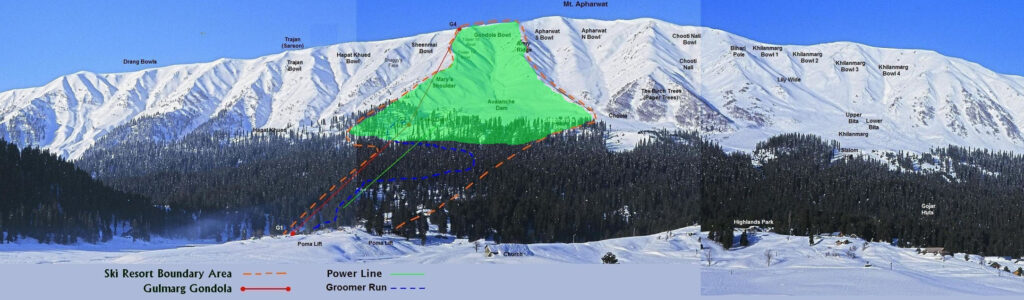
If you are trying to understand the Gulmarg ski area map slopes, here is the simplest truth. Gulmarg is not a marked ski resort with fixed runs like Europe. It is a lift-based mountain where skiing happens in natural zones, bowls, and ridge lines. Once you understand its structure, the whole mountain becomes easy to read. Most people feel confused on the first day. You look at snow everywhere, but no clear piste map. That is normal. So instead of forcing a “fake map,” let’s build a real one in your mind using zones, lifts, and ski flow paths. If you are planning your full trip, it also helps to understand the overall experience of skiing in Gulmarg before going deeper into terrain. Gulmarg Ski Area Map Slopes: Core Mountain Structure The gulmarg ski area map slopes are built around the Gulmarg Gondola system. This lift decides everything. Skiing starts low and moves up in two main stages. If you are booking tickets or planning access, check the full details of Gulmarg gondola booking and entry process. Key elevation pointsGulmarg Base: ~2,650 mKongdori (Phase 1): ~3,050 mApharwat Peak (Phase 2): ~4,200 mTotal ski vertical: ~1,300 to 1,500 m Now think of the mountain like three layers:Lower layer = learning snow and easy runsMiddle layer = mixed skiing and practice terrainUpper layer = deep powder backcountry zones There are no marked pistes. Instead, you follow natural terrain lines based on snow and safety. Gulmarg Ski Zones (This Is Your Real “Map”) To understand the gulmarg ski trail layout, you must break the mountain into clear ski zones. These zones work like a living ski map. 1. Gulmarg Base Zone (2,650 m) This is where your ski day begins. Ski rentals and shops Beginners practice area Gentle snow slopes Gondola boarding point If you need gear, you can plan ahead using ski rental in Gulmarg so you are not rushing on arrival. This zone is simple and safe. Most people warm up here before going up. 2. Kongdori Zone / Phase 1 (3,050 m) This is the first real ski area. Wide open beginner slopes Ski school training area Soft rolling terrain Controlled skiing space This is where most learners stay for 1–2 days. It is the safest part of the mountain. If you are still new to skiing, it also helps to understand how to learn skiing in Gulmarg or check structured training at a ski school in Gulmarg. 3. Transition Ridge Zone (Between Phase 1 and 2) This is where skiing starts to change. Wind-exposed slopes Snow conditions change fast Entry point to advanced terrain Guide strongly recommended This zone connects beginner skiing to full mountain skiing. Many skiers also decide here whether they are ready for Gulmarg Phase 2 skiing or not. 4. Apharwat Peak Zone / Phase 2 (4,200 m) This is the main highlight of the gulmarg ski area map slopes. Deep powder bowls Open backcountry terrain Avalanche-prone slopes Advanced freeride skiing At this height, snow becomes very soft and deep. But it also becomes unpredictable. You should also understand altitude impact through Gulmarg altitude guide before planning long runs. Gulmarg Ski Flow Map (How You Actually Ski Here) Instead of fixed routes, skiing follows natural flow paths. This is the real gulmarg skiing route map in simple form: Gondola → Kongdori warm-up slopesKongdori → ridge access pointsRidge → Apharwat powder bowlsBowl → valley exit routes There are no marked green or blue runs. You follow snow, visibility, and guide decisions. Main Ski Terrain Features You Should Know To understand the full gulmarg ski trail layout, here are the key terrain types: 1. Open Powder Bowls Found mostly in Phase 2.Deep snowWide open slopesBest for advanced skiers 2. Ridge Lines Between Phase 1 and Phase 2.Wind affected snowNarrow entry pointsRequires experience 3. Valley Runs Lower exits toward Gulmarg town.Longer descentsSofter snowChange with snowfall Named Ski Zones (Local Reference Map) Gulmarg does not have official piste names, but skiers use local terms. These help build a mental ski map: Apharwat North Bowl → deep powder zone Mary’s Shoulder → ridge drop area (weather dependent) Kongdori Slopes → beginner and intermediate zone Drung side valley → long descent runs These are not fixed runs. They are reference points based on snow and guide experience. Gulmarg Ski Area Stats (Important Facts) To understand the mountain properly, here are key facts behind the gulmarg ski area map slopes: Total skiable terrain: ~25 km (approx) Gondola system: 2 stages (Phase 1 and Phase 2) Vertical drop: up to ~1,500 m Ski zones: beginner to expert backcountry Snow season: December to March For a bigger picture, you can also compare Gulmarg with other destinations like Gulmarg vs Auli skiing or see where it ranks in best places to ski in India 2026. Why Gulmarg Has No Fixed Ski Map This is important to understand clearly that the gulmarg ski area map slopes change every few days because: Fresh snowfall covers old tracks Wind shifts snow across bowls Sun melts and reshapes surfaces Avalanche zones move slightly each cycle So instead of a printed piste map, Gulmarg works like a “live map mountain.” That is why guides are not optional here. Weather and snow can also affect whether skiing even continues, as explained in Gulmarg skiing season updates and rare shutdowns like season called off conditions. Best Time to Understand the Ski Layout The ski map changes slightly every month. December: early snow, learning phase January: deep powder, full terrain opens February: most stable ski conditions March: heavier snow, softer terrain Seasonal guide: Best time for skiing in GulmargMonth guides: January skiing February skiing March skiing Simple Safety Map Rules Before you follow any gulmarg ski area map slopes, keep these simple rules in mind: Never ski unknown terrain alone Always follow guide advice in Phase 2 Avoid fresh avalanche zones after snowfall Stay in visible terrain during low light Do not enter ridge drops without experience You can also explore beginner guidance

Gulmarg Ski Area Map Slopes: Full Ski Terrain Layout, Lifts & Runs for 2026 Read More »

Skiing in Gulmarg Area

Off-Piste Skiing in Gulmarg: Backcountry Terrain, Risks, Costs & Guides

Off-piste skiing in Gulmarg is best understood as controlled chaos on Himalayan powder slopes.  Where skill, timing, and local knowledge matter more than anything else. If you are seriously planning off-piste skiing gulmarg, you are not just signing up for skiing. You are stepping into high-altitude backcountry terrain that starts above 2,650 metres and climbs well beyond 4,000 metres near Mt. Apharwat. Most first-time visitors underestimate one thing: Gulmarg is not a ski resort in the European sense. It is a lift-accessed backcountry zone with avalanche-prone bowls, ungroomed descents, and fast-changing weather systems. Let’s break it down properly so you know what you are actually walking into. Off Piste Skiing Gulmarg Terrain: What You Are Actually Skiing On The ski system in Gulmarg is built around the Gulmarg Gondola, one of the highest cable cars in the world. If you are planning your ride, you can check the Gulmarg gondola online booking official process or compare gondola ride Gulmarg price Phase 1 Phase 2 tickets before arrival. Gulmarg base elevation: ~2,650 mKongdori (Phase 1): ~3,050 mApharwat Peak (Phase 2 top station): ~4,200 mVertical skiable drop: up to ~1,500 m on good powder days If you want a deeper breakdown of lift zones, this guide on Gulmarg Phase 1 vs Phase 2 and Kangdoori Phase 1 skiing helps you understand where groomed skiing ends and off piste skiing gulmarg begins. From Phase 1 onwards, groomed skiing ends and backcountry terrain takes over inside the broader Gulmarg ski area. The terrain is split into natural powder bowls and ridge drops, not official ski runs. Once you drop in, navigation becomes visual and instinct-driven. Backcountry Skiing Gulmarg: Why It Feels So Different The moment you move beyond Gondola Phase 1, backcountry skiing gulmarg stops feeling like a sport and starts feeling like terrain reading. Snow quality here is one of the biggest reasons skiers travel. You can also understand its depth better through snow quality in Gulmarg and powder depth, especially when comparing it with Alpine conditions. A simple truth most skiers realise late: the slope may look soft, but it can behave like unstable sugar. Key realities you will face: No marked routes or ski patrol in backcountry zones Avalanche risk rises sharply after fresh snowfall Visibility drops quickly during snowfall or whiteout conditions Snow depth varies dramatically within the same run For a broader context of how Gulmarg compares in India, you can explore best places to ski in India 2026 and why Gulmarg dominates. Heli-skiing also operates in Gulmarg on select days, accessing untouched terrain beyond gondola reach, but it is weather and permit dependent. Off Piste Skiing Gulmarg Safety Guide: What Actually Keeps You Alive Out There Let’s be direct. In off piste skiing gulmarg, safety is not about confidence. It is about judgment. If you are learning skiing for the first time, it helps to understand basics from how to learn skiing in Gulmarg or even structured programs like Ski school in Gulmarg and Indian Institute of Skiing and Mountaineering. A certified local guide is non-negotiable. Many travellers also opt for a private skiing instructor in Gulmarg for safety in early backcountry exposure. A proper safety setup includes: Avalanche transceiver (beacon) Probe and shovel Helmet and insulated goggles Layered waterproof outerwear Small group size (ideal 2–4 skiers per guide) And more important than gear: Trust guide decisions without ego Avoid skiing solo in backcountry zones Respect snowpack changes after fresh snowfall Follow controlled entry points from Phase 2 zones like Apharwat Peak skiing Many accidents in Gulmarg happen not due to skill failure, but decision delay. Best Time for Off Piste Skiing Gulmarg The ski season in Gulmarg is closely tied to snowfall patterns and is often explained in detail in the Gulmarg skiing season guide. For planning your trip month-wise: December: Early snow conditions, check December skiing conditions January: Peak powder stability, see January skiing guide February: Best overall snow quality, detailed in February ski conditions March: Spring snow, longer daylight, see March skiing guide The best powder stability usually appears after fresh snowfall settles, which is also why many skiers track best time for skiing in Gulmarg before planning travel. Locals often say, “Fresh snow is tempting, settled snow is smart.” Guide Cost, Ski Rentals & Real Trip Budget in Gulmarg This is where most planning breaks down. You can check full breakdowns in Gulmarg skiing price 2026 full cost and equipment details at ski rental in Gulmarg. Typical costs: Certified ski guide: ₹4,000 – ₹8,000 per day Ski equipment rental: ₹1,500 – ₹3,500 per day Avalanche gear: ₹1,000 – ₹2,000 per day Gondola tickets: varies by phase Heli-skiing: ₹35,000 – ₹80,000+ per run Choosing the Right Guide for Off Piste Skiing Gulmarg Your guide is not a formality here. They read snow like maps and understand terrain better than GPS ever could. Always check if they operate across Phase 2 backcountry zones and understand terrain transitions like those explained in the Gulmarg Phase 2 guide. How Access Works: Gondola Reality Check The Gulmarg Gondola remains central to all skiing activity. Before travelling, most skiers check   Gulmarg gondola booking options or even tatkal ticket availability during peak season. For travel planning, it also helps to understand how to reach Gulmarg for skiing and where to stay via stay options in Gulmarg. Risks You Should Actually Take Seriously Understanding altitude is key, especially since skiing happens between mid and high elevation zones. You can learn more about Gulmarg altitude factors before planning runs. Conclusion Gulmarg does not offer predictable skiing days. It offers decisions. Every descent in off piste skiing gulmarg is a mix of timing, reading snow, and trusting people who know the mountain better than you. And once you realise that, the question stops being “How good am I at skiing?” and becomes something far more interesting, how well do I understand the mountain I am standing on?

Off-Piste Skiing in Gulmarg: Backcountry Terrain, Risks, Costs & Guides Read More »