If you are skiing in Gulmarg, choose ski goggles for Gulmarg with 100% UV protection, anti-fog lenses, and a lens tint that works in changing mountain weather. At Gulmarg’s high altitude, good goggles are not just an accessory. They help protect your eyes and improve your safety on the slopes.
Many people spend a lot of time choosing ski jackets, gloves, and warm clothes. Then they buy the cheapest goggles they can find. We have seen this happen many times. By midday, their eyes start watering from the wind. Bright sunlight reflects from the snow. Their goggles fog up every few minutes. What should have been a fun ski day becomes frustrating.
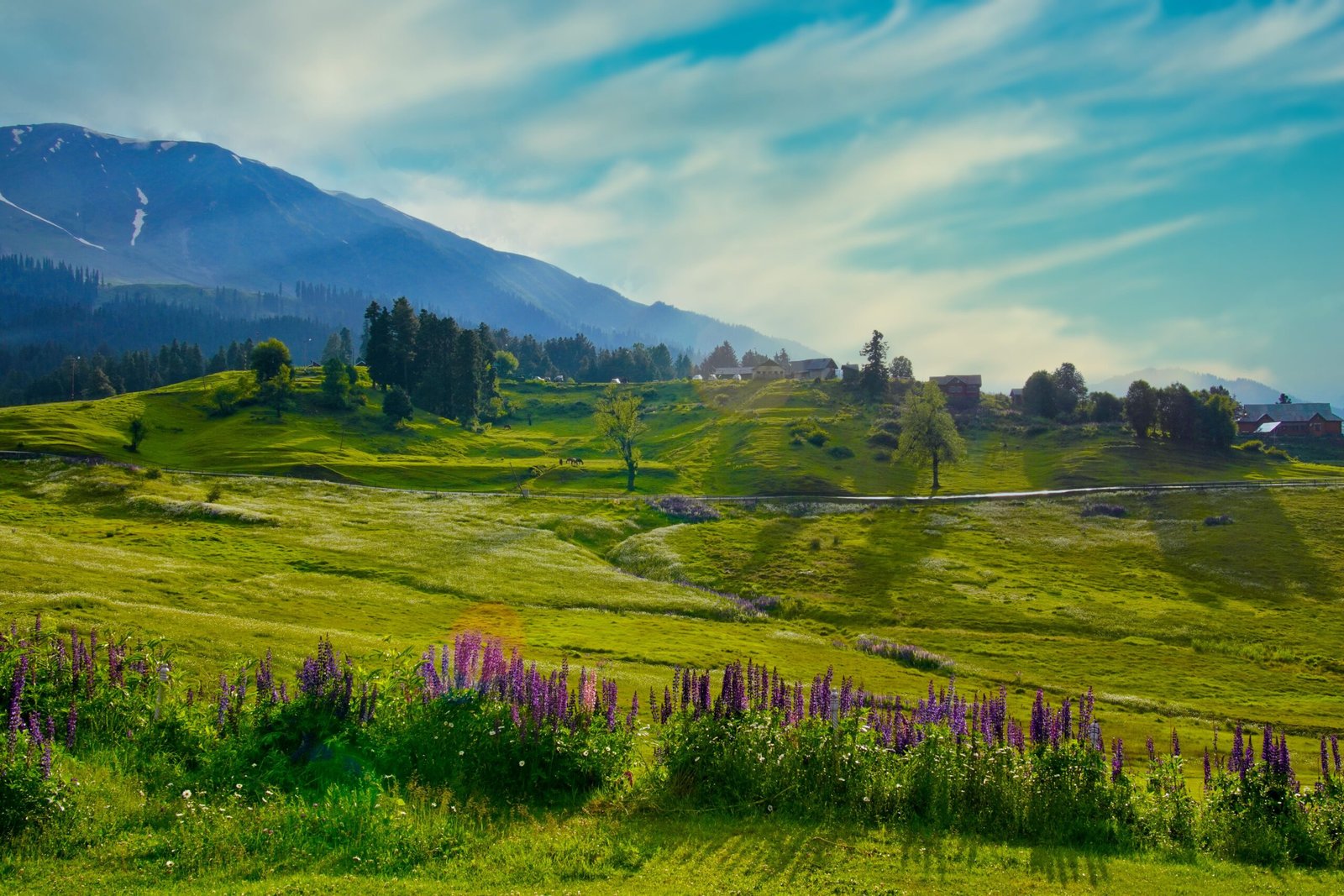
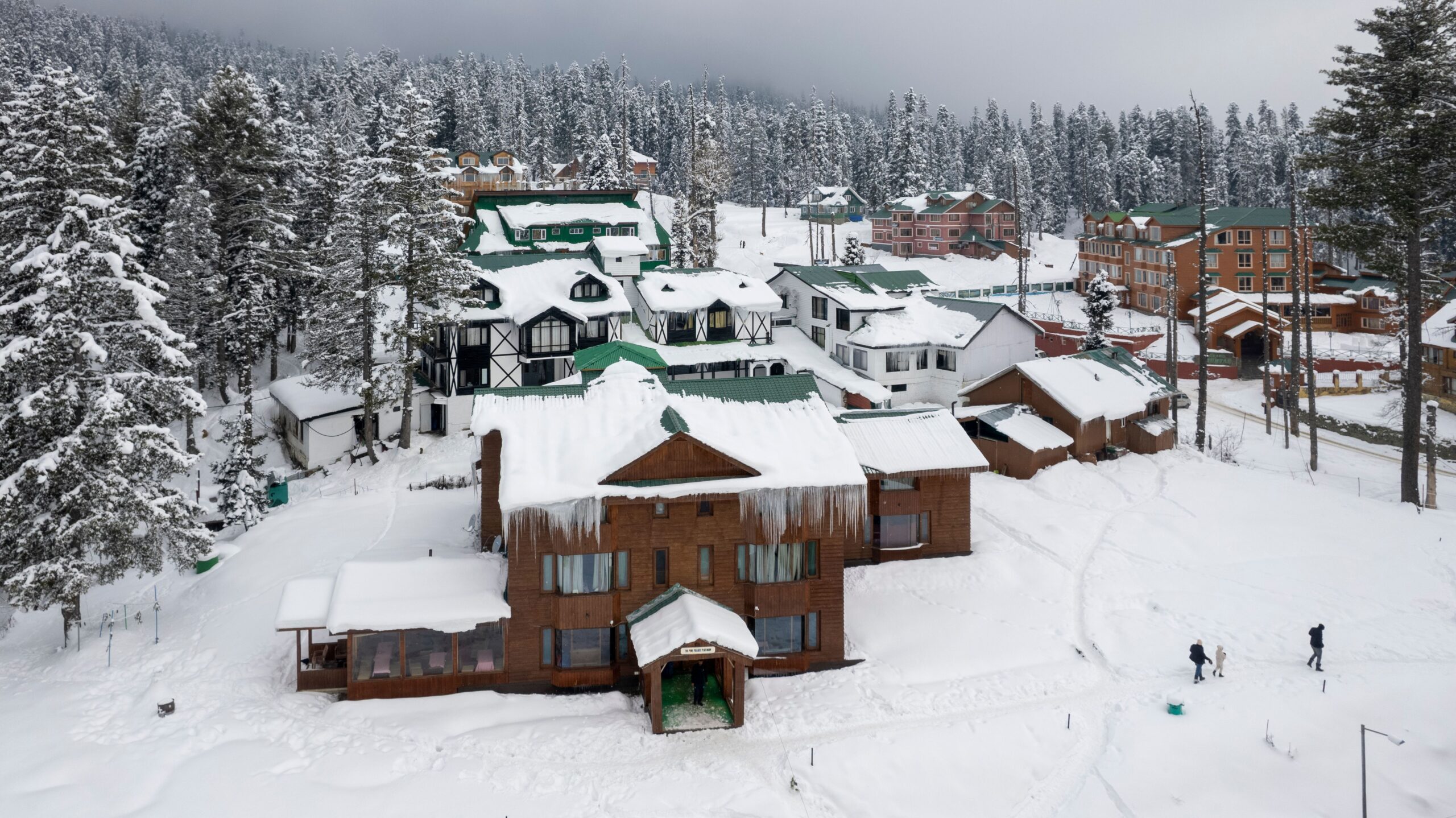
Gulmarg sits high in the Himalayas. The weather can change very quickly. A clear blue morning may turn cloudy before lunch. Some days bring bright sunshine. Other days bring snowfall and flat light. Your eyes need protection in all these conditions. That is why choosing the right ski goggles matters. In this guide, we will explain what features to look for, what beginners should buy, and how to choose goggles that actually work in Gulmarg Skiing.
Why Ski Goggles Matter at High Altitude
Many first-time visitors think goggles are mainly for comfort. The truth is that they are an important safety item.
Gulmarg village sits at around 2,650 metres above sea level. Higher parts of the ski area rise above 4,000 metres. As you climb higher, the air becomes thinner. Less atmosphere means more UV rays reach your eyes. If you want to understand how elevation affects skiing conditions, read our guide on Gulmarg altitude.
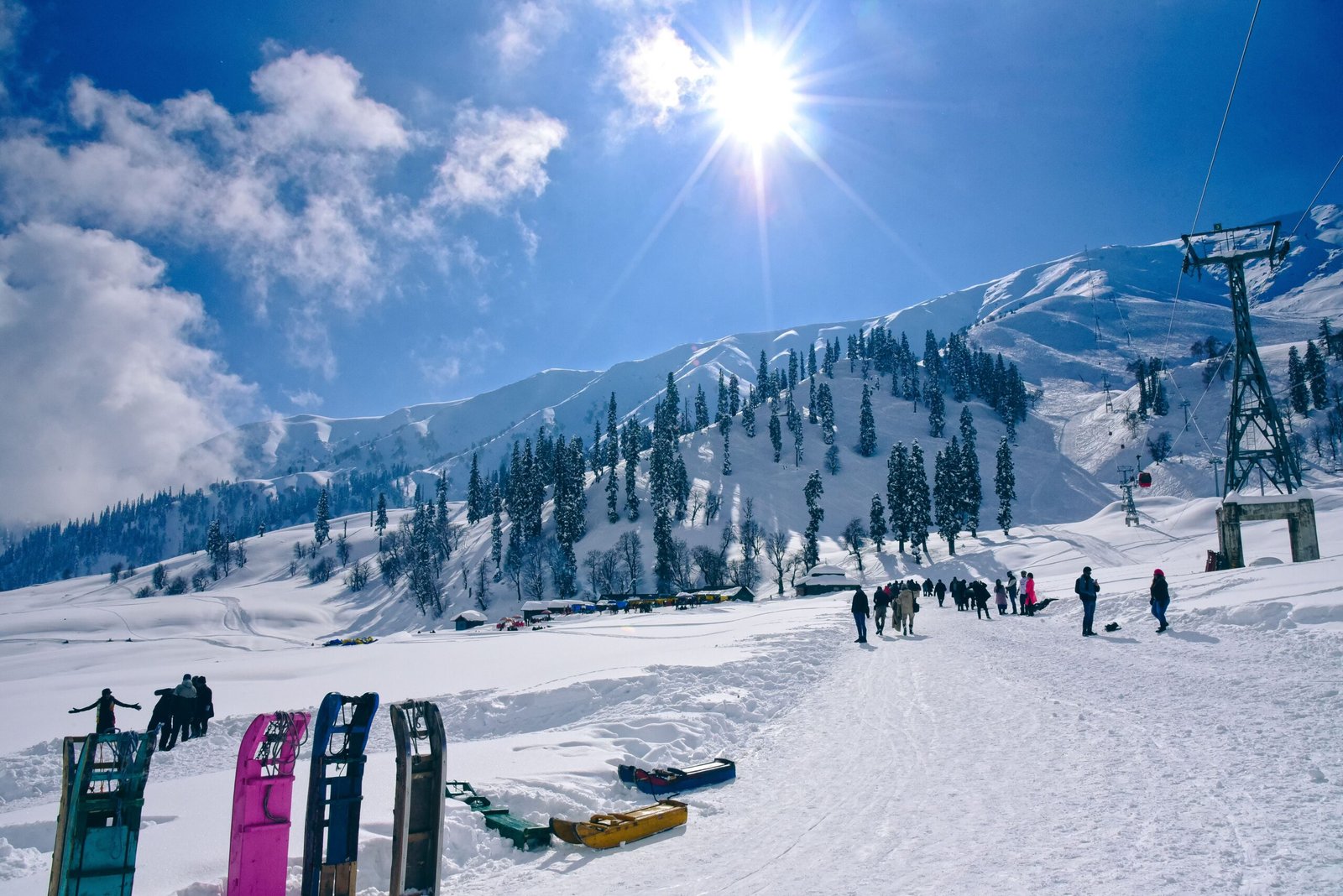
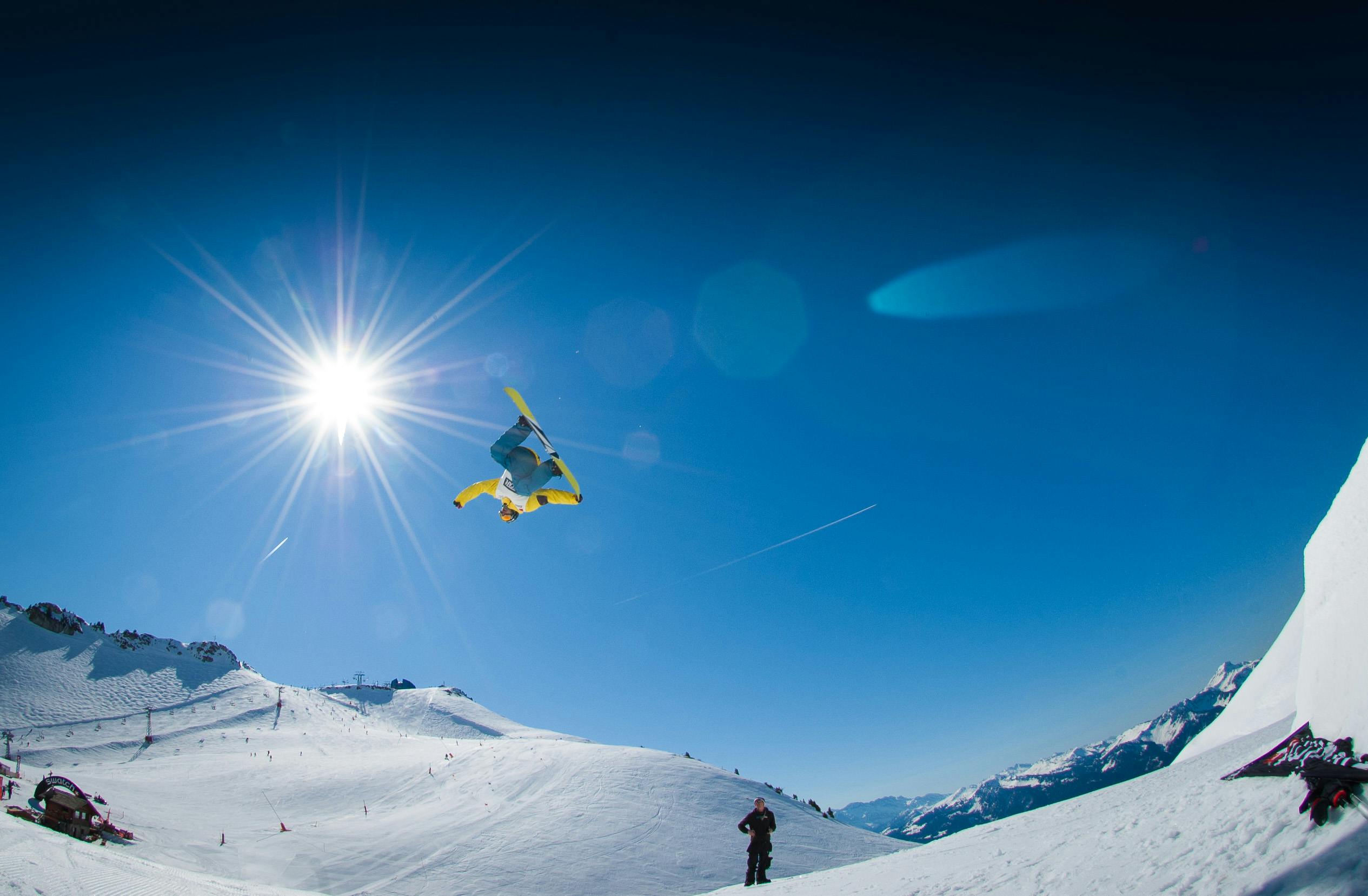
Experts often estimate that UV exposure increases by about 10% for every 1,000 metres of elevation gain. Snow makes the situation even stronger because it reflects sunlight back towards your face. This becomes especially noticeable around Apharwat Peak Phase 2 skiing areas where sunlight and snow glare can be intense.
This is why the best ski goggles Gulmarg altitude conditions require should always provide full UV protection. Without it, your eyes work much harder than they should.
Snow Blindness Is Real
Most people know what a sunburn feels like. Fewer people know about snow blindness. Snow blindness happens when strong UV rays damage the surface of your eyes. It can cause pain, redness, watering, and blurry vision. The condition is usually temporary, but it can make the rest of your ski trip very uncomfortable.
The risk becomes higher when you spend several hours on bright snow without proper eye protection. This is common during the peak Gulmarg skiing season when fresh snow and sunny skies often arrive together.
A good pair of goggles helps prevent this problem. That is one reason experienced skiers rarely step onto the slopes without them.
What Is the Most Important Feature?
If you remember only one thing from this guide, remember this. Always choose goggles with 100% UV protection. Many beginners focus on lens colour first. They compare dark lenses, mirrored lenses, and bright colours. Those things matter, but UV protection matters much more.
The colour of a lens does not automatically tell you how much UV protection it offers. Always check the product details before buying. For goggles skiing Gulmarg UV protection altitude conditions, this feature should never be ignored.
Understanding VLT in Simple Words
When shopping for ski goggles, you may see the term VLT. VLT stands for Visible Light Transmission. It simply means how much light passes through the lens. A low VLT lens blocks more light. It works best on bright sunny days.
A high VLT lens lets in more light. It works better when the weather is cloudy or snowy. You do not need to memorise numbers. Just remember one simple rule. Bright weather needs darker lenses. Cloudy weather needs lighter lenses.
Best Lens Options for Gulmarg
Different weather conditions need different lenses.
The table below gives a simple guide.
Lens Type | VLT Range | Best Use in Gulmarg |
Dark Grey or Mirrored | 10-20% | Bright sunny days at Phase 2 |
Rose or Copper | 25-40% | Mixed weather conditions |
Yellow or Amber | 50-70% | Cloudy days and snowfall |
Clear Lens | 70-90% | Very low light conditions |
For most visitors, rose or copper lenses are the safest choice. They work well in different weather conditions and offer good all-round performance. This is especially useful because the snow quality in Gulmarg can change quickly after fresh snowfall.
Why Anti-Fog Lenses Matter
Imagine standing in a Gondola queue after walking uphill. Your body is warm. The air outside is cold. Without anti-fog protection, your lenses may fog up within minutes.
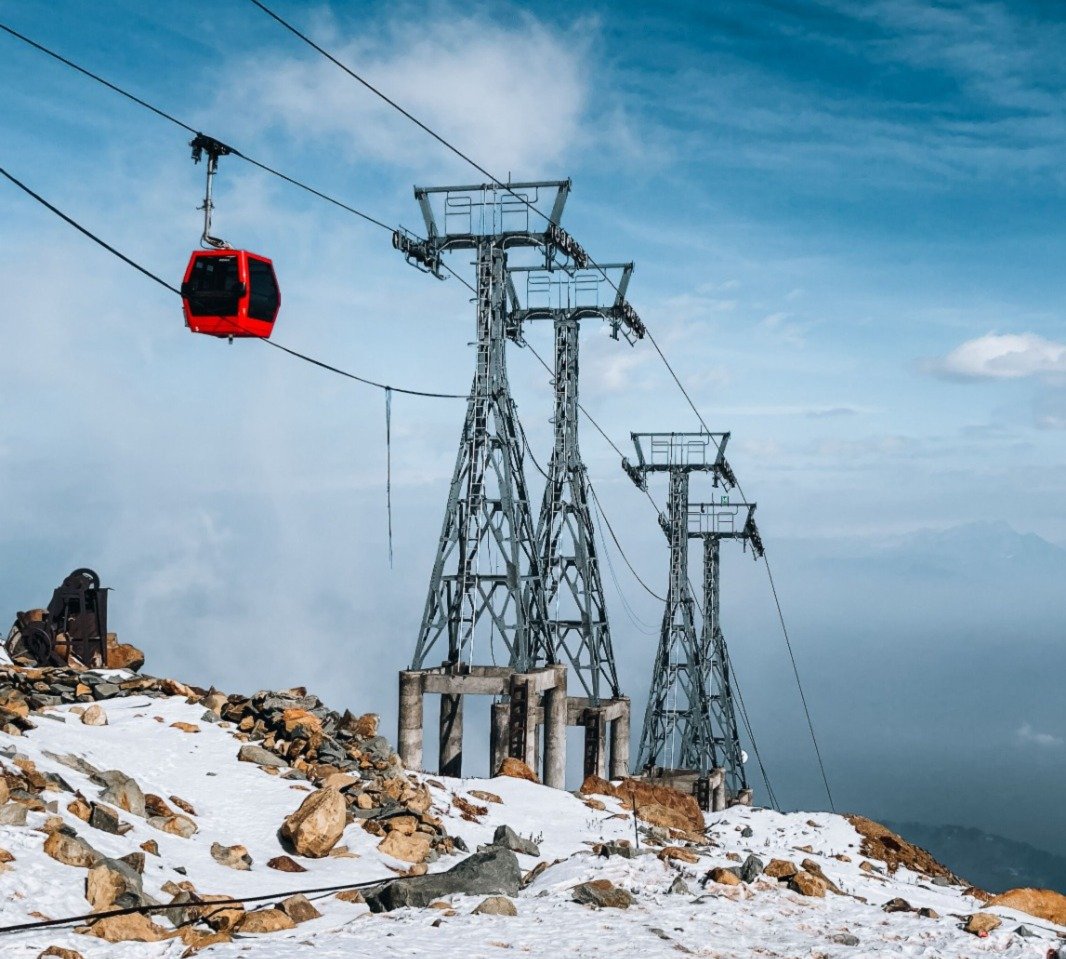
Foggy goggles make skiing harder. They reduce visibility and force you to stop repeatedly to clear the lens. This often happens while waiting for the Gondola ride Gulmarg booking lines or travelling between skiing zones.
Look for goggles with:
- Double-pane lenses
- Anti-fog coating
- Ventilation openings
- Breathable face foam
These features help keep your vision clear throughout the day. Many skiers only realise how important anti-fog technology is after using a poor-quality pair.
Spherical vs Cylindrical Lenses
When shopping for goggles, you may notice two different lens shapes.
Cylindrical Lenses
These lenses are flatter. They usually cost less and work well for beginners.
Spherical Lenses
These lenses curve more naturally around your face. They often provide better side vision and reduce glare.
For most first-time visitors, either type will work. If your budget allows, spherical lenses generally offer a better experience in changing mountain conditions. This can be helpful if you are still learning and exploring slopes marked on the Gulmarg ski area map and slopes guide.
What If You Wear Glasses?
Many Indian travellers wear prescription glasses. If that sounds like you, look for OTG goggles. OTG stands for “Over The Glasses.” These goggles are designed with extra space inside the frame. They fit comfortably over most prescription glasses.
Trying to squeeze regular goggles over spectacles can become uncomfortable after a few hours. OTG goggles solve this problem and make skiing much more enjoyable.
Can You Use Sunglasses Instead?
This is one of the most common questions beginners ask. The simple answer is yes, but it is not ideal. Sunglasses leave gaps around your eyes. Wind can enter from the sides. Snow can blow underneath. During snowfall, visibility becomes much worse.
Goggles create a protective seal around your eyes. They also provide a wider field of vision. For sightseeing, sunglasses are usually fine. For skiing, goggles remain the better option. This is especially true for visitors wondering is Gulmarg good for beginners because beginners spend more time exposed to wind and snow while learning.
Should You Buy or Rent Ski Goggles?
Many rental shops in Gulmarg offer goggles along with other ski equipment. For a first ski trip, renting can save money. However, rental goggles vary in quality. Some are excellent. Others may have scratches or worn-out foam.
If you plan to ski more than once, buying your own pair often makes sense. You know how they fit, you know their condition, and you do not have to worry about hygiene.
Many beginners find good options from Decathlon and other reliable outdoor brands available in India. You can also learn more about available ski rental options before your trip.
Common Mistakes We See Every Winter
Every season brings the same problems. Many visitors focus on appearance instead of performance.
Try to avoid these mistakes:
- Buying goggles without UV protection
- Choosing fashion sunglasses instead
- Ignoring anti-fog features
- Using extremely dark lenses in cloudy weather
- Wearing poorly fitting goggles
- Cleaning the inner lens too aggressively
These mistakes can reduce visibility and make skiing less enjoyable.
How to Care for Your Ski Goggles
A good pair of goggles can last for several years if treated properly. After skiing, allow them to dry naturally. Store them in a soft protective pouch. Avoid touching the inner lens whenever possible.
Many scratches happen inside hotel rooms, backpacks, and cars rather than on the mountain itself. If you are planning a longer ski holiday, choosing the right stay options in Gulmarg can also help you store and dry your gear properly. A little care goes a long way.
Quick Ski Goggle Checklist for Gulmarg
Before buying ski goggles, make sure they include:
- 100% UV protection
- Anti-fog coating
- Double-pane lenses
- Comfortable fit
- Helmet compatibility
- Good ventilation
- Suitable lens tint
- Durable strap
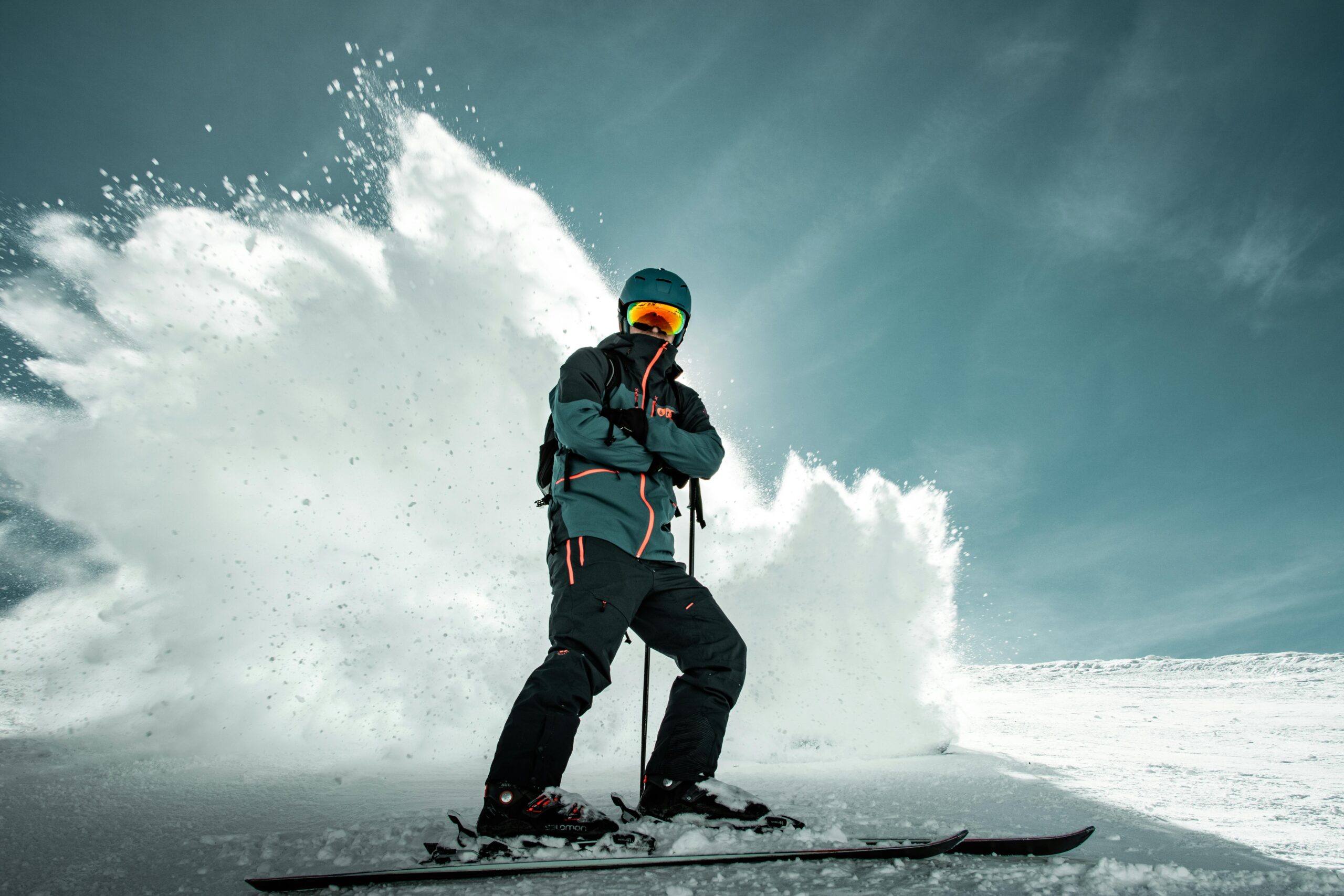
If your goggles meet these requirements, they will handle most Gulmarg conditions comfortably.
FAQs
1. Are ski goggles necessary in Gulmarg?
Yes. Strong sunlight, snow glare, cold winds, and changing weather make goggles an important safety item. They protect your eyes and improve visibility while skiing.
2. Which lens colour is best for Gulmarg?
Rose and copper lenses are usually the safest choice for most visitors. They work well in both sunny and cloudy conditions, which makes them ideal for changing mountain weather.
3. Can I wear sunglasses instead of ski goggles?
You can, but goggles provide better protection. They block wind, snow, and glare more effectively while also giving you a wider field of view.
4. What does VLT mean in ski goggles?
VLT stands for Visible Light Transmission. It tells you how much light passes through the lens. Lower VLT works better in bright sunshine, while higher VLT works better in cloudy weather.
5. Are expensive ski goggles worth it?
Not always. A mid-range pair with UV protection, anti-fog technology, and a comfortable fit is often enough for most visitors to Gulmarg.
6. Can I rent ski goggles in Gulmarg?
Yes. Many rental shops offer goggles along with helmets and ski equipment. However, many skiers prefer bringing their own pair for better comfort and hygiene.
Before leaving for Gulmarg, check your goggles in bright sunlight, make sure they fit comfortably with your helmet, and test the strap properly. Clear vision helps you enjoy the mountain more, react faster on the slopes, and get the most from every ski day.