Beigh Sabeela

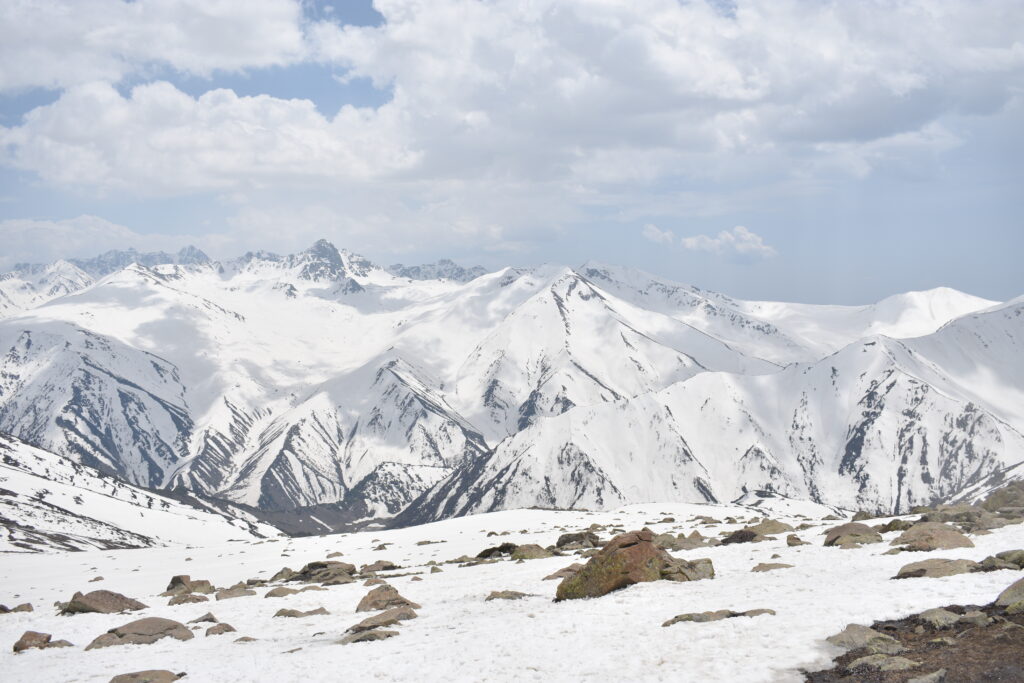
Sunshine Peak Skiing Slope in Gulmarg

Sunshine Peak Gulmarg Skiing: Route, Difficulty, Cost & How to Reach It

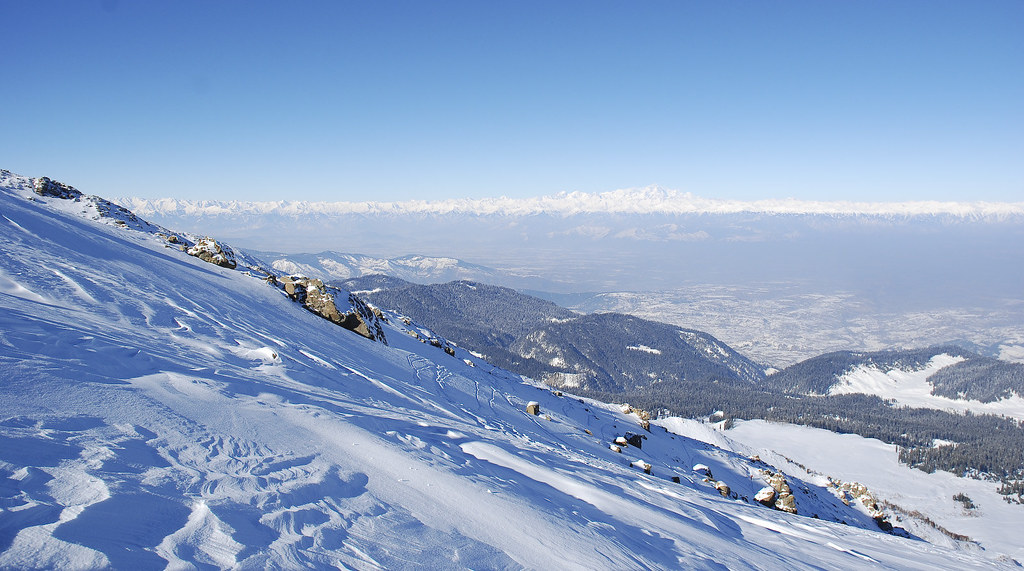
Sunshine Peak Gulmarg skiing is a backcountry ski touring adventure best suited for experienced skiers who want to explore untouched snow, long descents, and terrain beyond the main resort. If you are new to Skiing in Gulmarg, this is not the terrain where you should begin. Many people researching Sunshine Peak expect another ski run similar to Kangdoori Phase 1 skiing or Apharwat Peak Phase 2 skiing. That is not really the case. Sunshine Peak sits outside the regular resort skiing area and offers a very different experience. This is one reason why serious skiers often place it high on their Gulmarg wish list. If you are planning your first ski trip to Kashmir, Sunshine Peak is probably not where you should start. It makes more sense to first understand how to learn skiing in Gulmarg and honestly assess whether Gulmarg is good for beginners. If you already have experience in off-piste skiing and want to explore beyond marked resort terrain, Sunshine Peak can become one of the most memorable parts of your trip. What Is Sunshine Peak? Sunshine Peak is known as one of Gulmarg’s famous backcountry skiing zones. Unlike the regular resort slopes served by the Gondola, this area requires route planning, local knowledge, and proper mountain safety awareness. The attraction is simple. You get vast snowfields, quiet mountain landscapes, steep sections, and long descents that feel far away from crowded ski resorts. Many skiers spend several days exploring the wider Gulmarg ski area before attempting Sunshine Peak. That progression helps build confidence in local snow and mountain conditions. Where Is Sunshine Peak Located? Sunshine Peak lies beyond the main ski resort boundary near the higher mountain region surrounding Apharwat. Most skiers begin their journey from the upper Gondola station. Before planning the trip, it helps to understand the difference between Gulmarg Phase 1 vs Phase 2 and learn about the Gulmarg Phase 2 height because most Sunshine Peak routes start from the higher mountain sections. The terrain eventually extends towards the Drang side of the mountain. Depending on the route and snow conditions, skiers may pass through snowfields, open alpine sections, forested areas, and steep gullies. One important thing to understand is that Sunshine Peak is not a marked ski slope. This is mountain terrain where navigation matters. How Do You Reach Sunshine Peak? Getting to Sunshine Peak requires more planning than a normal ski day. If you are still arranging your trip, our guide on how to reach Gulmarg for skiing covers the journey from Srinagar and other major cities. A typical route often follows these steps: Reach Gulmarg and prepare all ski touring equipment. Arrange your Gondola ride Gulmarg booking in advance. Take the Gondola towards the Apharwat side. Ski beyond the regular resort terrain. Cross the natural boundary area separating the resort from the Sunshine Peak region. Continue with a guide towards the planned route. Depending on the itinerary, stay overnight or complete a longer touring day. During busy periods, some skiers rely on Gulmarg Gondola Tatkal tickets if standard bookings are unavailable. Most visitors do not attempt this route independently during their first visit. A local guide understands weather patterns, avalanche zones, safe descent routes, and exit points. That knowledge can make a huge difference in mountain terrain. What Is the Terrain Like? This is where Sunshine Peak becomes special. The terrain feels wild compared to resort skiing. Instead of groomed pistes and marked runs, you find natural mountain features shaped by snow, wind, and weather. You may encounter: Open powder fields Snow-covered bowls Couloirs Steep chutes Forest skiing sections Long descents into lower valleys After a fresh snowfall, the area can offer excellent powder skiing. If you want to understand why Gulmarg is famous among international skiers, have a look at the detailed analysis of snow quality in Gulmarg. Many experienced skiers return because every run feels different. One local guide once described Sunshine Peak perfectly. He said that no two days on the mountain ever look the same. After spending time there, it is easy to understand what he meant. Is Sunshine Peak Suitable for Beginners? No. This is probably the most important point in the entire article. Sunshine Peak is not designed for people learning how to ski. Beginners should first become comfortable on easier slopes around Gulmarg before even considering backcountry terrain. Our dedicated section for beginners is a far better place to start. To safely enjoy Sunshine Peak, you should already know how to: Control speed on steep terrain Ski confidently in powder snow Handle changing snow conditions Navigate off-piste terrain Manage fatigue at altitude If you are still working on basic turns and stopping techniques, focus on learning areas first. Many skiers spend time at a ski school in Gulmarg or train through the Indian Institute of Skiing and Mountaineering before progressing to advanced terrain. There will always be time for Sunshine Peak later. Why Hiring a Guide Is Almost Essential Many experienced skiers hire guides here. That alone should tell you something. The route is not always obvious. Snowfall can cover tracks overnight. Weather can change quickly. Visibility sometimes drops within minutes. A professional guide helps with: Route finding Avalanche assessment Weather decisions Terrain selection Emergency planning Many visitors also choose a private skiing instructor in Gulmarg before attempting more challenging off-piste routes. For most visitors, the cost of a guide is small compared to the safety and confidence it provides. Avalanche Safety Matters Sunshine Peak is backcountry terrain. Avalanche awareness is not optional. Every member of the group should carry: Avalanche beacon Probe Shovel Helmet Extra warm layers Emergency supplies More importantly, everyone should know how to use this equipment. Many accidents happen because people carry safety gear but never practise with it. Mountain safety starts before the ski tour begins. How Much Does a Sunshine Peak Ski Tour Cost? Costs vary depending on the guide company, group size, duration, and services included.  A guided multi-day Sunshine Peak trip may include: Certified guide Accommodation

Sunshine Peak Gulmarg Skiing: Route, Difficulty, Cost & How to Reach It Read More »
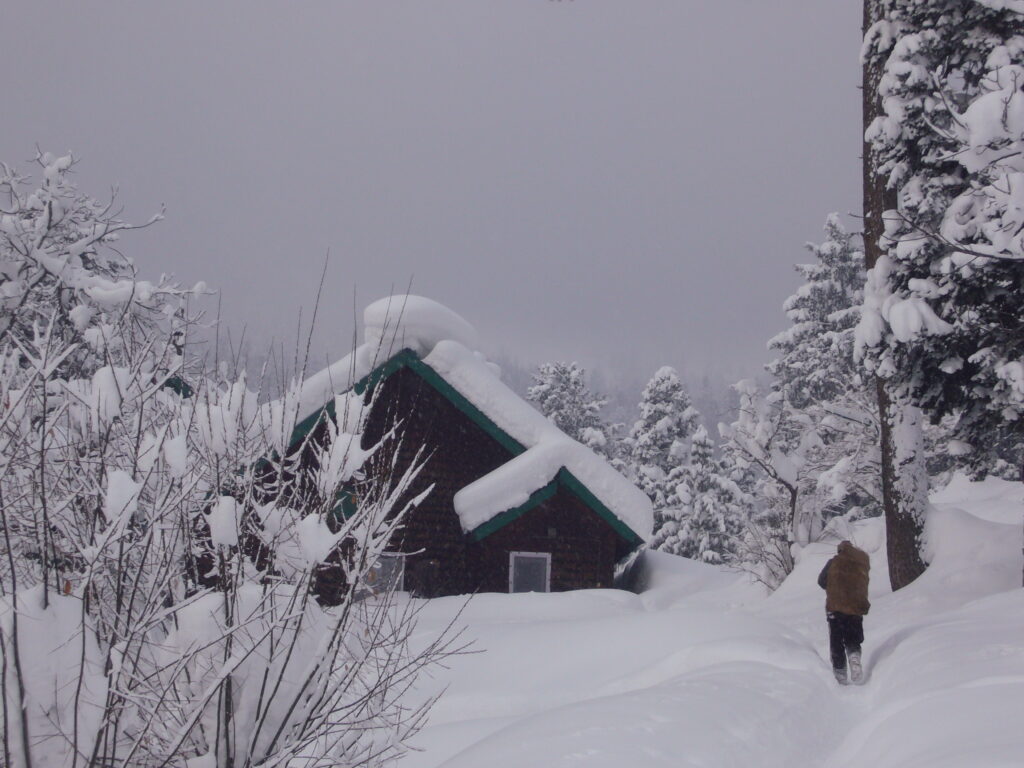
Highland Park skiing slope in Gulmarg

Highland Park Gulmarg Skiing: Mixed Terrain & Ski Schools Nearby

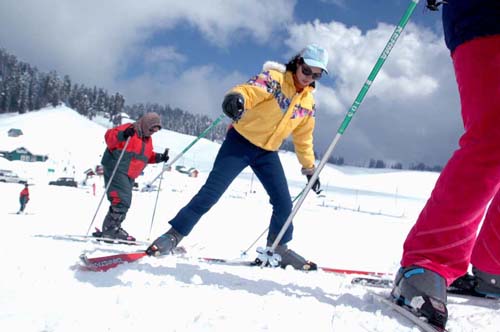
Highland Park Gulmarg skiing is one of the best places for beginners and improving skiers because it offers easy slopes, ski lifts, nearby instructors, and a central location within the wider Skiing in Gulmarg experience. Many people get confused when they hear the name Highland Park. Some are talking about Hotel Highlands Park, while others mean the nearby ski slope. The good news is that both are closely connected. The beginner ski area sits near the hotel and is one of the most popular places for people learning to ski in Gulmarg. If this is your first ski trip, Highland Park is often a better starting point than heading straight to higher mountain terrain such as Kangdoori Phase 1 skiing or Apharwat Peak Phase 2 skiing. Where Does Highland Park Fit in Gulmarg’s Ski Area? Gulmarg has several skiing zones designed for different skill levels. Highland Park is usually grouped with the beginner and lower intermediate learning areas and forms an important part of the overall Gulmarg ski area. Most new skiers start on one of these slopes: Baby Slope Highland Park Slope Slope 85 Baby Slope is usually the easiest. Highland Park is often the next step. Because it is longer and slightly steeper. Many instructors bring students here after they learn basic balance and  stopping techniques. If you are wondering whether Gulmarg is suitable for first-time skiers, our guide on is Gulmarg good for beginners explains what to expect before booking your trip. Where Is Highland Park Located? Highland Park is located near the centre of Gulmarg, close to Hotel Highlands Park and the golf course area. Unlike the upper mountain terrain accessed by the Gondola, you do not need to ride the lift system to reach the beginner slopes here.  Most visitors can walk or take a short ride from nearby hotels. If you are still planning your journey, our guide on how to reach Gulmarg for skiing covers the entire route. This easy access is one reason many ski schools choose Highland Park for daily training sessions. What Is the Terrain Like? The Highland Park slopes offer a mix of easy and slightly challenging terrain. The area is not completely flat, which helps skiers learn turning and speed control. At the same time, it is nowhere near as steep as the terrain accessed through Gulmarg Phase 1 vs Phase 2 routes. You can expect: Gentle learning slopes Wider practice areas Good visibility Short to medium-length runs Terrain suitable for lessons Many visitors feel more confident here because they can practise without worrying about steep descents or deep off-piste snow. What Is the Altitude of Highland Park? Highland Park sits at a high mountain elevation, like most of Gulmarg. The skiing area is generally around 13,500 feet above sea level, although exact figures vary depending on the section of the slope.  If you are concerned about mountain conditions, our detailed guide on Gulmarg altitude explains how elevation affects skiing and acclimatisation. Because of this height, snow conditions often remain reliable during the main winter season. Many first-time visitors are surprised by how quickly they feel tired. The altitude plays a role, so it helps to stay hydrated and take breaks during lessons. Is Highland Park Good for Beginners? Yes, this is one of the best places in Gulmarg for beginners. The slopes give new skiers enough space to learn without feeling overwhelmed. Many people spend their first two or three days here before moving to more advanced terrain. If you are completely new to the sport, it helps to read our guide on how to learn skiing in Gulmarg before arriving. If you are travelling with family, you may also want to explore Gulmarg skiing for kids, as many children take their first lessons on these beginner-friendly slopes. The best skiers build strong basics first. That is why many visitors spend how many days you need to learn skiing in Gulmarg before moving to bigger mountain runs. Ski Schools Near Highland Park One of the biggest advantages of Highland Park is the number of ski schools nearby. Several instructors and training centres operate in this area throughout winter. Many visitors begin with a structured course at a ski school in Gulmarg before exploring more of the mountain. Popular options include: Indian Institute of Skiing and Mountaineering Kashmir Ski School Private skiing instructors in Gulmarg Adventure companies offering beginner ski packages Most schools provide equipment, lessons, and guided practice sessions. Private lessons often start from around ₹3,000 per hour, though prices change each season. Comparing current Gulmarg skiing prices before booking can help you budget properly. Ski Lift and Ticket Information Highland Park has beginner-friendly lift facilities that help skiers return uphill after each run. The area is designed for repeated practice, which is important when learning. Most visitors do not need Gondola tickets here, but if you plan to explore higher terrain later, it helps to understand Gondola ride Gulmarg prices for Phase 1 and Phase 2. If you eventually decide to ride the Gondola, make sure you complete your Gondola ride Gulmarg booking early, especially during holidays. You can also follow the official Gulmarg Gondola online booking process to avoid common mistakes. Snow Conditions at Highland Park The best snow normally arrives during January skiing in Gulmarg and February skiing in Gulmarg. Fresh snowfall can make the slopes soft and enjoyable for learning. During busy periods, the snow may become more packed later in the day because many beginners use the area. Unlike higher sections of Apharwat Peak, Highland Park sits lower on the mountain. This means snow quality can sometimes change faster during warmer weather. If you want to understand how local snow compares with famous resorts worldwide, read our guide on snow quality in Gulmarg. The overall Gulmarg skiing season usually runs from late December until March, though weather patterns can vary each year. What Should You Carry? The weather in Gulmarg can change quickly. Before heading to Highland Park, carry: Waterproof jacket

Highland Park Gulmarg Skiing: Mixed Terrain & Ski Schools Nearby Read More »

Monkey Hill Skiing Slope in Gulmarg

Monkey Hill Gulmarg Skiing: What Skiers Need to Know Before Trying It

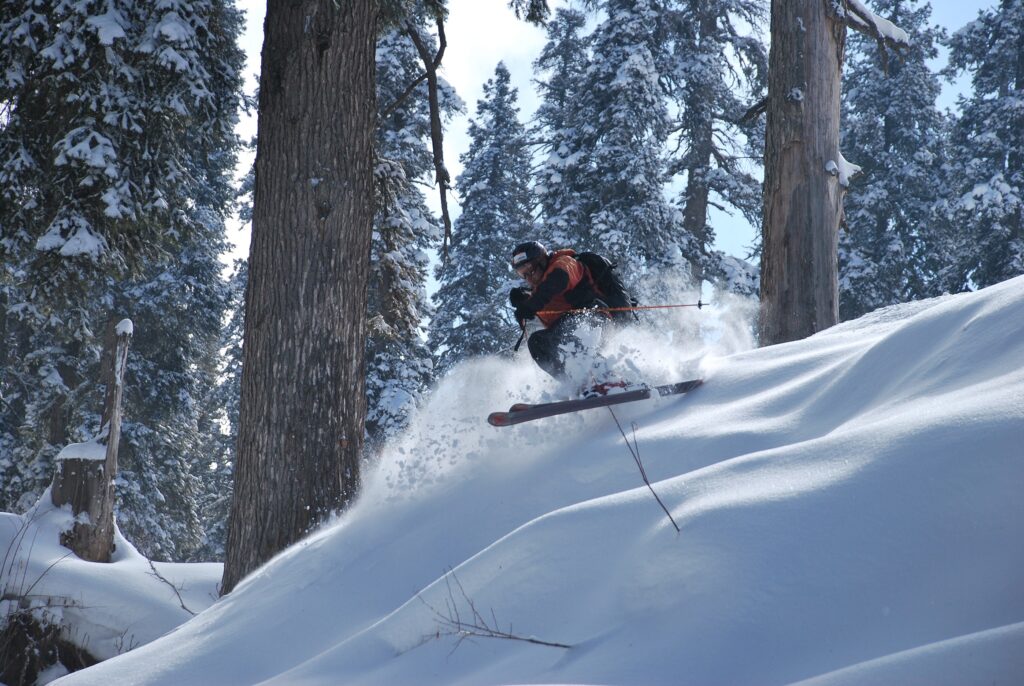
Monkey Hill Gulmarg skiing is best suited for confident intermediate and advanced skiers who want to explore one of Gulmarg’s famous off-piste areas. Many skiers who explore the wider Skiing in Gulmarg region eventually hear about Monkey Hill because of its reputation among powder lovers. Many people hear the name Monkey Hill before their first ski trip to Gulmarg. Some think it is a beginner slope. Others believe it is only for professional skiers. The truth sits somewhere in the middle. Monkey Hill is not the place where most people learn skiing for the first time. At the same time, it is not reserved only for experts competing in ski films. If you already know how to control your speed, make confident turns, and handle changing snow conditions, Monkey Hill can be a fun next step. If you are still learning, start with this guide on How to Learn Skiing in Gulmarg before attempting more demanding terrain. Where Is Monkey Hill in Gulmarg? Monkey Hill sits above Gulmarg and is usually reached from the upper mountain area. The terrain is located at around 3,800 metres. You can learn more about skiing at high mountain elevations in this guide on Gulmarg Altitude. Unlike beginner slopes near the base area, Monkey Hill often requires some hiking before the ski descent begins. Most skiers spend about 20 to 30 minutes walking uphill depending on snow conditions and their fitness level. The effort is worth it. Once you reach the top, the views open up across the mountains. On a clear day, the snow-covered peaks seem to stretch forever. Many visitors combine this area with terrain around Apharwat Peak Phase 2 Skiing to experience more of the mountain. Why Do Skiers Like Monkey Hill? The biggest reason is freedom. Many groomed ski runs follow a predictable path. Monkey Hill feels different. The terrain is more natural. Snow conditions change from one section to another. Every run feels slightly unique. The area is known for: Open powder fields Tree skiing sections Long descents Beautiful mountain views Less crowded terrain A true off-piste experience After fresh snowfall, the snow here can be excellent. If you want to understand why Gulmarg is famous among powder skiers, read about Snow Quality in Gulmarg. Many experienced visitors return to Monkey Hill year after year because no two days feel exactly the same. Is Monkey Hill Good for Beginners? For most beginners, the answer is no. If you have only skied for one or two days, Monkey Hill may feel overwhelming. The terrain is more demanding than the learning slopes near Gulmarg village. Beginners are usually better off training at a Ski School in Gulmarg or working with a Private Skiing Instructor in Gulmarg before moving to more advanced terrain. If you are unsure about your skill level, read this honest assessment of Is Gulmarg Good for Beginners. A good rule is simple. If you still feel nervous on blue runs or easy red runs, wait before attempting Monkey Hill. What Is the Terrain Like? The terrain changes throughout the descent. Some sections are open and forgiving. Other parts become steeper. Snow conditions can also change quickly depending on weather and recent snowfall. Tree sections add another layer of challenge. These areas require more control because obstacles are closer than on open slopes. One thing many first-time visitors do not expect is the drainage channels and irrigation features found lower on the mountain. During poor visibility, these can become hazards if skiers are not paying attention. This is one reason local knowledge matters. Visitors often compare Monkey Hill with Kangdoori Phase 1 Skiing and terrain accessed through the Gulmarg Phase 2 Guide. Why Many Skiers Hire a Guide Even strong skiers often hire guides in Gulmarg. The mountain is large. Weather changes quickly. Visibility can disappear within minutes during storms. A local guide helps with: Route selection Snow condition assessment Avalanche awareness Navigation in poor visibility Avoiding terrain traps Many visitors think guides are only for beginners. In Gulmarg, even experienced skiers regularly ski with professionals trained through the Indian Institute of Skiing and Mountaineering. Avalanche Safety Matters Here This is not a ski resort where every off-piste section is controlled. When you leave marked areas, you are responsible for your own safety. Anyone planning to ski off-piste terrain should carry: Avalanche beacon Probe Shovel Helmet Extra warm layers Knowing how to use this equipment is just as important as carrying it. If you do not own equipment, many local operators offer Ski Rental in Gulmarg. Best Time to Ski Monkey Hill The Gulmarg Skiing Season usually runs from late December until March. January and February often provide the deepest snow. These months attract the highest number of powder skiers. March brings slightly warmer weather and longer daylight hours. Many visitors enjoy the balance between good snow and comfortable conditions. Before planning your trip, it is worth checking the Best Time to Visit Gulmarg based on your skiing goals. What Should You Carry? Mountain weather can change very fast. Carry the right gear before heading out. Recommended items include: Waterproof ski jacket Ski pants Thermal base layers Goggles Helmet Gloves Neck warmer Sunscreen Water bottle Avalanche gear for off-piste skiing Being prepared usually makes the day far more enjoyable. Before travelling, check the latest Gulmarg Skiing Price Breakdown and Gondola Ride Gulmarg Price to plan your budget. FAQs 1. How high is Monkey Hill? Monkey Hill sits at around 3,800 metres above sea level. 2. Is Monkey Hill a beginner ski area? No. Most beginners should learn on easier slopes first. This guide for Beginners explains where to start. 3. Do I need a guide? A guide is strongly recommended, especially if it is your first time skiing in Gulmarg. 4. Is Monkey Hill off-piste? Yes. It is generally considered an off-piste skiing area. 5. When is the best time to visit? January and February usually offer the best powder conditions. Monkey Hill is one of those places that

Monkey Hill Gulmarg Skiing: What Skiers Need to Know Before Trying It Read More »

Skiing in Gulmarg

Mary’s Shoulder Skiing: Expert Terrain & How to Access

Mary’s Shoulder is one of the most popular ski zones in Gulmarg. It offers fresh powder, wide slopes, and beautiful mountain views. Many skiers who explore the wider Skiing in Gulmarg area eventually make their way here because of the excellent terrain. Many visitors hear about Mary’s Shoulder before arriving in Kashmir. But they are often confused about where it is and how to reach it. Some think it is part of Apharwat Peak, while others believe it is only meant for professional skiers. The truth is much simpler. Mary’s Shoulder is reached by a chairlift from Kongdori, which is the middle station of the Gulmarg Gondola. If you are still learning how the lift system works, our guide on Gulmarg Phase 1 vs Phase 2 explains it clearly. Strong intermediate skiers and experts both enjoy this area because it offers exciting runs without needing to go all the way to the highest slopes. Why Mary’s Shoulder Is So Popular There are many parts of the Gulmarg ski area, but Mary’s Shoulder remains one of the most loved sections. The biggest reason is variety. You can enjoy groomed slopes, powder snow, open terrain, and challenging off-piste sections in one place. After a fresh snowfall, the snow quality here can be outstanding. If you want to understand why skiers praise Gulmarg’s powder so much, read our comparison of snow quality in Gulmarg with famous ski destinations around the world. I still remember watching skiers glide through fresh snow after an overnight storm. Every turn threw a cloud of powder into the air. It looked like a winter film scene. How to Reach Mary’s Shoulder Many first-time visitors get confused about the route. You do not need to ski down from Apharwat Peak to reach Mary’s Shoulder. Instead, you first take the Gondola to Kongdori and then use the dedicated chairlift. The process is simple: Reach Gulmarg. Take the Gondola to Kongdori. Board the Mary’s Shoulder chairlift. Start skiing from the top. If this is your first ski trip, our guide on how to reach Gulmarg for skiing can help you plan the journey. Before travelling, always check lift operations. Heavy snowfall and strong winds can affect services. It is also a good idea to complete your Gulmarg Gondola online booking in advance during peak season. During busy holidays, some visitors also use Gulmarg Gondola Tatkal tickets when regular tickets sell out. What Is the Terrain Like? The terrain here is exciting, but it is not all extreme. That is why many skiers enjoy it. You will find: Wide open slopes Groomed runs Powder snow after fresh storms Intermediate terrain Advanced off-piste sections Beautiful mountain views If you can already ski confidently, you will enjoy many parts of Mary’s Shoulder. Visitors who are deciding between Kongdori and higher mountain terrain can also compare this area with Kangdoori Phase 1 skiing and Apharwat Peak Phase 2 skiing before choosing where to spend most of their day.  You can also learn more about the mountain’s elevation in our guide to Gulmarg Phase 2 height and the complete Gulmarg Phase 2 guide. Is It Good for Beginners? Most beginners should start on easier slopes. Mary’s Shoulder can feel challenging if you have only skied a few times. New skiers are usually better off reading our guide on how to learn skiing in Gulmarg and spending time on beginner-friendly terrain first. If you are unsure about your skill level, our article on is Gulmarg good for beginners explains exactly what first-time skiers should expect. We also have a dedicated guide for beginners. Strong intermediate skiers often enjoy Mary’s Shoulder the most because it helps them progress without jumping straight into very steep terrain. Snow and Weather Conditions Mary’s Shoulder sits high in the mountains, so the snow often remains in excellent condition. The best skiing usually happens in January and February, when fresh snowfall is common. The overall Gulmarg skiing season normally runs from late December to March. Conditions can change quickly, so it helps to understand what each month offers. One morning may look completely different from the day before. A slope that felt firm yesterday could be covered with deep powder today. Before planning your trip, it is also worth checking the best time to visit Gulmarg for skiing so you can match the conditions to your skiing level. Avalanche Safety Is Important This is something every skier should take seriously. Some areas around Mary’s Shoulder are off-piste. These sections are not fully controlled by ski patrol. If you plan to leave marked terrain, carry: Avalanche beacon Probe Shovel Helmet Warm clothing Many local shops offer ski rental packages that include safety equipment. Even experienced skiers often hire guides because mountain conditions can change very quickly. Should You Hire a Guide? For many visitors, the answer is yes. A local guide knows the mountain, understands snow conditions, and can help you find the best terrain for your ability. Some skiers prefer booking a private skiing instructor in Gulmarg, while others choose training through a ski school in Gulmarg or the Indian Institute of Skiing and Mountaineering. If you are travelling with children, you may also want to read about Gulmarg skiing for kids. Adults who are learning from scratch can check our guide on how many days you need to learn skiing in Gulmarg. This becomes especially useful after fresh snowfall when tracks disappear and visibility changes. Best Time to Visit Mary’s Shoulder The best time depends on what you want. Most skiers visit between January and February because snowfall is usually at its peak. If you want a full breakdown of weather, crowds, and snow conditions, read our guide on the best time to visit Gulmarg for skiing. March can also be a good choice because the days become longer and temperatures are slightly warmer. If weather causes disruptions, our article on a Gulmarg skiing season called off explains what travellers should know before arriving. FAQs 1. How do I reach Mary’s

Mary’s Shoulder Skiing: Expert Terrain & How to Access Read More »

Kongdoori (Phase 1) Skiing Slope in Gulmarg

Apharwat Peak Phase 2 Skiing: The Ultimate Advanced Run

If you are planning apharwat peak gulmarg skiing, expect India’s most extreme lift-accessed ski terrain, where high-altitude powder, sudden weather shifts, and steep natural faces turn a normal ski day into a serious mountain experience. This is not a casual ski zone. It is where Gulmarg shows its full power. And honestly, it is not for experimentation. You either respect the mountain here or the mountain quickly teaches you a lesson. What Makes Apharwat Peak Phase 2 So Special? Apharwat Peak is reached after taking the Gulmarg Gondola online booking official process tips route via Phase 1 and Phase 2, climbing from green meadows to one of the highest lift-accessed ski points in Asia. At Phase 2, you step into a different world. The terrain opens into vast alpine bowls, sharp ridgelines, and untouched snowfields that stretch towards the Line of Control. This is where phase 2 advanced skiing Gulmarg truly begins. If you want to understand how dramatically conditions shift across the mountain, this breakdown of snow quality in Gulmarg powder depth comparison helps set the right expectations. What makes it different: High-altitude snow quality stays dry and light Runs are natural, not groomed Visibility can change in minutes Terrain feels vast, not confined It is beautiful. But it is also serious terrain. Apharwat Peak Gulmarg Skiing Route: How You Actually Reach It The apharwat gulmarg skiing route is simple on paper but demanding in reality. You start from Gulmarg base station, take Gondola Phase 1 to Kongdoori, then transfer to Phase 2 which climbs sharply towards Apharwat. For a clear breakdown of the two stages, this guide on Gulmarg phase 1 vs phase 2 skiing helps a lot. Key details you should know: Phase 1 ride: ~9 minutes Phase 2 ride: ~12–15 minutes Total altitude gain: from ~2,650m to ~3,980m Last stretch depends heavily on weather And here’s what most people miss: Phase 2 is not all-day open. It often closes earlier than Phase 1 due to wind and visibility conditions. If you delay your ascent, you may simply miss it. That single mistake can end your ski day before it starts. Phase 2 Timing, Tickets & Real Costs Let’s talk money and reality, not assumptions. Typical pricing for apharwat peak gulmarg skiing: Phase 2 ticket: ~₹1,000 per person Combined Phase 1 + Phase 2: ~₹1,800 per person Chairlift (optional extension): ~₹300 If you want the full cost breakdown across gear, passes, and lessons, this Gulmarg skiing price 2026 full cost breakdown gives a clearer planning picture. Important operational truth: Phase 2 usually runs ~10:00 AM to ~4:00 PM Slots are time-bound, not flexible Missing your slot usually means losing the ride So if you are planning a full skiing day, early arrival is not optional. It is survival strategy for your itinerary. The Terrain: Why Apharwat Feels Different Once you exit the Gondola at Phase 2, the terrain opens into massive snow bowls and ridgelines. There are no neat ski lanes here. The mountain decides the path. You will typically find: Wide powder fields for carving Steep natural drops for advanced runs Wind-packed ridges with fast transitions Hidden dips under fresh snow To understand how terrain evolves across levels, you can compare it with Gulmarg ski area overview. This is why apharwat peak gulmarg skiing attracts advanced skiers more than beginners. But here’s the reality check. This terrain is managed by ski patrol. Certain zones open and close based on avalanche risk. You are not free to ski everywhere. Ignoring this is where most accidents happen. Avalanche Risk: The Most Important Thing Nobody Talks About Enough Let’s be very clear. Apharwat is an avalanche-prone mountain zone. That does not mean it is unsafe by default. It means conditions change fast, and decisions matter. Ski patrol actively monitors and controls key areas. But off-piste skiing requires awareness and responsibility. Before even thinking about deeper runs, it helps to understand Gulmarg altitude conditions because elevation directly impacts snow stability. If you are stepping beyond marked or guided zones, you should have: Avalanche transceiver (beacon) Probe and shovel Local guide support Real experience in powder terrain Without this, you are not skiing advanced terrain. You are taking unnecessary risk. Even experienced skiers here prefer guides. That tells you enough. What Advanced Skiers Actually Do Here Most visitors think Apharwat is just one long run. It is not. A typical advanced ski day includes: Warm-up runs near Phase 2 drop zone Controlled descents into bowl sections Short breaks due to altitude fatigue Optional guided off-piste lines The snow quality is often the best in Gulmarg after fresh snowfall. But conditions can also turn quickly into: Flat light Wind crust Sudden whiteouts That unpredictability is part of the experience. If you are still figuring out progression steps, this how to learn skiing in Gulmarg guide helps bridge the gap between beginner and advanced terrain. Heli-Skiing at Apharwat: The Real Peak Experience If Phase 2 is advanced skiing, heli-skiing is next level. From Gulmarg heli-base, skiers are flown to high alpine zones around Sunshine Peak (~4,300m), above Apharwat. This is not casual tourism. This is elite skiing access. Key points: Only certified operators allowed Weather-dependent flights Small groups with guides only Untouched powder descents This is what most advanced international skiers actually come for. For a broader context of adventure experiences in the region, explore India’s ultimate adventure guide.  Other Things at Apharwat You Should Not Ignore Apharwat is not only skiing. At the top, you also get: Panoramic views of the Pir Panjal range On clear days, visibility towards Nanga Parbat Seasonal access to Alpather Lake trek route High-altitude cafés and viewing points For trip planning, checking best time to visit Gulmarg helps you avoid poor visibility days. Yes, even new tourism additions like high-altitude dining setups are becoming part of the  experience. For non-skiers, this alone makes the ride worth it.  Who Should Ski at Apharwat Phase 2? Be honest with yourself before you go. Good fit for: Advanced skiers

Apharwat Peak Phase 2 Skiing: The Ultimate Advanced Run Read More »

Skiing In Gulmarg

Kongdoori Phase 1 Skiing: Slopes, Altitude, Chairlift & What to Expect

If you are planning kongdoori phase 1 skiing Gulmarg, expect a high-altitude skiing zone around 3,000 metres where beginners slowly transition into real mountain skiing conditions. This is the point in Gulmarg where things stop feeling like practice. And start feeling like the real deal. Some people think Gulmarg is either too extreme or too easy. Kongdoori Phase 1 sits right in between. It connects both worlds in a very natural way. What is Kongdoori Phase 1 in Gulmarg? Kongdoori Phase 1 is the first major ski zone you reach after the Gondola Phase 1 ride. You step out at Kongdoori Station. The view opens into a wide snow bowl. Mountains surround you from all sides. This is where gulmarg kongdori skiing actually begins for most learners after basic practice at lower slopes. It is used for: Progression skiing after nursery slopes Instructor-led training sessions Intermediate warm-up runs Access to higher terrain via chairlift If you want a full system view, this guide on the Gulmarg ski area helps you understand how everything connects. Kongdoori Altitude: Why You Feel It Immediately Kongdoori sits at roughly 3,000 to 3,050 metres. That jump feels small on paper. But your body notices it quickly. Most visitors feel one or more of these: Slight breathlessness during movement Faster fatigue while skiing Mild headache in the first hour Lower stamina than base area Many people blame skiing for tiredness. But in Kongdoori, altitude is often the real reason. If you want a deeper understanding, this Gulmarg altitude guide explains it in simple terms. Gondola Phase 1: Timing, Price & Ride Experience To reach Kongdoori Phase 1, you take Gondola Phase 1 from Gulmarg base station. Here are the key details: Ticket price: ~₹810 per person Ride time: ~9 minutes Operating hours: 10:00 AM to 5:00 PM Capacity: ~600 passengers per hour Weather dependency: High (can stop anytime) Morning rides are smoother. Lines are shorter. Snow is usually better too. If you are planning tickets, this Gulmarg Gondola booking guide helps avoid confusion during peak season. The Chairlift at Kongdoori (Most People Miss This) Once you reach Kongdoori, a separate chairlift connects you to Mary’s Shoulder. This changes everything about terrain access. Key facts: Separate ticket (~₹300) Ride time: 10–12 minutes Opens access to steeper slopes Not suitable for absolute beginners This is where many first-timers get confused. Kongdoori Phase 1 is partly beginner-friendly. But the chairlift leads into more advanced terrain. You should not assume everything from here is easy. Understanding this distinction is important for safety. Slopes at Kongdoori Phase 1: What They Feel Like The phase 1 Gulmarg slopes beginners see here are wide and natural. There are no artificial lanes. But the terrain is not uniform. You will find: Gentle rolling sections for learning turns Flat glide zones for balance practice Slight natural descents for progression Snow conditions also change quickly: Fresh powder after snowfall Packed snow on busy days Harder surface in afternoon sun If you want to understand snow behaviour better, this snow quality in Gulmarg guide is worth reading. Bowl-Shaped Geography of Kongdoori Kongdoori is not a straight slope. It is a bowl-shaped valley. That one detail changes everything. In simple terms: Snow collects more evenly Wind direction shifts quickly Visibility can change within minutes Runs naturally curve into the centre This is why skiing here feels different from lower practice zones. You are not skiing down a side slope. You are skiing inside a natural snow bowl. Is Kongdoori Phase 1 Beginner-Friendly? Yes, but only partially. It is better described as progression terrain. Good for: Beginners with 1–2 days of basic practice Learners improving control and turns Families with instructors Skiers building confidence Not good for: Absolute first-timers without training Unsupervised beginners Fast downhill attempts near chairlift zones Most instructors bring students here only after basic control is built. If you are still starting out, this how to learn skiing in Gulmarg guide sets realistic expectations. What You Can Do at Kongdoori (Beyond Skiing) Kongdoori is not just for skiing. It is a full snow activity zone. You will find: Ski lessons and practice areas Snowmobile rides Sledging zones Snow biking (seasonal) Photography spots Small cafés and food stalls Snowmobile rides usually include: Short circuit: ~1.5 km (10 min) Long circuit: ~3 km (20–25 min) These are popular with families who are not skiing. Beginner Safety at Kongdoori Phase 1 Safety here depends more on behaviour than difficulty. Key realities: Falling is normal for beginners Speed control matters more than style Chairlift terrain should be avoided early on Visibility can drop quickly in snowfall Simple safety habits: Stay with your instructor Take breaks at altitude Avoid unknown slopes alone Keep speed low in early runs Who Should Ski at Kongdoori Phase 1? Kongdoori works best for: Learners moving beyond baby slopes Confident beginners Families with guided instruction Intermediate skiers warming up It is not ideal for: First-time snow exposure without training People expecting flat beginner-only terrain Solo skiing without experience Most visitors reach here after at least one day of practice at lower slopes. That progression matters more than speed. Conclusion Kongdoori Phase 1 is where Gulmarg stops feeling like a snow playground and starts feeling like a real mountain. It does not rush you. It reveals things slowly. Balance, fear, confidence, control. All of it shows up here. And once you stand in that bowl-shaped valley, looking at endless white ridges, the question quietly changes. Not whether you can ski here. But whether you are ready for what the mountain expects from you next.

Kongdoori Phase 1 Skiing: Slopes, Altitude, Chairlift & What to Expect Read More »

Skiing in Gulmarg in January

Private Skiing Instructor in Gulmarg: Cost, How to Book & What to Ask

If you are thinking about hiring a private skiing instructor in Gulmarg, expect to pay roughly ₹2,000 to ₹6,000 per day for beginner lessons, with higher rates for experienced instructors, advanced terrain guiding, or peak-season dates. For most first-time skiers, a private instructor is the fastest way to learn. Especially in a destination like Gulmarg, where conditions change quickly depending on the Gulmarg skiing season and snowfall cycles. You can watch YouTube videos before your trip. You can ask a friend to teach you. You can even try figuring things out on your own. But skiing has a habit of exposing mistakes very quickly, especially on the famous slopes covered in deep snow quality in Gulmarg powder. A small error in balance or body position can keep you falling for hours. A good instructor often spots that mistake within minutes. That is why many visitors who come to Gulmarg for just a few days choose private lessons instead of learning by trial and error. Why Hire a Private Skiing Instructor in Gulmarg? Gulmarg is not a typical beginner ski resort. The mountain is famous across the world for deep powder, off-piste terrain, and long descents. While there are beginner-friendly areas, the mountain can feel overwhelming for first-timers. A private instructor helps simplify everything. They decide where you should ski. They explain techniques in simple language. They also stop you from attempting terrain that is beyond your current ability. Most importantly, they save time. If you only have four or five days in Gulmarg, every ski day matters. Many beginners first understand this when they compare Gulmarg skiing price 2026 full cost breakdown with the value of proper instruction. Who Should Hire a Ski Instructor? Not everyone needs one. An experienced skier visiting Gulmarg for the fifth time may only need a local guide. Beginners, however, benefit the most from structured learning in beginner zones like the Gulmarg ski area. A private instructor is usually worth it if: You have never skied before You only have a few days in Gulmarg You are travelling with children You feel nervous on snow You want to progress quickly You plan to ski beyond beginner slopes later in the trip Many people hesitate because of the extra cost. Then they spend their first two days struggling with basics that could have been learned in a few hours. Skiing Instructor Gulmarg Private: What Does It Cost? Prices vary depending on the season, instructor experience, and lesson duration. Typical rates often fall within these ranges: Half-day beginner lesson: ₹2,000 to ₹4,000 Full-day private lesson: ₹4,000 to ₹6,000 Multi-day package: Usually discounted Advanced ski guiding: ₹5,000 to ₹10,000+ per day You may still need to pay separately for: Ski equipment rental (check options at ski rental Gulmarg) Gondola tickets Accommodation Transport Meals Before booking, always confirm exactly what is included. A lesson that appears cheaper may exclude equipment or lift access like the Gulmarg gondola online booking process requirements. Is a Private Instructor Better Than Group Lessons? For most beginners, yes. Group lessons cost less per person. They can also be fun because you learn with others. But skiing progression depends heavily on terrain exposure. Beginners often move between lower slopes and Gondola access points, especially when comparing Gulmarg Phase 1 vs Phase 2. A private lesson focuses entirely on you. The instructor adjusts every exercise to your skill level. Mistakes get corrected immediately. Progress usually happens faster. How to Hire a Ski Instructor in Gulmarg There are several ways to book lessons. Some travellers arrange everything before arriving. Others book after reaching Gulmarg. Common options include: Booking through ski schools Booking through hotels Booking through tour operators Hiring independent instructors locally Getting recommendations from experienced skiers If you are travelling during peak winter months like January in Gulmarg or February in Gulmarg, booking in advance is strongly recommended. Should You Book Before Reaching Gulmarg? In most cases, yes. Imagine arriving after a long journey from Srinagar. If you want clarity on travel, check how to reach Gulmarg for skiing before planning. You check into your hotel. Snow conditions look perfect. You are excited to start the next morning. Then you discover the instructor you wanted is already fully booked. It happens more often than people expect. Booking ahead removes that uncertainty. Questions to Ask Before Booking Before confirming a booking, ask: How many years have you been teaching? Do you teach complete beginners? Do you work with children? What terrain do you normally teach on? Is equipment included? What happens during bad weather? Are lessons private or shared? How many hours are included each day? What Happens During the First Lesson? The initial lesson usually includes: Understanding ski equipment Walking in ski boots Basic balance drills Learning how to stop Simple gliding exercises Safe falling techniques The pace may feel slow at first. Trust the process. Strong basics make everything easier later, especially if you plan to explore higher zones covered in the Gulmarg gondola phase 2 guide. How Many Days of Lessons Do You Need? For most Indian travellers, five days is a sweet spot. That timeline also aligns with ideal trip planning based on best time to visit Gulmarg conditions. 1 day: Learn the basics 2–3 days: Gain control 4–5 days: Comfortable skiing 6–7 days: Confident skiing 8–10 days: Strong improvement Private Ski Guide vs Ski Instructor A ski instructor teaches technique. A ski guide helps experienced skiers explore terrain safely, especially beyond beginner zones linked with Gulmarg Phase 2 guide. If you are learning, choose an instructor. If you already ski confidently, choose a guide. Common Mistakes When Hiring an Instructor The biggest mistake is waiting until the last minute. Another mistake is choosing purely on price instead of understanding conditions like altitude in Gulmarg, which affects stamina and learning speed. Is a Private Ski Instructor Worth the Money? For most beginners, absolutely. Ski holidays are not cheap. Flights, hotels, rentals, lift tickets, and food add up quickly.  A good instructor shortens

Private Skiing Instructor in Gulmarg: Cost, How to Book & What to Ask Read More »

Skiing In Gulmarg

Gulmarg Skiing for Kids: Age Limits, Safety & What to Expect

If you are considering Gulmarg skiing for kids and children, most children can start learning between 4 and 6 years of age, while younger children usually enjoy snow play and family activities more than formal ski lessons. Many parents love the idea of taking their children to the snow. Then the doubts begin. Is skiing safe? Is my child too young? Will they enjoy it? Will the cold be a problem? These questions are completely normal. The good news is that thousands of children visit Gulmarg every winter. Many arrive with no skiing experience at all. Some have never even touched snow before. Most leave with happy memories and a new love for the mountains. If you are still planning your family’s first ski trip, the guides on skiing in gulmarg can help you understand everything from lessons to logistics. Is Gulmarg Skiing for Kids a Good Idea? For many families, yes. Gulmarg is famous for advanced skiing. You may have seen videos of expert skiers racing through deep powder snow in Gulmarg. That can make the mountain look intimidating. But children do not start there. Most beginners learn on gentle slopes near the base area. These learning zones are designed for first-timers. Instructors focus on basic skills and confidence. The goal is not speed. The goal is learning safely while having fun. If you are wondering whether the resort suits first-timers, read this honest assessment on whether Gulmarg is good for beginners. That is why many families choose Gulmarg for their first ski holiday. What Is the Minimum Age for Children Skiing in Gulmarg? Most ski instructors are comfortable teaching children from around 4 to 6 years old. Some children are ready at four. Others may need a little more time. Every child is different. Children younger than four are usually better suited for snow play rather than structured ski lessons. Before booking lessons, think about your child. Can they follow simple instructions? Do they enjoy outdoor activities? Are they comfortable wearing winter clothes for several hours? If the answer is yes, they will probably enjoy skiing too. Age matters. But attitude often matters more. Parents who want a broader introduction to lessons can also read our guide on how to learn skiing in Gulmarg. Where Do Kids Learn Skiing in Gulmarg? Most children start on beginner-friendly slopes near the base area. These areas are gentle and controlled. They allow instructors to teach basic movements without overwhelming young learners. The first lessons focus on simple skills. Children learn how to stand on skis, move forward, stop safely, and keep their balance. As confidence grows, some children progress to slightly longer runs. Older children who learn quickly may eventually explore terrain accessed through Gondola Phase 1 under proper supervision. If you are unsure about the difference between beginner and advanced terrain, see our guide to Gulmarg Phase 1 vs Phase 2. There is no rush. Good instructors always focus on progress rather than speed. The Altitude Factor Parents Should Know Many families forget about altitude. Gulmarg sits at about 2,650 metres above sea level. That is much higher than most Indian cities. Children often adjust well. Still, some may feel tired during the first day. A headache, reduced appetite, or low energy can happen while the body adapts. That is why we often suggest keeping the first day relaxed. Let children enjoy the snow. Take short walks. Explore the surroundings. Starting slowly can make the rest of the trip much smoother. You can learn more about Gulmarg altitude and how it affects visitors before your trip. What Happens During a Child’s First Ski Lesson? Many parents expect children to start skiing immediately. That rarely happens. The first lesson is usually about becoming comfortable with the equipment and snow. A beginner lesson often includes: Walking in ski boots. Learning basic balance. Sliding short distances. Practising safe stopping. Playing simple balance games. Building confidence on gentle terrain. Good instructors know that children learn best when they are enjoying themselves. Fun and learning usually go hand in hand. Is Skiing Safe for Children? Skiing has risks, like any outdoor sport. The good news is that beginner skiing is generally very safe when proper precautions are followed. Most accidents happen when people ignore instructions or attempt terrain beyond their ability level. Children who stay on beginner slopes and learn with qualified instructors are usually in a safe environment. Parents can improve safety by focusing on preparation. A few simple steps make a big difference. Safety Tips for Family Skiing in Gulmarg Before your child starts skiing, make sure they have: A properly fitted helmet. Waterproof gloves. Warm layered clothing. Ski goggles or sunglasses. Good-quality socks. Sunscreen for exposed skin. Correctly fitted ski equipment. Many parents forget sunscreen. Snow reflects sunlight strongly. Children can get sunburnt even on cold and cloudy days. A small bottle of sunscreen can save a lot of discomfort. If you do not want to carry equipment from home, check these ski rental options in Gulmarg before arriving. Private Lessons or Group Lessons? Both options work well. Private lessons often suit younger children. The instructor can adapt the lesson to the child’s pace and confidence level. Group lessons can be great for social children. Learning alongside other kids often makes the experience more enjoyable. There is no perfect choice. The best option depends on your child’s personality. Some children love group energy. Others learn better with individual attention. What If My Child Does Not Want to Ski All Day? That is completely normal. Most children do not want to spend every hour on the slopes. Fortunately, Gulmarg offers plenty of alternatives. Families often mix skiing with other activities. Popular options include: Snow play. Sledging. Pony rides. Gondola rides. Snowball fights. Short forest walks. Exploring local cafés. Many children enjoy these activities just as much as skiing. A flexible schedule often leads to a happier holiday. If your family plans to ride the cable car, read about Gondola ride booking in

Gulmarg Skiing for Kids: Age Limits, Safety & What to Expect Read More »

Skiing In Gulmarg

How Many Days Do You Need to Learn Skiing in Gulmarg?

If you are wondering how many days to learn skiing in Gulmarg, most beginners need 3 to 5 days to learn the basics and 5 to 7 days to ski with reasonable confidence on beginner slopes. That answer surprises many first-time visitors. People often see videos of skiers floating through deep powder and assume skiing takes months to learn. In reality, most healthy adults can learn the basics much faster. The challenge is not learning to ski. The challenge is giving yourself enough time to practise. Before booking flights and hotels, it helps to understand what learning skiing in Gulmarg actually looks like. A realistic plan can save money, reduce stress, and make the trip far more enjoyable. If you are still researching the destination itself, the guides on skiing in gulmarg are a good place to start. How Many Days to Learn Skiing in Gulmarg as a Beginner? For most beginners, skiing follows a fairly predictable pattern. The first day feels strange. Ski boots feel stiff. The snow feels slippery. Even standing still can feel like work. Many beginners spend more time falling than skiing. Then something changes. By the second day, balance improves. Stopping becomes easier. Small turns start to make sense. The movements begin to feel more natural. By the third or fourth day, many people can control their speed and link basic turns on gentle slopes. A typical beginner journey looks like this: Day 1: Balance, stance, movement, and stopping. Day 2: Basic turns and speed control. Day 3: Linking turns on easy slopes. Day 4-5: Building confidence and reducing mistakes. Day 6-7: Skiing longer beginner runs independently. Some people progress faster. Others take longer. Both outcomes are completely normal. If you want a more detailed breakdown of the learning process, see this guide on how to learn skiing in Gulmarg. What Makes Learning Skiing in Gulmarg Different? This is where Gulmarg stands apart from many other ski destinations in India. Most beginners do not spend their first day staring at the famous Apharwat slopes. They start in gentle learning areas where instructors teach the fundamentals. As skills improve, students often move towards longer runs and terrain accessed through Phase 1 of the Gulmarg Gondola. For many beginners, reaching Phase 1 feels like a major milestone. If you are unsure about the difference between the two sections of the gondola, read Gulmarg Phase 1 vs Phase 2. Phase 2 is a different story. The terrain is higher, steeper, and more demanding. Most complete beginners should not think about Phase 2 during their first few days. There is plenty to learn before reaching that stage. Our detailed Gulmarg Phase 2 guide explains what to expect higher on the mountain. This gradual progression is one reason many people enjoy learning in Gulmarg. The mountain gives you room to grow. You can also explore the wider Gulmarg ski area before planning advanced skiing days. The Altitude Factor Most Beginners Ignore One thing that affects learning speed is altitude. Gulmarg sits much higher than most Indian cities. If you arrive directly from Delhi, Mumbai, Bengaluru, or Chennai, your body may need a little time to adjust. Many beginners think they are tired because skiing is difficult. Sometimes the altitude plays a role too. The first day can feel more tiring than expected. Breathing may feel slightly harder during physical activity. Energy levels can fluctuate. You can learn more about Gulmarg’s altitude and how it affects visitors before your trip. That is one reason we rarely recommend a rushed two-day ski trip. A few extra days allow your body to adapt while giving you more time on the snow. Why Two Days Is Usually Not Enough Every winter, visitors arrive hoping to learn skiing in a weekend. The plan sounds simple. Fly to Srinagar. Drive to Gulmarg. Ski for two days. Return home. The problem is that mountain travel rarely works with perfect timing. Flights can be delayed. Roads can slow down after snowfall. Weather can affect skiing conditions. By the time everything settles, your trip may be nearly over. Two days is enough to try skiing. Two days is usually not enough to learn skiing well. If learning is your goal, five days is a much safer target. Choosing the best time to visit Gulmarg also improves your chances of getting consistent snow conditions. Gulmarg Skiing Course Duration: What We Recommend The ideal Gulmarg skiing course duration depends on your goal. Ask yourself a simple question. Do you want to experience skiing once, or do you want to become comfortable on skis? Our recommendations are straightforward: 2-3 days: Try skiing and learn the basics. 4-5 days: Good for most beginners. 6-7 days: Best balance of learning and enjoyment. 8-10 days: Strong improvement and greater confidence. For most Indian travellers, five to seven skiing days offer the best value. You learn properly without needing a very long holiday. Before budgeting, it also helps to understand the full Gulmarg skiing price breakdown. Should You Hire an Instructor? For complete beginners, the answer is almost always yes. Some people try learning from friends. Others watch videos online before arriving. Those things can help. But nothing replaces a good instructor standing beside you on the snow. An instructor spots mistakes immediately. They teach safer habits. They also help beginners avoid frustration. We have seen people struggle with a simple turning technique for hours. Then an instructor makes one small adjustment and everything clicks into place. That is why lessons often accelerate learning dramatically. Renting the right equipment also matters, so check this guide to ski rental in Gulmarg before arriving. Skiing vs Snowboarding: Which Takes Less Time? Many beginners compare skiing and snowboarding before booking lessons. The early learning experience is different. Snowboarding often feels harder during the first two days. Standing up after repeated falls can be tiring. Balance takes time to develop. Skiing usually feels easier in the beginning because the body position feels more natural for many people. However, after

How Many Days Do You Need to Learn Skiing in Gulmarg? Read More »

Skiing In Gulmarg

Indian Institute of Skiing & Mountaineering (IISM): Courses, Fees & How to Apply

If you want to learn skiing, snowboarding, or mountaineering in India, the Indian Institute of Skiing and Mountaineering (IISM) is one of the best places to start. Many people find IISM while planning a trip to Gulmarg. They see skiers carving through fresh snow. Then they wonder if they can learn too.  If you’re still researching the destination itself, the guides on skiing in gulmarg can help you understand what makes Gulmarg India’s most famous ski resort.The answer is yes. You do not need any skiing experience. You do not need expensive gear. Most beginners arrive with little or no knowledge of the sport. If you are wondering whether Gulmarg is suitable for newcomers, read Is Gulmarg Good for Beginners? before planning your trip. Founded in 1969, IISM has trained thousands of students, adventure enthusiasts, and outdoor professionals. It is one of the oldest adventure training institutes in India. Today, it remains a popular choice for people who want structured training in the mountains. Before you apply, it helps to know what courses are available, how admissions work, and what you can expect once you reach Gulmarg. What is the Indian Institute of Skiing and Mountaineering? The Indian Institute of Skiing and Mountaineering was established to promote skiing and adventure sports in India. The institute operates under the Department of Tourism, Jammu and Kashmir. Over the years, it has become one of the country’s most recognised adventure training centres. Most people know IISM because of its skiing courses in Gulmarg. However, skiing is only one part of what the institute offers. Training programmes also take place in locations such as Pahalgam, Sonamarg, Kargil, and Rishikesh. The location depends on the course. One reason people respect IISM is its focus on practical learning. Students learn in real mountain conditions. They do not spend all their time in classrooms. Why Do People Choose IISM? Most people who join IISM want more than a holiday. They want proper training. They want to build skills. They want to understand how mountain activities actually work. Take skiing as an example. A tourist can book a short lesson and enjoy the snow for a day. There is nothing wrong with that. But a structured course teaches much more. Students learn skiing techniques step by step. They learn how to use equipment correctly. They learn mountain safety. They learn how to move with confidence on snow. If you want a detailed overview of the learning process, see How to Learn Skiing in Gulmarg. That extra knowledge makes a big difference. Cost is another reason people choose IISM. Many courses offer good value when compared with private training programmes. Students also get the chance to meet people from different parts of India. A typical batch may include college students, working professionals, trekkers, and outdoor enthusiasts. IISM Gulmarg Courses Available Many people search for IISM Gulmarg courses because they want to learn skiing. The institute offers several types of training programmes throughout the year. The timing of these courses often depends on the Gulmarg skiing season and snow conditions. Popular courses include: Basic Skiing Courses Intermediate Skiing Courses Advanced Skiing Courses Snowboarding Courses Mountaineering Courses Trekking Courses White Water Rafting Courses Water Skiing Courses Adventure Courses Method of Instruction (MOI) Courses Not every course takes place in Gulmarg. Some are conducted in other locations. The venue depends on the activity and season. Before applying, always check the latest course schedule. What Are the Skiing Courses Like? Skiing is the most popular programme at IISM. Many first-time applicants worry about one thing. “What if I have never skied before?” That is completely normal. Most beginner batches include people who have never stood on skis. Some have never even seen snow before arriving in Gulmarg. Training starts with the basics. Students learn balance first. Then they learn movement and stopping techniques. After that, they begin practising turns and slope control. The first day can feel challenging. Ski boots feel unusual. Snow feels slippery. Falling happens often. Do not worry about that. Almost everyone falls while learning. Instructors expect it. Other students are going through the same experience. As the course progresses, confidence grows. Skills improve quickly because students spend hours practising every day. The quality of snow also plays a role in the learning experience. Gulmarg is known for its deep powder snow, which is one reason many skiers compare it with international destinations. You can learn more about snow quality in Gulmarg if you’re curious about the conditions. By the end of the programme, many beginners are surprised by how much they have learned. IISM Course Fees Course fees depend on the programme and season. Skiing, trekking, rafting, and mountaineering courses have different fee structures. Fees may also vary between participant categories. The course fee often covers several essentials. These usually include training, accommodation, meals, and basic equipment support. Many applicants also compare the overall cost of training with a regular ski holiday. If budgeting is important, check this detailed Gulmarg skiing price breakdown before making plans. Always check the latest notification before applying. Fee structures can change from year to year. It is also important to read the refund policy carefully. Many applicants overlook this step. A few minutes spent reading the rules can prevent problems later. IISM Skiing Admission Gulmarg: How to Apply The IISM skiing admission Gulmarg process is simple. The biggest challenge is often getting a seat. Popular winter batches attract applicants from across the country. Seats can fill quickly once registrations open. That is why it helps to prepare in advance. It is also worth understanding the best time to visit Gulmarg for skiing so that you choose a course that matches your goals. The admission process usually follows these steps: Check the latest course schedule. Choose your preferred course. Fill out the application form. Upload the required documents. Pay the course fee. Wait for confirmation. Report on the assigned date. If skiing is your goal, avoid waiting until the last moment. Early applications

Indian Institute of Skiing & Mountaineering (IISM): Courses, Fees & How to Apply Read More »