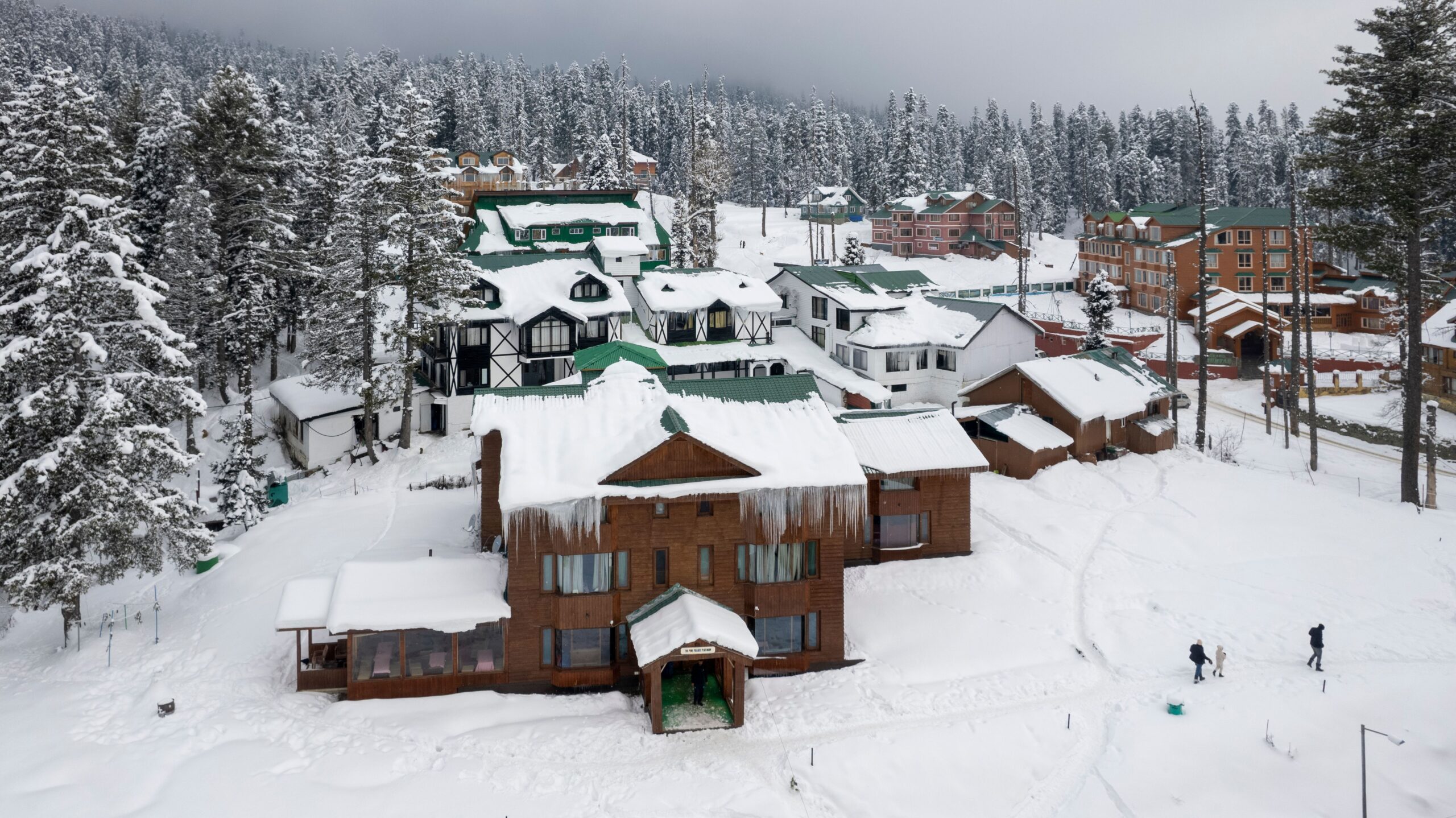
If you are trying to understand the best heli ski spots Gulmarg, the real answer is simple. All major heli skiing in Gulmarg happens in a tight cluster of high-altitude zones around the Apharwat mountain system.
These include Apharwat Peak, Mary’s Shoulder, Pinnacle Peak, and on some rare weather days, Sunshine Mountain and nearby alpine bowls.
But here is what most travellers miss. You do not choose these spots like a menu. You are assigned zones based on snow, weather, safety, and group skill. Still, knowing each location helps you understand what your guide is offering you that day.
If you are new to the region, it also helps to first understand the broader skiing landscape in Gulmarg on the main hub page of Gulmarg Skiing before diving into heli terrain. Let’s break it in a practical way so you actually know what you are stepping into.

Best Heli Ski Spots Gulmarg: The Real Zone Map
The main gulmarg heli skiing locations apharwat pinnacle peak system sits between 3,800 metres and 4,300+ metres above sea level. This is where helicopter drops happen when conditions are clear.
The four commonly used heli skiing zones are:
- Apharwat Peak zone
- Mary’s Shoulder
- Pinnacle Peak
- Sunshine Mountain (advanced heli-only zone in good weather)
Each zone sits in the same mountain system but gives a different skiing experience based on slope angle, snow exposure, and altitude.
Before you even reach these zones, your overall trip timing matters a lot. Snow conditions vary heavily through the season, which is why many skiers first check the Gulmarg skiing season guide before booking heli days. Now let’s understand each zone one by one in a realistic, guide-based way.
Apharwat Peak Zone: The Core Heli Ski Area
Apharwat Peak is the most frequently used heli skiing region in Gulmarg. It lies around 4,200 metres altitude and forms the backbone of most helicopter skiing operations.
This zone is popular because it offers stable access and wide alpine terrain. The runs from here typically descend towards the Gulmarg valley at around 2,600 metres, giving long vertical skiing lines.
If you are trying to visualise how big this system really is, it connects closely with the Gulmarg Phase 1 vs Phase 2 terrain system, where Phase 2 sits just below these heli zones but still shares similar alpine conditions.
What makes Apharwat important:
- Reliable heli access in most weather windows
- High alpine bowls and open mountain terrain
- Long vertical descent potential (~1,500–1,700m runs)
- Most frequently used primary drop zone
Mary’s Shoulder: Balanced and Often Used for Safety
Mary’s Shoulder sits slightly below higher alpine zones and is often used when weather conditions are not fully stable at higher peaks. It is one of the most practical best heli ski spots Gulmarg because it gives good snow while staying relatively safer than exposed ridge zones. Altitude generally sits between 3,900–4,100 metres.
This zone is also closely related to nearby beginner-accessible learning areas, which connect with the Is Gulmarg good for beginners guide for understanding how terrain changes across skill levels.
Why Mary’s Shoulder is used:
- More predictable snow conditions
- Lower wind exposure than ridge-heavy areas
- Works well for mixed skill groups
- Backup zone when higher peaks close
Mary’s Shoulder is less about extreme exposure and more about consistency. It is often the “safe decision” zone guides rely on when the mountain gets unpredictable.
Pinnacle Peak: Technical and Exposed Terrain
Pinnacle Peak is a more technical heli skiing zone in Gulmarg. It is used when guides want steeper terrain and when conditions allow safe access. This zone sits in the higher Apharwat system and includes sharper ridges and more defined slope transitions. It is not a resort-style slope and should never be treated like one.
For skiers who want to understand slope difficulty better, this zone is often compared with off-piste learning routes described in the off-piste skiing in Gulmarg guide.
Why skiers notice Pinnacle:
- Steeper slope angles than Mary’s Shoulder
- More exposed alpine ridge terrain
- Requires strong intermediate to advanced ability
- Used selectively based on snow stability
This is where technique matters more than speed. One clean descent line often feels more rewarding than multiple rushed runs.
Sunshine Mountain: The True Heli-Only Experience
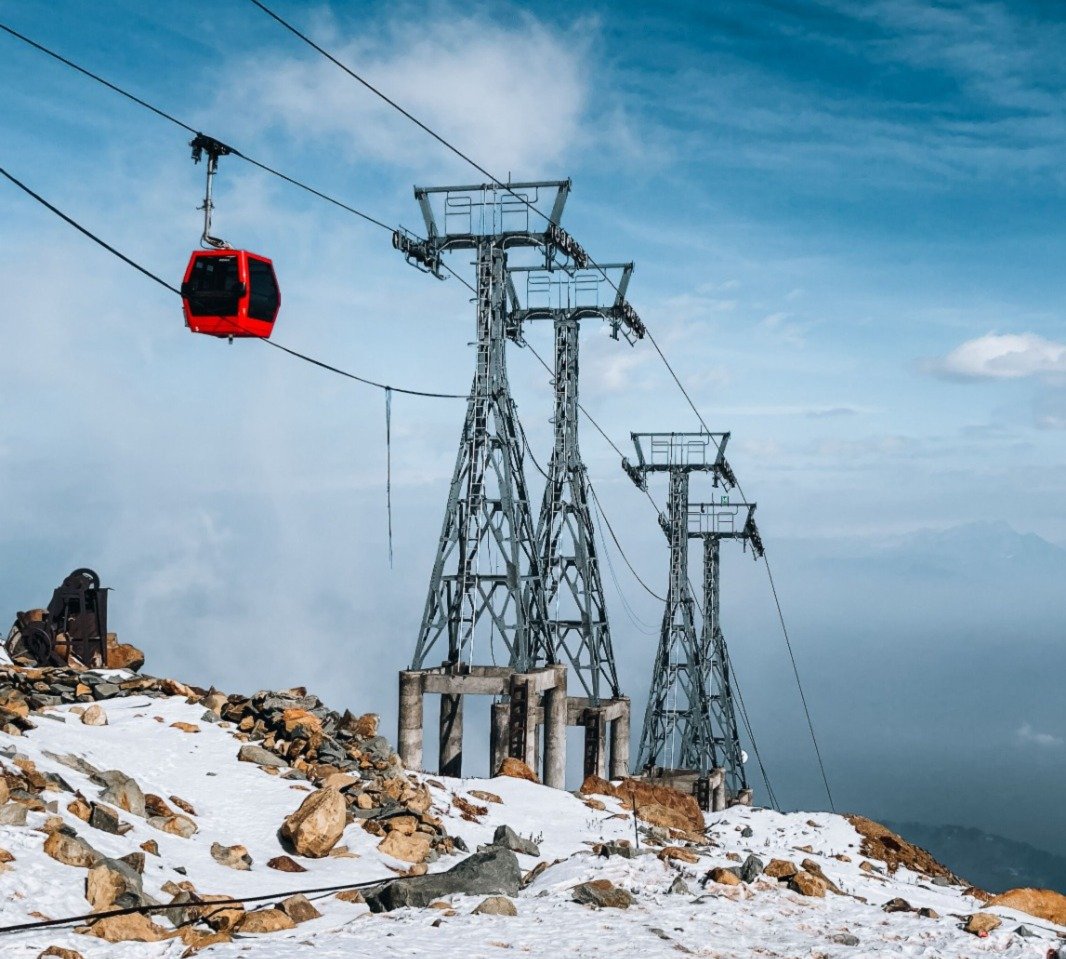
Sunshine Mountain is one of the most exclusive heli skiing zones near Gulmarg, sitting at around 4,300 metres altitude. This is important because it is only accessible by helicopter. No gondola, no ski lift, nothing else reaches here. It connects conceptually with the highest skiing access points described in the Gulmarg Phase 2 height overview.
This area is known for:
- Fresh, untouched alpine snow
- Long continuous descent routes
- High-altitude powder conditions
- Limited access depending on weather windows
Snow here is part of what skiers call “Gulmarg powder”, often compared with international conditions explained in snow quality in Gulmarg vs Alps comparison. Sunshine Mountain is not used every day. It depends heavily on wind stability and visibility.
How These Heli Ski Zones Are Actually Chosen
Even though we are discussing best heli ski spots Gulmarg, the truth is that skiers do not select zones directly. Guides make that decision daily.
This is how it works:
- Wind speed at ridge level
- Snow stability and avalanche risk
- Visibility above 3,800 metres
- Group skiing ability
- Helicopter safety windows
If you are planning your trip logistics, booking flow and access timing are explained in detail on the Gulmarg heli skiing page, which helps you understand how these decisions are coordinated. So the real purpose of knowing these zones is not to choose, but to understand what your guide is assigning you.
Vertical Drop Reality in Gulmarg
One of the biggest strengths of heli skiing here is vertical descent. Most runs start above 4,000 metres and end near 2,600 metres in Gulmarg valley.
That means:
- Average heli ski run: ~1,500 to 1,700 metres vertical drop
- Multiple long descents possible in a single day
- Snow quality changes as altitude drops
To understand how this compares with other ski experiences in India, you can also explore the Gulmarg skiing area overview which maps how terrain flows across the valley.
Important Safety Reality You Should Know
Gulmarg is not a controlled ski resort. It is natural mountain terrain.
Even in heli skiing zones, there is:
- Limited avalanche control infrastructure
- Rapid weather changes at high altitude
- No fixed ski trails or marked routes
- Full dependency on guide decisions
This is why many travellers first explore how to learn skiing in Gulmarg before attempting heli skiing, just to build basic mountain awareness. Respect for conditions matters more than confidence here.
Where These Heli Ski Zones Start From
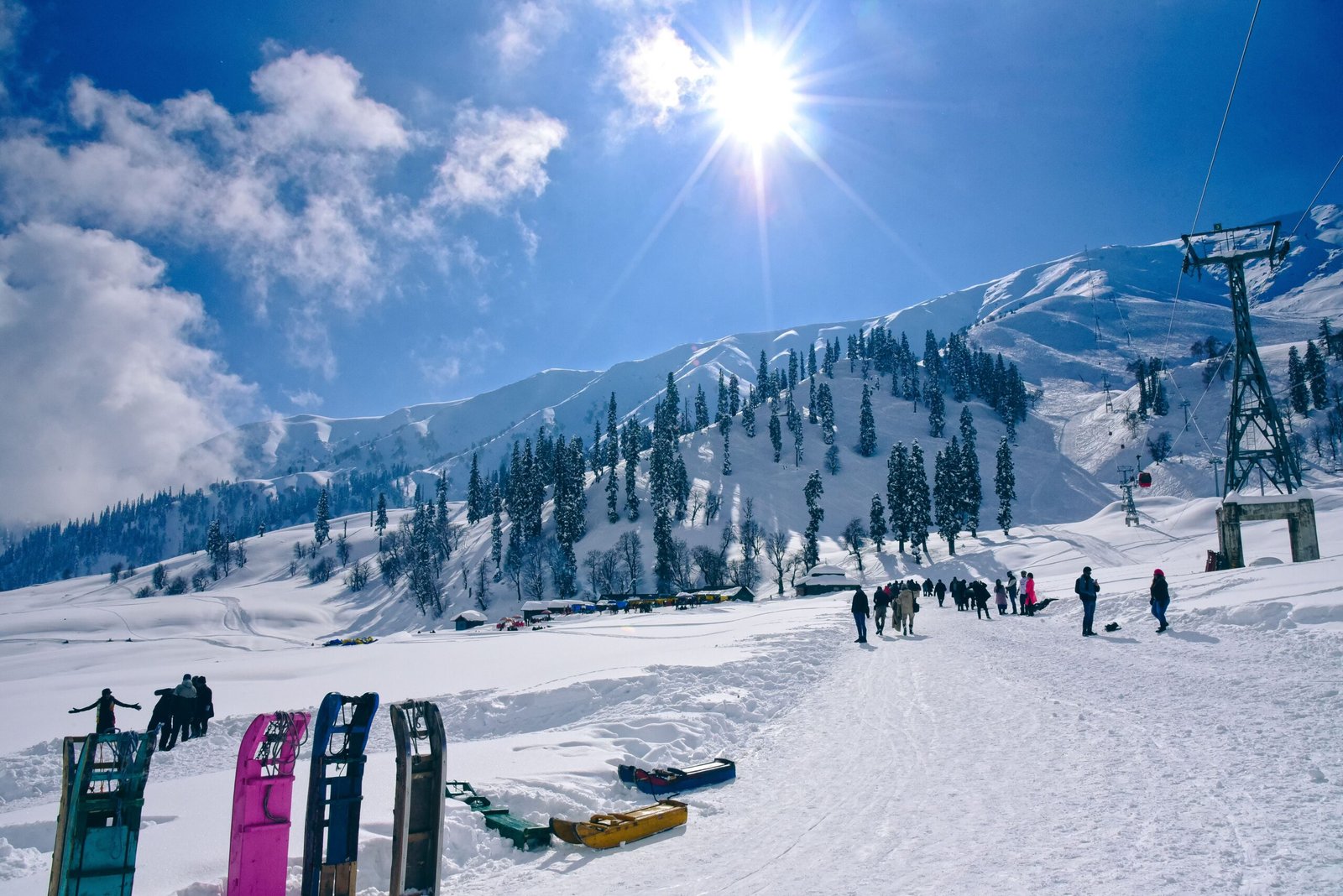
All heli skiing operations in Gulmarg begin from a designated helipad near the main market area, a short distance from the gondola base. From there, skiers are flown into Apharwat system zones depending on daily conditions.
If you are planning logistics like reaching Gulmarg or stay options, these guides help:
Booking is always done in advance through certified operators, and group allocation is decided before takeoff.

Conclusion
If you strip away all technical terms, the gulmarg heli skiing locations apharwat pinnacle peak system is really about one thing. It is about matching mountain conditions with skier ability on that specific day.
Apharwat gives scale and consistency.
Mary’s Shoulder gives balance and safety margins.
Pinnacle gives technical challenge.
Sunshine Mountain gives pure heli-only alpine skiing.
And together, they form one of the most dynamic heli skiing systems in the Himalayas. Because in Gulmarg, the mountain does not follow your plan. You follow its permission. And that is exactly what makes every run feel slightly different from the last.