Beigh Sabeela

Monkey Hill Skiing Slope in Gulmarg

Ski School in Gulmarg: IISM, JIMS, Private Instructors & Tour Operators

If you want to learn skiing in Gulmarg, join IISM or JIMS for structured training, hire a private instructor for faster learning, or choose a ski package if you want everything arranged for you. Most beginners ask the same question. Which ski school should I choose? The answer depends on three things. Your budget. Your time. Your learning style. A student staying for two weeks will make a different choice from a family visiting for four days. Someone who wants proper ski training will have different needs from someone who simply wants to enjoy snow for a few days. If you are completely new to the sport, our guide on how to learn skiing in Gulmarg can help you understand the learning process before booking lessons. Before booking anything, it helps to understand how each option works. Ski School Gulmarg: Quick Comparison Option Best For Duration Cost Range IISM Serious beginners 1–2 weeks Budget-friendly JIMS Beginners and returning skiers 1–2 weeks Budget-friendly Private Instructor Fast learning Daily lessons Higher cost Ski Package Convenience Flexible Varies For most travellers, there is no single best choice. The right choice depends on what kind of trip you want. IISM Gulmarg Ski School IISM stands for the Indian Institute of Skiing and Mountaineering. It is one of India’s oldest skiing institutes. The institute has been training skiers in Gulmarg for decades. Many people searching for a ski school in Gulmarg start their research here. IISM follows a structured training system. You do not simply turn up and ski. Students follow a planned course. Skills are taught in stages. Progress is measured throughout the programme. Most courses include: Ski training Accommodation Meals Basic ski equipment Instructor support This makes IISM a good choice for people who want proper training rather than a casual ski holiday. One thing to know is that popular batches can fill quickly. If you plan to join, check registration dates well before the Gulmarg skiing season begins. JIMS Ski School Gulmarg JIMS stands for the Jawahar Institute of Mountaineering and Winter Sports. Many visitors know about IISM. Fewer people know about JIMS. That is surprising because JIMS is also a respected government-run institute. The training style is similar in many ways. Students learn through structured courses. Training takes place over several days. Beginners and intermediate skiers both join these programmes. If IISM is fully booked, JIMS is often the next place people look. For many learners, either institute can be a good choice. Many students also compare Gulmarg vs Auli skiing before making a final decision. Basic, Intermediate and Advanced Courses Most formal ski schools in Gulmarg follow a progression system. You start with the Basic Course. This course teaches balance, stopping, turning, and slope safety. Most students have never skied before. That is completely normal. After completing the basic level, some students move to Intermediate training. This level focuses on better control and more challenging slopes. Advanced courses come later. These programmes are designed for experienced skiers who want to improve their technique further. For most tourists, the basic course is enough. It gives you the skills needed to enjoy beginner slopes with confidence. That is why many first-time visitors start with our guide for beginners before choosing a course. Private Skiing Lessons in Gulmarg Private lessons are now very popular in Gulmarg. Most visitors stay for only a few days. They want to learn quickly. They do not want to wait for a group lesson. That is where a private instructor helps.The instructor works only with you or your group. Every correction is personal. Every lesson moves at your pace. Private instruction works well for: Families with children Couples Nervous beginners Short trips Intermediate skiers Many people learn faster through private coaching. The trade-off is cost. Many travellers first ask whether Gulmarg is good for beginners before investing in lessons. How Much Does a Private Ski Instructor Cost? Prices change from season to season. Most private instructors charge several thousand rupees per day. The final cost depends on experience, lesson length, and demand. Group lessons are cheaper. Private lessons are more expensive. The decision often comes down to time. If you only have three or four days in Gulmarg, private coaching may be worth the extra money. Ski Tour Operators in Gulmarg Some people do not want to organise everything themselves. They want accommodation. Equipment. Lessons. Transport. Local support. This is where ski tour operators help. Most operators offer complete packages. You pay one price and most arrangements are handled for you. This approach suits first-time visitors. You spend less time planning and more time skiing. Most operators can also advise on how to reach Gulmarg for skiing if this is your first visit. Before booking, always check what is included. Two packages may look similar online but offer very different levels of service. How Much Does It Cost to Learn Skiing in Gulmarg? Your final budget depends on more than lessons. Equipment rental, accommodation, food, gondola tickets, and transport all add to the cost. For a detailed breakdown, see our guide to Gulmarg skiing prices. Here are some rough ranges: Item Approximate Cost Group lesson ₹1,500–₹3,000 per day Private instructor ₹4,000–₹8,000+ per day Equipment rental ₹800–₹2,000 per day Ski package Depends on inclusions Government-run courses often provide the best value for longer stays. Private instruction usually offers the fastest learning. Where Do Beginners Ski in Gulmarg? Many first-time visitors think they will start on the famous upper slopes. That rarely happens. Most beginners learn on gentle terrain within the lower Gulmarg ski area. These slopes are safer and easier to manage. Instructors focus on the basics first. Students learn how to stop. Then they learn how to turn. Speed control comes next. Only after building confidence do skiers move to more challenging terrain. Many eventually progress towards slopes accessed through the gondola, making it useful to understand Gulmarg Phase 1 vs Phase 2. This gradual approach helps most people learn faster. Advanced skiers often spend more time

Ski School in Gulmarg: IISM, JIMS, Private Instructors & Tour Operators Read More »

gondola ride gulmarg booking

Gulmarg Gondola Reviews: What Skiers Actually Say

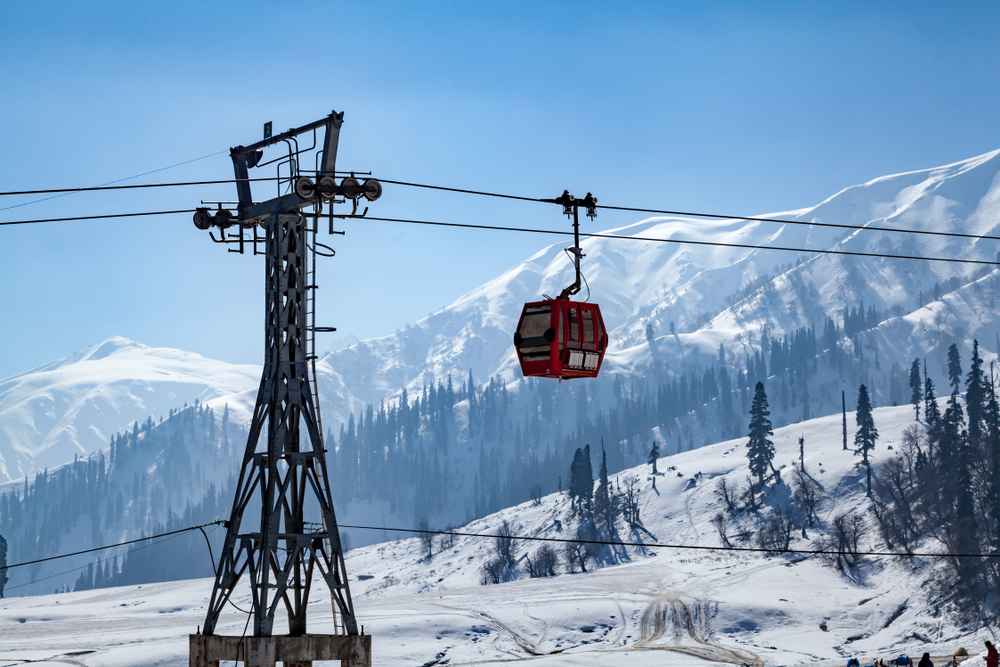
Most Gulmarg Gondola reviews are positive. People love the views. They love the snow. Many say the ride was the best part of their Kashmir trip. That does not mean every review is perfect. Some visitors talk about long queues. Others mention bad weather. A few complain about costly snow activities. Yet most agree on one thing. The gondola is worth doing. If you plan to visit Gulmarg, it helps to know what real visitors say. The good reviews tell part of the story. The bad reviews help set the right expectations. You can also find more Gulmarg travel and skiing resources on skiingingulmarg. Why People Love the Gulmarg Gondola The views get the most praise. The ride starts near Gulmarg. Trees cover the lower slopes. As the gondola climbs, the views open up. Soon, snow-covered peaks fill the skyline. Many visitors expect a simple cable car ride. Most get much more than that. The ride feels like an attraction on its own. Families enjoy the scenery. Couples stop for photos. Skiers use the gondola to reach higher slopes. The appeal is broad. That is one reason the gondola stays busy. If you are planning your visit, it helps to understand the official booking process and tips for the Gulmarg Gondola and book in advance during peak periods. Phase 1 vs Phase 2 Many visitors ask the same question. Should you stop at Phase 1? Or should you continue to Phase 2? The answer depends on what you want from the day. Feature Phase 1 Phase 2 Best For Families and sightseeing Skiers and snow lovers Height Around 8,500 ft Above 13,500 ft Walking Easy Harder Snow Seasonal Better in winter Views Great Even better Phase 1 works well for many visitors. The views are lovely. Walking is easy. Families often stop here and feel happy with the trip.  Phase 2 offers more. The ride goes higher. The mountains feel bigger. Snow lasts longer. Most skiers prefer this section. On a clear day, many visitors feel Phase 2 is the highlight. If you are unsure which section suits you, read this detailed comparison of Gulmarg Phase 1 vs Phase 2. Visitors heading to the upper station may also find this Gulmarg Phase 2 guide useful. What Skiers Say Skiers often praise the same things. First, the gondola saves time. It takes riders high into the mountains. That means less climbing and more skiing. Second, snow stays longer on the upper slopes. This matters late in the season. The famous snow quality in Gulmarg is one reason experienced skiers return year after year. Third, the views are stunning. Even skilled skiers talk about them. The scenery leaves a strong impression. Visitors learning the sport often combine the gondola experience with ski lessons. If that sounds like you, see how to learn skiing in Gulmarg and this honest guide on whether Gulmarg is good for beginners. The Most Common Complaints No attraction gets perfect reviews. The most common complaints involve planning issues. Visitors often mention: Long queues during busy periods. Weather closures. High rental prices. Costly snow activities. Pushy sales pitches. Taxi commission games. These issues can be annoying. Still, they do not change the mountain views. They do not change the ride itself. Many complaints about costs come from visitors who arrive without researching Gulmarg skiing prices, ski rental options, or current gondola ticket prices for Phase 1 and Phase 2. The Best Time to Visit The season makes a big difference. Winter (December to February) This is peak season. Fresh snow covers the slopes. Skiers arrive from across India. The scenery looks magical. Crowds are also at their highest. If you are planning a winter trip, check our guides for December, January, and February conditions. Spring (March to April) Many travellers like spring. Snow remains on higher slopes. The weather feels milder. Crowds start to drop. March can be particularly rewarding for skiers looking for fewer crowds. Learn more about skiing conditions in March. Summer (May to June) Summer looks very different.* Green meadows replace much of the snow below. The views stay beautiful. Still, some visitors expect more snow than they find. For a warmer-season experience, see what to expect from the Gulmarg Gondola in summer. Monsoon (July to September) Clouds can hide the views. Weather delays become more common. Conditions can change fast. Autumn (October to November) This season feels calm. Crowds are smaller. The air feels crisp. Snow usually arrives later. If your dates are flexible, this guide to the best time to visit Gulmarg can help you decide. A Word About Altitude Phase 2 sits high in the mountains. Some visitors feel short of breath. Others get a mild headache. A few feel dizzy. Most people feel better after resting. Drink water. Walk slowly. Take breaks when needed. These simple steps help a lot. Before visiting, it is worth understanding Gulmarg’s altitude and its effects, especially if you plan to spend time at higher elevations. Tips From Visitor Reviews Many reviews share similar advice. Reach early in the morning. Check the weather first. Wear good shoes. Carry sunglasses. Book tickets ahead of time. Keep one spare day if possible. Small steps often lead to a much better experience. Travellers arriving from outside Kashmir should also read how to reach Gulmarg for skiing and explore available stay options in Gulmarg before finalizing their itinerary. Frequently Asked Questions Is the Gulmarg Gondola worth it? Yes. Most visitors rate it as a must-do attraction. Can non-skiers ride the gondola? Yes. Many visitors come only for the views. Is Phase 2 worth it? Most visitors think so. The views are better and the snow lasts longer. What if the weather turns bad? The gondola may stop for safety reasons. That is why flexible plans help. Is it suitable for children? Yes. Families visit throughout the year. Many find Phase 1 easier for young children. After reading many Gulmarg Gondola reviews, one thing stands out. Visitors rarely regret taking the

Gulmarg Gondola Reviews: What Skiers Actually Say Read More »

Gulmarg Phase 2

Gulmarg Phase 2 Height: Altitude in Feet & What to Expect at the Top

Gulmarg Phase 2 height is generally quoted between 13,000 and 13,800 feet above sea level, depending on whether a source refers to the Gondola’s upper station or the surrounding slopes near Apharwat Peak. For most visitors, it means reaching an altitude of roughly 4,000 to 4,200 metres within a matter of minutes. That number sounds impressive on paper. The real surprise comes when you step out of the gondola and realise how different the mountain feels at that height. The air is thinner, the views stretch endlessly across the Pir Panjal Range, and even a short walk in the snow can leave first-time visitors slightly breathless. If you’re planning a trip to Gulmarg, understanding the height of Gulmarg Phase 2 helps you prepare better and enjoy the experience rather than being caught off guard by the altitude. You can also understand the region better through Gulmarg altitude. Quick Facts About Gulmarg Phase 2 Height Before we get into the details, here are the key facts most visitors want to know.  Gulmarg town altitudeApprox. 8,694 feet (2,650 m)Kongdoori (Phase 1)Approx. 10,500 feet (3,200 m)Gulmarg Phase 2 AltitudeApprox. 13,000–13,800 feet (4,000–4,200 m)Apharwat Peak SummitApprox. 14,400 feet (4,390 m)Gondola Ride DurationAround 12–15 minutes from KongdooriMain AttractionApharwat slopes, snowfields, mountain views What Does Gulmarg Phase 2 Feel Like? Most people expect snow and cold weather. Fewer people think about the effect of altitude.The jump from Gulmarg town to Phase 2 happens quickly. Your body gets very little time to adjust. As a result, many visitors notice the altitude within minutes of arriving.   You may experience:Mild breathlessness while walkingFaster breathing than usualDry lips or throatLight fatigueA mild headache in some cases For most healthy visitors, these symptoms remain minor and disappear after resting, drinking water, and avoiding unnecessary exertion. The experience is usually more noticeable for tourists arriving directly from cities at low elevations.  Someone visiting from Mumbai, Chennai, Kolkata, or Bengaluru often feels the altitude more than someone who regularly spends time in mountain regions. If you’re new to the region, this guide helps: Is Gulmarg good for beginners. Is Gulmarg Phase 2 Safe for Families and Elderly Visitors? This is one of the most common concerns. The good news is that thousands of families visit Phase 2 every year. Children, senior citizens, honeymoon couples, and casual tourists regularly take the gondola to enjoy the views. The altitude itself is not dangerous for most healthy travellers. The main issue is that some people feel tired more quickly than expected.If you’re travelling with elderly family members, encourage them to walk slowly and avoid rushing across snowy terrain.  A relaxed pace usually makes a big difference.People with serious heart conditions, severe asthma, or respiratory illnesses should consult their doctor before travelling. You can also check travel access through How to reach Gulmarg for skiing. Why Skiers Notice the Height More Than Tourists While the keyword is not just for skiers, skiing does change the experience. A tourist may spend most of the visit taking photographs and enjoying the scenery. A skier is constantly moving, turning, climbing, and recovering after falls. At nearly 14,000 feet, physical activity feels harder than it does at sea level. Even experienced skiers often find their first few runs more tiring than expected. That doesn’t mean the slopes are unusually difficult.  It simply means your body is working with less oxygen. You can explore terrain details here: Gulmarg ski area. Temperature at Gulmarg Phase 2 The weather at Phase 2 often surprises visitors. Conditions at the top can feel dramatically colder than in Gulmarg town. Wind chill plays a major role, especially during winter. Here’s a general idea:SeasonTypical Temperature RangeWinter (Dec–Feb)-10°C to -20°CEarly Spring (Mar–Apr)-5°C to 5°CSummer (May–Aug)5°C to 15°CAutumn (Sep–Nov)0°C to 10°C Mountain weather changes quickly. A sunny morning can become foggy or snowy within a short time. This is why local guides always recommend carrying one extra warm layer than you think you’ll need. Seasonal planning also helps — check Best time to visit Gulmarg. What Can You See From Gulmarg Phase 2? For many visitors, the scenery becomes the highlight of the trip. On a clear day, the upper station offers sweeping views of the Pir Panjal Range. Vast snowfields stretch across the mountains during winter, creating one of the most dramatic landscapes in Kashmir. You may also spot:Apharwat PeakAlpathar Lake area during the warmer monthsSnow-covered valleysLong stretches of ski terrainSections near the Line of Control in the distance on exceptionally clear daysMany travellers arrive expecting a quick gondola ride and end up spending much longer simply taking in the views. How to Prepare for the Gulmarg Phase 2 Altitude The best preparation is surprisingly simple. Your body handles altitude better when you are rested, hydrated, and not rushing. Before heading to Phase 2:Drink enough water throughout the day.Avoid excessive alcohol the night before.Carry sunglasses because snow glare can be intense.Wear layers instead of a single heavy jacket.Walk slowly after reaching the top.Give yourself a few minutes to adjust before exploring. These small steps often make the difference between feeling uncomfortable and enjoying the experience. You can also plan your ride using Gulmarg Gondola booking guide. Is Gulmarg Phase 2 Worth Visiting? Absolutely. Even visitors with no interest in skiing often describe Phase 2 as one of the highlights of their Kashmir trip. The combination of altitude, snow, dramatic landscapes, and easy accessibility makes it unique. Very few places in India allow you to reach nearly 14,000 feet without a demanding trek. That’s what makes the experience special. Within minutes, you move from the meadows of Gulmarg to a high-altitude alpine world that feels completely different. You can explore more at skiingingulmarg. FAQs 1. What is the exact height of Gulmarg Phase 2? Most sources place the upper station between 13,000 and 13,800 feet above sea level. The variation comes from different reference points being used. 2. What is the height of Gulmarg Phase 2 in metres? The altitude is generally considered to be around 4,000 to 4,200

Gulmarg Phase 2 Height: Altitude in Feet & What to Expect at the Top Read More »

Skiing in Gulmarg in March

Gulmarg Skiing Season Called Off: What Happens & Why

The Gulmarg skiing season called off announcement means skiing has stopped due to safety concerns or the end of the snow season. If you already have a trip booked, do not assume your holiday is ruined. Most people react the same way. The flights are booked. The hotel is paid for. The ski lessons are confirmed. Then news of a closure appears online. That can feel frustrating. The good news is that a skiing closure does not always mean Gulmarg shuts down. In many cases, only skiing activities stop. The rest of the destination remains open. Visitors who regularly follow updates on skiing in gulmarg know that skiing closures and destination closures are not always the same thing. Before making any changes to your plans, it helps to understand what actually happened Why Was the Gulmarg Skiing Season Called Off? There are usually two reasons. The first is simple. Winter is ending. Snow starts melting. Ski runs lose depth. The season comes to a natural close. If you look at historical Gulmarg skiing season opening and closing dates, closing periods often depend on snow conditions rather than a fixed calendar date. The second reason is avalanche danger. Fresh snow can create unstable layers on the mountain. Strong winds can make the situation worse. When the risk becomes too high, authorities stop skiing activities. This can happen even during peak winter. That surprises many visitors. They see fresh snow and assume conditions are perfect. The mountain does not always work that way. Understanding the actual snow quality in Gulmarg often gives a clearer picture. Who Decides When Skiing Stops? Many visitors think ski schools make the decision. They do not. Skiing operations in Gulmarg are monitored by the J&K Tourism Department and mountain safety teams. Snow conditions are checked throughout the season. If the slopes become unsafe, skiing may be suspended. A snow safety team plays a key role. Their job is to assess the mountain and identify risks. If avalanche danger rises, access to ski areas may be restricted. Safety comes first. Nobody wants a closure. Yet nobody wants an accident either. What Areas Are Usually Affected? Not every closure affects the entire mountain. That is important to know. Most skiing takes place around Kangdori and Mount Apharwat. These are the most popular sections of the Gulmarg ski area. They also sit at higher elevations. Higher slopes face greater risk. Because of that, restrictions often start there first. Sometimes Phase 2 of the Gulmarg Gondola closes while lower areas remain open. In other cases, both sections face restrictions. Visitors unfamiliar with the terrain can read this detailed Gulmarg Phase 2 guide. Each situation is different. The decision depends on current mountain conditions. Is Your Gulmarg Trip Still Worth Taking? For many people, yes. A skiing closure affects skiing first. It does not automatically affect everything else. Hotels remain open. Restaurants continue serving guests. Local taxis still operate. Many sightseeing activities continue as normal. If you still need accommodation, these stay options in Gulmarg may help. The snow does not disappear. Neither do the views. Anyone who has seen Gulmarg after fresh snowfall knows what that looks like. Pine trees turn white. Meadows vanish beneath snow. The entire landscape changes. That alone attracts thousands of visitors each year. Many travellers comparing Gulmarg vs Auli skiing still choose Gulmarg for the mountain atmosphere alone. Should You Cancel Your Booking? Do not rush that decision. Start by finding out what type of closure has been announced. A seasonal closure usually lasts until the next winter. A weather-related closure may last only a few days. That difference matters. Before cancelling anything, contact your hotel, guide, ski school, or tour operator. They usually have the latest local information. Ask a few simple questions: Is the closure temporary? Is the Gondola still running? Are lower slopes still open? Can bookings be moved? Are refunds available? Those answers will make the decision much easier. If you are planning another trip, compare snow conditions during December, January, February, and March. Is the Gulmarg Gondola Also Closed? Not always. Many people assume skiing and Gondola operations are linked. They are not necessarily the same thing. The Gulmarg Gondola has two main phases. Weather conditions decide whether they operate. Strong winds, poor visibility, or safety concerns can affect services. Sometimes the Gondola runs even when skiing is restricted. Sometimes both are affected. Always check the latest updates before travelling. Review current Gondola ride prices, the official Gulmarg Gondola online booking process, and the latest Gondola booking guide. Gulmarg Ski Season Called off Avalanche Risk Explained The phrase Gulmarg ski season called off avalanche usually refers to a safety closure caused by unstable snow. Fresh snow often looks harmless. The danger sits below the surface. New snow can rest on weaker layers. Under the wrong conditions, that snow can slide. That is an avalanche. This is why sunny weather can be misleading. A clear sky does not remove avalanche risk. Mountain teams look at the snow itself, not just the weather outside. That is a key difference. Altitude also plays a role. Learning more about Gulmarg’s altitude helps visitors understand why conditions can change quickly. What Can You Still Do in Gulmarg? Quite a lot, many visitors discover this only after arriving. Even without skiing, Gulmarg remains one of India’s best winter destinations. Snow covers the landscape for months. The scenery alone is worth the journey. That is why it consistently ranks among the best places to ski in India. Popular options include: Gondola rides Snow walks Photography Visiting viewpoints Exploring nearby villages Trying Kashmiri food Family snow activities Children usually love it. Most care more about snow than ski runs. Visitors new to snow sports can also learn whether Gulmarg is good for beginners or explore dedicated resources for beginners. When Will Skiing Start Again? There is no fixed date. If the season has officially ended, skiing returns with the next winter. If the closure relates to weather or

Gulmarg Skiing Season Called Off: What Happens & Why Read More »

Skiing In Gulmarg

How to Learn Skiing in Gulmarg: Beginner’s Complete Guide

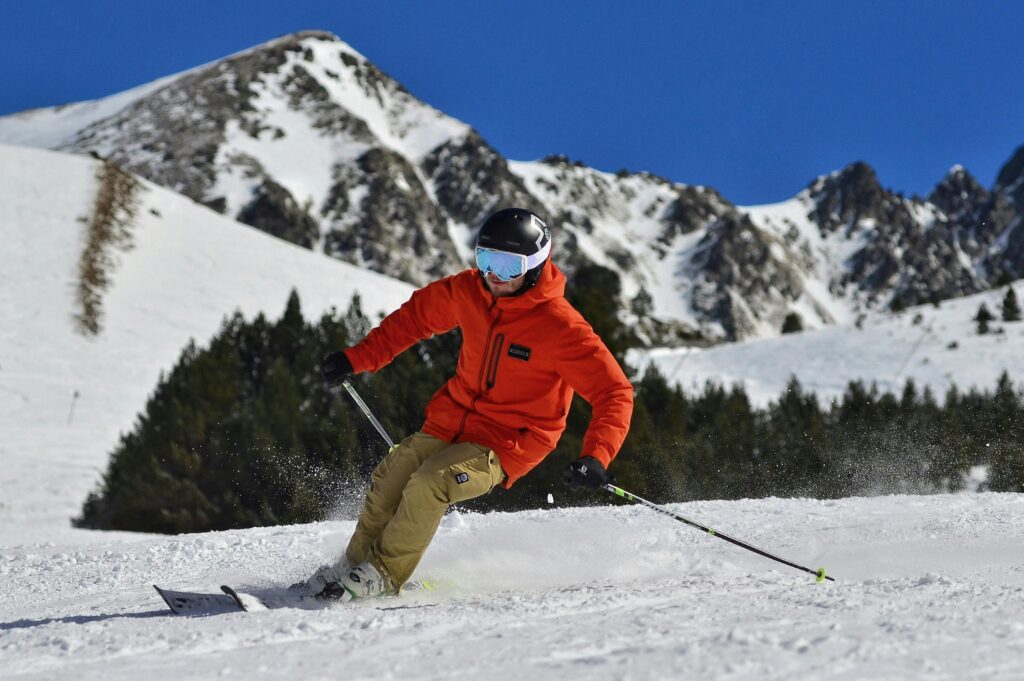
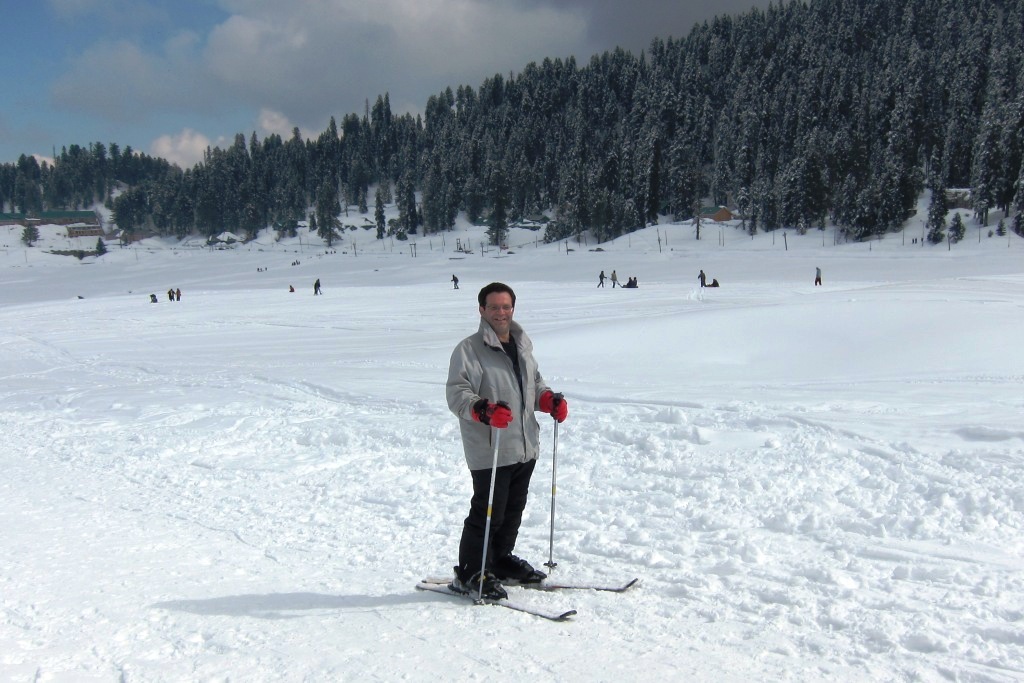
If you want to learn skiing in Gulmarg India, the honest truth is simple. Gulmarg is one of the easiest and most beginner-friendly ski destinations in the country. But it only feels easy when you start the right way. Most people don’t struggle because skiing is hard. They struggle because they rush into it without understanding snow, balance, or altitude. Once you fix that, the learning curve becomes surprisingly smooth. Let’s break it down like someone actually sitting with you before your first ski lesson. Why is the best place to learn skiing in Gulmarg India Gulmarg works so well for beginners because the snow here is soft, stable, and consistent during peak winter months. From December to March, conditions are ideal for learning basic ski control. The ski terrain is naturally divided, which helps beginners stay in safer zones without accidentally moving into steep slopes. There is also something important most people miss. The visibility here is wide and open. You can actually see your movement and correct mistakes faster compared to crowded ski resorts. And yes, falling still happens. But here, it feels less intimidating. First reality check before beginner ski lessons Gulmarg Before you even start beginner ski lessons Gulmarg, understand one thing clearly. Skiing is not about control on day one. It is about learning how to fall, balance, and slowly trust the snow. Most instructors start you with very basic drills: Standing balance on skis Walking on flat snow Small sliding movements How to stop safely If you are expecting to ski down slopes in the first hour, you will be disappointed. But if you expect awkward movements and small wins, you will actually enjoy it. This is also where your instructor matters the most. Choosing the right ski school or instructor Gulmarg has a mix of government institutions, ski schools, and independent instructors. Your experience depends heavily on who teaches you. The most important institution here is the Indian Institute of Skiing and Mountaineering (IISM), Gulmarg. It is a government-run institute that conducts structured beginner to advanced skiing courses every winter season, usually from December to March. Courses here are systematic, affordable, and widely trusted by first-timers. Apart from IISM, you also have private ski schools like: Gulmarg Ski School High Altitude Ski School Kashmir Ski School These schools offer flexible beginner ski lessons Gulmarg, including group and private sessions. A good instructor will never rush you. They will repeat basics until your body naturally adjusts. How much does it cost to learn skiing in Gulmarg This is where most beginners get confused, so let’s keep it real and simple. Typical costs look like this: Group ski lessons: ₹1,500 – ₹2,500 per day Private instructor: ₹3,500 – ₹5,000 per day Full beginner ski package (5–7 days): ₹10,000 – ₹25,000+ Premium guided packages with stay: ₹35,000 – ₹60,000+ Gear rental is separate: Skis + boots: ₹500 – ₹1,500 per day Ski jacket + pants: ₹500 – ₹1,000 per day Helmet + goggles: ₹300 – ₹500 per day So when people say skiing is “cheap in Gulmarg,” they usually mean basic learning, not full packaged experiences. What skiing actually feels like for beginners The first day is always a mix of confusion and excitement. Your legs feel unstable, your brain overthinks every movement, and even small slopes feel like challenges. But something changes around day two. You stop reacting and start adjusting. A typical learning flow looks like this: Day 1: balance training, walking on skis, frequent falls Day 2: short slides, learning controlled stops Day 3: gentle slope practice and basic turns Day 4: confidence building on slightly steeper snow Day 5: smoother runs with instructor supervision Nobody becomes perfect in five days. But most people start feeling comfortable enough to enjoy the sport. And that shift is what makes skiing addictive. Gear you actually need (don’t skip this) This part is not optional. Proper gear changes your entire experience. Here’s what you should have: Waterproof ski jacket and pants Thermal base layers Wool or synthetic ski socks Gloves (waterproof preferred) Helmet (mandatory for safety) Goggles for wind and glare Sunscreen and lip balm Many beginners ignore helmets and regret it later. Falls are normal in skiing. Protection is not optional. If you are renting gear, check fit carefully. Loose boots ruin balance completely. Altitude and safety basics you should know Gulmarg sits at around 8,500 feet, and ski areas go even higher. At this height, oxygen levels drop slightly. Most people feel fine, but beginners sometimes notice: Mild breathlessness Slight headache on first day Faster fatigue The key is simple. Go slow on day one. Drink water. Don’t push your body too hard immediately. If you want to understand terrain and slope zones better, the Gulmarg Ski Area overview gives a clearer idea of where beginners usually practice. Best time to learn skiing in Gulmarg Timing makes a huge difference. The best learning window is usually: January to February: best snow quality, stable conditions Late December: early season, sometimes uneven snow March: softer snow, easier falls but less consistency For seasonal planning, this guide on Best Time to Visit Gulmarg helps you align your trip with proper ski conditions. Good snow makes learning smooth. Bad snow makes it frustrating. That’s the real difference. Common mistakes beginners make Most learning problems come from avoidable mistakes: Leaning backward instead of forward Wearing cotton socks instead of ski socks Skipping warm-up before skiing Ignoring instructor corrections Trying advanced slopes too early Skiing rewards patience. It punishes rush decisions. And if you’re unsure whether skiing suits your level, this breakdown of Is Gulmarg Good for Beginners clears a lot of doubts. Conclusion Learning skiing in Gulmarg is not about becoming an expert quickly. It is about getting comfortable with imbalance, cold air, and slow progress. At first, snow feels unpredictable. Then it starts feeling responsive. And somewhere between those two moments, you stop thinking about falling and start enjoying movement. Maybe skiing was never about control in

How to Learn Skiing in Gulmarg: Beginner’s Complete Guide Read More »

gondola ride gulmarg booking

Gulmarg Gondola Tatkal Tickets: How to Get Last-Minute Slots

If you’re trying to figure out gulmarg gondola tatkal tickets, the simple truth is this — you can still get them at the last minute, but only if you understand the timing game. Most people miss out not because tickets don’t exist, but because they show up at the wrong time or expect a counter-style rush. The tatkal system for Gulmarg Gondola is not random anymore. It is a fixed online release system. If you treat it casually, you lose. If you treat it like a timed drop, you stand a real chance. Let’s walk through it properly so you don’t end up confused at the base station. Gulmarg gondola tatkal tickets: how the system actually works The tatkal system was introduced by JKCCC to help travellers get last-minute access when regular tickets are sold out. But it is fully digital now. Tickets are released only through the official booking portal: https://etickets.jammukashmircablecar.com The most important thing to know is timing. Tatkal opens at 5:00 PM sharp for next-day rides. Not in the morning. Not at counters. Only online. And the window is short. Sometimes just a few minutes depending on demand. If you’re still figuring out how the ride itself works, you can first understand the full experience in this detailed breakdown of the Gondola Ride Gulmarg Price and Phase 1 & Phase 2 Tickets. It helps you understand why Phase 2 fills up faster than Phase 1. Tatkal gondola gulmarg last minute booking timing and quotas Timing decides everything in tatkal gondola gulmarg last minute booking. At exactly 5:00 PM, next-day tatkal seats open. The system stays live only for a short burst — usually 3 to 8 minutes. After that, it shuts automatically when seats are filled. Here’s how the quota usually looks: Phase 1 (Gulmarg to Kongdoori): around 150 tatkal tickets Phase 2 (Kongdoori to Apharwat): around 100 tatkal tickets If you want to understand how the upper section behaves once you reach there, this guide on the Gulmarg Phase 2 Guide explains altitude, weather, and why tickets are so limited. People usually start refreshing their screens around 4:58 PM. It almost feels like a digital sprint. Gulmarg gondola urgent booking: price and real cost Let’s talk about money because gulmarg gondola urgent booking is where confusion usually starts. Tatkal pricing is slightly higher than normal tickets: Phase 1: approx ₹1,110 per person Phase 2: approx ₹1,310 per person A full ride across both phases usually comes to around ₹2,400+ per person. If you’re still planning your budget, the full breakdown is covered in detail here: Gulmarg Skiing Price 2026 Full Cost Breakdown. Even though it focuses on skiing, it gives you a clear sense of overall mountain expenses in peak season. No official agent is required. But during rush days, people sometimes use intermediaries because seats disappear quickly. Is it worth it? If you’re already in Gulmarg and missed regular tickets, yes. It still beats missing the ride completely. step-by-step: how to get gulmarg gondola tatkal tickets This is where most people go wrong, not because it’s complex, but because timing pressure messes them up. Here’s the real process: Log in to the official JKCCC site before 4:55 PM Keep passenger details and ID ready Ensure UPI or card is already active Refresh exactly at 5:00 PM Select Phase 1 or Phase 2 immediately Complete payment without delay Save confirmation instantly No counter visit. No morning queue. No offline trick works here. If you want a broader understanding of the booking ecosystem, this guide on Gulmarg Gondola Online Booking Process is useful before you even attempt tatkal. Why people fail at tatkal bookings Most failures are not about luck. They are about small mistakes that cost seconds. Common ones include: Logging in after 5:00 PM Slow internet during payment Switching devices mid-booking Not knowing Phase 2 sells out faster Waiting instead of clicking immediately It feels simple on paper. In reality, it moves fast. If you’re new to high-altitude travel and want to understand how terrain affects planning, check Is Gulmarg Good for Beginners — it gives you a clearer picture of how experience level impacts decision-making. What to do if tatkal tickets are sold out Sometimes even gulmarg gondola tatkal tickets disappear within minutes. If that happens, you still have options: Check early morning regular slots Shift your visit by one day if possible Ask hotel reception for last-minute cancellation updates Stick to Phase 1 if Phase 2 is unavailable No trick guarantees success here. It’s mostly timing and demand. For planning your full Kashmir adventure better, this resource on Best Time to Visit Gulmarg helps you avoid peak rush surprises. Important travel realities before booking Before you rely on gulmarg gondola urgent booking, understand how the system behaves. The ride has two phases: Phase 1 takes you from Gulmarg to KongdooriPhase 2 climbs further up to Apharwat Peak If you want to explore the terrain in detail, the Gulmarg Ski Area page gives a good sense of elevation zones and landscape changes. Altitude increases sharply as you go up. Some people feel mild breathlessness, especially in Phase 2. Nothing extreme, but noticeable. Weather also changes quickly. Even in summer, conditions at the top can feel very different from the base. FAQs Can I book tatkal tickets offline at the counter?No. Everything is online through the official portal. What time does tatkal booking open?Exactly at 5:00 PM for next-day rides. How long does the booking window stay open?Usually just a few minutes depending on demand. Can I book Phase 1 and Phase 2 together?Yes, if both quotas are available at that moment. Is tatkal guaranteed?No. It depends entirely on live availability and booking speed. Conclusion Getting gulmarg gondola tatkal tickets is less about planning and more about precision timing. You either catch that short window or you don’t. And once you understand that it’s a fast evening release system, not a casual booking flow, everything starts to make sense. The real question is not

Gulmarg Gondola Tatkal Tickets: How to Get Last-Minute Slots Read More »

gulmarg gondola in summer

Gulmarg Gondola in Summer: Is It Worth It Without Snow?

Yes, the gulmarg gondola in summer is still worth the money, even when there’s no thick snow waiting at the top. But the experience is different, and that difference is exactly what decides whether you’ll love it or feel underwhelmed. Some people expect a white wonderland in June or July. Then they reach and see green slopes instead. That’s where confusion starts. Snow or no snow is not the real question here. The real question is what you want from the mountains. Let’s break it down properly so you don’t regret the ticket later. Gulmarg gondola in summer: what you are actually paying for The Gulmarg Gondola is not just a ride. It’s one of the highest cable cars in the world and moves in two main phases. It starts from Gulmarg and climbs deep into the Pir Panjal range. If you’re planning a full trip around this region, it helps to understand how everything connects, and resources like skiingingulmarg give a wider picture of the destination. Ticket details (2025–26 season approx.): Phase 1 (Gulmarg to Kongdoori): ₹810 per person Phase 2 (Kongdoori to Apharwat): ₹1010 per person Full ride (both phases): around ₹1820 total Children below 3 years: usually free entry Tickets run on fixed time slots. You don’t just walk in and go. Time slots usually follow this pattern: 9:00 AM – 11:00 AM 11:15 AM – 1:15 PM 1:30 PM – 3:30 PM Miss your slot, and the ride is usually lost. Refunds are rare. That surprises many first-time visitors. And yes, this is where most planning mistakes happen. People arrive late thinking it’s flexible. It isn’t. For official booking flow, check Gulmarg Gondola online bookingFor price breakdown, see Gulmarg Gondola price 2026 Cable car gulmarg summer: what the ride feels like step by step The cable car gulmarg summer journey has two very different moods. Phase 1 feels calm and green. You float above pine forests and open meadows. No snow drama here. Just long slopes and quiet valleys. At Kongdoori, the air shifts slightly. Cooler. Wider views. Less noise. Then Phase 2 begins. This is where altitude becomes real. You climb toward Apharwat Peak at around 13,400 feet. Even in summer, small snow patches stay locked in shaded corners. Not huge fields, but enough to change the air on your face. A simple breakdown: Phase 1: forests, meadows, easy views Phase 2: high ridges, snow patches, cold wind Top: wide Himalayan view, silent horizon And yes, people go quiet up there. Even the loud ones. To understand the upper terrain better, explore Gulmarg Phase 2 guideYou can also see the terrain layout in Gulmarg ski area Gulmarg gondola off season reality: summer vs winter truth The gulmarg gondola off season debate is really about expectation mismatch. Winter brings thick snow, skiing, and that postcard look everyone imagines. Summer removes that layer completely. So what remains? Mountains. Pure and exposed. Summer shows structure. You see how steep the slopes actually are. You notice ridges snow normally hides. But here’s the honest split: If you want snow play → winter wins easily If you want visibility and calm views → summer feels better If you hate crowds → summer is easier One local guide once said something simple while standing at the top. “Snow decorates. Summer reveals.” That line fits perfectly here. For deeper seasonal planning, check best time to visit GulmargMonth-wise clarity is available in Gulmarg January snow guide and Gulmarg March conditions Altitude, weather, and safety you should know This part matters more than most visitors expect. Kongdoori (Phase 1): ~8,530 feet Apharwat Peak (Phase 2): ~13,400 feet At this height, oxygen drops. You feel it during fast movement or climbing. Basic reality checks: Short breath after quick movement is normal Mild headache can happen at higher altitude Cold wind hits even in June or July Weather can shift fast without warning If you have asthma, heart issues, or breathing sensitivity, get medical advice before heading to Phase 2. Practical safety matters here. And yes, carry a light jacket even in peak summer. The top ignores what you wore below. For altitude planning, this helps: Gulmarg altitude guide What most people miss after reaching the top Reaching Apharwat is not the end. It’s the pause after it. You’ll see: Wide Himalayan layers fading into haze Small snow patches stuck in corners Wind that feels sharper than expected Silence that feels unusually loud Most visitors stay 10–15 minutes and leave. That’s the mistake. Sit a little longer. Watch the ridges shift with light. The experience changes when you stop rushing. And maybe that’s the real value of gulmarg gondola in summer. Practical travel tips before you book Planning matters more than luck here. Book tickets early during peak months Reach at least 45 minutes before your slot Carry valid ID for verification Wear layered clothing Avoid tight post-ride schedules Network often drops near upper stations. Don’t rely on mobile data there. And don’t rush the ride. It’s not a checklist attraction. For beginners, this helps: Gulmarg beginners guideFor stays: stay options in GulmargFor travel routes: how to reach Gulmarg common mistakes people make These repeat every season: Expecting full snow in summer Missing booked time slots Overdressing in heavy winter gear Ignoring altitude effects at Phase 2 Leaving immediately after reaching the top Most disappointment comes from expectations, not the gondola itself. FAQs Is gulmarg gondola open in summer?Yes, it operates through most summer months unless weather interrupts. Is snow visible in summer?Only small patches at higher altitude in Phase 2. How long does the ride take?Phase 1 takes about 10–12 minutes. Phase 2 takes 12–15 minutes. Is it safe for kids?Yes, but higher altitude may feel uncomfortable for very young children. Is advance booking needed?Yes, especially during peak tourist season. So, is gulmarg gondola in summer worth it? Yes, but not for the reason most people imagine. It is not a snow ride. It is a height ride. A silence ride. A slow reveal

Gulmarg Gondola in Summer: Is It Worth It Without Snow? Read More »

Gulmarg Phase 2

Gulmarg Phase 1 vs Phase 2: Which Should You Book for Skiing?

If you are confused between Gulmarg Phase 1 and Phase 2 for skiing, the short answer is simple. Phase 1 is best for beginners and casual snow lovers, while Phase 2 is meant for experienced skiers who want steep slopes, deep powder, and a serious mountain experience. If this is your first time planning a Kashmir snow holiday, our complete guide to skiing in Gulmarg will help you understand the basics before booking anything. Now the real question starts. Should you spend extra money on Phase 2? Will Phase 1 feel boring? Is Phase 2 too risky for first-time visitors? Most people planning a Gulmarg ski trip ask these exact questions after seeing gondola photos on Instagram. And honestly, the answer depends less on your budget and more on your comfort level in snow. We have seen travellers book Phase 2 just for the hype, then spend half the time scared of the terrain. We have also seen beginners enjoy Phase 1 so much that they extend their ski session for another day. So before booking your gondola tickets, it helps to understand what each phase actually offers on the ground. Understanding the Gulmarg Gondola Before You Book The Gulmarg Gondola has two stages. If you are still confused about tickets, timing, or online reservations, this detailed guide on Gulmarg gondola booking clears up most common doubts. Phase 1 takes you from Gulmarg to Kongdoori. Phase 2 goes higher from Kongdoori to Apharwat Peak. Both rides are stunning, but the skiing experience changes completely once you move higher. You can also read our complete Gulmarg Phase 2 guide if you want a deeper understanding of the upper slopes and terrain. The difference is not just altitude. Snow quality, slope difficulty, weather conditions, visibility, and rescue access also change between both phases. The higher elevation also affects oxygen levels, which is why understanding Gulmarg’s altitude and weather conditions becomes important before skiing at Apharwat Peak. Here is the basic structure: Phase 1 altitude: Around 8,530 ft to 10,500 ft Phase 2 altitude: Around 10,500 ft to nearly 13,800 ft Phase 1 skiing style: Beginner to intermediate Phase 2 skiing style: Advanced and off-piste Phase 2 weather: More unpredictable and harsh Many people think the higher phase automatically means better fun. That sounds exciting online, but skiing does not work like a Bollywood climax scene. The mountain rewards skill, patience, and control. Gulmarg Phase 2 vs Phase 1 for Beginners If this is your first ski trip, Phase 1 is the safer and smarter choice. Most travellers who are trying skiing in Gulmarg for beginners usually feel far more comfortable starting in Kongdoori rather than directly attempting upper mountain terrain. The slopes near Kongdoori are wider and more forgiving. You get enough space to learn balance, turns, and stopping techniques without feeling like the mountain wants to throw you into Kashmir’s next district. Most ski instructors also prefer teaching in Phase 1 because the terrain suits learners better. The snow here stays manageable, and visibility is often clearer than the upper section. You can spend hours here without feeling overwhelmed. That matters more than most people realise. A first-time skier usually enjoys: Gentle gradients Easier fall recovery Better instructor access Less wind exposure Shorter rescue response time One thing many travellers ignore is altitude sickness. At Phase 2, the thinner air can hit suddenly. Even fit people sometimes feel dizzy or exhausted after a few runs. In Phase 1, your body adjusts more comfortably. So if you are travelling with family, children, or friends who just want to enjoy snow activities casually, Phase 1 makes much more sense. Phase 1 vs Phase 2 Gulmarg Gondola Difference for Skiing Enthusiasts Now let us talk about the serious skiers. If you already know carving, powder control, and steep descents, Phase 2 is where Gulmarg becomes world-class. This is the terrain that attracts international skiers every winter. The wider Gulmarg ski area around Apharwat is known for deep powder and long off-piste runs. The moment you step out near Apharwat Peak, the mountain feels raw and wild. The wind gets sharper. The slopes stretch endlessly. Fresh powder often stays untouched after snowfall. You stop hearing tourist chatter and start hearing only skis cutting through snow. That feeling is addictive. The phase 1 vs phase 2 Gulmarg gondola difference skiing experts care about mostly comes down to terrain quality. Phase 2 gives you longer descents, steeper sections, and deep powder runs that are impossible in lower areas. Still, there is a catch. Phase 2 is not a controlled ski resort like Europe. Some sections are ungroomed and unpredictable. Weather changes fast here. A clear morning can turn into whiteout conditions within minutes. That is why experienced guides matter. Should You Spend Extra Money on Phase 2? This depends on your purpose. If your goal is simply to enjoy snow, click photos, try beginner skiing, and have a relaxed holiday, spending extra on Phase 2 may not feel worth it. But if skiing is the main reason you came to Gulmarg, then Phase 2 delivers a completely different experience. Think of it like this. Phase 1 feels like learning cricket in your colony ground. Phase 2 feels like suddenly walking into an international stadium under floodlights. Both are exciting, but the pressure and intensity change fast. We usually suggest this approach: First-time visitors: Start with Phase 1 Intermediate skiers: Try both phases Advanced skiers: Prioritise Phase 2 Families with kids: Mostly Phase 1 Photography lovers: Both phases are excellent One practical thing many blogs forget to mention is timing. Gondola queues get longer during peak season, especially after fresh snowfall. Reaching early in the morning helps a lot. If you are still deciding whether Gulmarg is the right destination for your ski holiday, this comparison on Pahalgam or Gulmarg for skiing can help you choose better based on your travel style. Weather Changes Everything in Gulmarg A perfect ski plan on paper means nothing if weather

Gulmarg Phase 1 vs Phase 2: Which Should You Book for Skiing? Read More »

Apharwat (Phase 2) Skiing Slope in Gulmarg

Gulmarg Gondola Online Booking: Official Process & Tips

The easiest way to secure Gulmarg gondola online booking is by using the official JKCCC website. A few days before your trip, especially during January and February when tickets sell out very fast. A lot of travellers assume they can book after reaching Gulmarg. That works during quiet weeks. It fails badly during snowfall season. We once met a couple from Pune standing outside a hotel lobby in Gulmarg at 8 in the morning, refreshing booking pages with frozen fingers because every Phase 2 slot had vanished overnight. The hotel owner smiled and said, “Fresh snow came yesterday. Now everyone suddenly remembers Gulmarg exists.” That is how fast demand changes here. And honestly, that is why understanding the booking process matters more than people realise. Why Gulmarg Gondola Tickets Sell Out So Quickly The Gulmarg Gondola is not just a tourist attraction anymore. It has become one of the biggest winter experiences in India.  The cable car carries visitors from Gulmarg base towards Kongdoori and then further up to Apharwat Peak. During heavy snowfall weeks, thousands of tourists want the same thing at the same time. And there is another reason. A lot of travellers visiting the wider Gulmarg ski area book tickets alongside skiing lessons, snowboarding trips, and photography tours. That demand pushes slots out quickly during peak season. Weekends become even more crowded. Especially during school holidays and long weekends. Official Website for Gulmarg Gondola Tickets Online Booking This is the official booking portal: https://www.jammukashmircablecar.com, here you can go for Gulmarg gondola online booking. Always use the official website for payments. Many fake agents and duplicate websites appear online during winter season. Some charge extra money. Others send fake confirmations that stop working after arrival. That situation creates unnecessary panic in Gulmarg. And honestly, nobody wants to argue about refund screenshots while snow falls outside. Step-by-Step Gondola Booking Gulmarg Online Process The actual Gulmarg gondola online booking process feels simple once you understand the flow. Here is how most travellers complete their booking: Visit the official JKCCC website Create an account using mobile number or email Verify your account with OTP Choose travel date Select Phase 1 or Phase 2 tickets Pick your preferred time slot Add passenger details carefully Complete payment online Download the e-ticket with QR code  Save the ticket on your phone immediately. Also keep one screenshot offline. Mobile network in Gulmarg becomes unreliable during snowstorms. That tiny preparation can save you a long headache later. Understanding Phase 1 and Phase 2 Before Booking A lot of first-time visitors blindly book both phases because social media tells them to. That is not always the smart choice. Phase 1 Phase 1 takes visitors from Gulmarg to Kongdoori at around 2,650 metres. This section works best for: Families Casual tourists Snow lovers Beginner skiers Elderly travellers Most people genuinely enjoy this phase enough. The views already feel dramatic here. If you are new to snow sports, reading this guide on skiing in Gulmarg for beginners helps before booking upper phases. Phase 2 Phase 2 climbs further towards Apharwat Peak at around 4,390 metres. This section feels colder, windier, and more intense. It suits: Experienced skiers Adventure travellers Deep snow lovers People comfortable with altitude Before booking this section, it helps to understand the real impact of Gulmarg altitude because some tourists experience mild breathlessness or headaches near Apharwat. And yes, weather changes quickly there. Very quickly sometimes. Gulmarg Gondola Official Booking Timings Many travellers ignore timings while planning. Then they spend half the morning standing in queues unnecessarily. The usual gondola schedule looks like this: Phase 1 Timings 9:00 AM to 11:00 AM 11:15 AM to 1:15 PM 1:30 PM to 3:30 PM Phase 2 Timings 9:00 AM to 1:00 PM 1:00 PM to 3:30 PM Operations still depend heavily on weather. Strong winds or poor visibility can stop services anytime. That unpredictability frustrates some travellers. But mountain systems always follow weather firs and tourists second. Important Booking Rules Most Tourists Miss This part deserves attention. A few small mistakes can waste both time and money in Gulmarg. Keep these things in mind: Phase 2 works only if Phase 1 operates Missing your slot may lead to penalties Tickets remain valid only for limited hours Refunds for weather closures usually take several working days Child tickets apply above certain age limits QR code tickets must remain readable One traveller near Kongdoori once told us he missed his slot by fifteen minutes because his taxi got stuck behind snow clearing machines. The ticket became useless. That hurt more than the cold. Tatkal Booking Helps During Peak Snowfall Tatkal booking has become extremely important now. Especially during January and February snowfall in Gulmarg. Limited Tatkal tickets usually open around 5 PM daily for next-day travel. Approximate availability often looks like this: 300 extra Phase 1 tickets 200 extra Phase 2 tickets Tatkal prices stay slightly higher than normal tickets. Still, many travellers depend on them after regular slots sell out. And honestly, the competition becomes intense during fresh snowfall weeks. We once watched Phase 2 Tatkal slots disappear in under four minutes after weather reports predicted heavy overnight snow. Best Time to Book Gondola Tickets Timing changes everything in Gulmarg. The best time to visit Gulmarg for skiing usually falls between January and March, but ticket pressure changes month by month. December in Gulmarg feels quieter with early snowfall excitement. January in Gulmarg becomes extremely crowded after fresh snow. March often gives clearer skies and slightly easier availability. Morning slots usually offer better mountain visibility. Afternoon weather can turn cloudy surprisingly fast. And honestly, one clear morning ride feels completely different from a foggy afternoon where all you see is white mist outside the cabin. How to Reach Gulmarg Before Your Gondola Ride A successful booking means little if you reach late. Most travellers first arrive in Srinagar and then drive towards Gulmarg. Winter traffic and snowfall often increase travel time sharply. That is why checking how to

Gulmarg Gondola Online Booking: Official Process & Tips Read More »

Highland Park skiing slope in Gulmarg

Gondola Ride Gulmarg Price: Phase 1 & Phase 2 Tickets

The gondola ride Gulmarg price currently starts around ₹810 for Phase 1 and ₹1,010 for Phase 2, but the real decision is understanding which phase is actually worth your money. A lot of tourists book both phases without thinking much. Then half of them spend the day freezing at Apharwat Peak while wondering why they ignored the weather warning. We saw this happen during one snowy morning in Gulmarg. A family from Delhi rushed towards the counters because someone at their hotel said, “Phase 2 is the real Gulmarg.” Two hours later, strong winds shut visibility completely near Apharwat. The children looked exhausted. The parents admitted they would have enjoyed Phase 1 more. That is the thing about Gulmarg. The highest ticket is not always the smartest ticket. Why the Gulmarg Gondola Is So Famous The Gulmarg Gondola is not just another cable car ride. It is the world’s second-highest and second-longest cable car system, stretching across snowy forests and mountain ridges in Kashmir. The ride connects Gulmarg town with Kongdoori and then climbs further towards Apharwat Peak. If you are exploring the full Gulmarg ski area, this gondola becomes the heart of the experience. And honestly, the first time the gondola cabin lifts above the pine trees, most people stop talking for a minute. Snow-covered slopes appear below you. Skiers look tiny from above. Thick clouds drift across the mountains like slow smoke. Even people who came only for sightseeing usually step out smiling. Gondola Ride Gulmarg Price in 2026 This is the main question most travellers search for before planning the trip. Here are the latest approximate ticket prices for 2026: Gondola Phase Approx Ticket Price Phase 1 Gulmarg to Kongdoori ₹810 Phase 2 Kongdoori to Apharwat Peak ₹1,010 Phase 1 Tatkal Ticket Around ₹1,110 Phase 2 Tatkal Ticket Around ₹1,310 Children below 3 years usually travel free. Children above that age generally require full tickets. Prices sometimes change slightly during new government updates or system revisions. That is why checking the official Gondola ride Gulmarg booking updates before travel is always smart. What Is the Difference Between Phase 1 and Phase 2? This part matters more than people realise. A lot of travellers assume both phases feel similar. They do not. Phase 1 Gondola Phase 1 takes you from Gulmarg base to Kongdoori at roughly 2,650 metres. If altitude worries you, reading about Gulmarg altitude before your trip helps a lot. This section feels safer and more relaxed for most tourists. You will see: Snow play areas Beginner skiing slopes Sledging spots Cafes and small food stalls Family crowds Beginner snowboarders Most first-time tourists feel fully satisfied with Phase 1 itself. It is also a better choice for people trying skiing in Gulmarg for beginners for the first time. Phase 2 Gondola Phase 2 climbs much higher towards Apharwat Peak at nearly 4,390 metres. The atmosphere changes completely here. The air feels thinner. Winds become harsher. Snow conditions turn more serious. Advanced skiers usually dominate these slopes during peak winter. This section works best for: Experienced skiers Heavy snowfall lovers Adventure travellers People wanting panoramic mountain views Children and elderly travellers sometimes struggle with the cold at this altitude. That reality rarely appears in Instagram reels. If you want a detailed breakdown of terrain and safety, this Gulmarg Phase 2 guide explains it properly. Gulmarg Gondola Ticket Price Feels Expensive to Some Travellers And honestly, that reaction is understandable. A family of four booking both phases can easily spend over ₹7,000 before food, transport, or snow activities enter the picture. But context matters here. The gondola is not just transport. It is the main mountain experience in Gulmarg. Most people remember the ride itself more than the shopping or cafes later. Still, not everyone needs both phases. Choose wisely instead of blindly upgrading. Who Should Book Only Phase 1? Phase 1 works perfectly for many travellers. You should seriously consider stopping at Kongdoori if: You are travelling with small children Parents are elderly You mainly want snow views It is your first snow trip Weather looks unstable You feel uncomfortable with altitude The views already look stunning from Phase 1 during good snowfall days. And yes, many locals quietly prefer this section too. Who Should Book Phase 2? Phase 2 feels magical during clear weather. But it also demands preparation. Book Phase 2 if: You enjoy high-altitude mountain experiences You can tolerate extreme cold You want deeper snow You are skiing seriously Weather forecasts look clear You understand altitude risks One skier near Apharwat once joked with us, “Phase 2 separates tourists from mountain lovers.” He sounded dramatic. Still, there was some truth in it. Gondola Ride Gulmarg Ticket Booking Process Online booking is strongly recommended now, especially during January in Gulmarg snowfall weeks. The official booking website is: https://www.jammukashmircablecar.com The process usually looks like this: Open the official portal Create an account with mobile number or email Select Phase 1 or Phase 2 Choose travel date and slot Enter passenger details Complete online payment Download ticket with QR code Save the ticket offline too. Mobile network becomes unreliable in Gulmarg during heavy snow. And yes, screenshots help more than people think. Before planning your ride, also check how to reach Gulmarg for skiing because winter traffic delays are common. Gondola Operating Timings Matter a Lot Many tourists ignore timings while planning. That mistake creates long waiting hours later. Approximate operating schedule usually works like this: Phase 1 Timings 9:00 AM to 11:00 AM 11:15 AM to 1:15 PM 1:30 PM to 3:30 PM Phase 2 Timings 9:00 AM to 1:00 PM 1:00 PM to 3:30 PM Weather can still affect operations anytime. Heavy snowfall, strong wind, or low visibility may pause services suddenly. Mountain systems follow weather, not tourist schedules. The Tatkal Ticket System Helps Last-Minute Travellers This became important after ticket demand increased heavily. Tatkal booking usually opens around 5 PM daily for limited next-day tickets. Approximate Tatkal availability: 300 extra Phase 1 tickets

Gondola Ride Gulmarg Price: Phase 1 & Phase 2 Tickets Read More »