If you are planning to ski in Gulmarg, expect Gulmarg Phase 2 temperature to range from around 5°C in summer to below -20°C during winter storms, with the coldest months being January and February.
Most first-time visitors focus on snowfall, but temperature matters just as much. It affects snow quality, visibility, lift operations, clothing choices, and even how long you can comfortably stay outdoors. A perfect powder day can feel magical. The wrong clothing on a windy day at Phase 2 can make even experienced skiers rush back down. This guide explains what temperatures you can expect each month at Gulmarg Phase 2 and how those conditions affect skiing.
If you are still deciding when to visit, our guide to the Gulmarg skiing season explains how conditions change throughout winter.
Understanding Gulmarg Phase 2 Weather
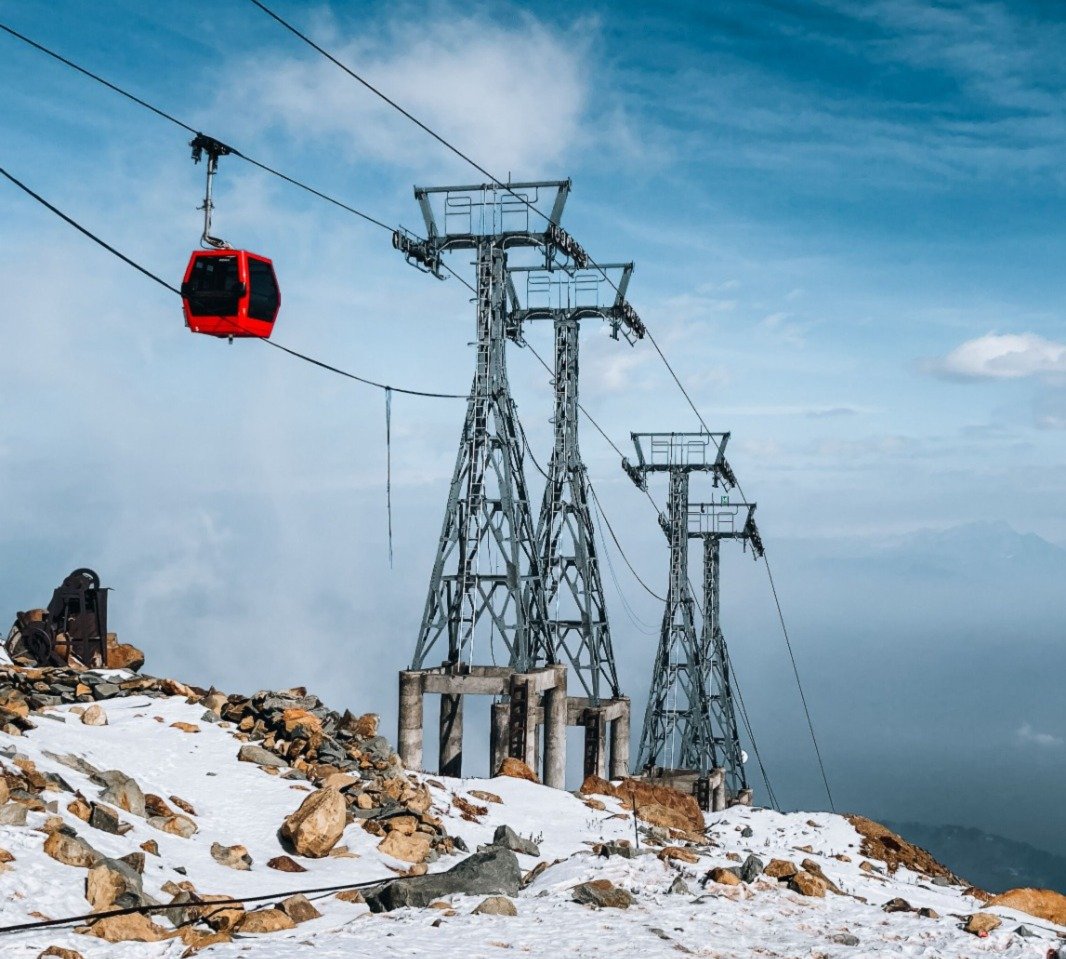
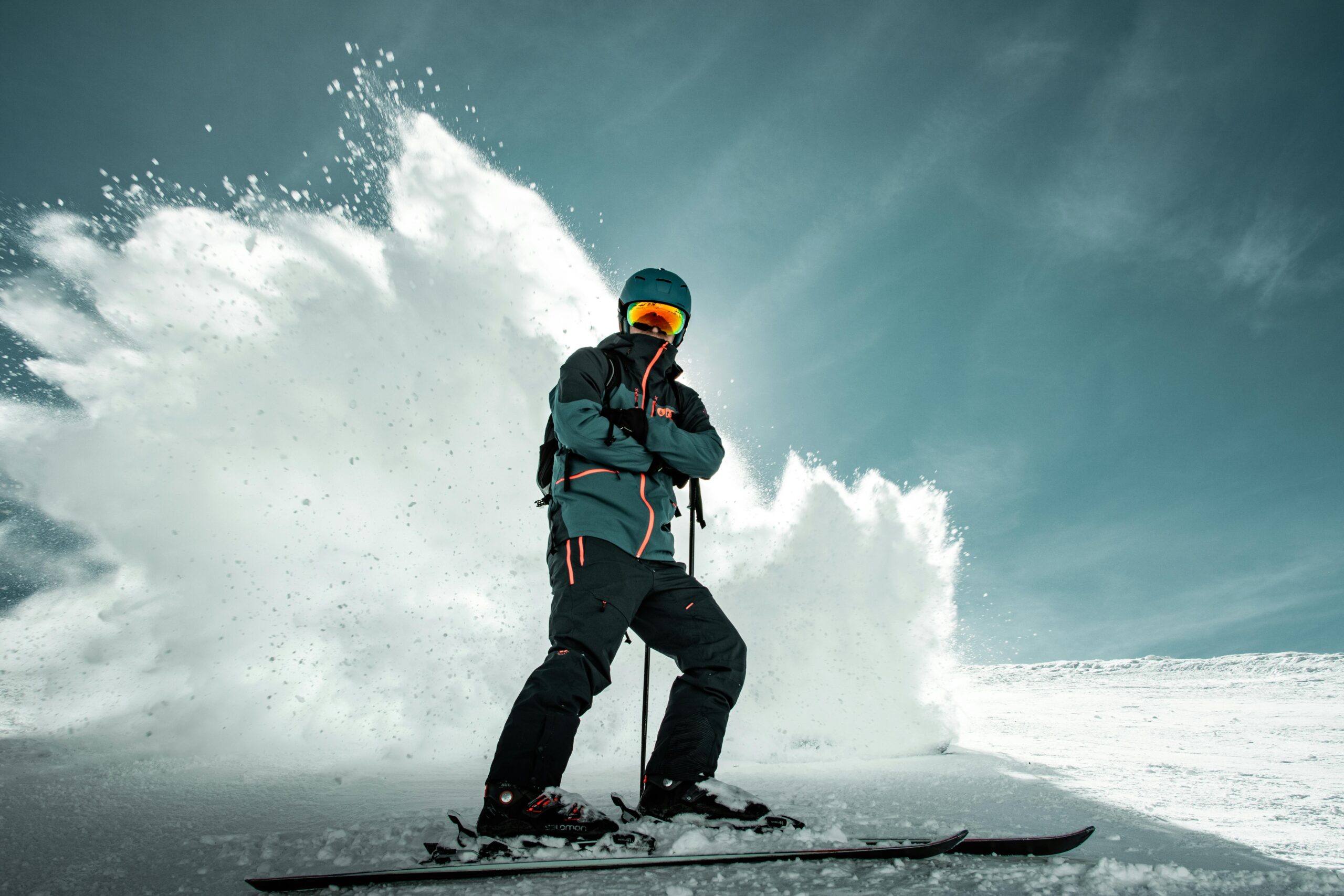
Phase 2 refers to the upper section of the Gondola that reaches close to Apharwat Ridge at about 3,950 metres. The weather here is very different from Gulmarg town. If you are new to the mountain, it helps to understand the difference between Gulmarg Phase 1 vs Phase 2 before planning your ski days.
Many travellers check the temperature in Gulmarg village and assume conditions will be similar at the top. That is rarely the case. The higher altitude makes Phase 2 much colder, windier, and more exposed.
On some winter mornings, you may leave your hotel in pleasant weather and arrive at Phase 2 facing strong winds, blowing snow, and temperatures that feel far below the official reading.
That is why understanding the Apharwat temperature monthly Gulmarg Phase 2 skiing conditions is important before packing or booking your trip. The effect becomes easier to understand once you know the actual Gulmarg ski altitude and how rapidly weather changes with elevation.
Gulmarg Phase 2 Temperature by Month
December
December marks the start of the main winter season. Early snowfall usually begins building the base needed for skiing. Temperatures at Phase 2 generally range between -5°C and -15°C. Fresh snow becomes more frequent during the second half of the month.
You will often find soft powder after storms. Weather can still be unpredictable because winter is just settling in. Travellers planning an early-season visit should also check the latest updates on the Gulmarg snowfall season before booking.
January
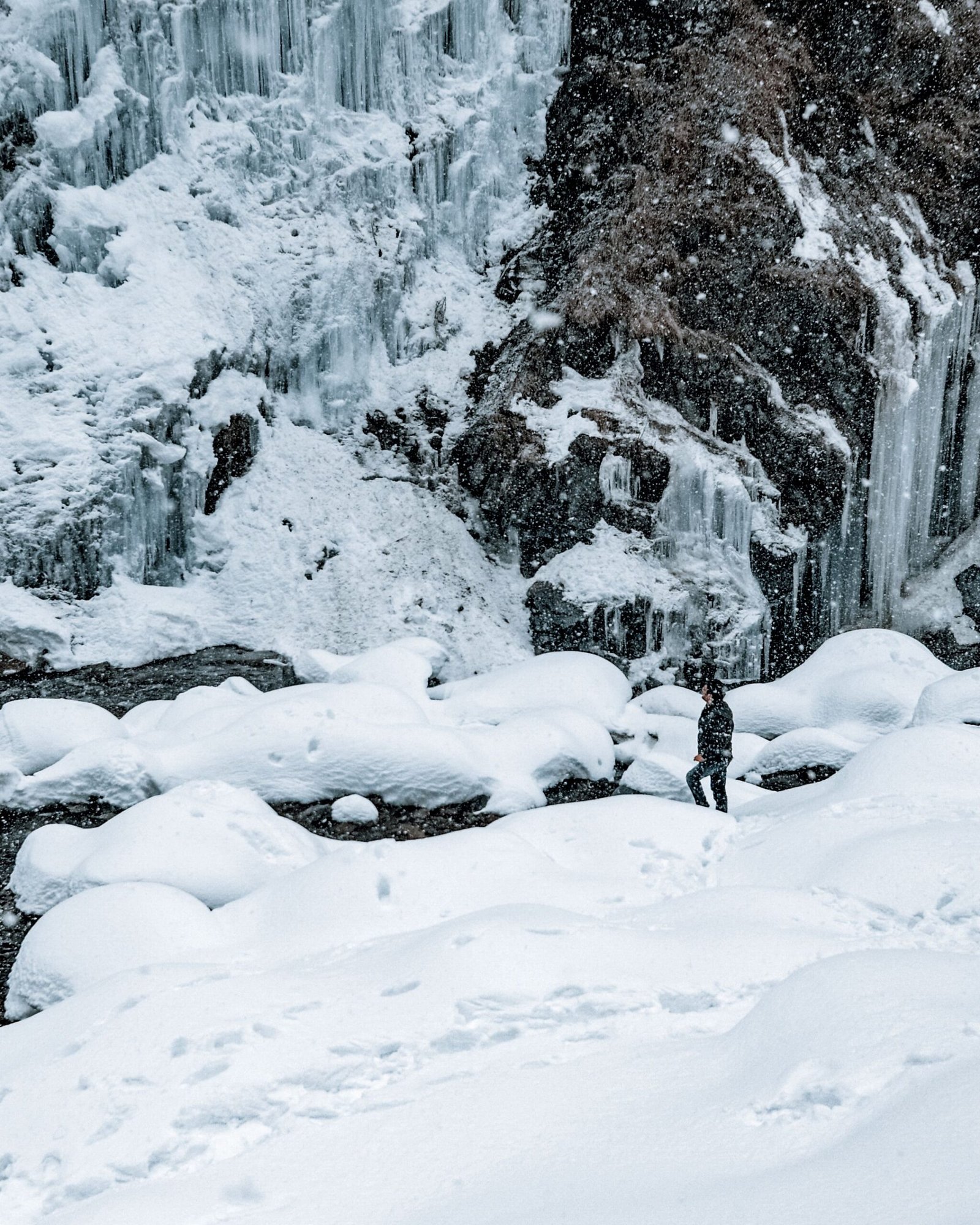
January is usually the coldest month on Apharwat. Temperatures often stay between -10°C and -20°C, though storm systems can push the perceived temperature much lower because of wind chill.
This is when Gulmarg delivers some of its best powder skiing. Snow remains dry and light because temperatures stay well below freezing. snow quality in Gulmarg is thick as compare its powder favourably with famous international resorts. Many experienced skiers consider January the sweetest spot for deep powder days.
February
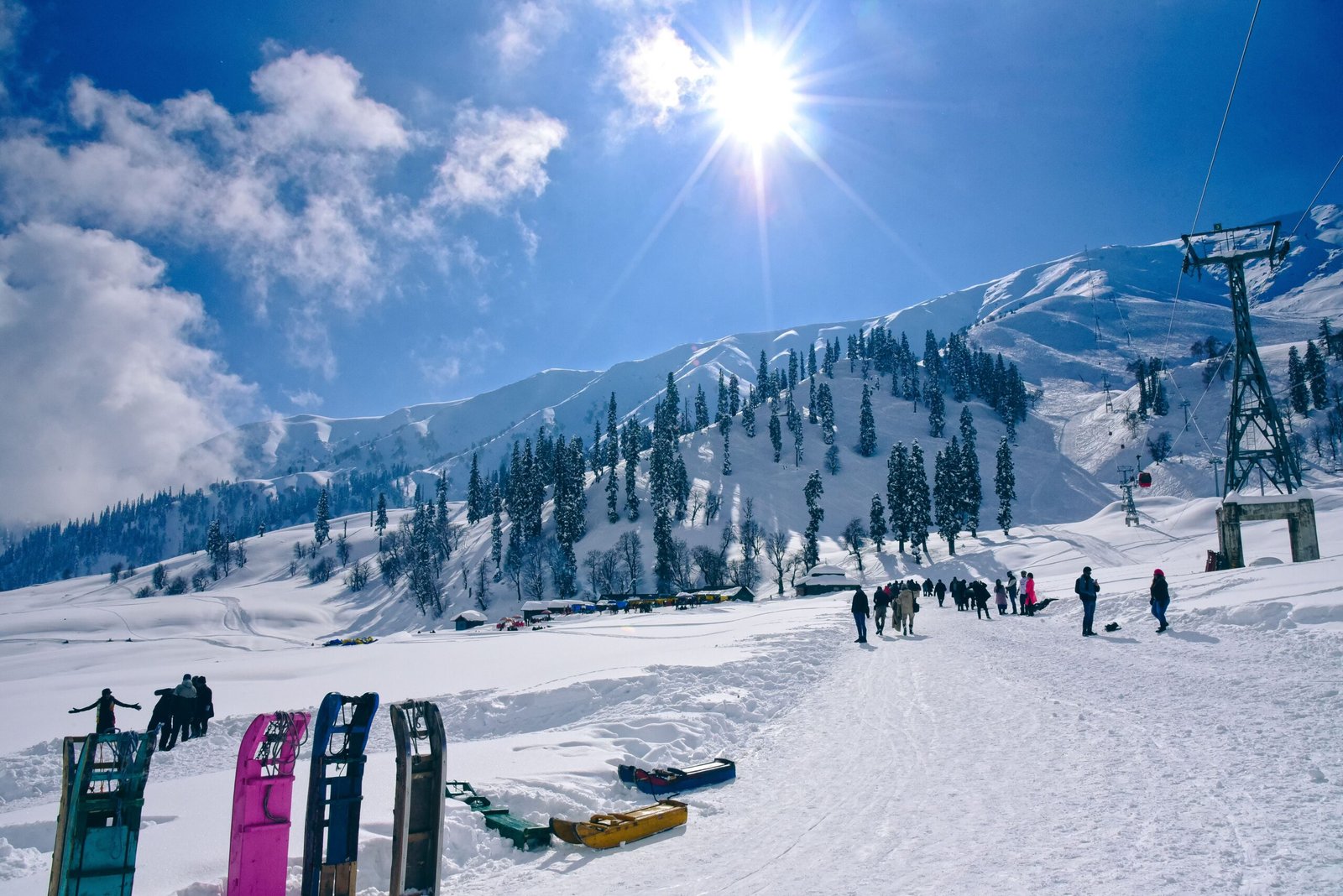
February remains very cold but often brings more stable weather windows. Typical temperatures range from -8°C to -18°C. Snowfall remains frequent. Powder quality stays excellent. Visibility often improves between storms, making it one of the most popular months for advanced skiers and snowboarders.
If someone asks us for one month that balances snow quality and ski access, February usually gets our vote. You can also read our complete guide to Gulmarg in February to understand what conditions look like throughout the month.
March
March starts the transition towards spring. Temperatures generally range between -5°C and -12°C. The snowpack is usually deep by this stage. Longer daylight hours make skiing more comfortable. Fresh powder still arrives, though warmer afternoons can slightly change snow texture on sunny slopes.
Many visitors enjoy March because it feels less harsh than January while still offering strong skiing conditions. Those considering a late-season trip should explore our guide to Gulmarg in March for a more detailed breakdown.
April
April surprises many first-time visitors. While spring has arrived in much of India, Phase 2 can still remain snowy and cold. Temperatures commonly range from -2°C to -8°C. Morning skiing often delivers firm snow. As the day warms, some slopes become softer and easier to ski. This creates enjoyable conditions for intermediate skiers.
May
The ski season usually winds down during May. Temperatures often range between 0°C and 5°C. Snow coverage begins shrinking quickly. Some higher sections may still hold snow, but skiing opportunities become limited. Most visitors during this period come for sightseeing rather than skiing.
June to August
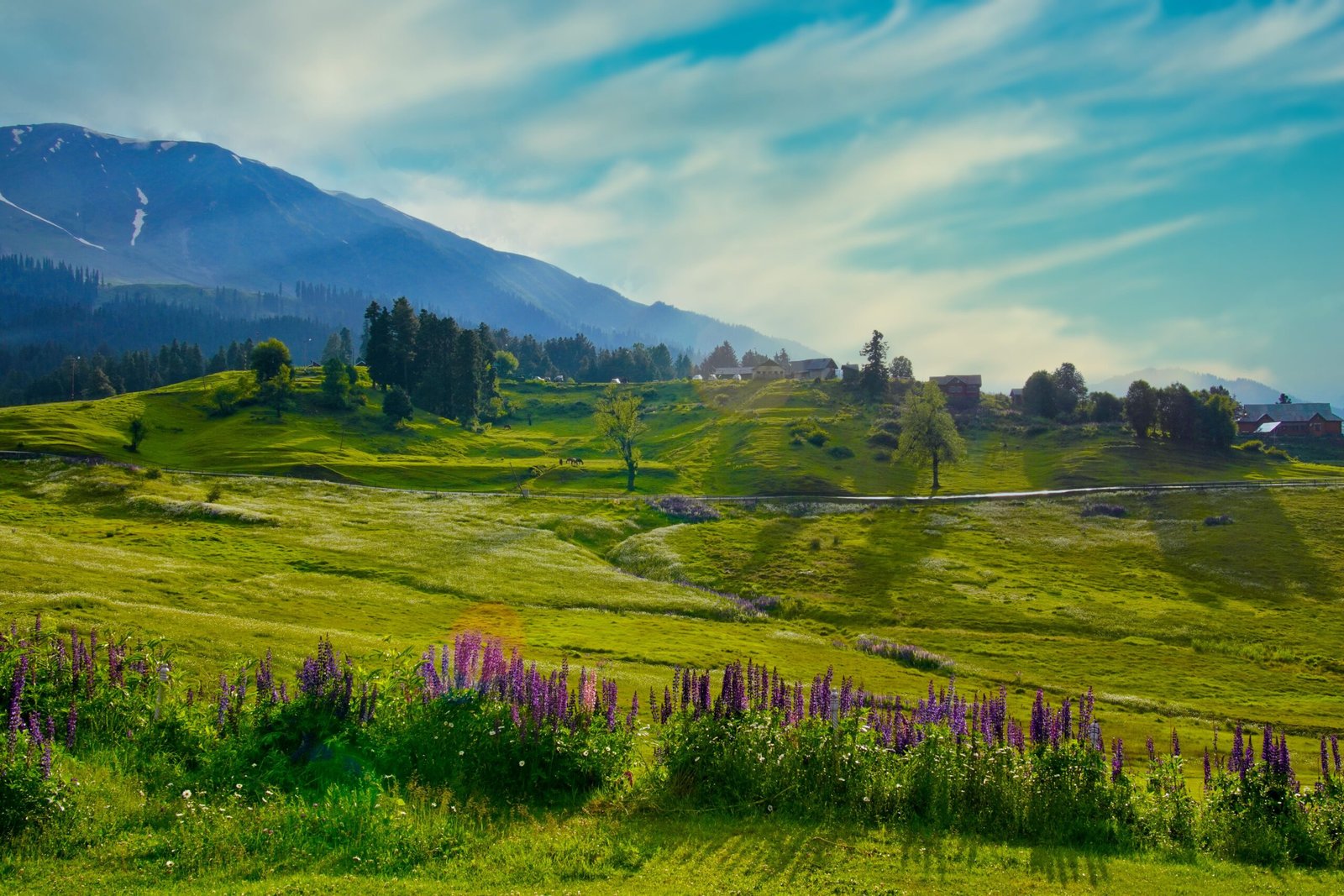
Summer takes over the mountain. Temperatures generally stay between 2°C and 10°C. Snow remains only in isolated patches near the highest ridges. Green meadows dominate lower elevations while the upper mountain feels cool and pleasant.
This period attracts trekkers, photographers, and tourists rather than skiers. If you are visiting outside winter, you may enjoy reading about the famous Gulmarg Gondola in summer and what the mountain looks like without snow.
September
September brings crisp mountain weather. Temperatures usually range between 0°C and 8°C. The landscape remains largely snow-free. Nights become noticeably colder as winter slowly approaches. You can often enjoy some of the clearest mountain views during this period.
October
October signals the beginning of colder conditions. Temperatures commonly range from -2°C to 6°C. Occasional early snowfalls may appear on higher slopes, though they rarely create skiable terrain. The mountain starts preparing for winter once again.
November
November acts as the bridge between autumn and winter. Temperatures generally range between -4°C and 3°C. Snowfall becomes more frequent toward the end of the month. Skiers begin closely watching forecasts as the new season approaches. Some years see impressive early snow. Other years require patience until December.
How Temperature Affects Skiing Conditions
Many people think more snow automatically means better skiing. The reality is more nuanced. Temperature directly shapes the snow surface you ski on.
Very cold temperatures create light, dry powder that many advanced skiers dream about. Slightly warmer temperatures create softer snow that can feel easier for beginners. When temperatures rise above freezing for long periods, snow becomes heavier and wetter.
The best skiing conditions often happen when temperatures remain comfortably below freezing without severe storms disrupting lift operations. Skiers heading into ungroomed terrain should also understand basic avalanche safety in Gulmarg because temperature changes can affect snow stability.
What to Wear at Gulmarg Phase 2
Packing correctly can make the difference between a memorable ski day and an uncomfortable one. A simple layering system works best:
- Thermal base layer
- Fleece or insulated mid-layer
- Waterproof ski jacket
- Waterproof ski trousers
- Thick ski socks
- Insulated gloves
- Neck gaiter or buff
- Ski goggles
- Warm beanie for non-ski hours
Many visitors underestimate how cold the wind can feel at Phase 2. Even when the thermometer shows only moderate cold, exposed ridges can feel much harsher.
Before travelling, check our detailed guides on what to wear for skiing in Gulmarg and choosing the right ski goggles for Gulmarg.
Best Month for Skiing Based on Temperature
Each month offers a slightly different experience.
- January: Deep powder and coldest temperatures.
- February: Excellent snow with better weather windows.
- March: Great balance of comfort and snow quality.
- April: Softer snow and milder temperatures.
- December: Fresh season excitement with variable conditions.
For most visitors, February and March strike the best balance between comfort, access, and snow quality.
Common Mistakes First-Time Visitors Make
One mistake appears every season. People pack for Gulmarg town rather than Phase 2. The temperature difference can be significant. A jacket that feels warm in the village may not be enough on Apharwat Ridge. Another mistake is ignoring wind forecasts. Wind often affects comfort more than temperature itself.
Finally, many visitors assume sunny weather means warm weather. At nearly 4,000 metres, bright sunshine can still accompany sub-zero temperatures.
If this is your first ski holiday, our guide on how to learn skiing in Gulmarg covers the basics before you hit the slopes.
Quick Monthly Temperature Table
Month | Approximate Temperature Range |
December | -5°C to -15°C |
January | -10°C to -20°C |
February | -8°C to -18°C |
March | -5°C to -12°C |
April | -2°C to -8°C |
May | 0°C to 5°C |
June | 2°C to 10°C |
July | 3°C to 10°C |
August | 3°C to 9°C |
September | 0°C to 8°C |
October | -2°C to 6°C |
November | -4°C to 3°C |
When planning a ski trip, do not ask only, “Will there be snow?” Ask a better question: “What will the mountain feel like when I step out at Phase 2?” That answer often decides whether your day becomes unforgettable for the right reasons. For more practical mountain guides and trip-planning resources, visit Gulmarg Skiing.